


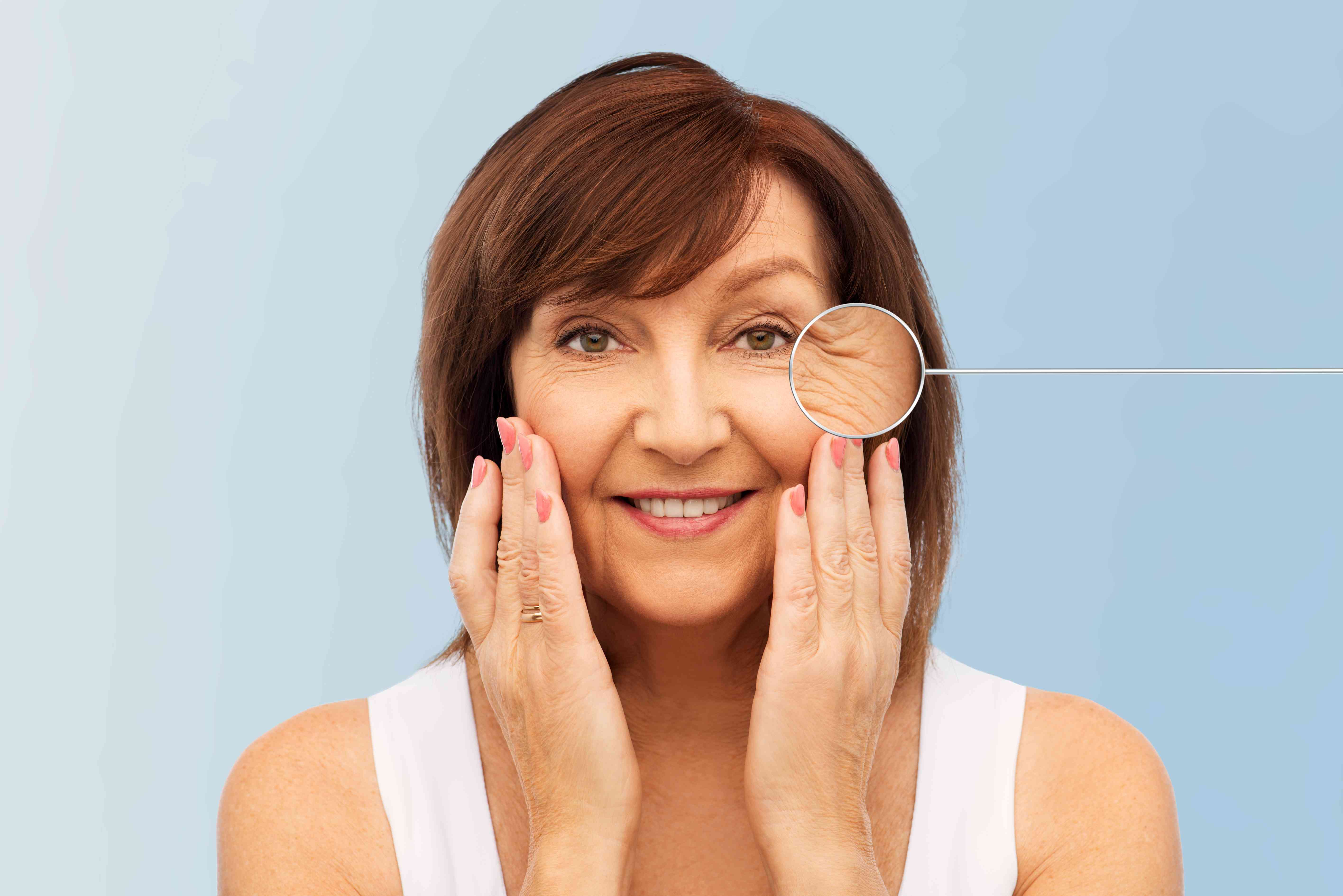


Electrolyte-Infused Skincare: Why Minerals Matter for Healthy, Glowing Skin
Discover how electrolyte-infused skincare supports hydration, barrier repair, and glowing skin. Learn about key minerals like magnesium, potassium, and calcium.
Read article

A scalp biopsy is a minor diagnostic procedure where a small sample of scalp skin is removed and examined under a microscope. It helps identify causes of hair loss, scalp inflammation, infections, or unexplained scalp lesions.

At ClairéDerma, the procedure is done carefully to obtain an accurate diagnosis with minimal discomfort. Dermatologists may use:
Clinical scalp examination
Local anesthesia for comfort
Removal of a small scalp sample
Laboratory analysis of the tissue
Planning treatment based on results

Accurate diagnosis of scalp disorders
Helps guide targeted treatment
Clarifies cause of hair loss
Detects inflammatory or autoimmune conditions
Supports long-term scalp health

Unexplained hair loss
Persistent scalp redness or itching
Suspected scarring alopecia
Chronic scalp lesions
Conditions not responding to routine treatment
Examination and need assessment.
Cleaning and numbing the area.
Small sample removed for testing.
Instructions to keep the area clean.
Discussion of diagnosis and treatment plan.
Mild soreness may occur briefly. Healing is usually quick. Results help determine the most effective treatment approach.


Treatment for hair & scalp surgical treatments at our Noida and Greater Noida clinics.

Treatment for benign skin lesion removal at our Noida and Greater Noida clinics.

Treatment for cyst & abscess surgery at our Noida and Greater Noida clinics.
Discover how electrolyte-infused skincare supports hydration, barrier repair, and glowing skin. Learn about key minerals like magnesium, potassium, and calcium.
Read article
Find out how the skinminimalism trend can make your skincare routine easier in 2025. Find out how using fewer products that do more than one thing can help your skin, save you money, and make you less irritated.
Read article
Discover how chemical peels can transform your skin. Learn about different types, benefits, and aftercare tips for the best results.
Read articleFind answers to the most common questions about our treatments, procedures, and recovery process. If you can't find what you're looking for, our support team is always here to help.
7 questions
The sample is small, so visible change is minimal.
Local anesthesia keeps it comfortable.
Lab analysis may take several days.
A tiny scar may form but is usually hidden by hair.
Rare with proper care.
Temporary care instructions will be given.
Tissue examination provides detailed information.