
Pigmentation
Understand and Treat Uneven Skin Tone with Expert Dermatological Care

What is Pigmentation?
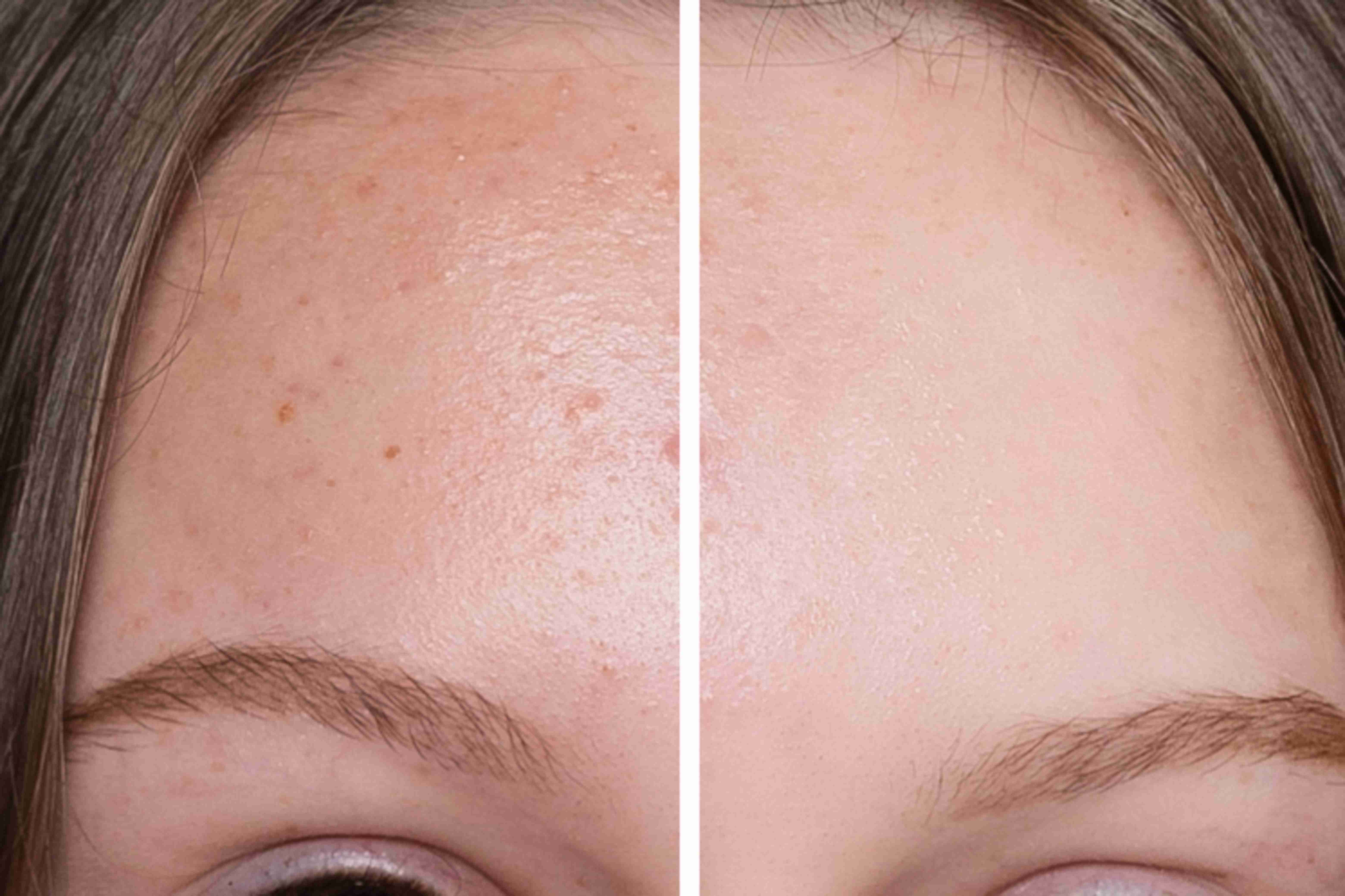
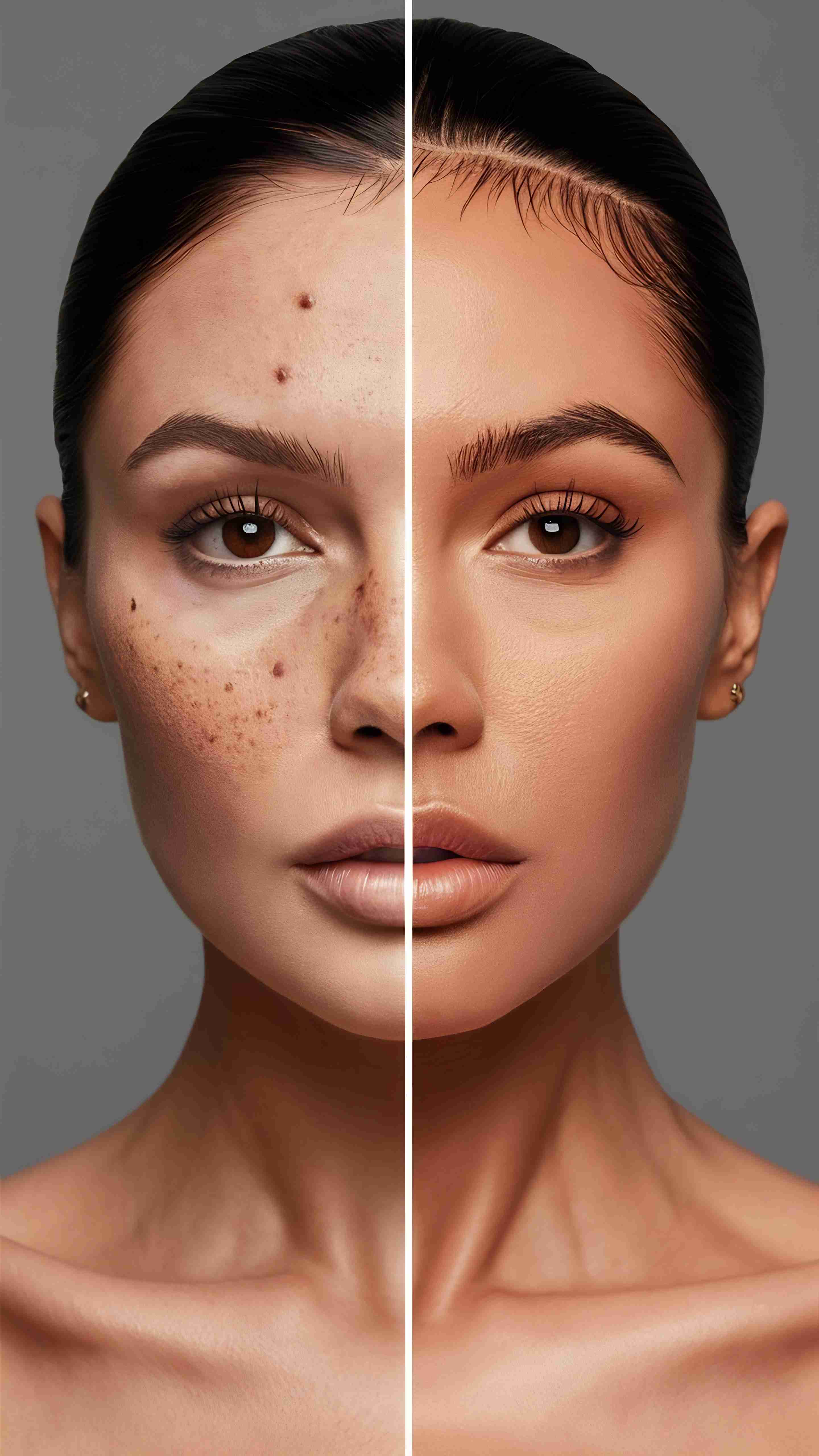
Pigmentation refers to the coloration of the skin, primarily influenced by melanin levels. Irregularities in pigment production can cause patches of skin to appear darker or lighter than the surrounding area. These imbalances often result from sun exposure, hormonal changes, inflammation, or certain medical conditions.
Pigmentation disorders sit on a spectrum from mild post-inflammatory marks to deep dermal discolouration that resists years of topical treatment. The melanin production pathway involves over a dozen enzymes and signalling molecules — tyrosinase being the most well-known — and disruption at any point can produce hyperpigmentation or hypopigmentation. UV radiation, inflammation, hormonal activity, and certain medications can all push melanocytes into overdrive.
Why Treat Pigmentation Professionally?

Treating pigmentation professionally produces results that outperform self-directed routines in both speed and longevity. In-clinic devices reach pigment depths that no topical product can access, while dermatologist-supervised home regimens use prescription concentrations that deliver two to three times the melanin-suppressing activity of retail products.
Treatment Options for Pigmentation
Chemical Peels
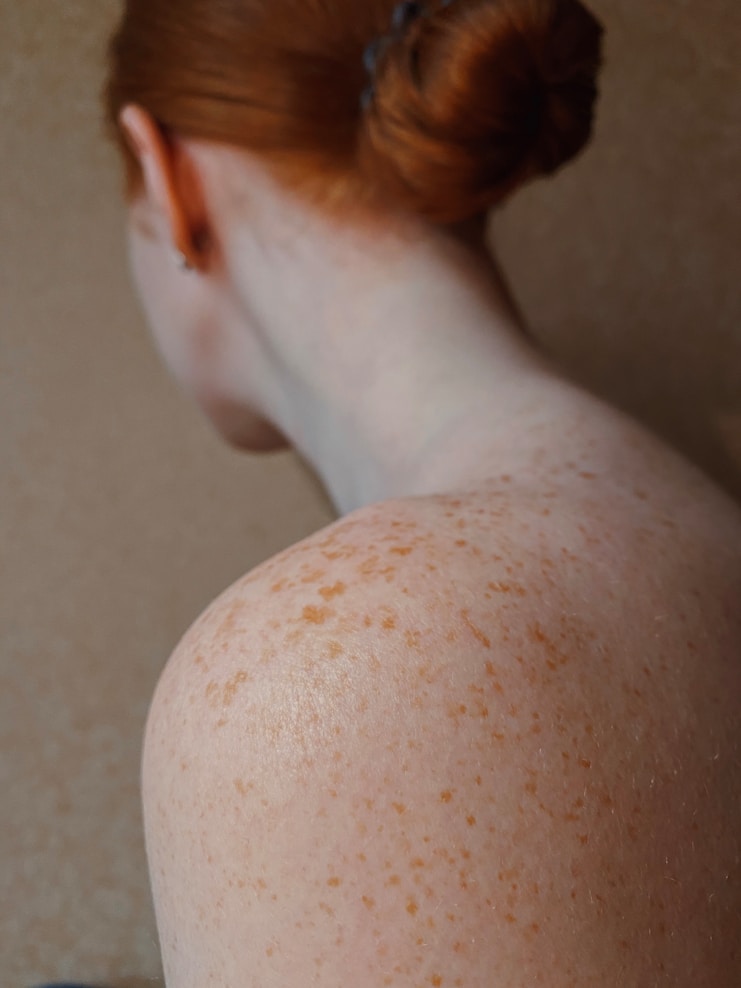
Medical-grade peels target uneven pigment deposits by accelerating cell turnover and fading dark patches. The peel strength is matched to your pigmentation type and skin tone.
Laser Treatments
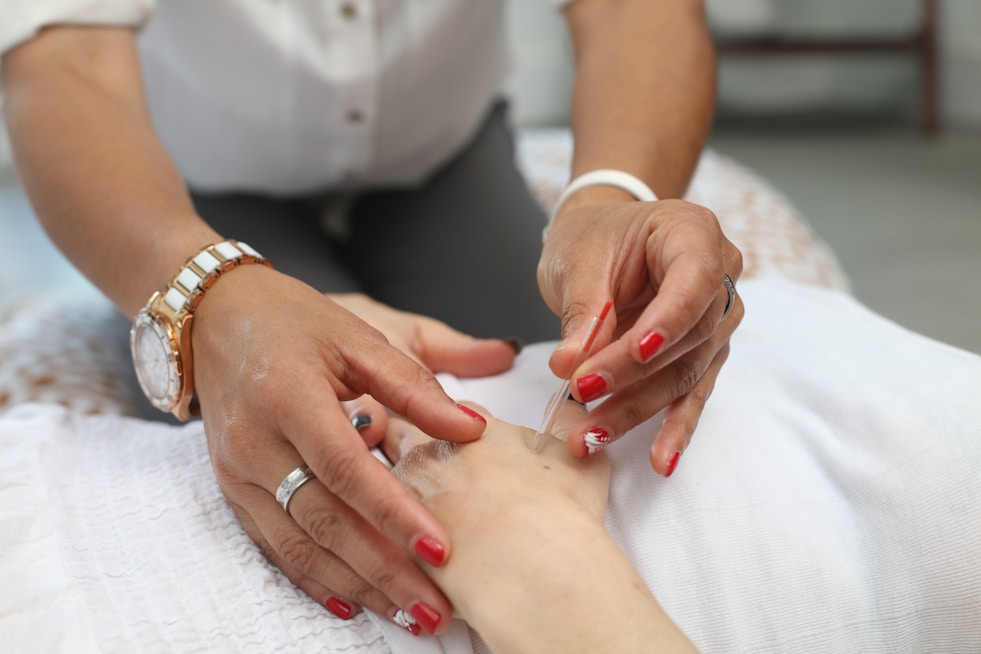
Laser therapy breaks apart concentrated pigment beneath the skin surface. Whether it is post-inflammatory marks or sun damage, the treatment is tailored to your specific pigmentation pattern.
Skin Brightening Treatments
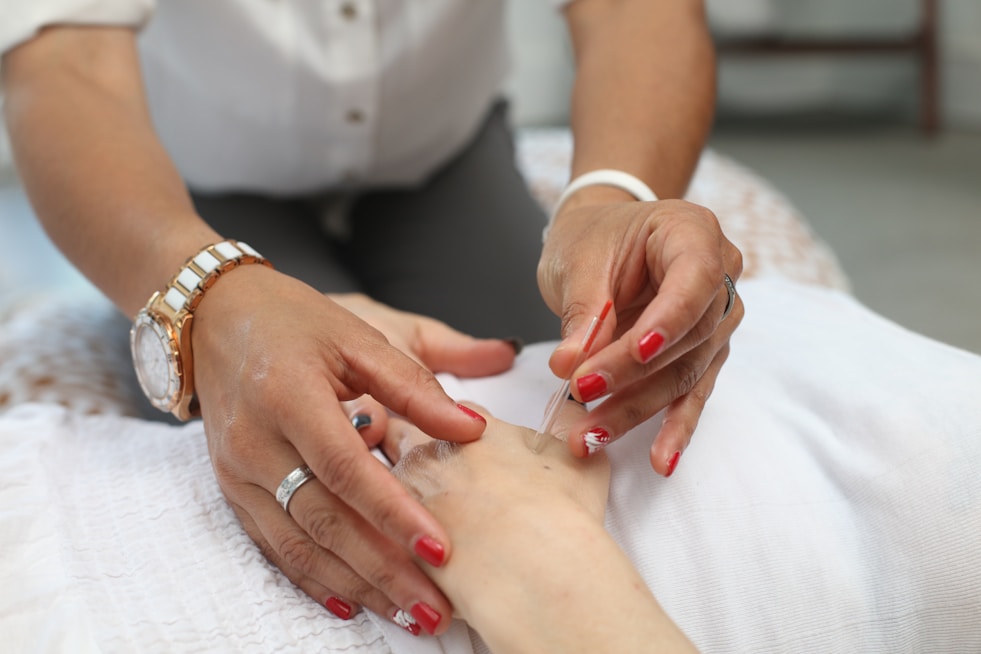
A multi-step brightening protocol addresses pigmentation from different angles, inhibiting new melanin production while fading what is already there. The skin tone gradually becomes more even.
Who Can Benefit?
If you have persistent dark spots, uneven tone, or pigmented patches that don't respond to regular skincare, professional pigmentation treatment is recommended. It’s suitable for all skin types with tailored protocols.
Pigmentation disorders affect all skin types but are most visible and persistent in Fitzpatrick types III through VI. South Asian, East Asian, African, and Latin American populations experience disproportionately high rates of post-inflammatory hyperpigmentation and melasma due to greater melanocyte reactivity. Hormonal transitions — puberty, pregnancy, menopause, and hormonal contraceptive use — are common triggering periods.
Steps in the Treatment Process
01
Skin Assessment
A thorough examination to determine the type and cause of pigmentation. Your dermatologist performs a detailed pigmentation assessment using Wood's lamp, dermoscopy, and cross-polarised photography to classify each area of discolouration by type, depth, and likely cause. We review your medical history, medication list, hormonal status, sun exposure habits, and skincare routine.
02
Customized Treatment Plan
Your dermatologist selects the best therapy combination based on your skin. A pre-treatment phase of two to six weeks introduces prescription topicals — typically a tyrosinase inhibitor, low-dose retinoid, and barrier-supporting moisturiser — to prime melanocytes and strengthen the skin barrier before in-clinic procedures.
03
Therapy Session
Procedures like lasers or peels are carried out safely in controlled settings. Active treatment sessions are spaced three to four weeks apart, with the specific modality matched to your pigmentation type. Epidermal pigment receives chemical peels and topical intensification. Mixed-depth pigment is treated with fractional or picosecond lasers at calibrated settings.
04
Aftercare & Monitoring
Follow-up visits and daily skincare ensure long-lasting improvement and prevent recurrence. Post-treatment follow-ups are scheduled at four, eight, and twelve weeks after the final active session. Standardised progress photos document improvement against your baseline. We refine your maintenance regimen — adjusting topical rotations, recommending seasonal sun protection changes, and scheduling periodic in-clinic touch-up sessions as needed.

Expected Results & Recovery
Got Questions?We've Got Answers
Find answers to the most common questions about our treatments, procedures, and recovery process. If you can't find what you're looking for, our support team is always here to help.
Common causes include sun damage, hormonal changes, post-acne marks, and genetics.
Yes, modern lasers and peels are customized for fair to dark complexions.
Visible changes usually begin after 1–2 sessions, with full results seen in 4–6 weeks.
Yes, but avoid heavy or irritating products for the first 24–48 hours post-procedure.
Regular sunscreen use, a gentle skincare routine, and follow-ups with your dermatologist are key.
Certain treatments — particularly chemical peels and laser sessions — bring pigment to the skin's surface as part of the clearing process. This temporary darkening, sometimes called 'bringing pigment up,' occurs because fragmented melanin migrates through the epidermis before shedding with natural cell turnover. The darkening phase typically lasts five to fourteen days and is a sign that the treatment is working.
While reduced UV exposure in winter can make treatment timing simpler, waiting months unnecessarily delays improvement. At Claire Derma, we treat pigmentation year-round by adjusting protocols for the season. Summer treatments emphasise topicals and lower-intensity procedures with strict daily photoprotection — broad-spectrum SPF 50 with iron oxide, reapplied every two hours during outdoor activity.
Hydroquinone is the most studied and effective topical depigmenting agent, working by inhibiting tyrosinase — the enzyme responsible for melanin production. At prescription concentrations (2-4%), it's safe when used under dermatologist supervision in controlled cycles of eight to twelve weeks with rest periods in between. Concerns about ochronosis (paradoxical darkening) relate to unsupervised long-term use at high concentrations.
Post-procedural hyperpigmentation from poorly calibrated treatments is something we see regularly. Aggressive peels, incorrectly set lasers, or treatments performed without adequate skin preparation can trigger intense melanocyte activity, especially in darker skin tones. At Claire Derma, we first calm the inflammatory response — usually with barrier-repair products, anti-inflammatory topicals, and strict photoprotection for four to six weeks.
Start Your Personalized Skincare Plan
At ClairéDerma, we believe that healthy, radiant skinis the foundation of confidence and well-being. Ledby Dr. Mohna Chauhan, our clinic offers personalized dermatological care tailored to each patient's unique needs. With over a decade ofexperience and more than 3000 successfully treated patients,