
Dandruff
Get Rid of Flakes and Itch with Dermatologist-Recommended Dandruff Treatments
Understanding Dandruff
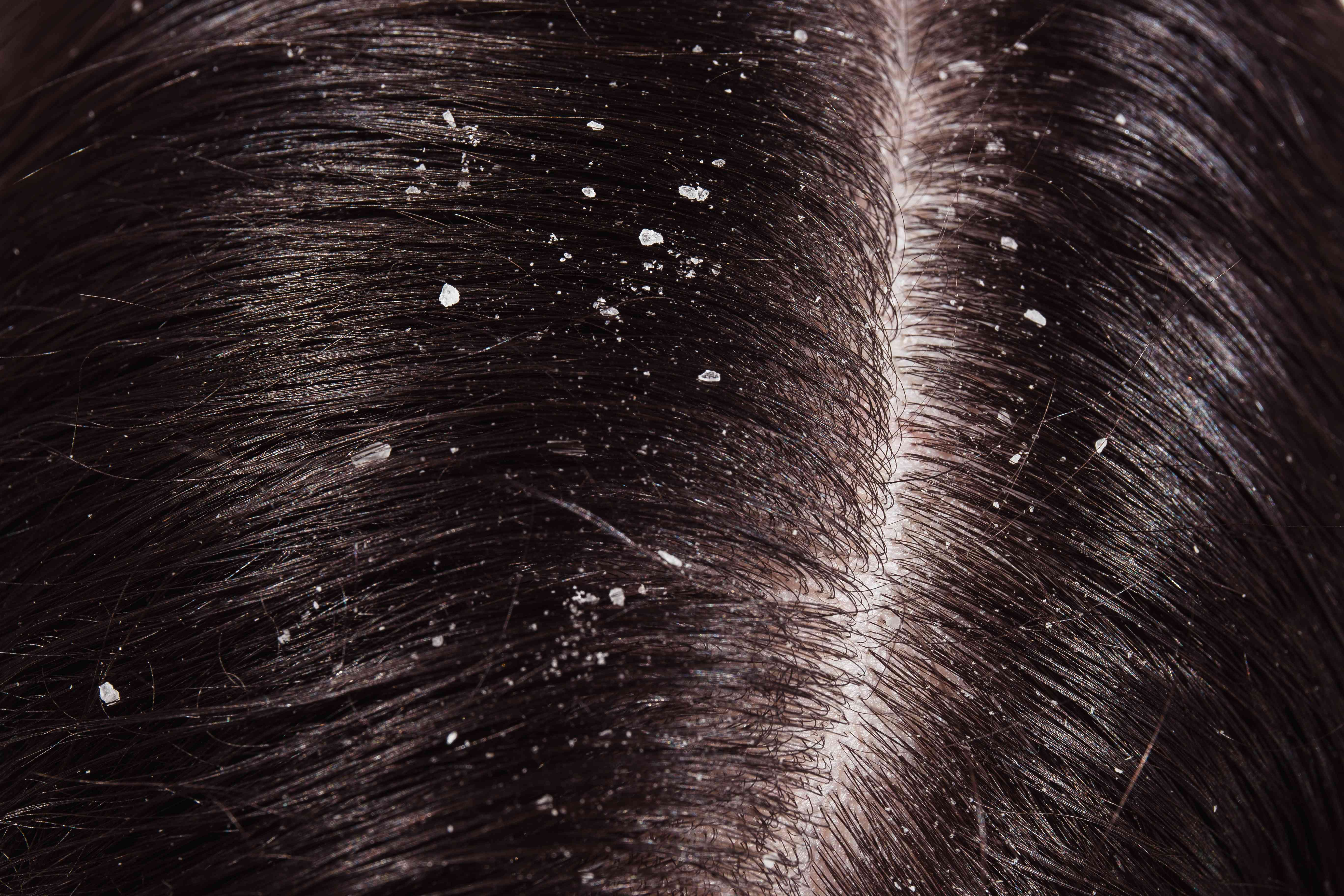
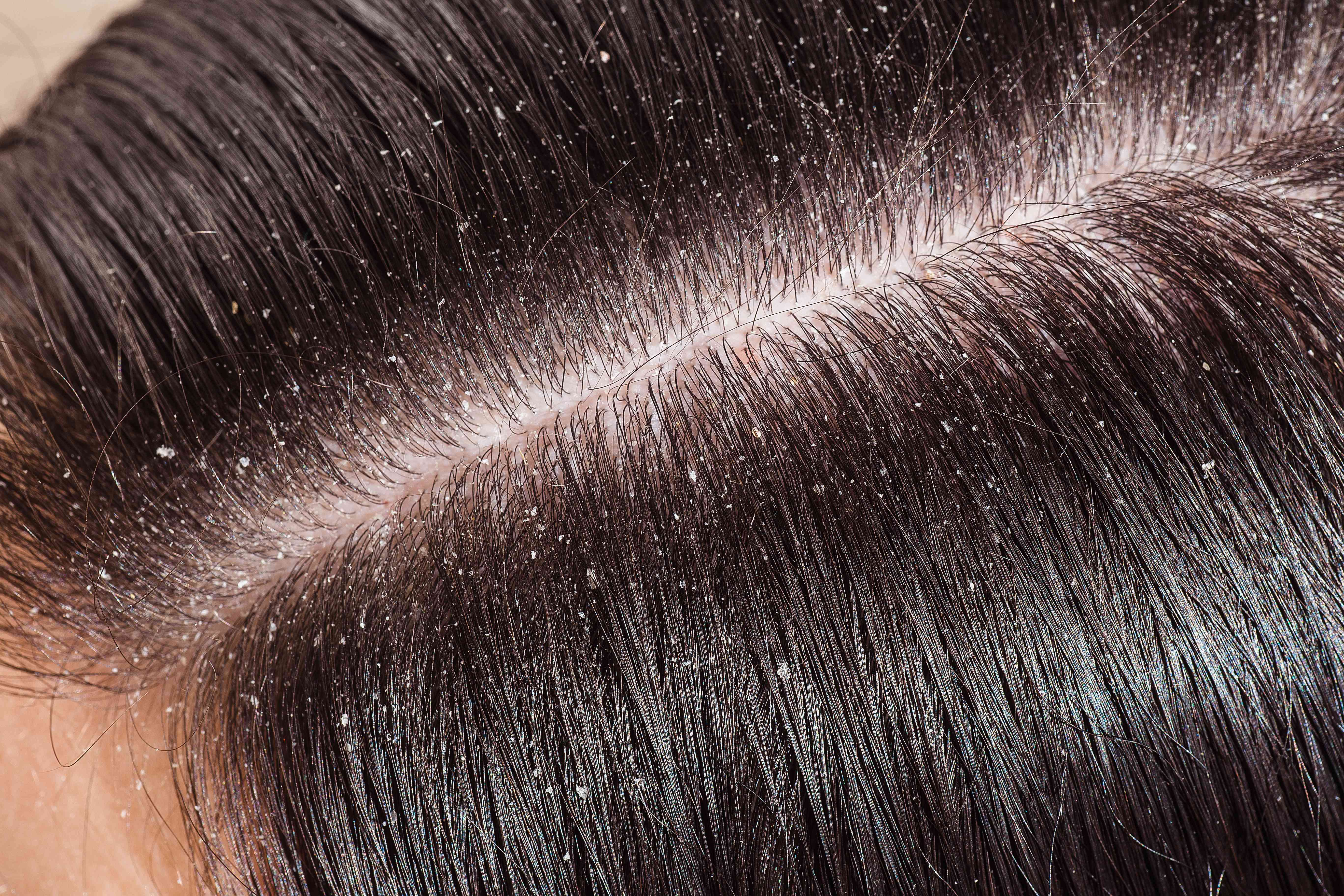
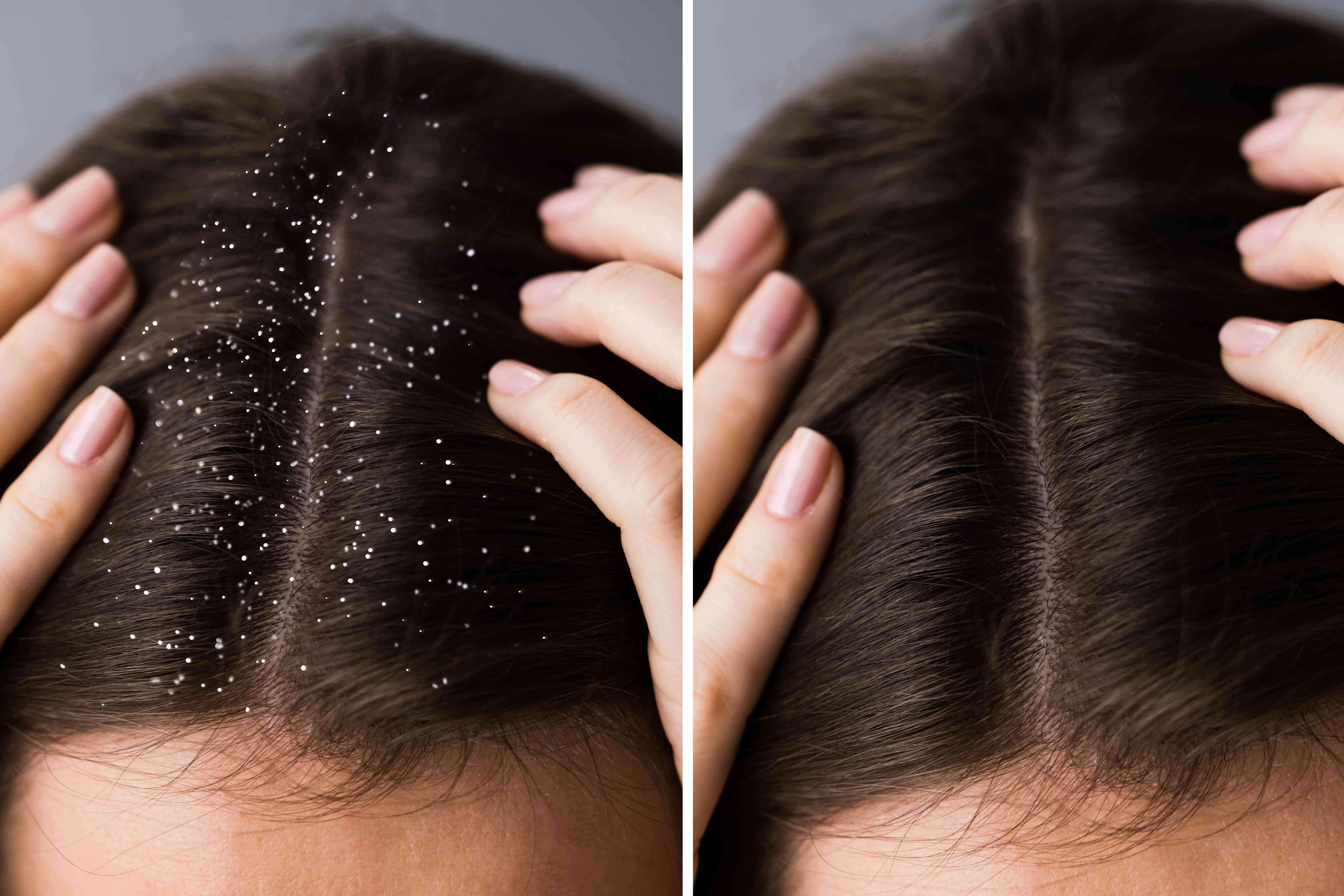
Dandruff is a common scalp condition characterized by flaking, itching, and sometimes redness. It can affect anyone and often results from an overgrowth of a yeast-like fungus, oily skin, or sensitivity to hair products. Though not contagious, it can be persistent and embarrassing.
Dandruff is a chronic scalp condition characterised by flaking and mild itching, affecting up to 50 percent of the adult population worldwide. The primary culprit is Malassezia globosa, a lipophilic yeast that lives on the scalp and feeds on sebum. As it breaks down triglycerides in sebum, it produces oleic acid — a substance that irritates the scalp in susceptible individuals, triggering an accelerated turnover of skin cells.
Treatment Options for Dandruff

Proper dandruff management at Claire Derma breaks the frustrating cycle of temporary improvement followed by relapse. Patients who follow our structured approach report sustained reduction in flaking, less itching, and the confidence to wear dark clothing without second-guessing. By targeting the Malassezia yeast directly and calming scalp inflammation simultaneously, we address both the cause and the symptoms.
Treatment Options for Dandruff
Anti-Dandruff Treatments
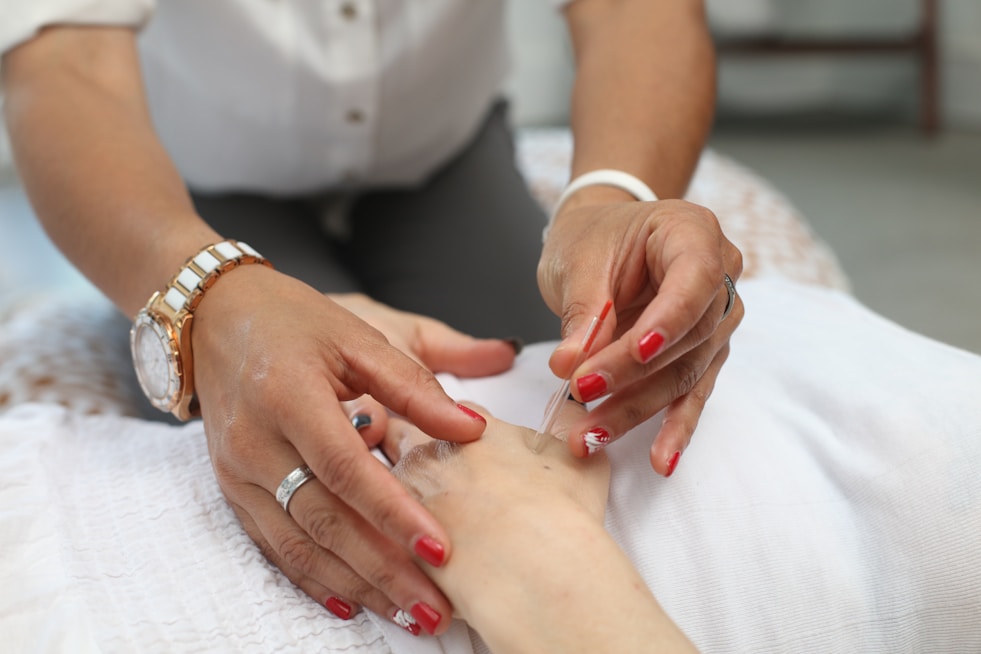
Professional anti-dandruff treatments go well beyond what drugstore shampoos can do. They target the fungal overgrowth causing the flakes and calm the scalp irritation and itching.
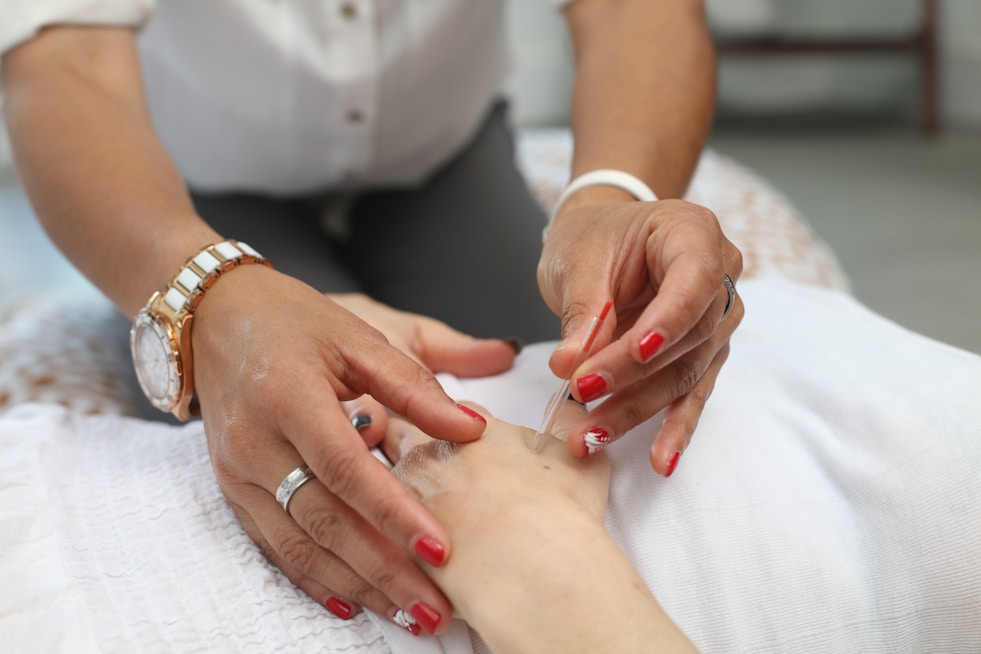
Mesotherapy for Hair
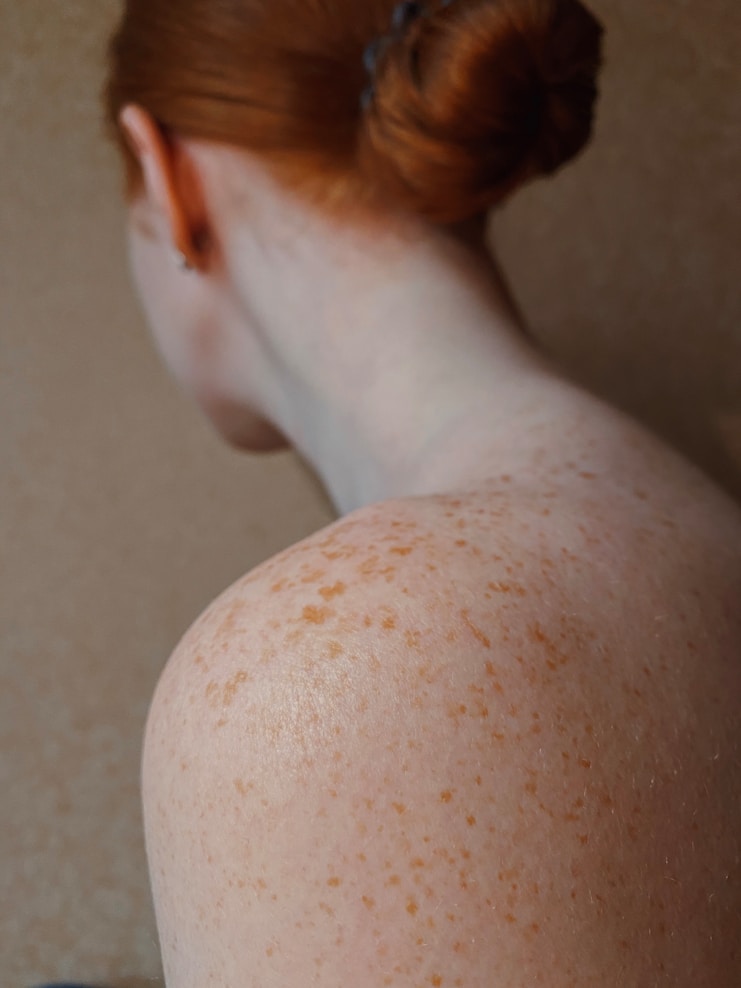
Scalp mesotherapy improves the health of the scalp tissue itself, creating an environment where dandruff-causing fungi struggle to take hold. Healthier scalp means less recurrence.
PRP Therapy for Hair Growth
Chronic dandruff can weaken hair over time. PRP strengthens the follicles that have been affected and promotes healthier, more resilient hair growth from a cleaner scalp.
Who Can Benefit
Anyone suffering from itchy, flaky scalp, or recurring dandruff despite trying multiple home remedies and over-the-counter shampoos can benefit from dermatologist-guided treatments.
Oily skin, hormonal fluctuations (especially during puberty and in young adult men), and cold, dry weather are the most common aggravating factors for dandruff. Stress triggers a spike in sebum production via cortisol, feeding the Malassezia yeast and worsening flaking within days. Immunocompromised individuals — including those with HIV and patients on immunosuppressive medications — experience more severe and treatment-resistant seborrhoeic dermatitis.
Treatment Steps
01
Scalp Evaluation
Scalp type, flake severity, and medical history are examined to personalize care. Our dermatologist examines your scalp under trichoscopy, identifies the type and distribution of scaling, and reviews your hair care routine, stress levels, and diet. The condition is differentiated from psoriasis, seborrhoeic dermatitis, and contact dermatitis.
02
Therapy Plan
Based on the evaluation, a treatment combination of medicated products or peels is prescribed. Patients receive detailed guidance on how to use medicated shampoos effectively — the correct volume, contact time on the scalp, and rinsing technique. Irritating hair products are identified and alternatives recommended.
03
Ongoing Maintenance
Periodic follow-ups and long-term maintenance products help prevent recurrence. Medicated shampoos are used two to three times weekly during the active phase. Topical corticosteroid lotion is applied nightly for a maximum of two weeks to calm inflammation. For resistant cases, oral itraconazole pulse therapy runs for one week per month.
Expected Results & Recovery
Got Questions?We've Got Answers
Find answers to the most common questions about our treatments, procedures, and recovery process. If you can't find what you're looking for, our support team is always here to help.
Yes, constant itching and inflammation may weaken follicles, leading to hair shedding. Treating dandruff can reduce hair fall.
2–3 times a week using medicated shampoo is usually sufficient. Over-washing may irritate the scalp.
No, dandruff is not contagious. It results from individual scalp conditions and not from person-to-person contact.
Mild dandruff may improve, but persistent or severe cases need targeted medicated treatments and expert care.
Yes. A balanced diet rich in zinc, B vitamins, and omega-3 fatty acids supports scalp health and can reduce flakiness.
No. Dandruff is caused by an overgrowth of Malassezia yeast on the scalp combined with individual sensitivity to its byproducts. People who wash their hair frequently can still develop dandruff if the yeast population is high and their scalp reacts to oleic acid. Infrequent washing can worsen flaking by allowing sebum and yeast to accumulate, but it is not the root cause.
Dandruff itself does not directly damage hair follicles, but the persistent inflammation and itching it causes can contribute to temporary hair shedding. Aggressive scratching weakens hair shafts at the root and can pull out hairs in the telogen phase. Severe seborrhoeic dermatitis left untreated over long periods may create an environment where hair growth is compromised.
Rotation can be helpful because different active ingredients target Malassezia through different mechanisms. Ketoconazole disrupts the fungal cell membrane, zinc pyrithione has both antifungal and antibacterial properties, and selenium sulphide slows cell turnover. Using one product exclusively for months may allow the yeast to adapt.
There is emerging evidence that high-sugar and high-fat diets may increase sebum production, creating a more favourable environment for Malassezia. Zinc deficiency has been linked to increased scalp flaking, and essential fatty acid imbalance may impair the skin barrier.
Start Your Personalized Skincare Plan
At ClairéDerma, we believe that healthy, radiant skinis the foundation of confidence and well-being. Ledby Dr. Mohna Chauhan, our clinic offers personalized dermatological care tailored to each patient's unique needs. With over a decade ofexperience and more than 3000 successfully treated patients,