
Unwanted Body Hair
Achieve Smooth, Hair-Free Skin with Advanced Laser Hair Reduction

Understanding Unwanted Body Hair Growth
Body hair is completely natural and varies in density, color, and growth pattern due to genetics, hormones, and ethnicity. However, excessive or unwanted body hair can affect confidence and lead to frequent grooming. Common areas include arms, legs, back, chest, underarms, and bikini line. Modern dermatology offers safe and permanent hair reduction solutions through laser technology.
Unwanted body hair affects people across genders and can be driven by genetics, hormonal changes, or certain medications. While temporary methods like shaving, waxing, and threading offer short-term relief, they come with recurring costs, skin irritation, and ingrown hairs that often leave pigmentation marks. Laser hair reduction has become the gold standard for long-lasting results, using targeted light energy to disable hair follicles during their active growth phase.
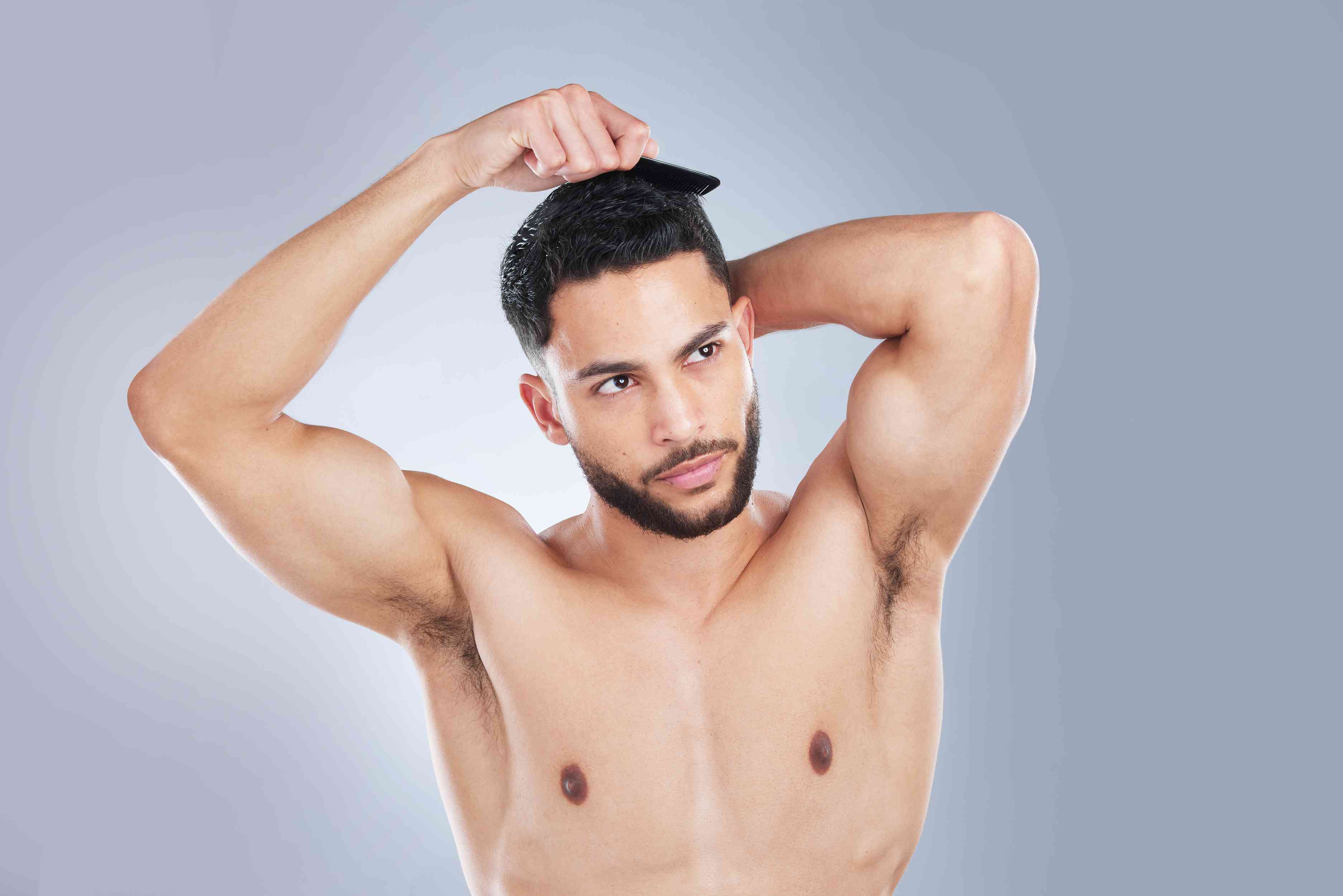
Treatment Options – Laser Hair Reduction

Professional laser hair reduction at a dermatology clinic like Claire Derma offers safety and efficacy that salon-based treatments and home devices cannot match. Our dermatologists understand the interaction between laser energy, melanin, and skin structure at a medical level — allowing them to treat aggressively enough for results while staying within safe parameters.
Treatment Options for Unwanted Body Hair
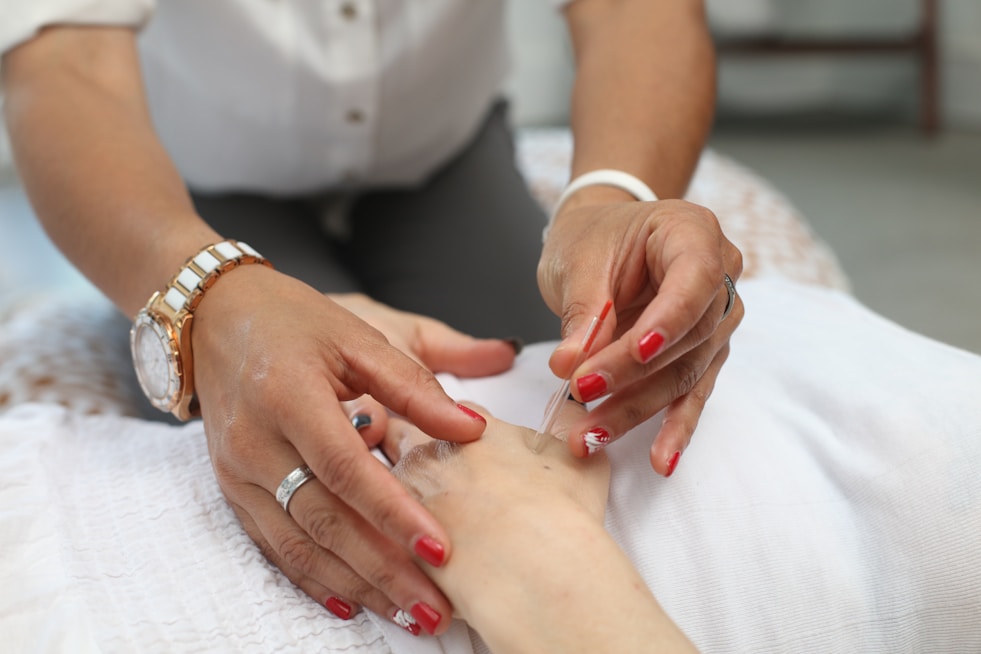
Laser Hair Reduction
Laser hair reduction targets the melanin in hair follicles, disabling them so they stop producing hair. After a course of sessions, most people see a permanent reduction of 80 to 90 percent.
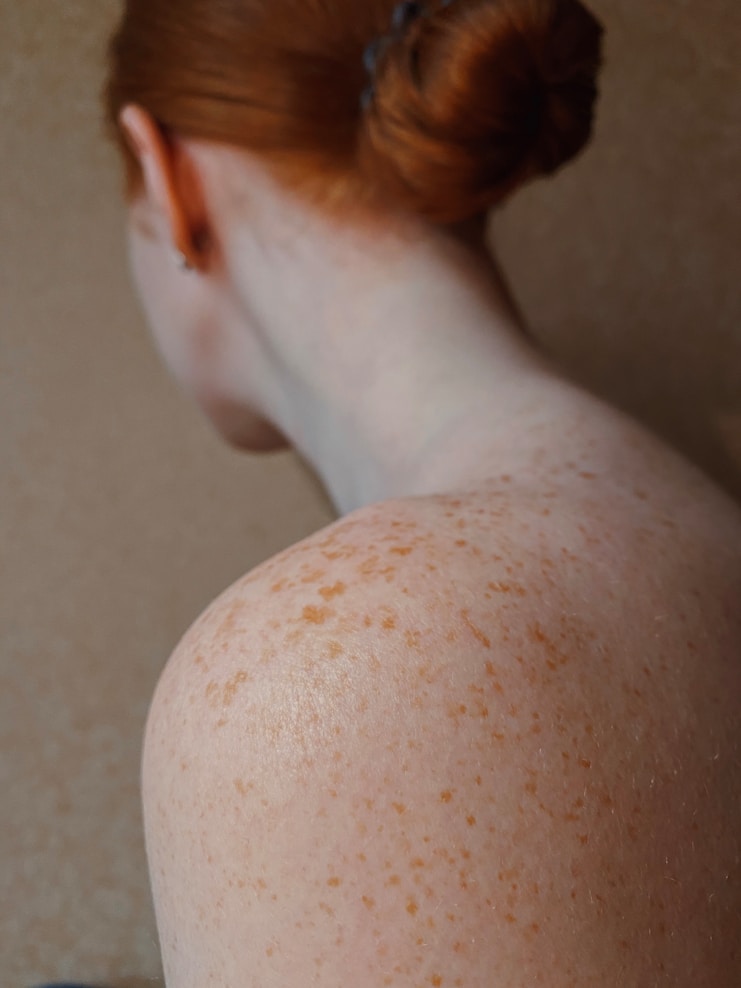
Body Polishing
Body polishing smooths out the skin after laser treatments, removing ingrown hairs and dead cells that can cause bumps. It keeps the skin clear and comfortable between sessions.
Body Contouring
For areas where unwanted hair accompanies skin concerns, body contouring can be combined with hair reduction for an all-in-one improvement to skin smoothness and appearance.

Who is an Ideal Candidate?
Anyone seeking permanent hair reduction on the arms, legs, back, chest, abdomen, underarms, or bikini area can opt for laser hair reduction. It is safe for both men and women. People with thicker or darker hair usually see faster results.
Laser hair reduction is one of the most commonly performed cosmetic procedures globally, with millions of treatments administered each year. Advances in laser technology over the past decade have made the procedure faster, more comfortable, and safer across all skin tones. Areas most frequently treated include the upper lip, chin, underarms, bikini line, and legs for women, and the back, chest, and shoulders for men.
Treatment Flow
01
Consultation & Patch Test
Skin and hair type are evaluated to determine suitability. A patch test ensures safety and comfort. Your dermatologist assesses your skin type using the Fitzpatrick scale, evaluates hair colour and density in the target areas, and reviews your medical history for hormonal conditions or photosensitising medications.
02
Laser Sessions
Hair is trimmed and treated with a laser in multiple sessions spaced 4–6 weeks apart. You are advised to shave the treatment area one to two days before your session — the hair shaft must be trimmed close to the skin so laser energy targets the follicle rather than burning surface hair.
03
Gradual Hair Reduction
Hair growth reduces in density, thickness, and speed after each session. The laser handpiece is moved systematically across the treatment area, delivering calibrated pulses while the integrated cooling system protects the skin surface. Session duration varies by area — upper lip takes five minutes, full legs take 30 to 45 minutes.
04
Maintenance & Care
Touch-ups may be needed annually. Sunscreen and proper post-care are advised. Treated hairs shed over the following one to three weeks. Your next session is scheduled based on the growth cycle of the treated area — four weeks for the face, six to eight weeks for the body.
Expected Results & Recovery
Got Questions?We've Got Answers
Find answers to the most common questions about our treatments, procedures, and recovery process. If you can't find what you're looking for, our support team is always here to help.
Laser hair reduction offers long-term results with up to 90% reduction. Maintenance sessions may be needed annually.
Most patients describe it as a mild pricking or warm sensation. Numbing creams are used for sensitive areas.
Typically, 6–8 sessions are required depending on hair thickness, growth cycle, and treatment area.
Yes. Laser settings are customized for each area to ensure safety and comfort, even in intimate zones.
Absolutely. Full-body laser hair reduction is popular among men for chest, back, arms, and grooming preferences.
Most body areas require six to eight sessions spaced four to eight weeks apart, depending on the hair growth cycle of that specific area. Facial hair often needs more sessions — up to eight or ten — because of shorter growth cycles and hormonal influence.
Yes, when the correct laser is used. The long-pulsed Nd:YAG laser at 1064 nm is specifically designed for darker skin — its wavelength bypasses the melanin in the epidermis and targets follicular melanin at depth, reducing the risk of burns and pigmentation changes.
Dermatologists understand the biology of hair growth, laser-tissue interactions, and skin pathology at a medical level. This means they can select the right laser for your skin, adjust parameters safely for sensitive areas, recognise and manage complications like paradoxical hair growth or pigmentation changes, and identify underlying conditions like PCOD that affect treatment outcomes. Salon operators work with limited device options and training.
Paradoxical hypertrichosis — where laser stimulates new hair growth rather than reducing it — is a rare but documented phenomenon, occurring in fewer than 3 percent of patients. It is more common with low-fluence treatments on fine vellus hair, particularly on the face, neck, and upper arms.
Start Your Personalized Skincare Plan
At ClairéDerma, we believe that healthy, radiant skinis the foundation of confidence and well-being. Ledby Dr. Mohna Chauhan, our clinic offers personalized dermatological care tailored to each patient's unique needs. With over a decade ofexperience and more than 3000 successfully treated patients,