
Hairloss in Men
Combat Male Pattern Baldness and Restore Confidence with Effective Solutions

Understanding Hairloss in Men
Hairloss in men is a common issue influenced by genetics, hormones, stress, diet, and lifestyle. Male pattern baldness (androgenetic alopecia) typically begins with a receding hairline or thinning crown. Early diagnosis and targeted treatments can significantly slow down or even reverse hair loss.
Male pattern hair loss — androgenetic alopecia — is the most common form of hair loss in men, driven by the hormone dihydrotestosterone (DHT). DHT binds to androgen receptors in genetically susceptible hair follicles, triggering a process called follicular miniaturisation: the hair shaft becomes progressively thinner, shorter, and lighter with each growth cycle until the follicle produces only fine vellus hair or stops altogether.

Treatment Options for Hairloss in Men

Men who commit to a structured treatment plan at Claire Derma gain a measurable advantage over time. Clinical photography at each visit documents density changes that are easy to miss in the mirror. Patients frequently tell us that the biggest relief comes from knowing their hair loss is being actively managed rather than silently progressing.
Treatment Options for Hairloss in Men
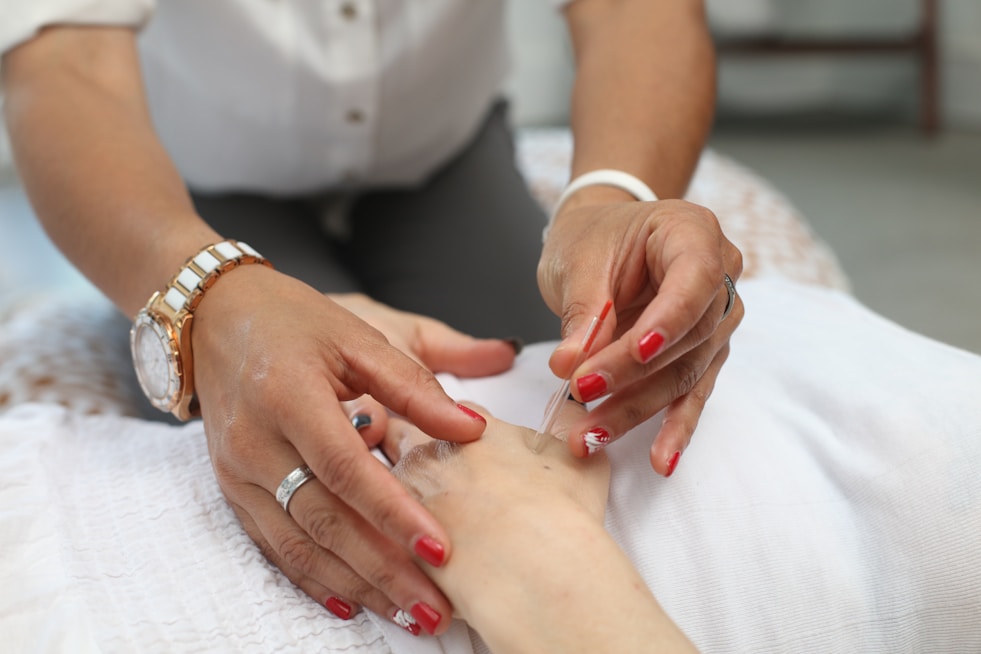
PRP Therapy for Hair Growth
PRP is particularly effective for the pattern thinning most men experience at the crown and temples. The concentrated growth factors reactivate miniaturised follicles before they go dormant completely.
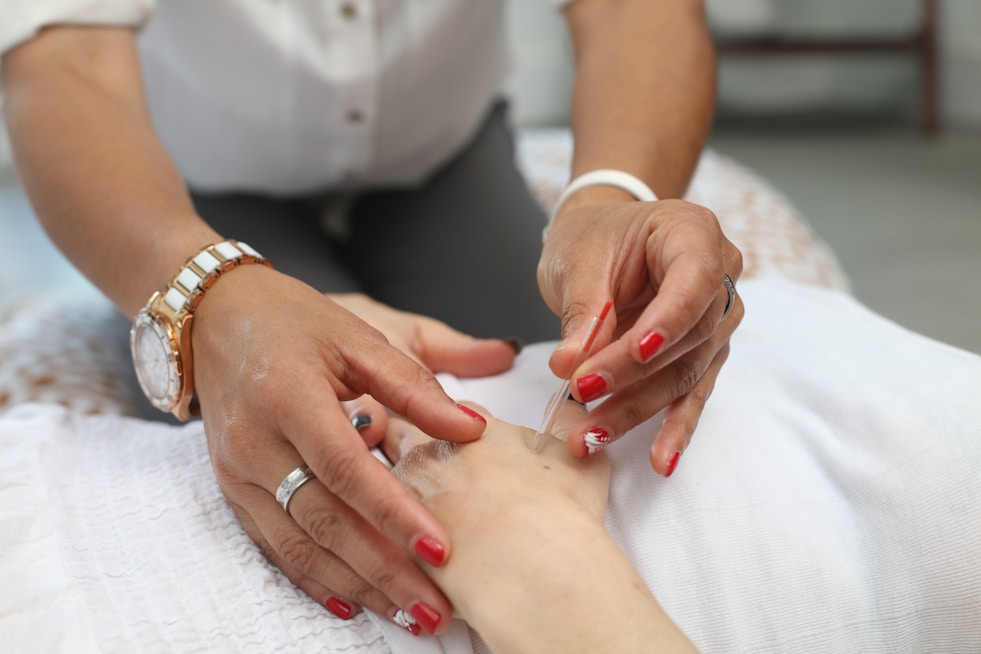
Hair Transplant Consultation
For more advanced male pattern baldness, a transplant consultation evaluates your donor area and designs a hairline that suits your facial structure. The goal is a natural result that ages well.
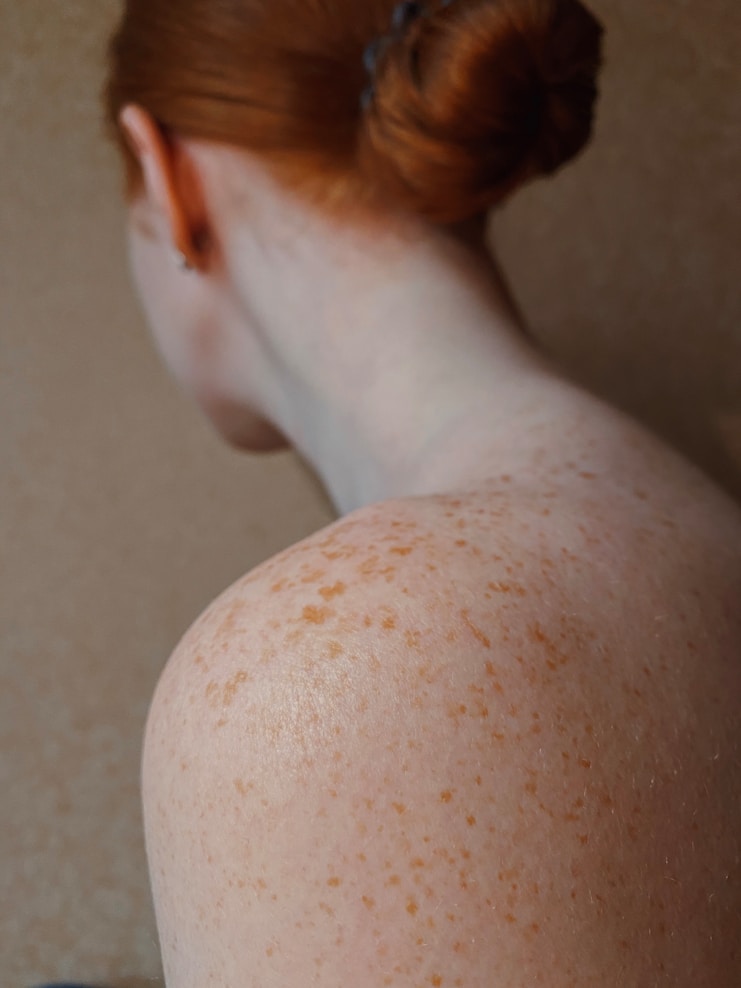
Mesotherapy for Hair
Scalp mesotherapy delivers a targeted nutrient blend that strengthens existing hair and creates a better environment for regrowth. It works well alongside PRP for more comprehensive results.

Who Can Benefit from Treatment?
Men in the early to moderate stages of hair thinning or those with a family history of baldness can benefit most from treatment. Results are better when treatment is started early.
The primary risk factor is genetic — a family history of male pattern baldness on either the maternal or paternal side raises susceptibility significantly. High DHT sensitivity is inherited, and no amount of lifestyle change can override a strong genetic predisposition. That said, modifiable factors do influence how fast you lose hair. Chronic stress, smoking (which impairs scalp microcirculation), poor sleep, and diets low in protein, iron, and zinc all accelerate thinning.
Treatment Steps
01
Consultation & Scalp Analysis
Dermatologist examines scalp and determines hair loss type and stage. Our dermatologist performs trichoscopy across the frontal, mid-scalp, vertex, and occipital zones, stages your loss on the Norwood scale, and orders blood tests covering ferritin, vitamin D, thyroid function, and testosterone. Baseline photographs are captured at standardised angles.
02
Customized Treatment Plan
A combination of topical, oral, and in-clinic therapies are prescribed based on severity. Once blood results confirm no contraindications, prescriptions for finasteride and minoxidil are issued with detailed instructions on dosing and application technique.
03
Follow-Up & Maintenance
Regular check-ins to assess progress and adjust the treatment plan as needed. For PRP, 20 mL of blood is drawn, centrifuged for 10 minutes, and the platelet concentrate is injected across the thinning scalp using a fine needle after topical numbing. Sessions take 45 minutes and are repeated monthly for three to four months.
Expected Results & Recovery
Got Questions?We've Got Answers
Find answers to the most common questions about our treatments, procedures, and recovery process. If you can't find what you're looking for, our support team is always here to help.
While complete reversal is not always possible, early treatment can slow progression and regrow hair in many cases.
Yes, they are FDA-approved, non-invasive, and have minimal to no side effects.
Initial improvements are visible in 3–4 months. Full results may take up to 6–12 months.
Most treatments are painless. PRP may cause mild discomfort but is well tolerated.
Maintenance is key. Stopping treatment may result in gradual return of Hairloss.
Clinical trials report that roughly 2 to 4 percent of men taking finasteride experience side effects such as reduced libido, erectile changes, or decreased ejaculatory volume. These effects are dose-related and reversible in the vast majority of cases upon stopping the medication. At Claire Derma, we discuss these risks openly during the consultation and monitor for any changes at follow-up visits.
There is no minimum age, but starting treatment while hair density is still reasonable yields the best outcomes. Men who begin finasteride and minoxidil at Norwood stage II or III preserve significantly more hair over five years compared to those who wait until stage IV or beyond.
Supplements containing biotin, zinc, iron, and vitamin D support healthy hair growth and can help if you have a documented deficiency. However, no supplement blocks DHT — the primary driver of androgenetic alopecia. Taking biotin when your levels are already normal will not slow miniaturisation. At Claire Derma, we test your blood levels first and only recommend supplementation where there is a measurable shortfall.
Hair transplant surgery can be an excellent option for men whose hair loss has stabilised on medication but who want to restore density in areas where follicles have been permanently lost. At Claire Derma, we assess transplant candidacy based on your donor hair density, scalp laxity, and the extent of miniaturisation.
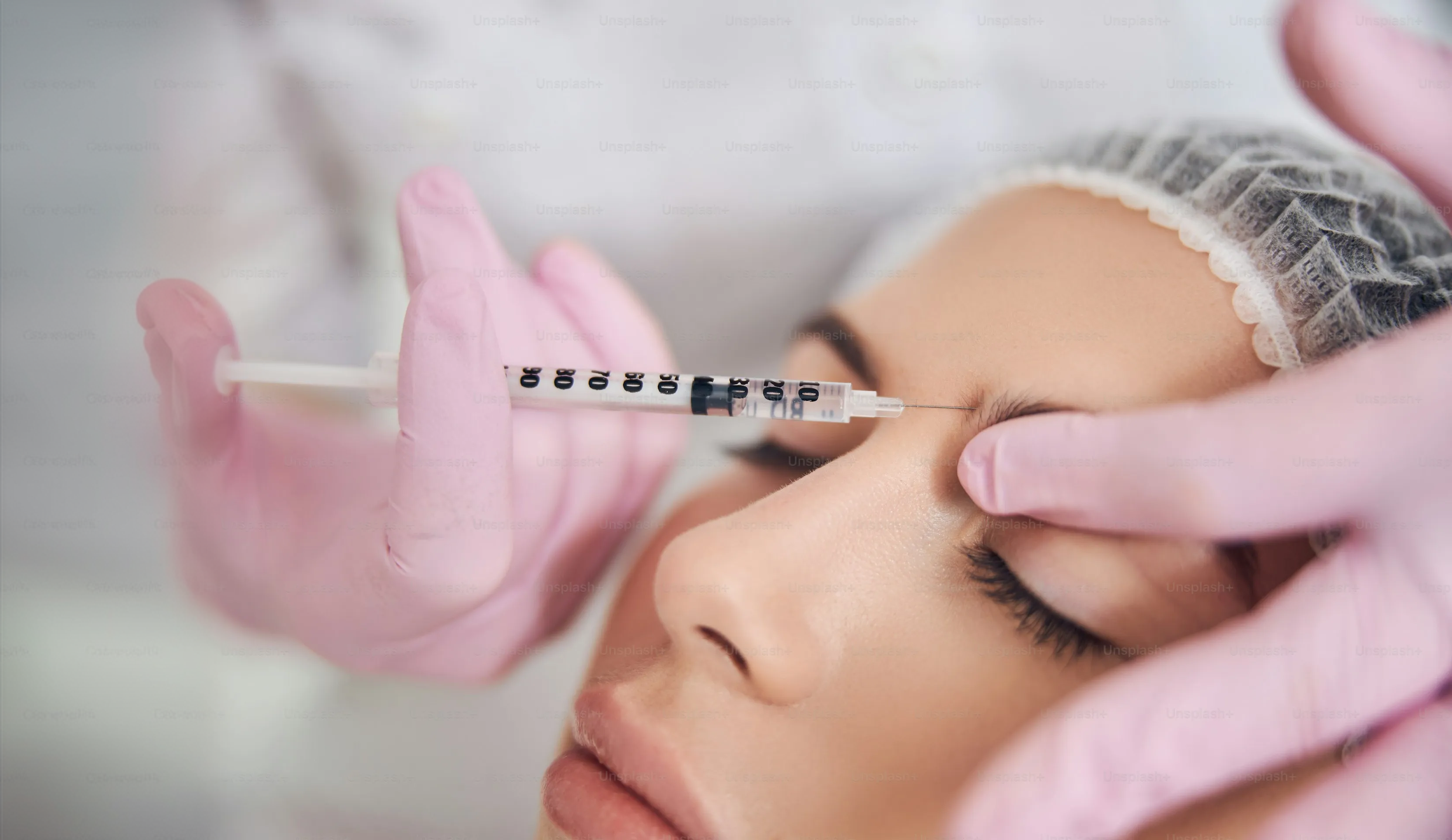
Start Your Personalized Skincare Plan
At ClairéDerma, we believe that healthy, radiant skinis the foundation of confidence and well-being. Ledby Dr. Mohna Chauhan, our clinic offers personalized dermatological care tailored to each patient's unique needs. With over a decade ofexperience and more than 3000 successfully treated patients,