
Foul and Excessive Sweats
Regain Freshness and Confidence with Targeted Sweat & Odour Solutions
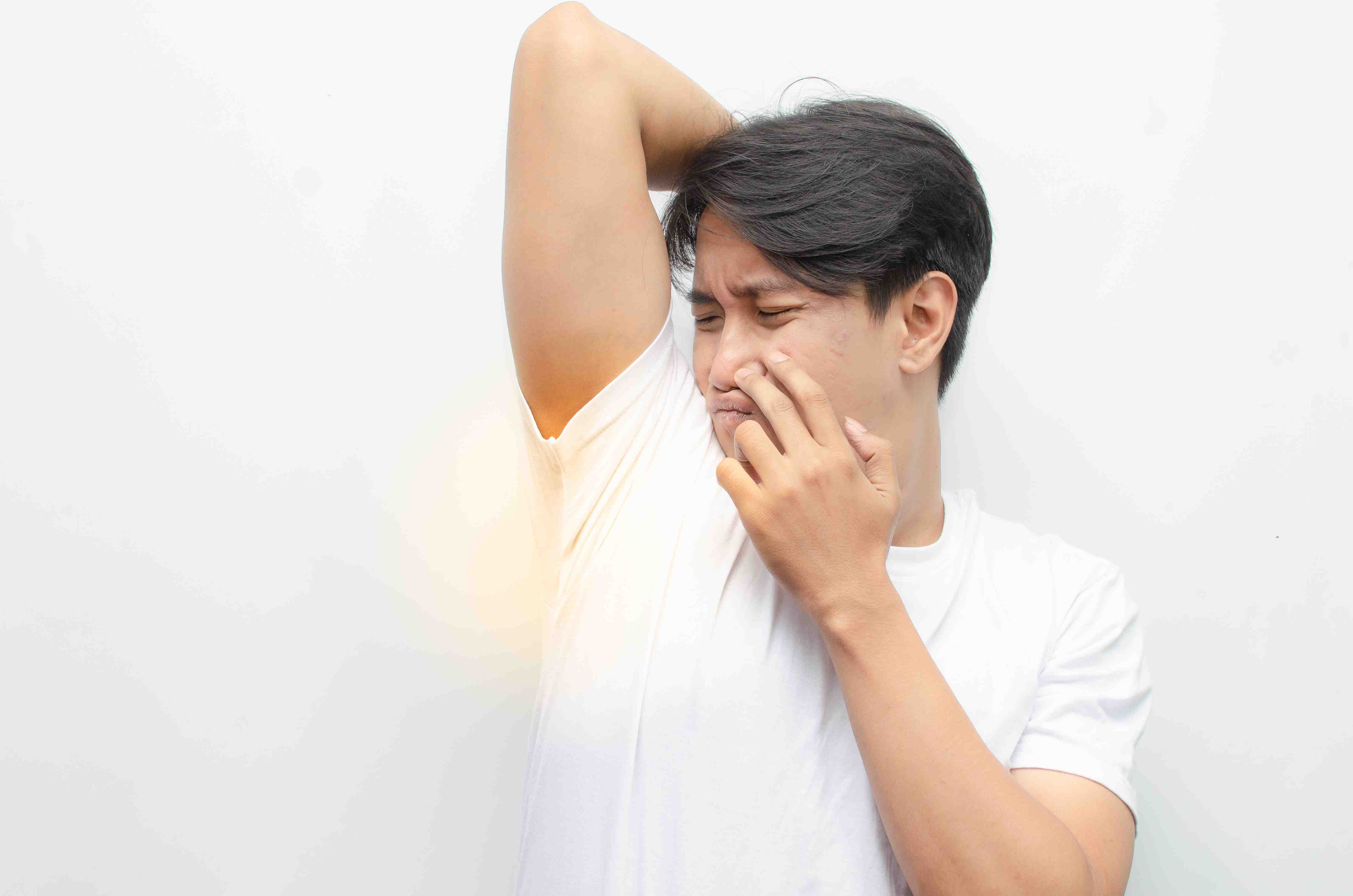
Understanding Excessive Sweating
Sweating is a natural bodily function that helps regulate temperature. However, excessive sweating (hyperhidrosis) or foul-smelling sweat (bromhidrosis) can cause discomfort, social anxiety, and embarrassment. Common areas include underarms, palms, soles, back, and groin. Dermatological interventions can help manage both the quantity and odour of sweat effectively.
Excessive sweating (hyperhidrosis) and foul-smelling sweat (bromhidrosis) are distinct conditions that frequently overlap, causing both physical discomfort and real social anxiety. Primary hyperhidrosis affects the palms, soles, underarms, and face due to overactive eccrine glands driven by sympathetic nerve overactivity — independent of heat or exercise. Bromhidrosis develops when apocrine gland secretions in the axillae and groin are broken down by skin bacteria, producing volatile fatty acids and thioalcohols with a strong odour.
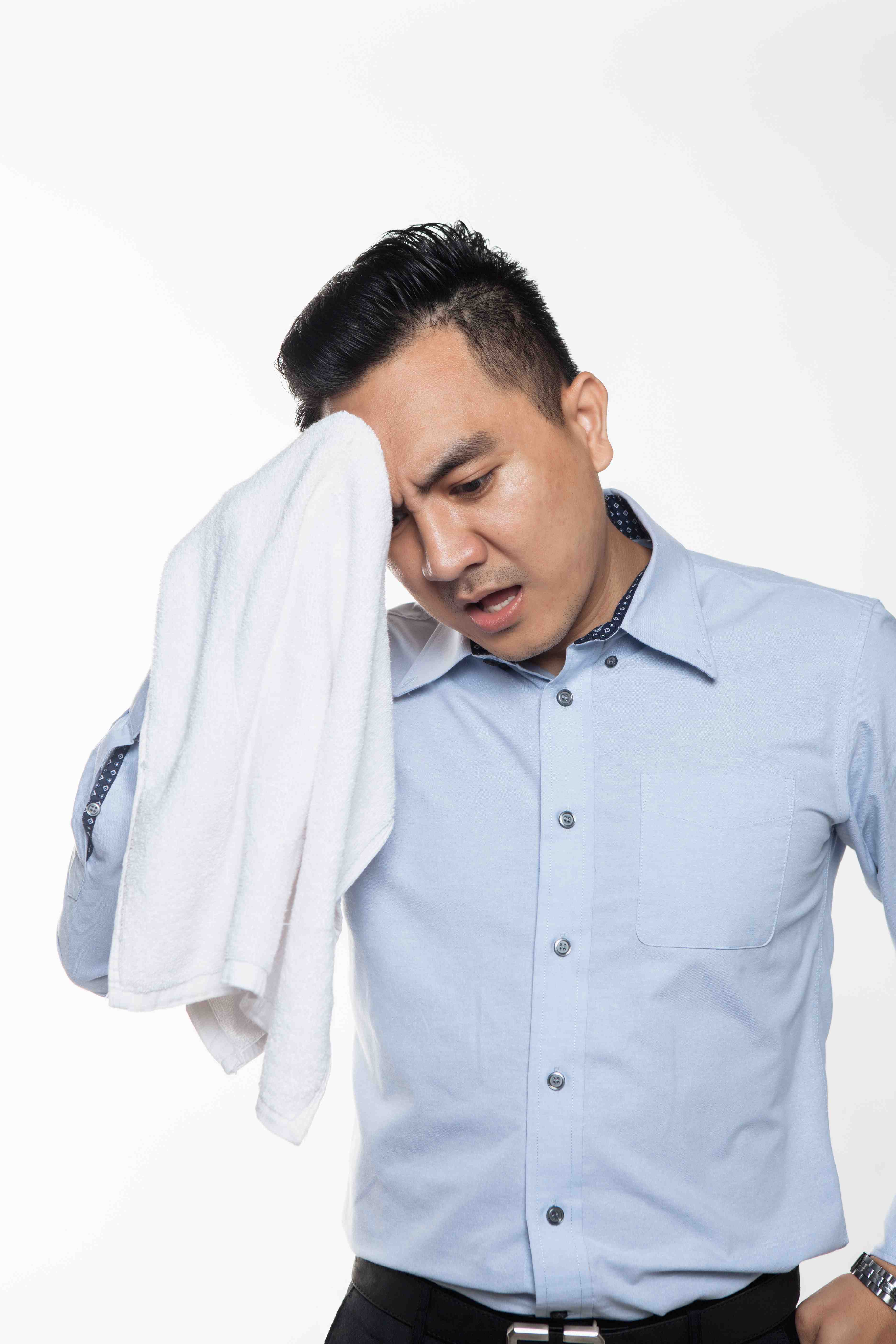
Treatment Options for Sweat and Odour Control

Untreated hyperhidrosis or bromhidrosis affects every part of daily life — from handshakes and keyboard use to clothing choices and social confidence. Professional treatment at Claire Derma delivers measurable sweat reduction that over-the-counter products cannot approach. Botulinum toxin injections, for instance, reduce sweat production by an average of 87 percent in clinical trials.
Treatment Options for Foul and Excessive Sweats
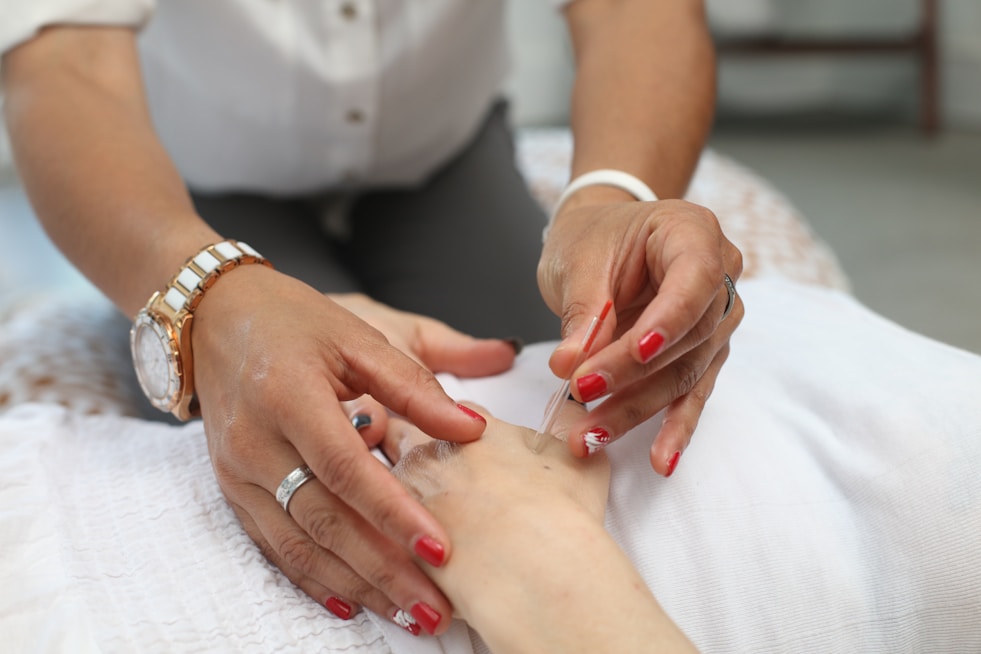
Neurotoxin Injections
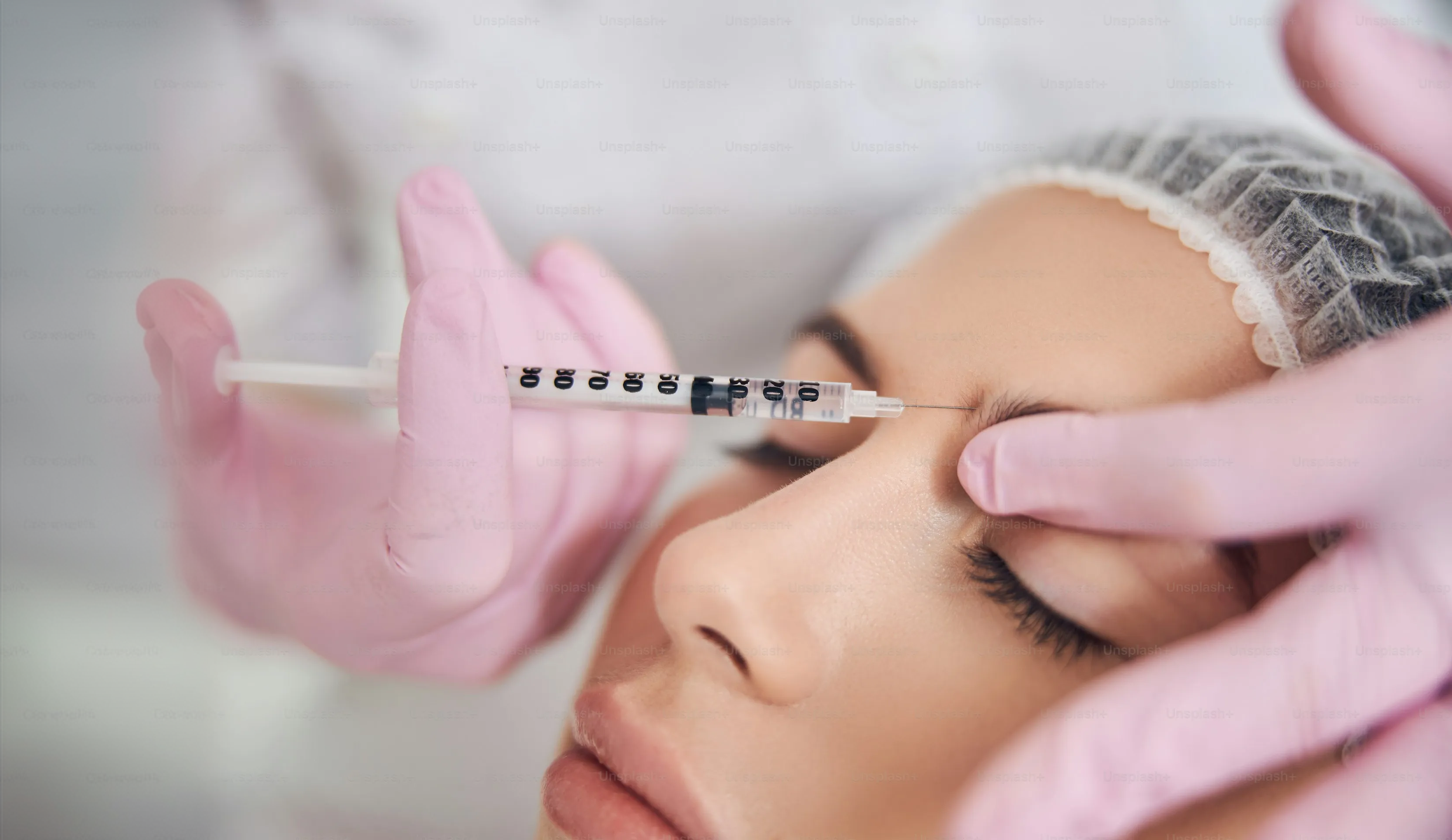
Neurotoxin injected into the sweat glands blocks the nerve signals that trigger excessive sweating. It is highly effective for the underarms, palms, and forehead, and results last several months.
Diagnostic Assessment
Excessive sweating can sometimes signal an underlying condition. A thorough assessment rules out hormonal or neurological causes and helps determine the most appropriate treatment path.
Body Polishing
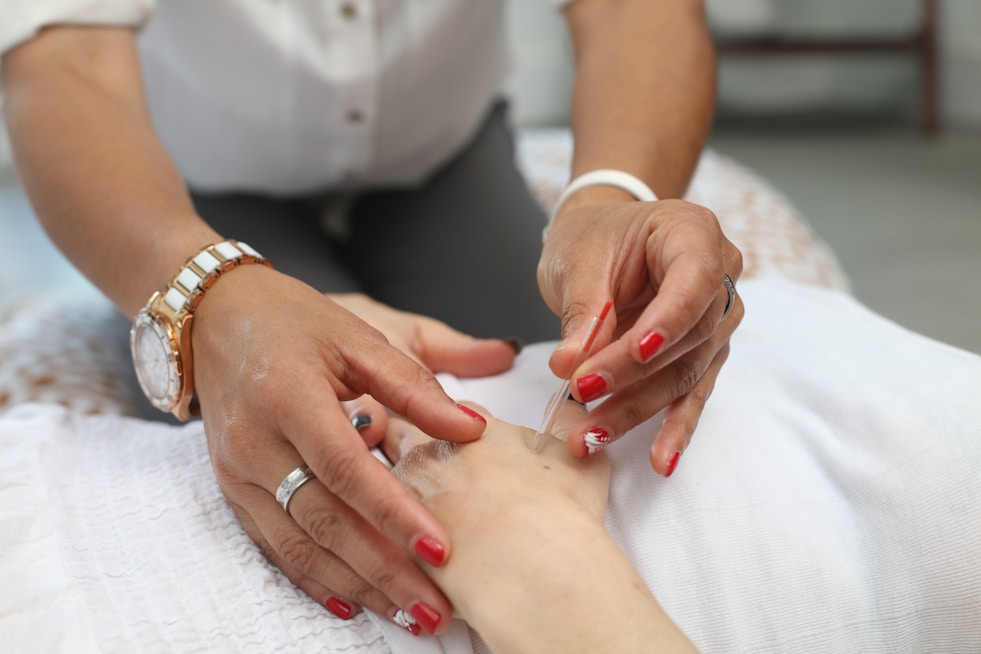
Body polishing clears blocked pores in areas prone to excessive sweating, reducing odour-causing bacteria. It keeps the skin fresh and helps antiperspirant products work more effectively.
Who Should Seek Treatment?
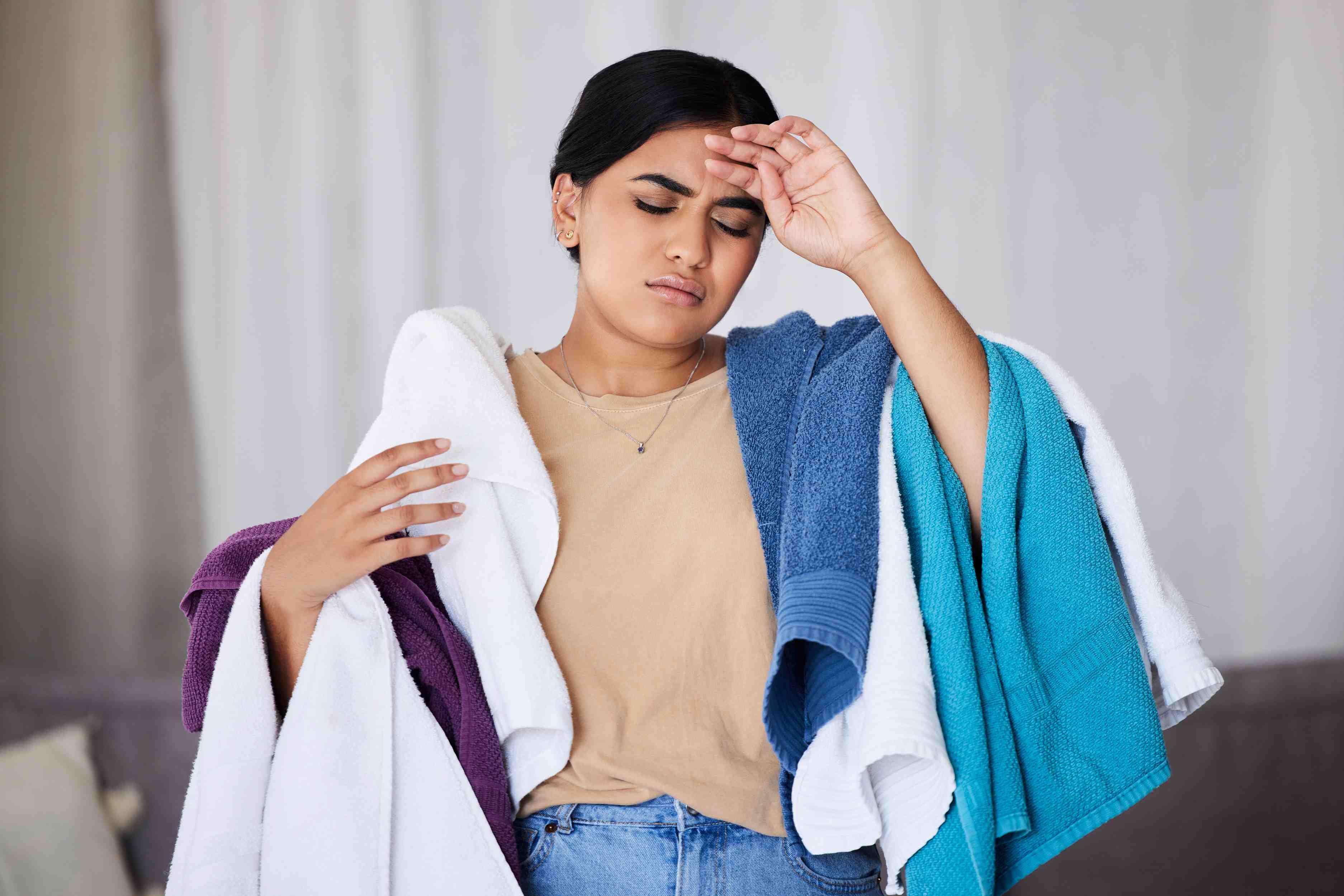
Individuals experiencing persistent sweat patches, visible dripping, or unpleasant odour despite good hygiene should consult a dermatologist. People whose professional or personal life is affected by this condition are ideal candidates for targeted treatment.
Hyperhidrosis typically begins during adolescence or early adulthood, though onset at any age should prompt evaluation for secondary causes. The condition affects men and women equally and has no association with poor hygiene — a misconception that causes unnecessary shame. Bromhidrosis is most common after puberty when apocrine glands become active and is influenced by individual bacterial flora, genetics, and dietary factors. Both conditions are medically recognised, clinically treatable, and covered under dermatological care.
Treatment Flow
01
Clinical Evaluation
Doctor examines sweat patterns and odour causes through medical history and physical assessment. Your dermatologist takes a detailed history of your sweating pattern — onset age, affected areas, triggers, family history, and impact on daily activities. A starch-iodine test may be performed to visualise sweat distribution and density.
02
Treatment Planning
Depending on severity, options like Botox, radiofrequency, or antiperspirants are discussed. For botulinum toxin sessions, the treatment area is cleaned and a starch-iodine map is applied to identify the highest-output zones for precise injection placement. Topical anaesthetic cream or ice packs are offered for comfort, particularly for palmar injections.
03
Procedure Execution
In-office treatments are done in 30–45 mins with minimal discomfort and no downtime. Botulinum toxin is injected intradermally at 1 to 2 cm intervals across the mapped treatment area using a fine-gauge needle. The session takes 20 to 30 minutes for bilateral axillae.
04
Follow-up & Maintenance
Results are monitored over weeks. Maintenance may include repeat sessions or daily routines. A follow-up at two weeks after botulinum toxin assesses the degree of sweat reduction and identifies any areas that need touch-up injections. The starch-iodine test may be repeated to objectively confirm improvement.
Expected Results & Recovery
Got Questions?We've Got Answers
Find answers to the most common questions about our treatments, procedures, and recovery process. If you can't find what you're looking for, our support team is always here to help.
Some treatments like radiofrequency offer long-term results. Others like Botox may need repetition every 6–9 months.
Yes. Treatments are safe when performed by trained dermatologists and tailored to sensitive areas.
Avoiding spicy food, caffeine, and wearing breathable clothes may reduce triggers, but medical treatment is often required.
Mild redness, dryness, or temporary weakness (in case of palm injections) may occur but are generally short-lived.
Most patients need 1–2 sessions depending on the procedure, with periodic follow-ups for sustained relief.
Hyperhidrosis is a recognised medical condition caused by overactive sweat glands, not by poor hygiene. Primary hyperhidrosis has a genetic basis, with sympathetic nerve overactivity driving glands to produce sweat far beyond what thermoregulation requires. People with this condition may sweat four to five times more than normal, regardless of temperature or activity.
Most patients experience significant sweat reduction for six to nine months after a single botulinum toxin session, though some report effects lasting up to twelve months. The duration varies based on the dose administered, the treated area, and individual metabolism of the toxin.
Certain foods do influence body odour through metabolic byproducts excreted in sweat. Cruciferous vegetables, garlic, onions, spicy foods, and alcohol can intensify odour in susceptible individuals. Red meat consumption has also been linked to stronger body odour in some studies.
Compensatory sweating — increased sweating in untreated areas — is primarily associated with surgical sympathectomy, not with botulinum toxin or iontophoresis. These non-surgical treatments target the glands locally without disrupting the sympathetic nerve chain, so the risk of compensatory sweating is minimal. When botulinum toxin wears off, sweating returns to its previous level in the treated area but does not increase elsewhere.
Start Your Personalized Skincare Plan
At ClairéDerma, we believe that healthy, radiant skinis the foundation of confidence and well-being. Ledby Dr. Mohna Chauhan, our clinic offers personalized dermatological care tailored to each patient's unique needs. With over a decade ofexperience and more than 3000 successfully treated patients,