
Rosacea
Calm and Control Facial Redness with Targeted Care
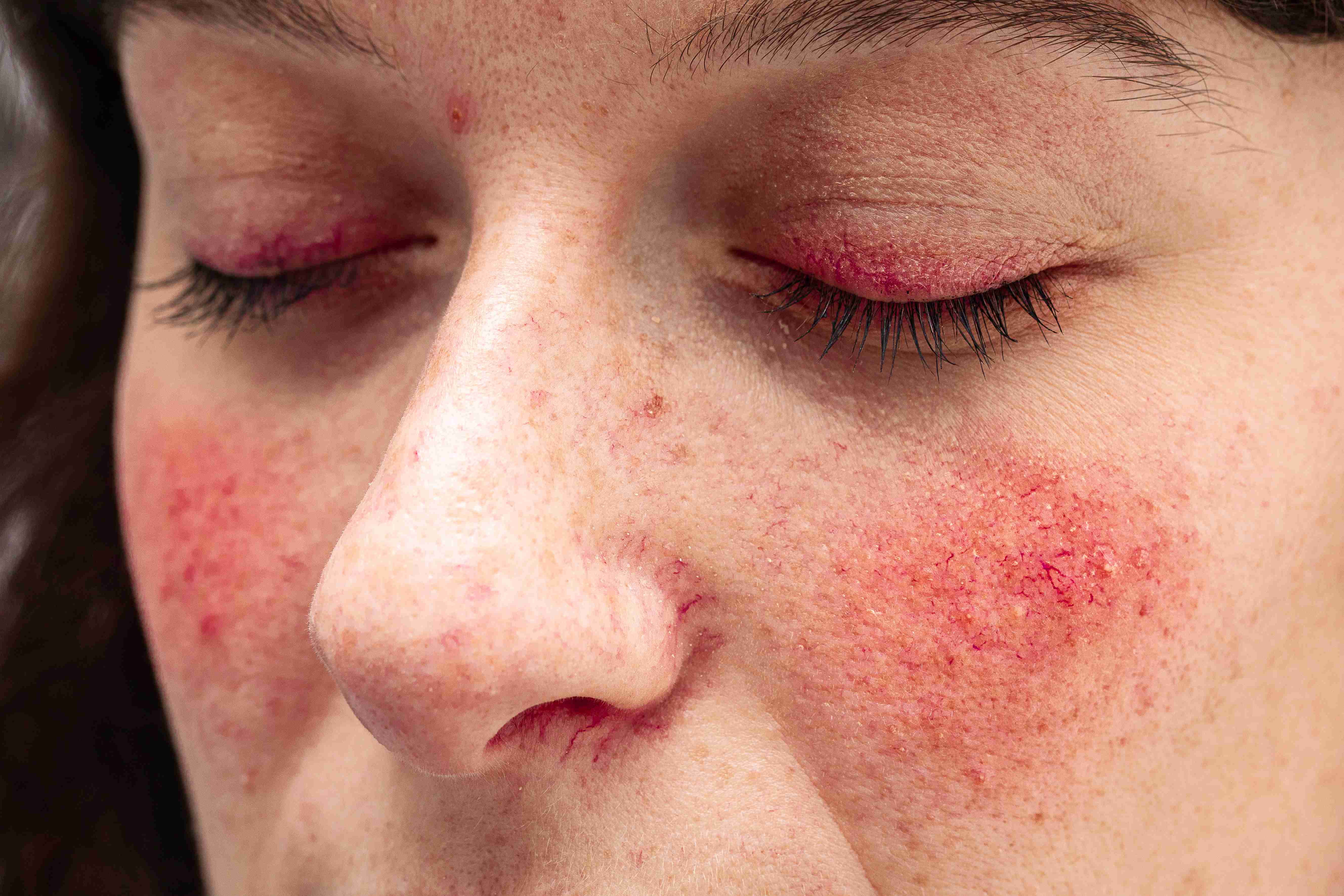
What is Rosacea?
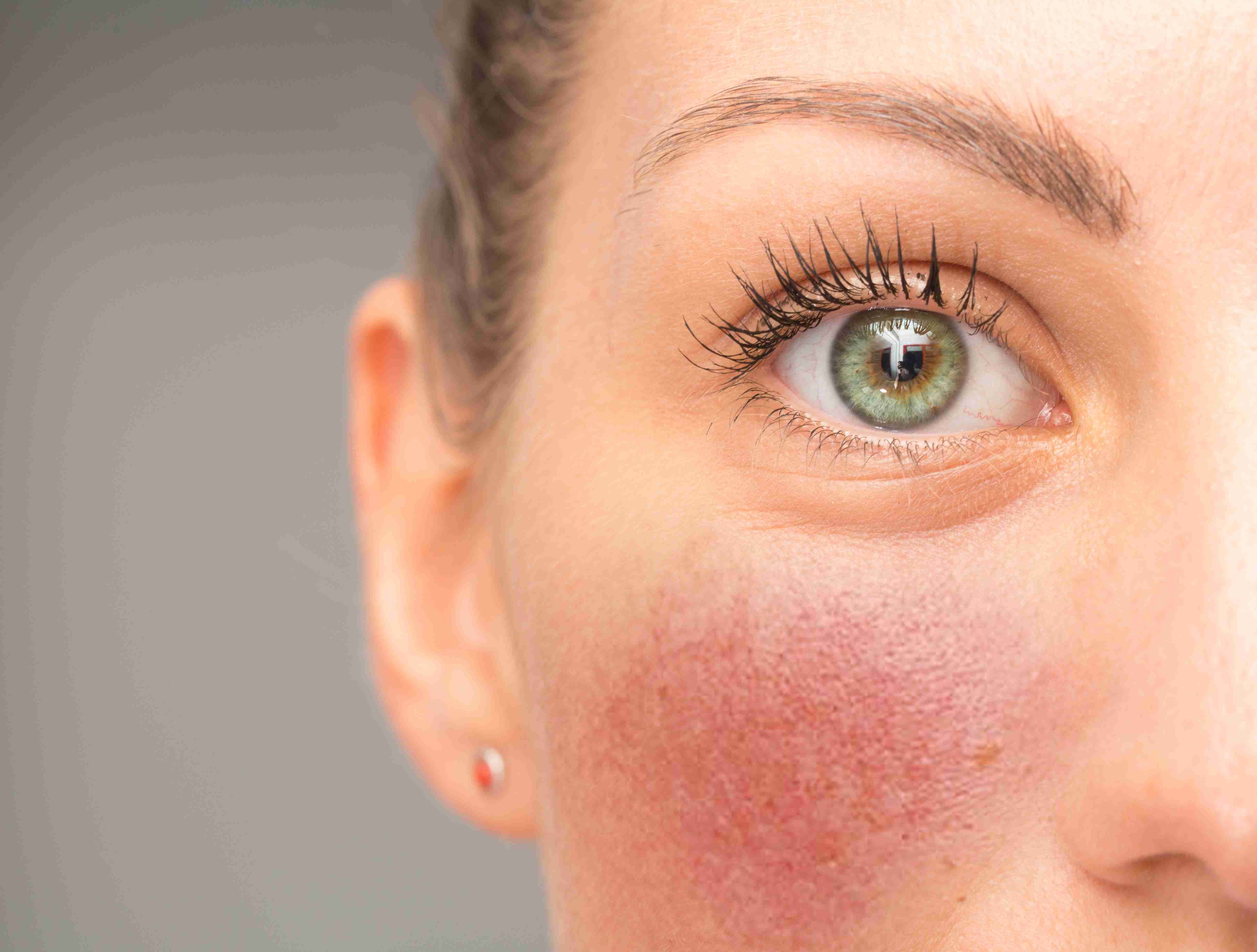
Rosacea is a chronic skin condition that primarily affects the face, causing redness, visible blood vessels, and sometimes small, red, pus-filled bumps. It often begins with a tendency to blush or flush more easily than others. Over time, the redness may become more persistent, especially on the cheeks, nose, chin, or forehead. Although not harmful, rosacea can impact self-esteem and confidence if left untreated.
Rosacea flares are often tied to a disrupted skin barrier and an overactive immune response in the facial blood vessels. Triggers vary widely between patients — sun exposure, spicy food, alcohol, stress, and even certain skincare ingredients like fragrance or alcohol-based toners can set off a flare.
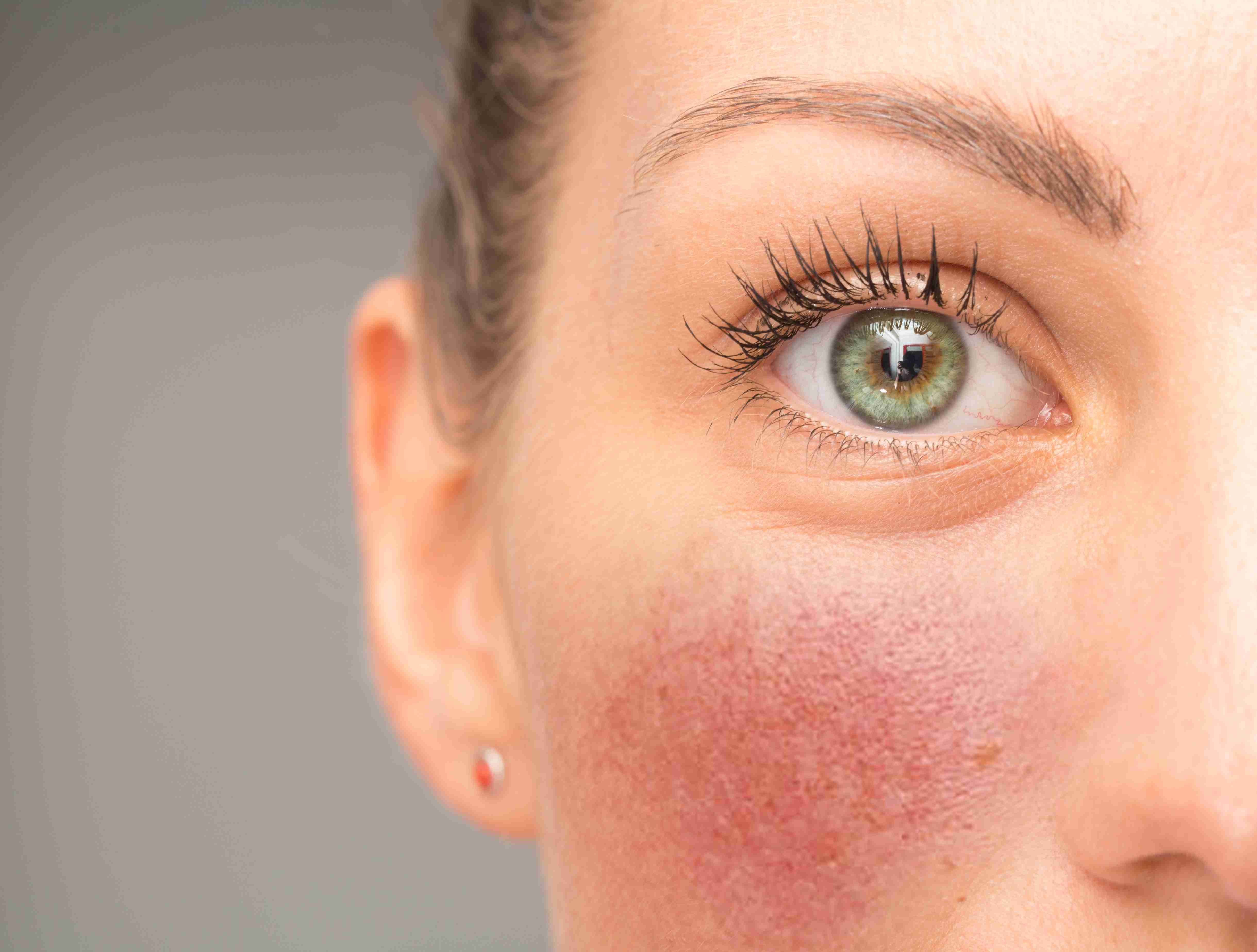
Why Treat Rosacea Professionally?

Managing rosacea under dermatologist supervision means fewer wasted months on products that don't suit your subtype. Professional-grade treatments like vascular lasers and prescription topicals reach a level of efficacy that over-the-counter options simply cannot match.
Treatment Options for Rosacea
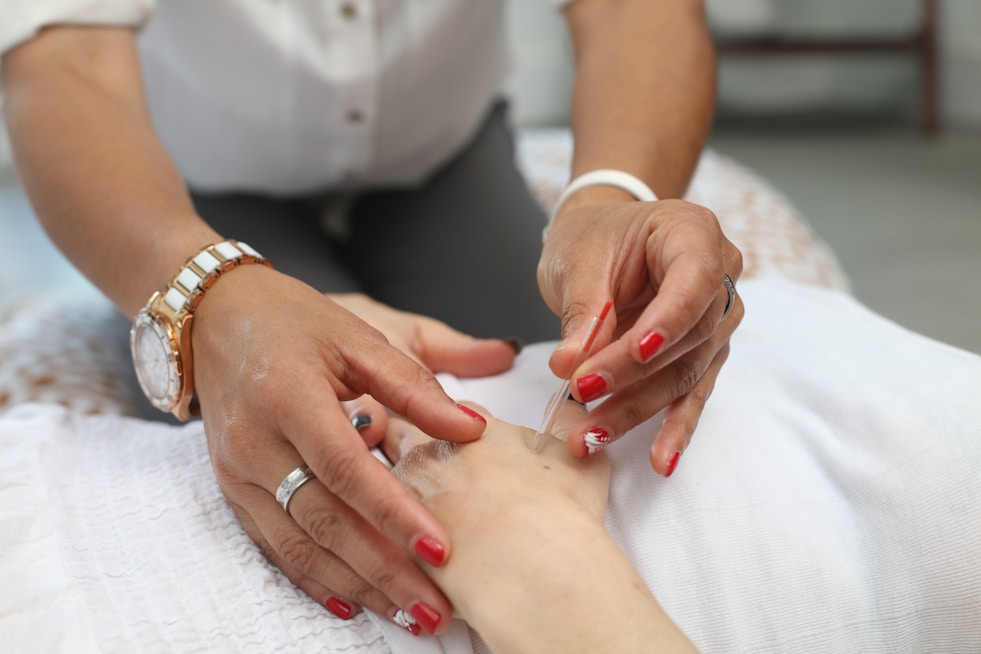
Laser Treatments
Laser therapy targets the visible blood vessels and redness that come with rosacea. It calms the flushing and reduces the persistent redness without irritating already sensitive skin.
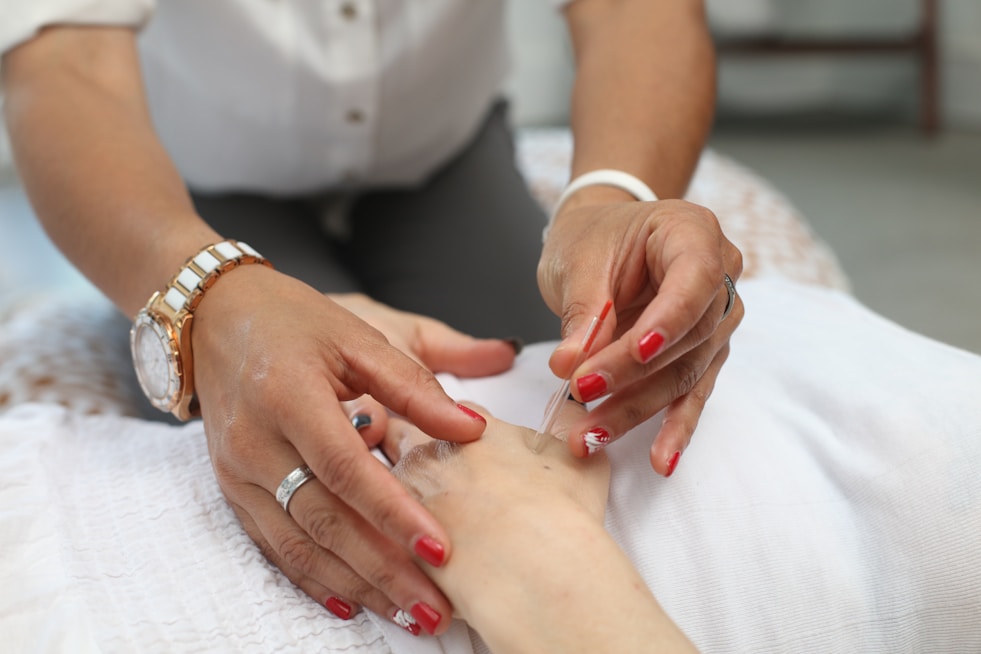
High Intensity Treatment
High-intensity light therapy reduces the redness and broken capillaries that define rosacea. The treatment is adjusted to your skin's sensitivity level to avoid triggering a flare.
Skin Brightening Treatments
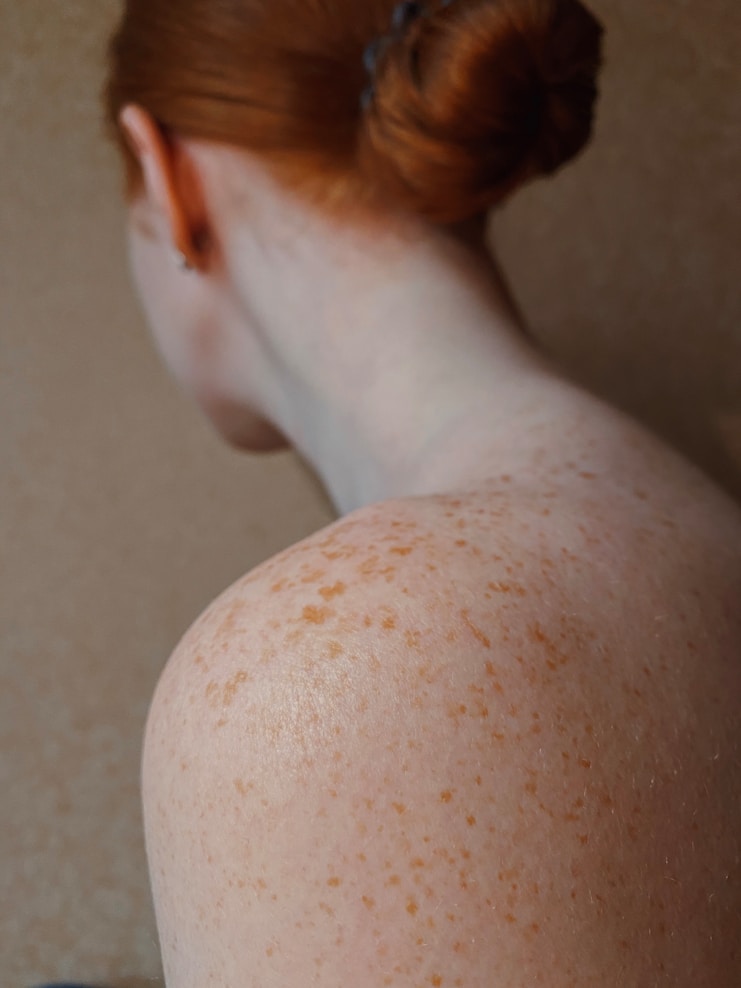
Gentle brightening protocols calm the reddish discolouration of rosacea and even out the blotchy patches. These treatments use soothing formulations that will not aggravate the condition.
Who Should Seek Help?
If you experience persistent facial redness, visible vessels, or frequent flare-ups, consulting a dermatologist is recommended. Early intervention can prevent the condition from worsening.
Rosacea most commonly affects adults between the ages of 30 and 50, with fair-skinned individuals of Northern European descent at the highest risk. Women are diagnosed more often, though men tend to develop more severe forms, including rhinophyma. A family history of rosacea significantly increases your likelihood of developing the condition. Other risk factors include a history of frequent sunburns, chronic stress, and regular consumption of vasodilating substances like alcohol and hot beverages.
Treatment Journey
01
Diagnosis & Skin Analysis
Comprehensive evaluation of skin and symptom history. During your rosacea consultation at Claire Derma, our dermatologist examines your skin under magnification to identify your specific subtype and assess vascular damage. We review your trigger history, current skincare products, and any prior treatments.
02
Customized Treatment Plan
A combination of medication, laser, and skin care is prescribed. Before starting active treatment, we may ask you to simplify your skincare routine to a gentle cleanser and fragrance-free moisturizer for one to two weeks. This reset phase helps reduce background irritation so we can accurately gauge how your skin responds to prescribed therapies.
03
In-Clinic Sessions
IPL or gentle facials are conducted as needed. Your treatment plan may include prescription topicals like ivermectin or azelaic acid, oral anti-inflammatories such as low-dose doxycycline, or in-clinic procedures like pulsed dye laser for visible blood vessels.
04
Ongoing Management
Patient education and home care to avoid triggers and maintain skin health. We schedule follow-up visits at four-week intervals initially, then extend to every three months once your rosacea stabilizes. At each visit, we compare updated photographs against your baseline, assess flare frequency, and adjust your regimen if needed.
Expected Results & Recovery
Got Questions?We've Got Answers
Find answers to the most common questions about our treatments, procedures, and recovery process. If you can't find what you're looking for, our support team is always here to help.
Rosacea is a chronic condition but can be managed very effectively with proper treatment and lifestyle adjustments.
While both cause redness and bumps, rosacea is distinct and requires different treatment than acne.
If untreated, rosacea can worsen over time. Early diagnosis and management help avoid progression.
Yes. IPL and vascular lasers are safe and highly effective in reducing visible vessels and redness.
Some products with alcohol, menthol, or fragrance may irritate rosacea-prone skin. Using gentle, rosacea-safe products is key.
While rosacea primarily affects the central face — cheeks, nose, forehead, and chin — it can occasionally appear on the neck, chest, scalp, and ears. Ocular rosacea involves the eyes and eyelids, causing dryness, irritation, and visible blood vessels along the lid margin. These less common presentations are sometimes missed because patients and even some doctors don't associate them with rosacea.
Not necessarily. Many patients use active treatment for three to four months to bring rosacea under control, then transition to a maintenance phase with milder topicals and a tailored skincare routine. Some patients can eventually step down to skincare management alone, while others benefit from periodic short courses of medication during seasonal flare-ups.
Most patients describe pulsed dye laser treatment as feeling like a rubber band snapping against the skin — uncomfortable but tolerable. Sessions last fifteen to twenty minutes, and you may experience mild redness or light bruising for two to five days afterward. There is no real downtime; most patients return to normal activities the same day.
Certain foods and drinks are well-documented rosacea triggers, including spicy dishes, hot beverages, alcohol (especially red wine), and foods high in histamine like aged cheese and fermented products. That said, triggers are highly individual — what causes a flare for one patient may be perfectly fine for another.
Start Your Personalized Skincare Plan
At ClairéDerma, we believe that healthy, radiant skinis the foundation of confidence and well-being. Ledby Dr. Mohna Chauhan, our clinic offers personalized dermatological care tailored to each patient's unique needs. With over a decade ofexperience and more than 3000 successfully treated patients,