
Freckles
Safe, Non-Invasive Treatments for Even-Toned Skin

What Are Freckles?
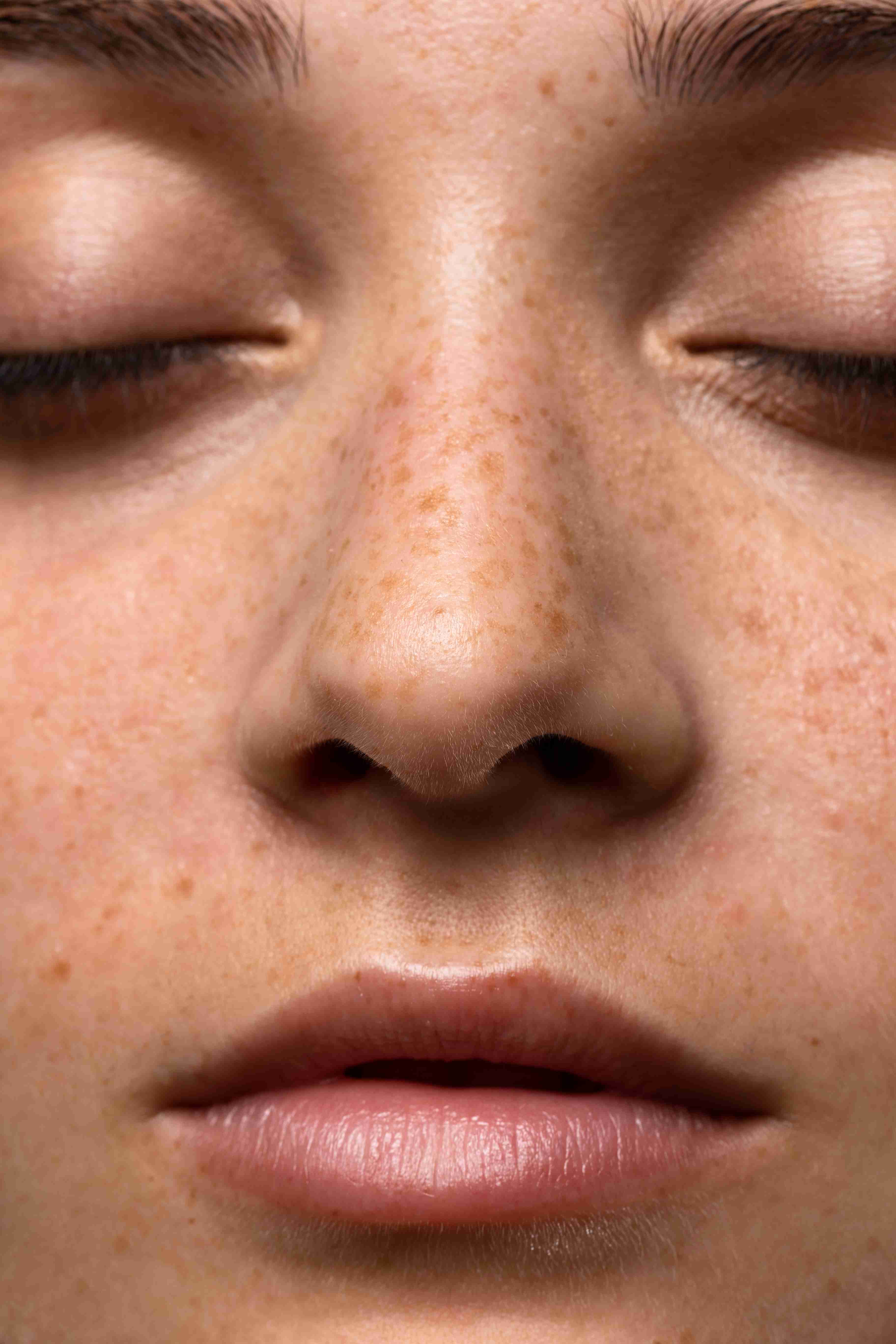
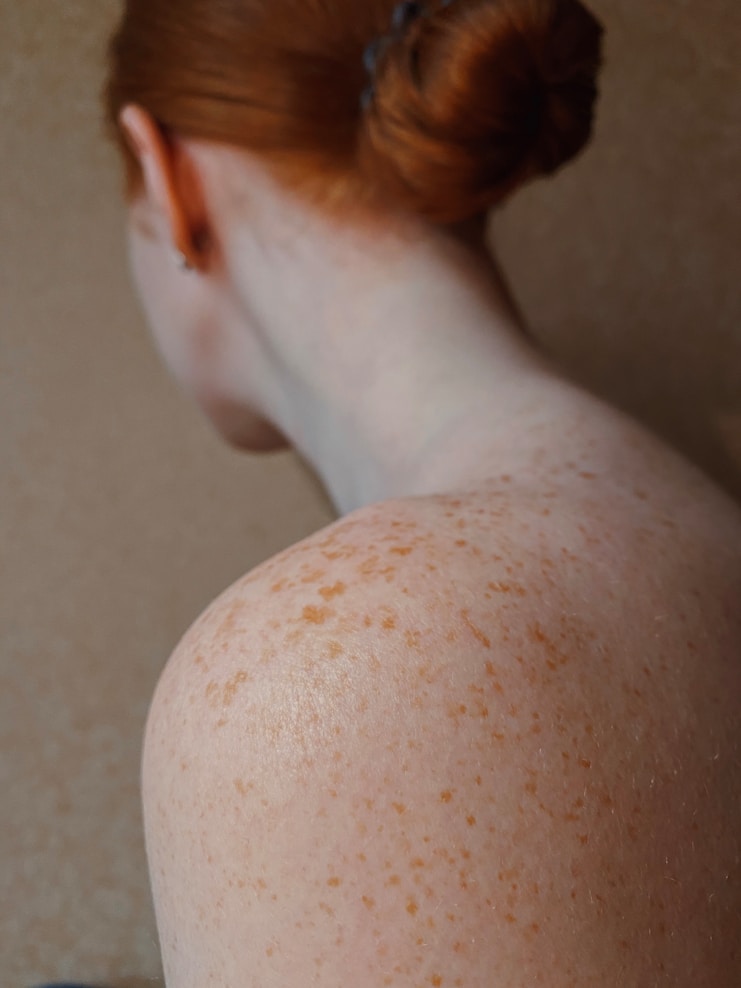
Freckles are small, flat, tan or light brown spots on the skin that are usually more prominent on sun-exposed areas like the face, shoulders, and arms. They form due to an increase in melanin production and are especially common in individuals with lighter skin tones. Freckles are benign, but many choose to lighten or remove them for cosmetic reasons.
Freckles — clinically known as ephelides — are small, concentrated clusters of melanin triggered by UV exposure in genetically predisposed individuals. The MC1R gene variant is the main driver: people carrying one or more copies produce pheomelanin rather than eumelanin, resulting in lighter skin that responds to sunlight by forming focal pigment spots instead of an even tan. Freckles are harmless, and many people embrace them.
Why Choose Professional Freckle Removal?

Professional freckle treatment delivers results that topical products cannot match in speed or uniformity. Vitamin C serums and alpha arbutin creams can mildly lighten freckles over months of consistent use, but they only work on the most superficial pigment and cannot reach denser melanin deposits.
Treatment Options for Freckles
Laser Treatments
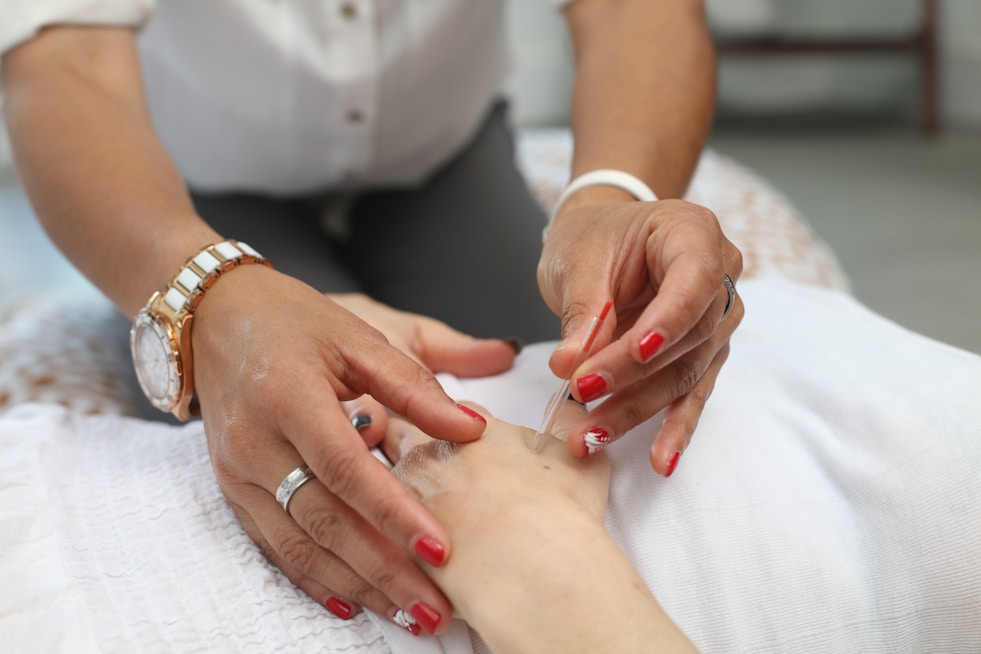
Short pulses of laser light target the melanin in each freckle, breaking it down so the body can clear it away. Most people see a visible difference after just one or two sessions.
Chemical Peels
Superficial peels lift the pigmented top layer where freckles sit, revealing fresher skin underneath. Regular sessions keep freckles from darkening again with sun exposure.
Skin Brightening Treatments
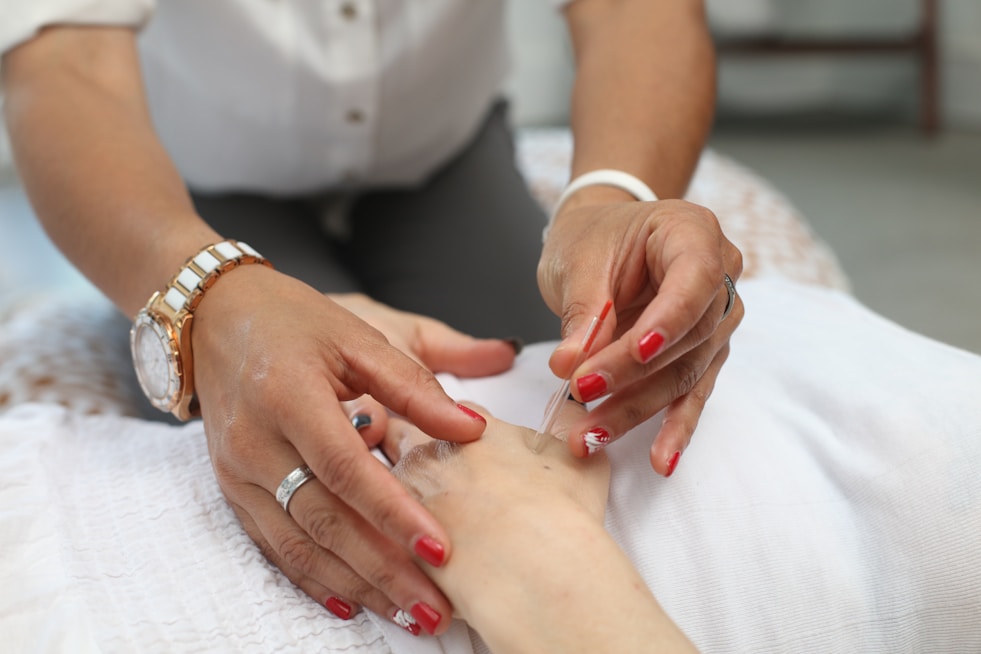
Professional brightening treatments lighten scattered freckles and bring a more uniform tone to the skin. They work well as a follow-up after laser or peel sessions.

Ideal Candidates
Freckle treatment is ideal for individuals seeking to reduce the appearance of sun spots and achieve a more uniform skin tone. A consultation helps determine suitability based on skin type and pigmentation depth.
Freckles are most common in people with fair skin, red or blonde hair, and light eyes — traits linked to MC1R gene variants that reduce eumelanin production. But freckling also appears in olive and medium skin tones, particularly with significant childhood sun exposure. Geography matters too: populations at higher altitudes or closer to the equator deal with greater UV intensity, which accelerates freckle formation. Family history is the strongest predictor.
Treatment Steps
01
Assessment & Counseling
Skin analysis and discussion of expected outcomes. Our dermatologist examines your freckles alongside all other pigmented lesions using dermoscopy and clinical assessment. We classify each spot — ephelides, solar lentigines, or other — and evaluate your overall photodamage level. Baseline photography captures your current skin tone under standardised lighting.
02
Procedure Session
The selected procedure is performed, typically within 30–60 minutes. For laser or IPL treatments, preparation typically involves avoiding direct sun exposure for two weeks beforehand and discontinuing photosensitising products or medications. Patients with darker skin tones may start a short course of topical depigmenting agents to reduce post-treatment hyperpigmentation risk.
03
Post-Treatment Care
Hydrating serums and sunscreen are applied; redness usually subsides quickly. During the session, a cooling gel is applied and your eyes are protected with shields. The laser or IPL handpiece delivers calibrated light pulses across the treatment area — each pulse feels like a brief, warm snap.
04
Follow-up
Subsequent sessions may be recommended for optimal results. A review appointment is scheduled two to three weeks after treatment to assess initial clearing and determine whether additional sessions are needed. We photograph results under the same standardised conditions as your baseline for accurate comparison. Most patients need one to three sessions total.
Expected Results & Recovery
Got Questions?We've Got Answers
Find answers to the most common questions about our treatments, procedures, and recovery process. If you can't find what you're looking for, our support team is always here to help.
Freckles may fade with age or in winter, but treatment can speed up removal.
Yes, modern Q-switched lasers are safe and effective when performed by professionals.
Freckles may reappear with sun exposure, so SPF use is essential post-treatment.
Downtime is minimal, with only temporary redness or flaking in some cases.
1–3 sessions are generally sufficient depending on freckle density and skin type.
Freckles can recur with continued UV exposure because the melanocytes responsible for producing them remain in your skin — laser treatment removes the pigment, not the cells. Patients who maintain strict sun protection with SPF 50, wear hats, and limit direct sun exposure see much longer-lasting results.
Most patients describe laser and IPL freckle treatments as mildly uncomfortable rather than painful — the sensation is often compared to a rubber band snapping against the skin. Each pulse lasts a fraction of a second. A cooling device or chilled gel is applied throughout to minimise discomfort. Topical numbing cream can be applied 30 minutes before treatment for patients with lower pain tolerance.
Freckle treatment works on virtually any body area. At Claire Derma, we regularly treat freckles on the shoulders, upper chest, forearms, and back — areas that accumulate significant sun exposure over a lifetime. Body skin may require slightly different laser parameters compared to facial skin due to differences in thickness and melanin density. We adjust settings accordingly during your session.
True freckles are flat, evenly coloured, small (under five millimetres), and have smooth borders. Warning signs include spots that are asymmetrical, have irregular or notched borders, show multiple colours within a single lesion, are larger than six millimetres, or are changing in size, shape, or colour over time. If any pigmented spot on your skin meets these criteria, schedule an evaluation with a dermatologist.
Start Your Personalized Skincare Plan
At ClairéDerma, we believe that healthy, radiant skinis the foundation of confidence and well-being. Ledby Dr. Mohna Chauhan, our clinic offers personalized dermatological care tailored to each patient's unique needs. With over a decade ofexperience and more than 3000 successfully treated patients,