
Acne Scars
Restore Smooth, Clear Skin with Advanced Scar Treatments

What Are Acne Scars?
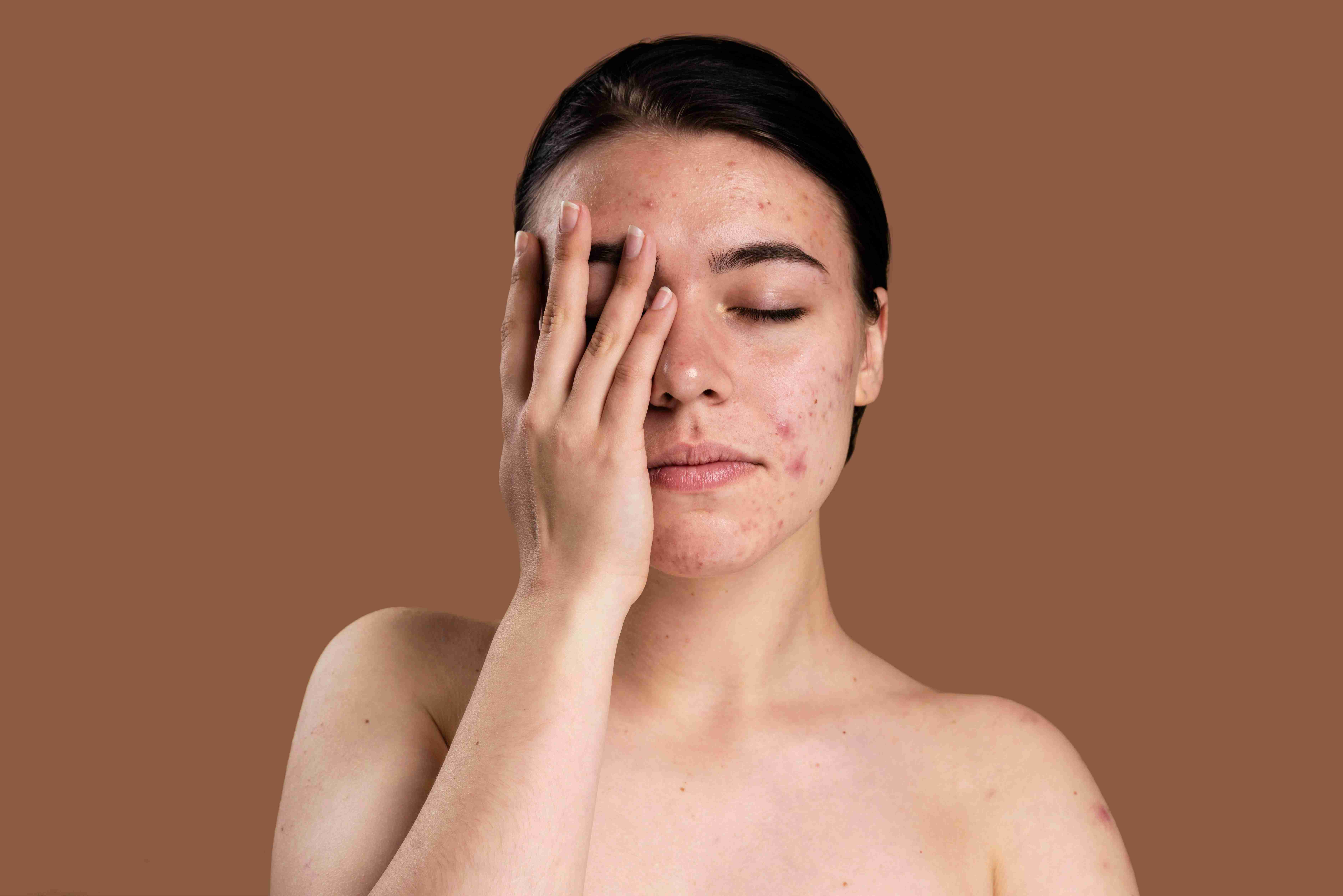
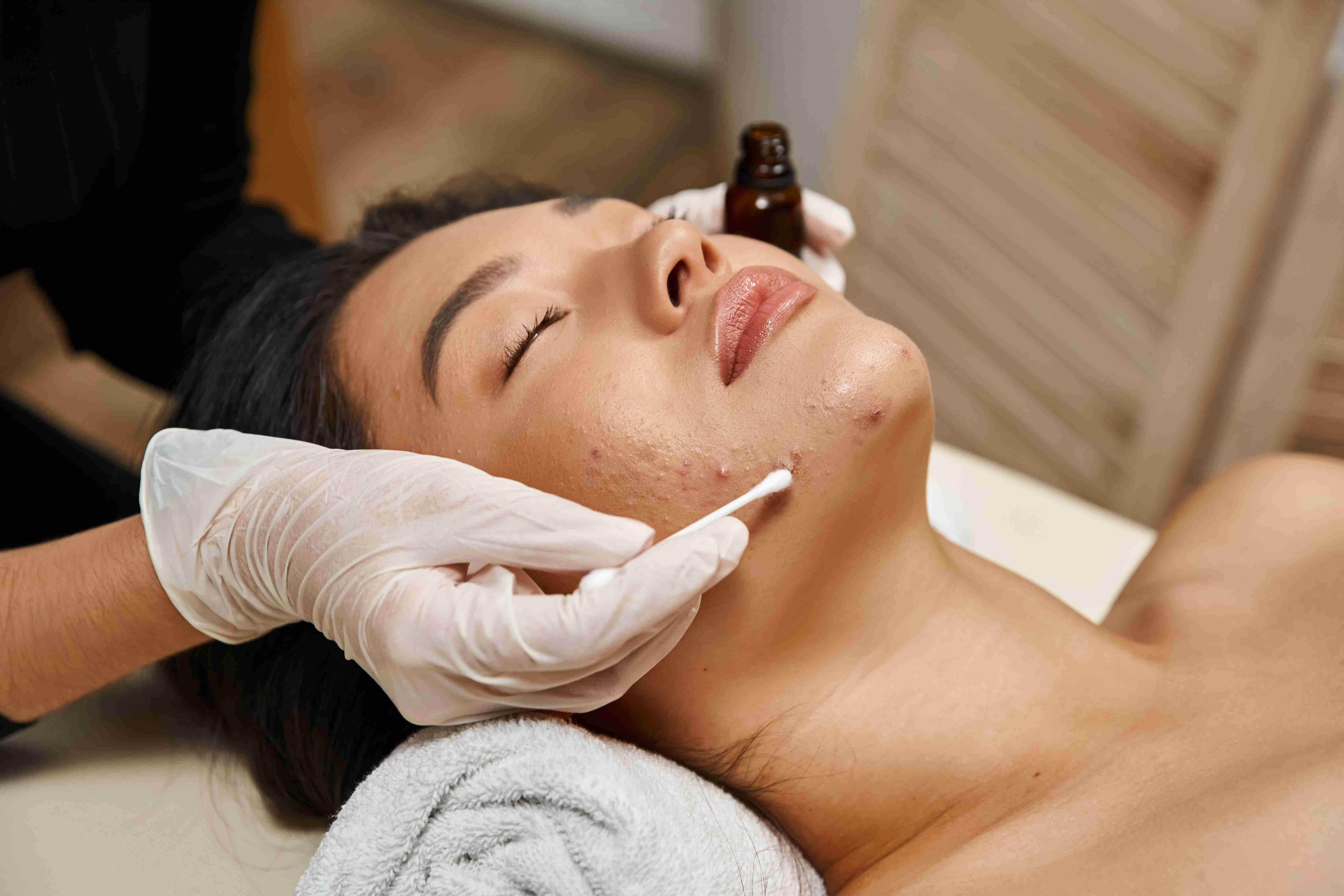
Acne scars are the result of inflamed blemishes caused by skin pores engorged with excess oil, dead skin cells, and bacteria. When the pore swells and breaks the follicle wall, deep scars can form as the skin heals. These scars may appear as depressions (atrophic), raised (hypertrophic), or pigmented marks. Timely and effective treatment is essential to restore skin smoothness and boost confidence.
Acne scars form when the skin's repair process goes wrong during or after a severe breakout. Inflammatory acne — cysts, nodules, and deep papules — damages collagen fibres in the dermis. When the body produces too little collagen during healing, atrophic scars like ice picks and boxcars develop. When it overproduces collagen, raised hypertrophic or keloid scars form.
Why Choose Professional Scar Treatment?

Over-the-counter scar creams and serums can improve surface texture and tone to a degree, but they cannot reach the dermal layer where structural scar tissue sits. Professional treatment accesses that deeper architecture — breaking fibrous bands, stimulating new collagen frameworks, and resurfacing damaged tissue with controlled precision.
Treatment Options for Acne Scars
Microneedling
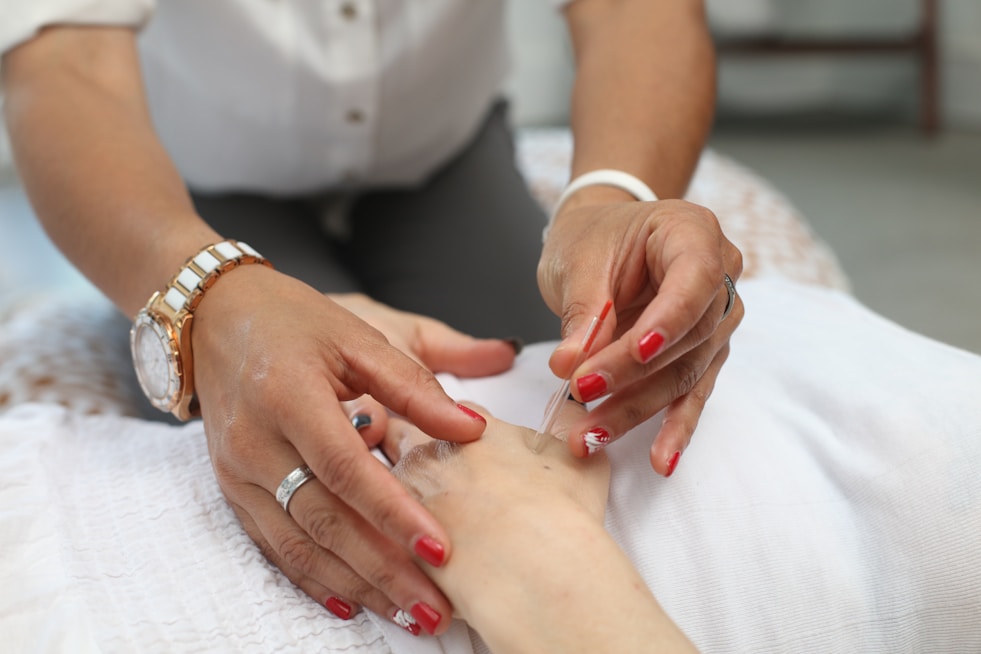
Microneedling triggers a fresh wave of collagen right where scar tissue sits. Over time, shallow and boxcar scars fill in and the skin surface evens out gradually.
Chemical Peels
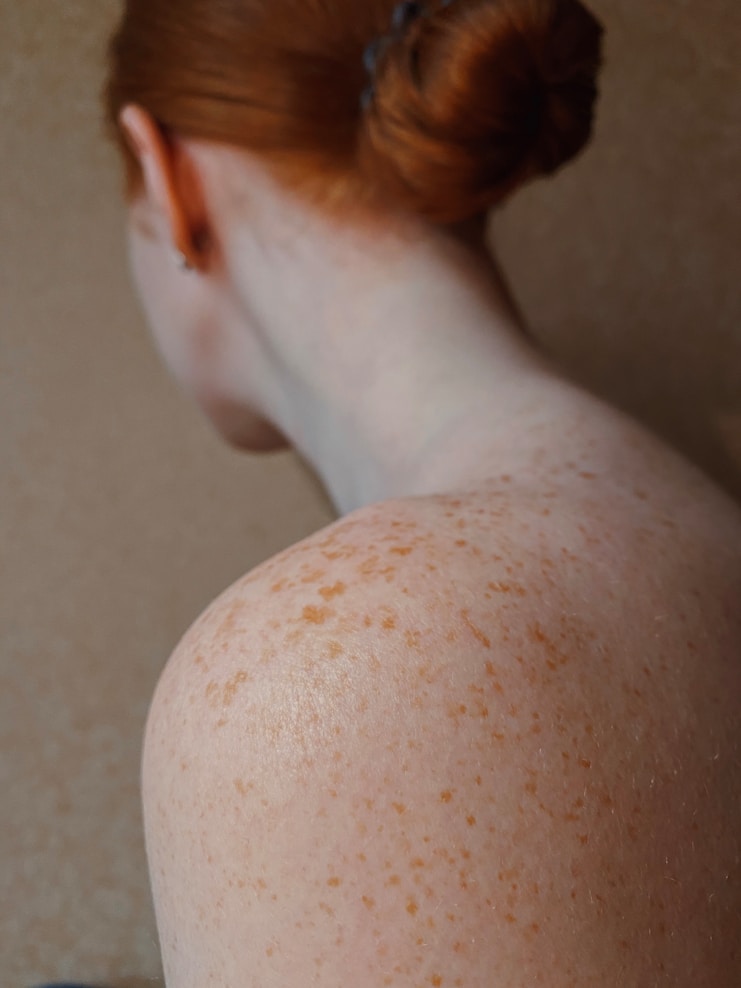
Controlled exfoliation peels away damaged upper layers and encourages new, smoother skin to replace the scarred tissue. Deeper peels can reach below the surface for more pronounced scars.
Collagen Remodelling
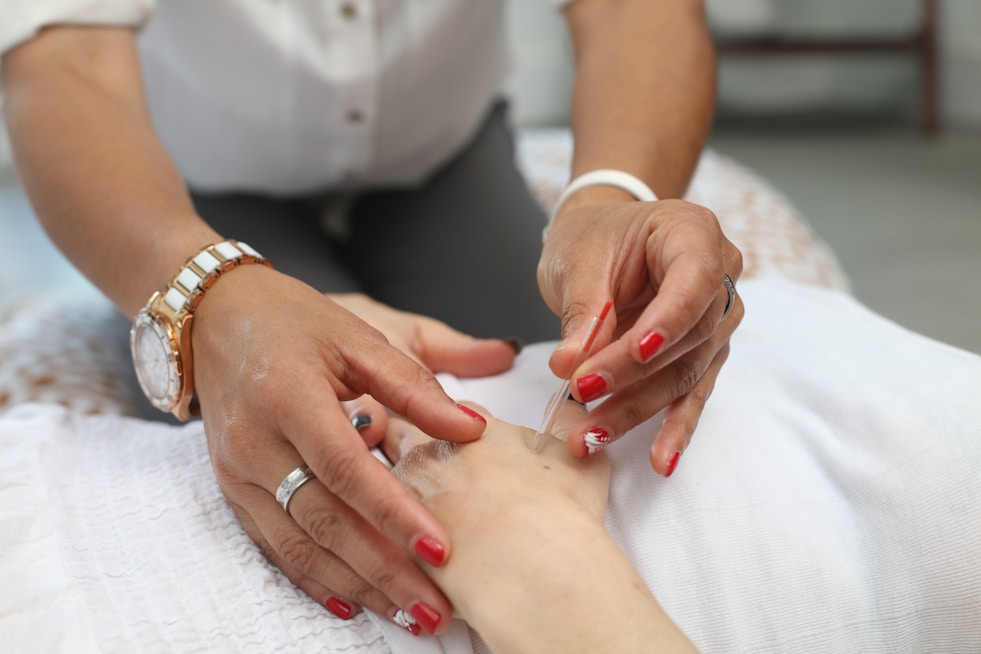
This treatment rebuilds the skin's support structure from within, filling in depressed acne scars by boosting collagen production at the dermis level. Results build gradually over weeks.
Who Is It For?
Acne scar removal treatments are suitable for individuals of all skin types who have visible scarring from past acne outbreaks. Consultation is recommended to evaluate the best method for your skin condition.
Acne scarring affects people across all age groups, but the severity and type often correlate with specific risk factors. Delayed acne treatment is the single biggest predictor — the longer inflammatory acne remains active, the more collagen damage accumulates. Genetics play a strong role too: patients with a family history of keloids or poor wound healing are more prone to pronounced scarring even from moderate acne.
Procedure Overview
01
Skin Consultation
The dermatologist evaluates scar type and discusses treatment goals. Our dermatologist maps every scar on your face using cross-polarised and angled lighting photography. Each scar is classified by type — ice pick, boxcar, rolling, hypertrophic — and depth. We review your acne history, current skin condition, previous treatments, and Fitzpatrick skin type.
02
Treatment Selection
Appropriate modality (laser, MNRF, peel, etc.) is chosen based on skin analysis. Depending on the planned procedures, preparation may include a topical retinoid regimen for two to four weeks to accelerate cell turnover and improve treatment response. Patients with active breakouts start acne control protocols first.
03
Treatment Session
The procedure is performed with precision tools under sterile conditions. Scar revision is delivered in staged sessions, each targeting specific scar types. A typical course involves four to eight sessions over three to six months — subcision and filler for rolling scars, TCA CROSS for ice picks, and RF microneedling or fractional laser for overall.
04
Aftercare Instructions
Post-treatment skincare and sun protection are essential to maintain results. Progress is documented with standardised photography at each follow-up, allowing side-by-side comparison against your baseline. Our dermatologist assesses collagen remodelling — which continues for three to six months after the last session — and decides whether additional refinement treatments are warranted.

Expected Results & Recovery
Got Questions?We've Got Answers
Find answers to the most common questions about our treatments, procedures, and recovery process. If you can't find what you're looking for, our support team is always here to help.
Most patients see results in 3–6 sessions depending on scar severity.
Most treatments are well-tolerated with numbing cream or cooling devices.
Yes, scar remodeling is long-lasting. Maintenance may be needed for pigmentation.
Most scars can be significantly improved, though extremely deep scars may require combination therapy.
Downtime depends on the treatment—usually 1–5 days with mild redness or flaking.
Most patients notice visible texture improvement after three to four sessions, with optimal results developing over six to eight sessions spaced three to six weeks apart. The exact number depends on scar type and severity — shallow rolling scars may respond faster than deep ice pick scars.
Active acne needs to be controlled before starting scar revision, because ongoing inflammation can worsen existing scars and create new ones during treatment. At Claire Derma, we often begin with an acne management phase — topical prescriptions, in-clinic treatments, or both — to stabilise your skin. Once breakouts are consistently under control for at least four to six weeks, we transition into scar-focused procedures.
Yes, but device and technique selection matters significantly. Melanin-rich skin (Fitzpatrick types IV-VI) carries a higher risk of post-inflammatory hyperpigmentation from aggressive treatments. At Claire Derma, our dermatologists are experienced with South Asian skin and use validated approaches — RF microneedling, specific fractional laser wavelengths, controlled-depth peels, and subcision — at parameters calibrated for darker tones.
Downtime varies by procedure. Chemical peels and LED therapy involve little to no downtime — mild redness that resolves within hours. Microneedling and RF microneedling cause redness and mild swelling for one to three days. Fractional laser treatments may produce redness, pinpoint bleeding, and flaking for three to seven days. Subcision can cause localised bruising lasting five to ten days.
Start Your Personalized Skincare Plan
At ClairéDerma, we believe that healthy, radiant skinis the foundation of confidence and well-being. Ledby Dr. Mohna Chauhan, our clinic offers personalized dermatological care tailored to each patient's unique needs. With over a decade ofexperience and more than 3000 successfully treated patients,