
Unwanted Tattoo
Erase Unwanted Tattoos Safely with Advanced Laser Technology

Understanding Tattoo Pigments and Removal
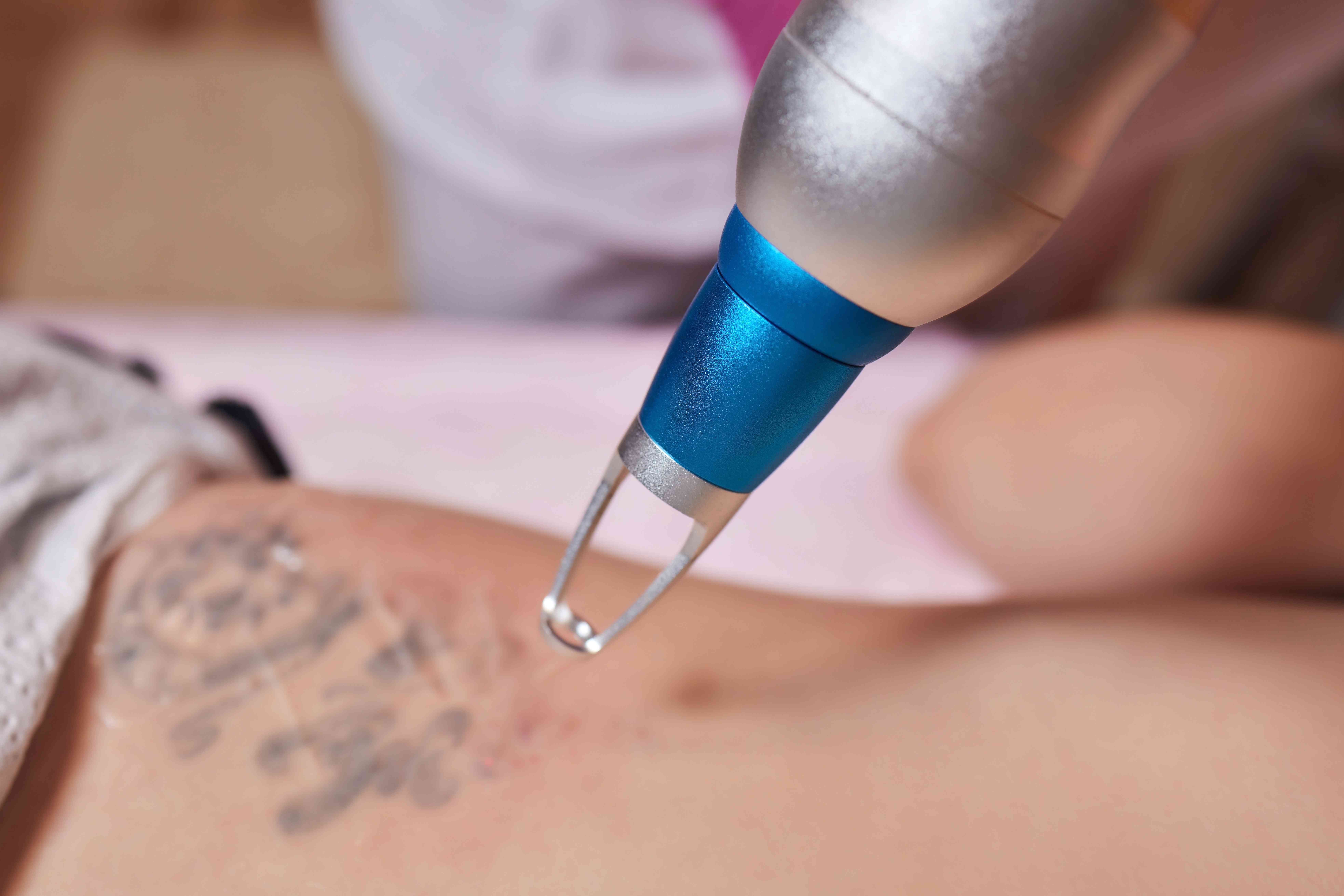
Tattoos are made by embedding ink particles into the dermal layer of the skin. While they may be permanent, modern dermatology offers effective laser treatments to break down these pigments. Laser tattoo removal works by targeting the ink with high-intensity light pulses that fragment it into smaller particles, which are gradually eliminated by the body’s immune system.
Tattoo removal has evolved significantly from the abrasive methods of the past. Modern Q-switched and picosecond lasers break down tattoo pigment into particles small enough for the body's immune system to clear naturally. The process depends on the tattoo's ink composition, depth, colour spectrum, and age — factors that determine how many sessions are needed and which laser wavelengths will be most effective.
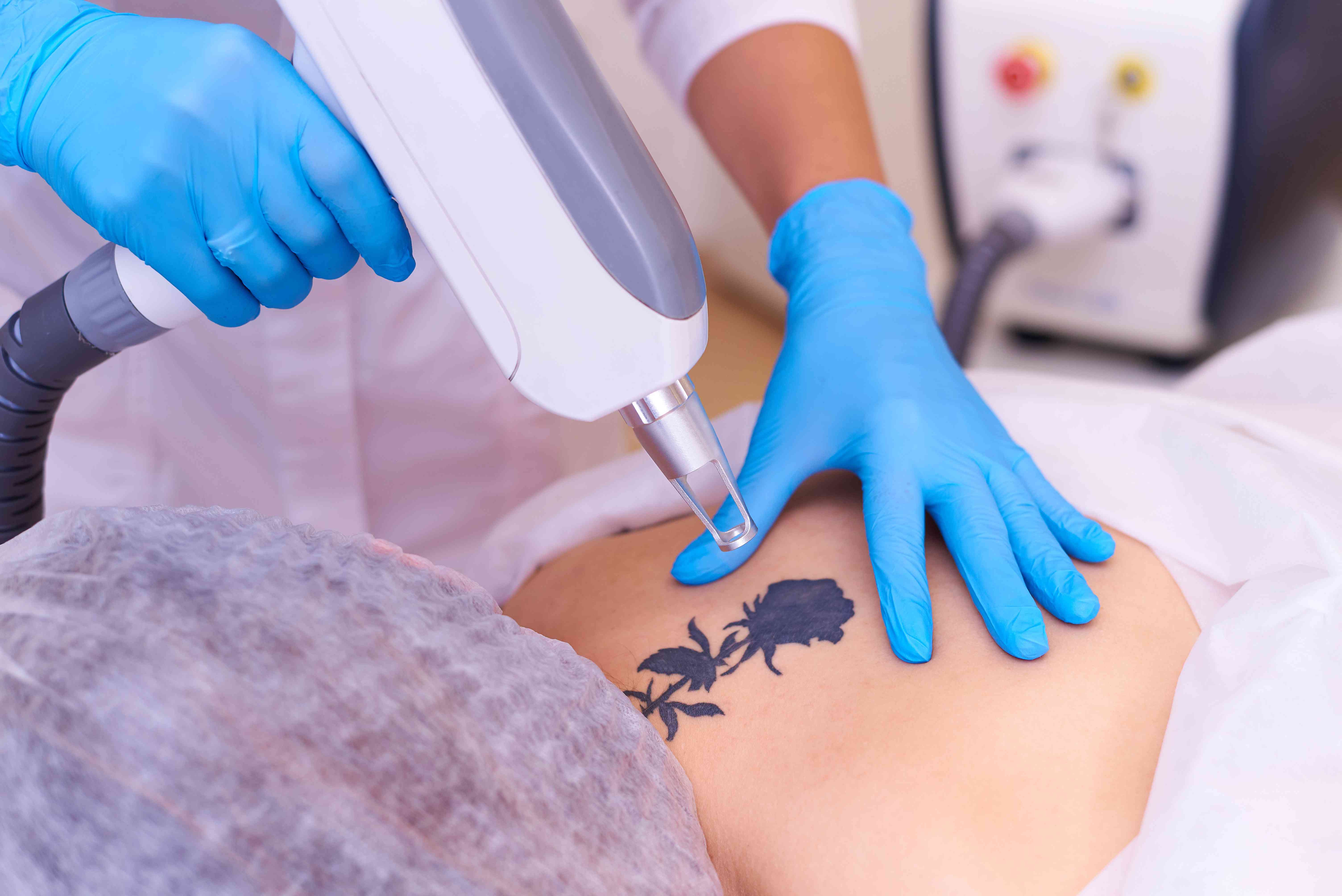
How Laser Tattoo Removal Works

Attempting tattoo removal outside a medical setting carries risks that are easily avoided with professional care. Unregulated tattoo removal services using acid-based solutions, dermabrasion devices, or poorly calibrated lasers frequently cause permanent scarring, keloid formation, and incomplete pigment removal that leaves ghosted outlines.
Treatment Options for Unwanted Tattoo
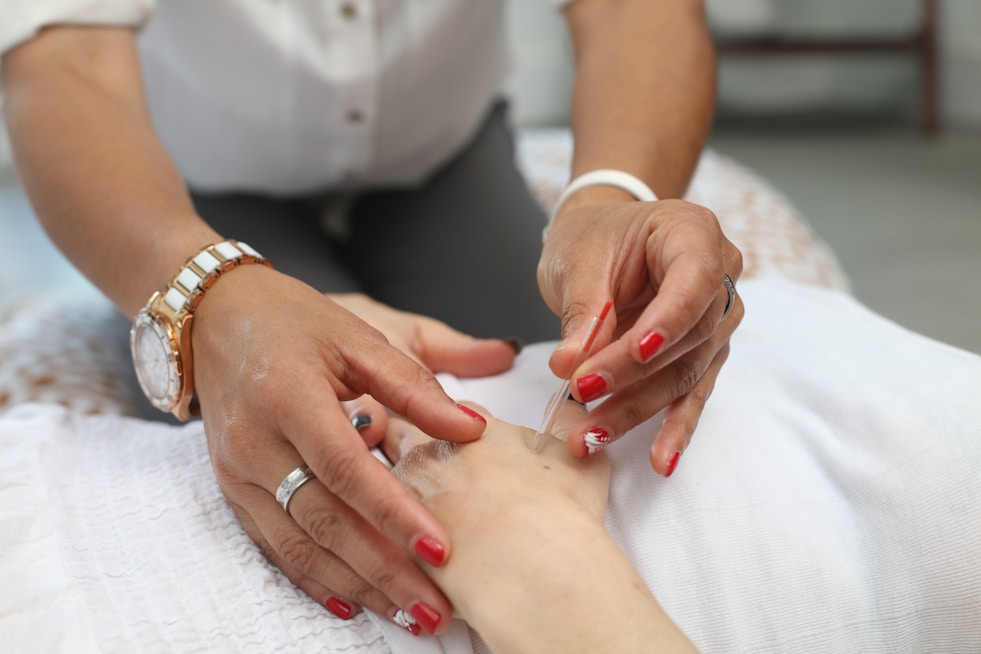
Laser Tattoo Removal
High-energy laser pulses break tattoo ink into tiny particles that your immune system clears away naturally. Different ink colours respond to different wavelengths, and we adjust for each one.
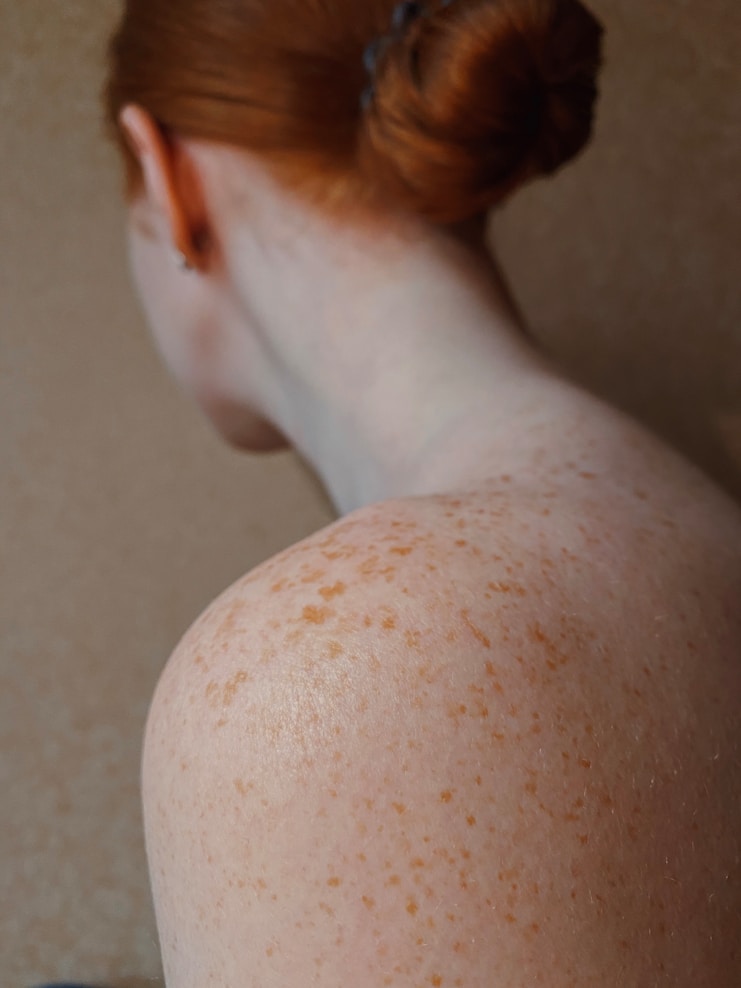
Skin Assessment
Before starting removal, we assess the tattoo's depth, ink types, and your skin tone to predict how many sessions you will need and what kind of results to expect.
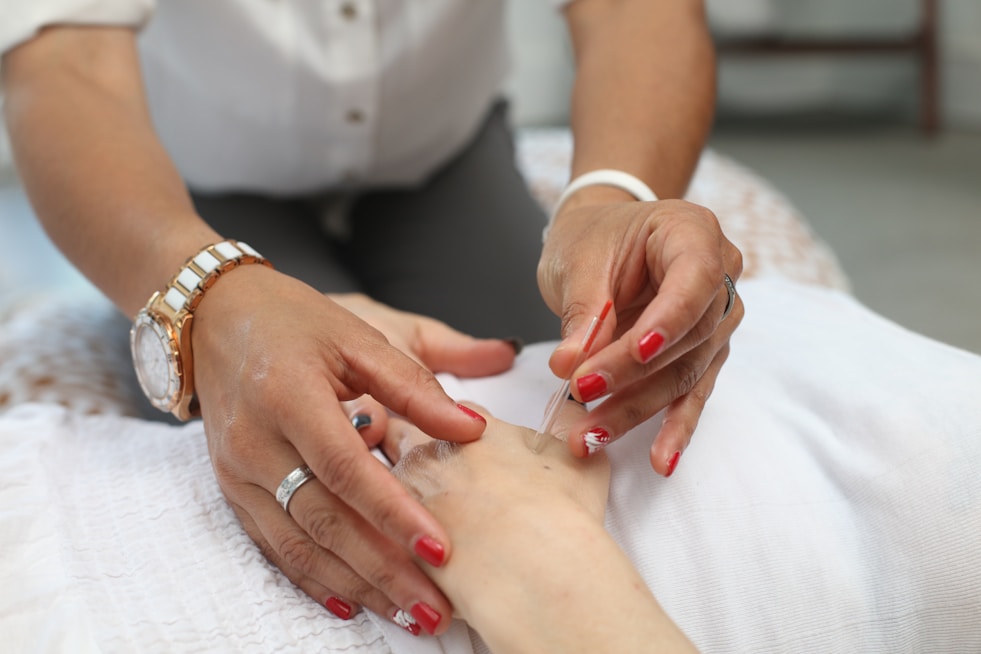
Scar Revision
If a tattoo has left textural scarring in the skin, scar revision can smooth out the area after the ink is removed. This gives the best possible cosmetic result.
Who is a Good Candidate?
Individuals with unwanted tattoos who are in good overall health, have realistic expectations, and are willing to commit to multiple sessions make ideal candidates. Darker inks like black and blue are usually easier to remove than lighter pigments like yellow or white.
Surveys estimate that roughly 25 percent of people with tattoos experience some degree of regret, and the tattoo removal market has grown steadily as laser technology has improved. Professional tattoos with dense, deeply placed ink require more sessions than amateur tattoos — typically eight to twelve versus four to six. Tattoo location also matters: areas with strong blood supply like the torso and upper arms clear faster than extremities with slower circulation.
Treatment Flow
01
Consultation & Assessment
Tattoo size, location, and ink colors are evaluated to plan the sessions. Your dermatologist photographs the tattoo under standardised lighting, assesses ink colours, estimates depth based on whether the tattoo is professional or amateur, and evaluates your skin type. We review your medical history for keloid tendency, photosensitising medications, and immune status.
02
Laser Session
A cooling gel or numbing cream is applied before using the laser to break up ink. A topical anaesthetic cream is applied to the tattoo area 30 to 45 minutes before the session. Patients are instructed to avoid sun exposure for two weeks prior and to keep the area clean and moisturised.
03
Healing Phase
The area may scab or flake for a few days. Proper aftercare ensures optimal healing. The laser is applied across the tattoo in systematic passes, with the appropriate wavelength selected for each colour present. You will see immediate whitening of the treated skin — a frosting reaction caused by gas bubble formation — that subsides within 20 minutes.
04
Next Session
After 4–6 weeks, the next session is performed to continue breaking down ink. Progress photographs are taken before each session and compared against baseline. We assess fading, check for adverse reactions, and adjust laser parameters as the remaining ink becomes less dense. After the final session, a follow-up at three months confirms maximum clearance.
Expected Results & Recovery
Got Questions?We've Got Answers
Find answers to the most common questions about our treatments, procedures, and recovery process. If you can't find what you're looking for, our support team is always here to help.
The procedure feels like a rubber band snap on the skin. Numbing cream is applied to reduce discomfort.
Most tattoos require 6–10 sessions depending on size, ink type, and skin tone.
Darker colors like black and navy respond best. Yellow, red, and green may need more sessions.
Minor scabbing, redness, or swelling is common but temporary. Scarring is rare with proper care.
Most tattoos can be removed 90–100% with consistent treatment, especially dark inks.
The number varies based on tattoo size, ink density, colours, and placement. Professional tattoos with saturated ink typically require 8 to 12 sessions, while amateur tattoos with less ink often clear in 4 to 6 sessions. Sessions are spaced six to eight weeks apart to allow the immune system to process fragmented ink between treatments.
When performed correctly with calibrated medical-grade lasers, the risk of scarring is low — under 5 percent in published studies. Most scarring associated with tattoo removal stems from overly aggressive treatment settings, non-medical devices, or poor aftercare. At Claire Derma, our conservative escalation approach — starting at lower energy and increasing based on skin tolerance — minimises thermal damage.
Black and dark blue are the most responsive colours and can be cleared almost completely in most patients. Red responds well to 532 nm wavelength treatment. Greens, light blues, and yellows are more resistant but respond to specific wavelengths — 694 nm or 755 nm for blues and greens, and picosecond technology for stubborn lighter colours.
Most patients describe the sensation as similar to a rubber band snapping against the skin — uncomfortable but tolerable, especially with the topical anaesthetic we apply beforehand. After treatment, the area may blister, swell, and feel sunburned for three to seven days. Scabbing is normal and should not be picked.
Start Your Personalized Skincare Plan
At ClairéDerma, we believe that healthy, radiant skinis the foundation of confidence and well-being. Ledby Dr. Mohna Chauhan, our clinic offers personalized dermatological care tailored to each patient's unique needs. With over a decade ofexperience and more than 3000 successfully treated patients,