Skin Tags
Safe and Effective Removal of Skin Tags

What Are Skin Tags?
Skin tags, also known as acrochordons, are small, soft, flesh-colored growths that typically hang off the skin. They are non-cancerous and often appear in areas where the skin folds, such as the neck, underarms, eyelids, or groin. Though harmless, many people choose to remove them for cosmetic reasons or due to irritation.
Skin tags develop when collagen fibres and blood vessels become trapped inside thicker patches of skin. They are most common in areas where skin folds rub against each other — the neck, underarms, groin folds, and beneath the breasts. Hormonal shifts during pregnancy, insulin resistance, and a genetic predisposition all raise the likelihood of developing them.
Treatment Options

Patients who choose professional removal at Claire Derma benefit from precision techniques that minimise scarring and reduce the chance of regrowth at the same site. Over-the-counter remedies and home tie-off methods often cause incomplete removal, infection, or pigmentation changes. Our clinic-based approach delivers clean, predictable results in a single visit for most patients.
Treatment Options for Skin Tags
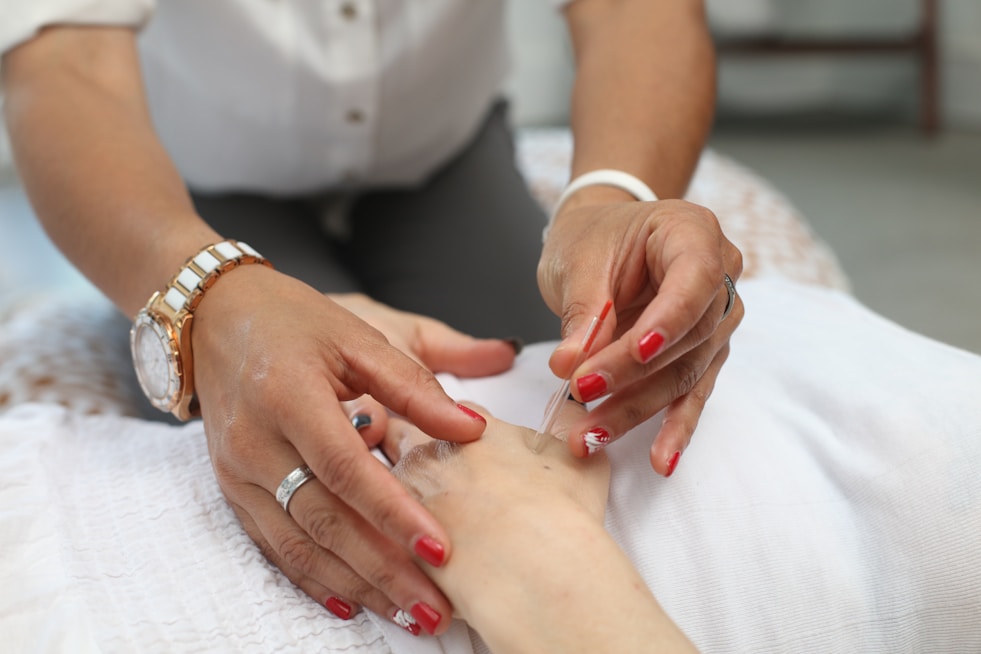
Skin Tag Excision
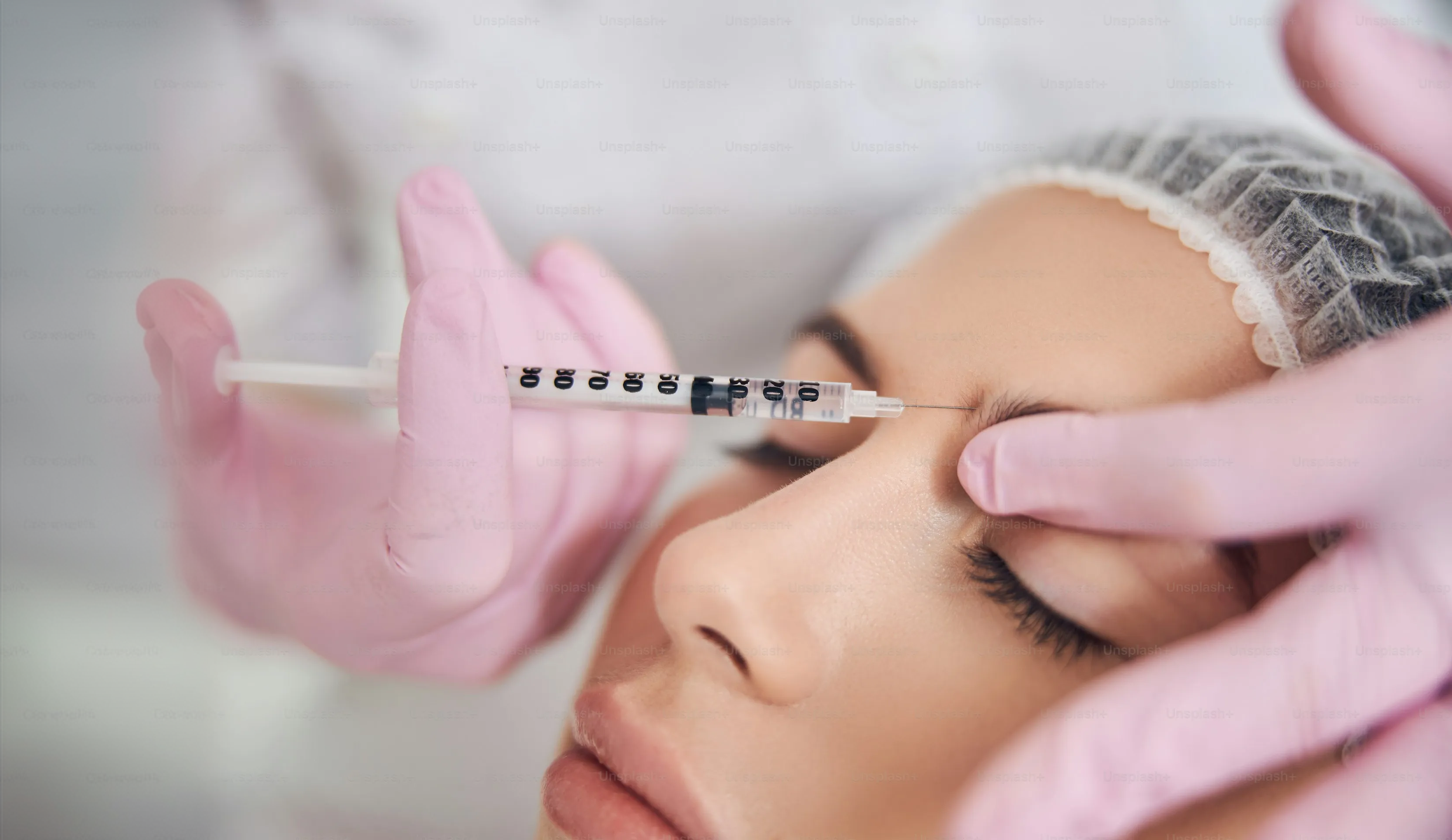
Quick, precise removal of skin tags under local anaesthesia. The procedure takes just minutes per tag and heals with minimal to no scarring, depending on the size and location.
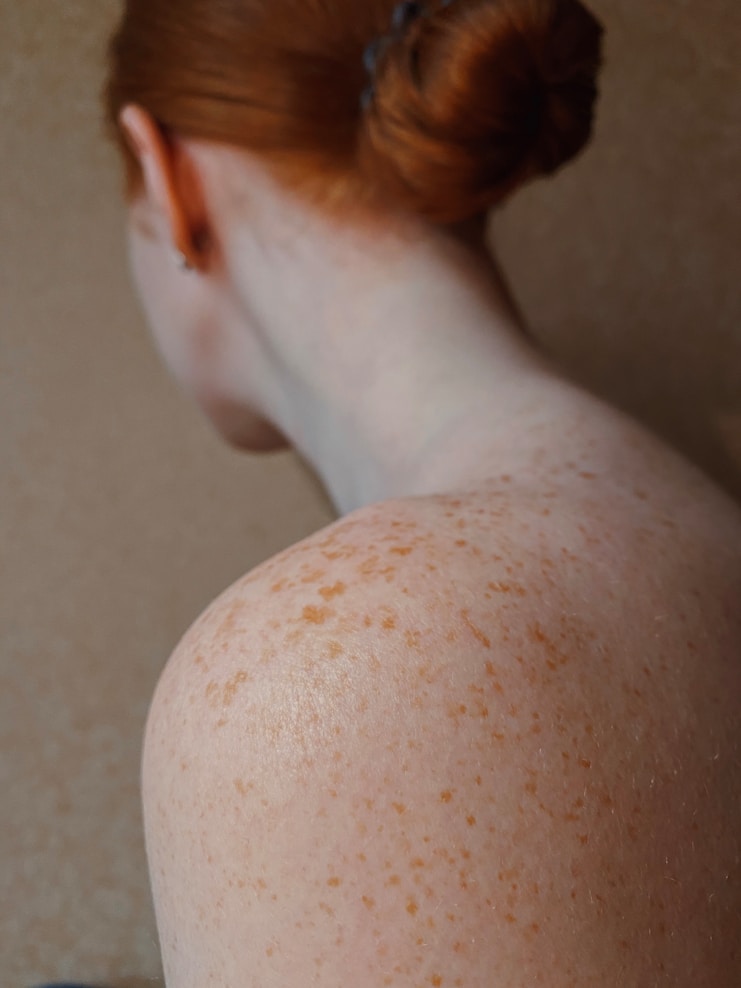
Mole & Wart Removal
If skin tags appear alongside moles or warts, we can address them all in one session. Each growth is assessed individually and removed using the most appropriate method.
Laser Treatments
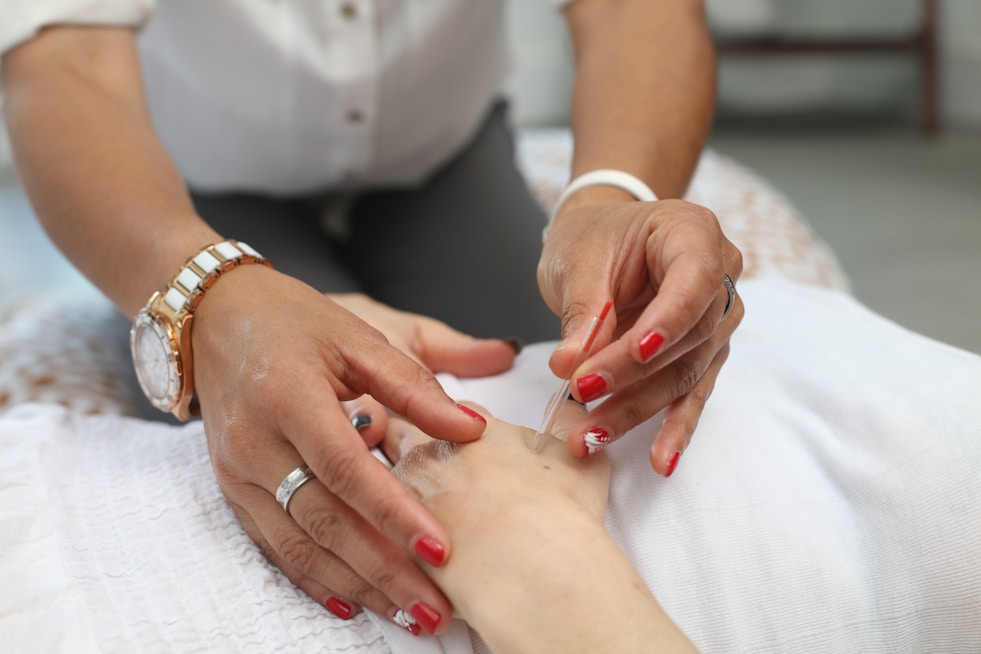
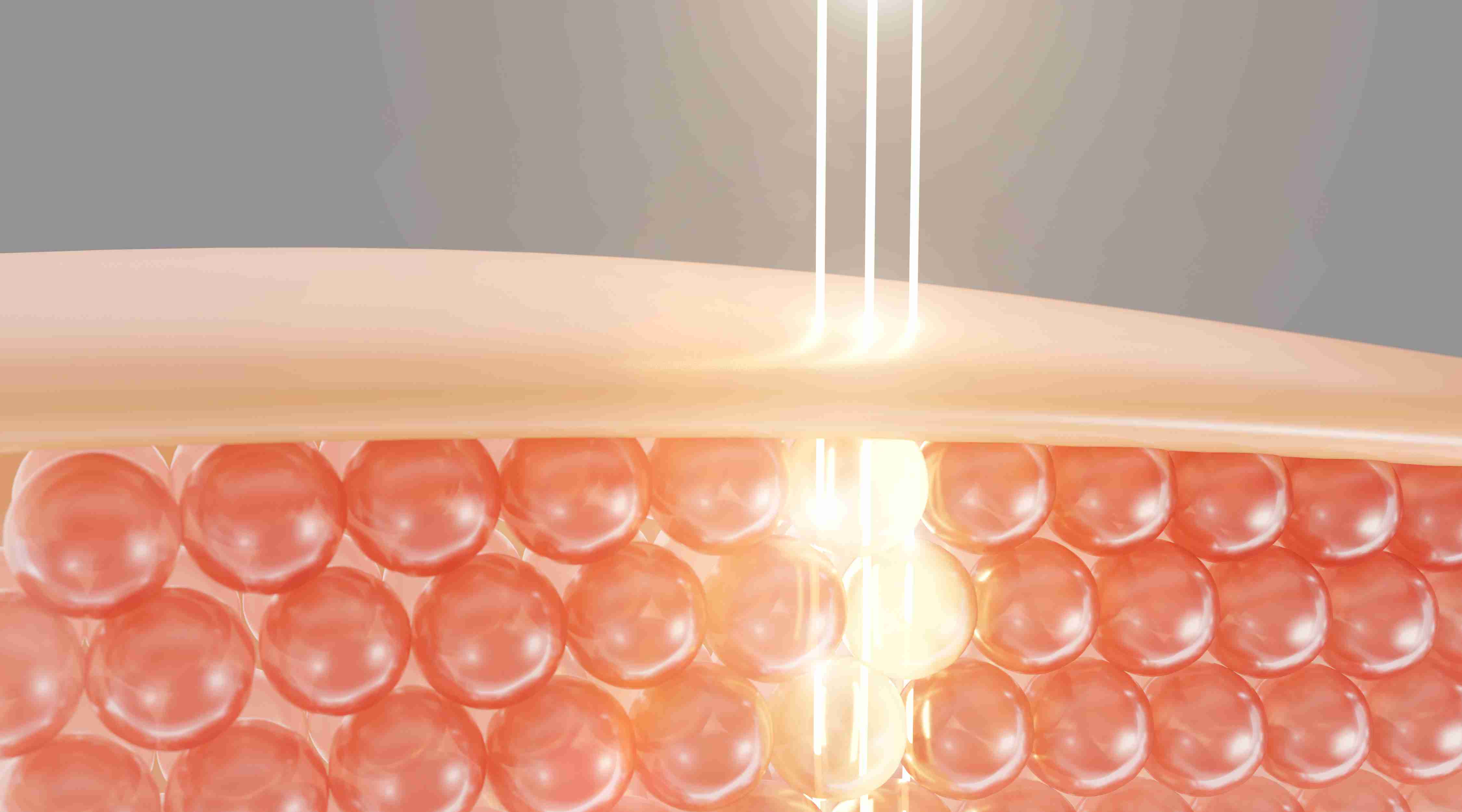
For smaller or more numerous skin tags, laser removal is a clean option that cauterises as it cuts, reducing bleeding and speeding up healing. It is well suited for sensitive areas.
Who Gets Skin Tags?
Skin tags are common in adults, especially those over 40. Risk factors include obesity, insulin resistance, pregnancy (due to hormonal changes), and genetics. They’re also more frequent in people with frequent skin friction or rubbing.
Obesity, type 2 diabetes, polycystic ovarian syndrome, and a family history of skin tags are the strongest predictors of frequent growth. Friction from tight collars, bra straps, and heavy necklaces compounds the problem by irritating the dermal layer repeatedly. Hormonal fluctuations during pregnancy often trigger a burst of new tags, many of which persist postpartum.
Treatment Process
01
Consultation
Skin tags are examined and diagnosis confirmed by the dermatologist. Our dermatologist examines every tag using dermoscopy, records their size and location, and reviews your medical history for metabolic risk factors. If needed, blood tests for insulin and lipid levels are ordered.
02
Treatment Selection
Depending on number, size, and location, appropriate removal method is chosen. The treatment area is cleaned with an antiseptic solution. For sensitive zones like the eyelids or groin, a topical numbing cream containing lidocaine is applied and left for 20 to 30 minutes. Protective eyewear is provided when working near the eyes.
03
Removal Procedure
Removal is done in-clinic using cryotherapy, snip excision, laser, or electrocautery. Each tag is removed using the chosen method — cryotherapy, radiofrequency, or snip excision. Sessions typically last 15 to 30 minutes depending on the number of tags. Any bleeding is controlled immediately with light pressure or cauterisation.
04
Post-Care
Minimal aftercare is needed; mild redness or scabbing may occur and resolve quickly. A review appointment is scheduled 10 to 14 days later to confirm clean healing and check for any missed tags. Our team provides aftercare instructions including gentle cleansing and sun protection for the treated spots.

Expected Results & Recovery
Got Questions?We've Got Answers
Find answers to the most common questions about our treatments, procedures, and recovery process. If you can't find what you're looking for, our support team is always here to help.
No, skin tags are benign and non-cancerous. They don’t pose health risks but may be bothersome.
DIY removal is not recommended as it can lead to infection, scarring, or incomplete removal.
Most methods are minimally painful or done under local anesthesia for comfort.
The same tag doesn’t return, but new ones can form if underlying causes persist.
No, unlike warts, skin tags are not caused by viruses and are not contagious.
Regrowth at the exact same site is uncommon when the tag is removed completely, including its stalk. However, new tags can form nearby if the underlying causes — such as friction, hormonal changes, or insulin resistance — remain unaddressed. At Claire Derma, we pair removal with guidance on friction reduction and metabolic health so that recurrence stays low.
Most patients describe the sensation as a brief sting or mild pinch lasting only a few seconds per tag. We apply a topical anaesthetic cream before treating sensitive areas like the eyelids, neck folds, or groin. Cryotherapy causes a cold burning feeling that subsides almost immediately, while radiofrequency feels like a quick snap. Post-procedure discomfort is minimal — over-the-counter paracetamol is rarely needed.
At Claire Derma, we routinely remove 15 to 30 tags in a single session, depending on their size and location. For patients with a very high count — sometimes exceeding 50 — we may split the treatment across two visits spaced one to two weeks apart. This approach keeps each session comfortable and allows us to monitor healing in batches.
Skin tags themselves are benign and not cancerous. However, research links a high number of tags to insulin resistance, metabolic syndrome, and type 2 diabetes. If our dermatologist notices an unusual number or pattern of tags during your visit, we may suggest blood glucose and lipid testing.
Start Your Personalized Skincare Plan
At ClairéDerma, we believe that healthy, radiant skinis the foundation of confidence and well-being. Ledby Dr. Mohna Chauhan, our clinic offers personalized dermatological care tailored to each patient's unique needs. With over a decade ofexperience and more than 3000 successfully treated patients,