
Skin Sagging
Restore Firmness and Elasticity with Targeted Skin Tightening Treatments

Understanding Skin Sagging
Skin sagging is a common concern as we age, marked by a noticeable loss of firmness, especially on the face, neck, arms, and abdomen. This occurs when collagen and elastin fibers—responsible for skin strength and elasticity—break down over time. Additional factors such as sun exposure, weight fluctuations, poor lifestyle habits, and genetics can contribute to premature sagging.
Body skin laxity follows different rules than facial sagging. The skin on the abdomen, upper arms, inner thighs, and above the knees is thinner, has fewer sebaceous glands, and sits over larger fat deposits that shift with weight changes. When collagen and elastin degrade in these areas, the skin cannot retract to match the reduced volume beneath it, leaving loose, crepey folds that no amount of exercise will tighten.
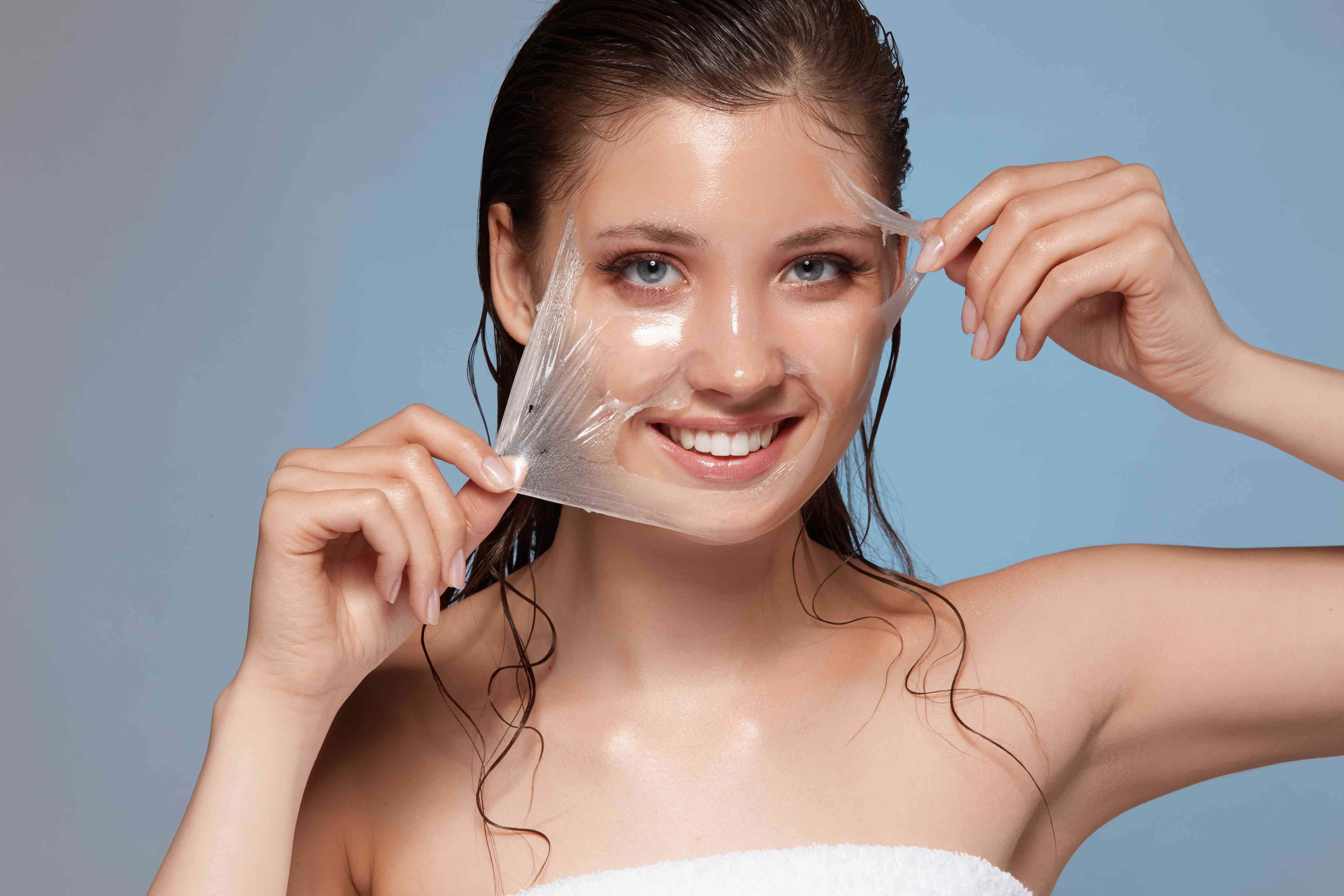
Effective Treatments for Sagging Skin

Body skin laxity does not respond to the same products and techniques that work on the face. The dermis on the arms and abdomen is structurally different — thinner, with less vascular support and fewer fibroblasts per square centimetre.
Treatment Options for Skin Sagging
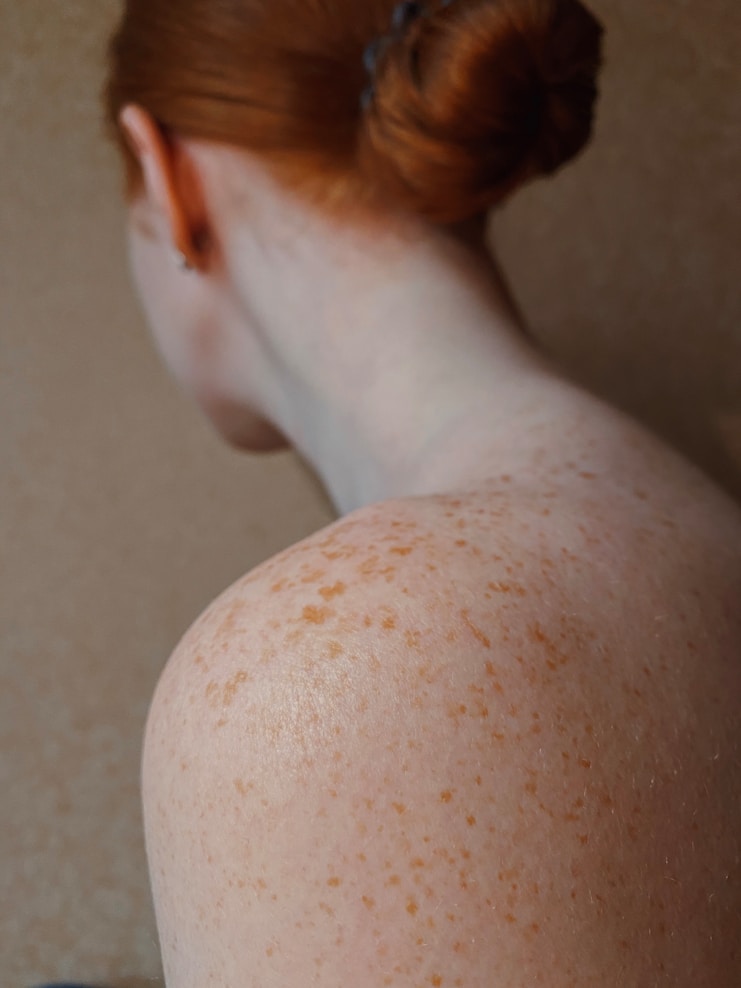
Collagen Remodelling
Collagen remodelling triggers a rebuilding process in the dermis, restoring the structural proteins that keep skin taut. The lifting effect develops gradually and looks natural.
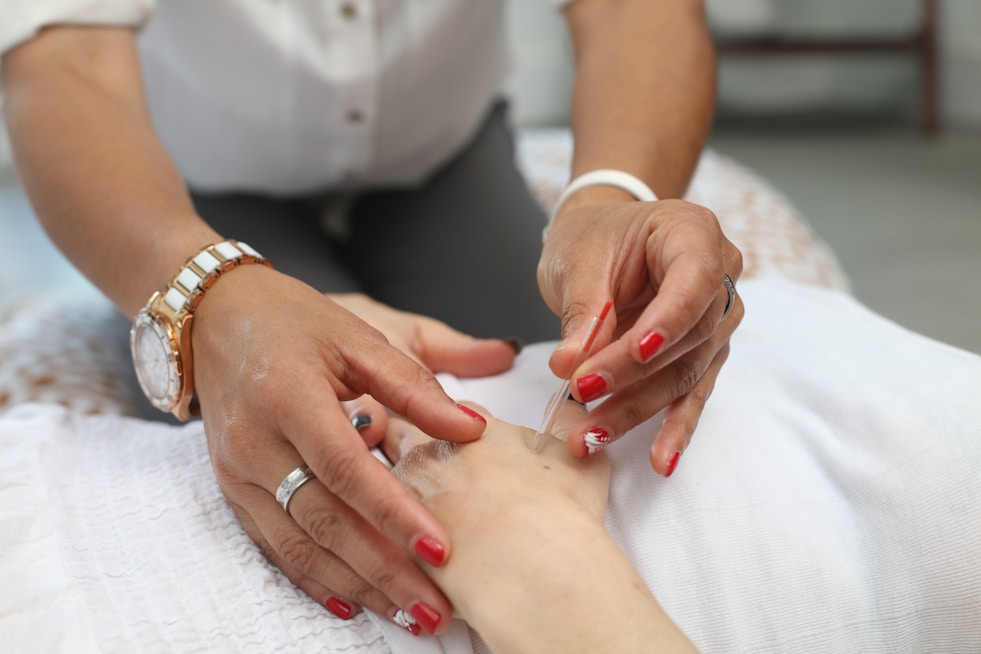
Anti-Aging Solutions
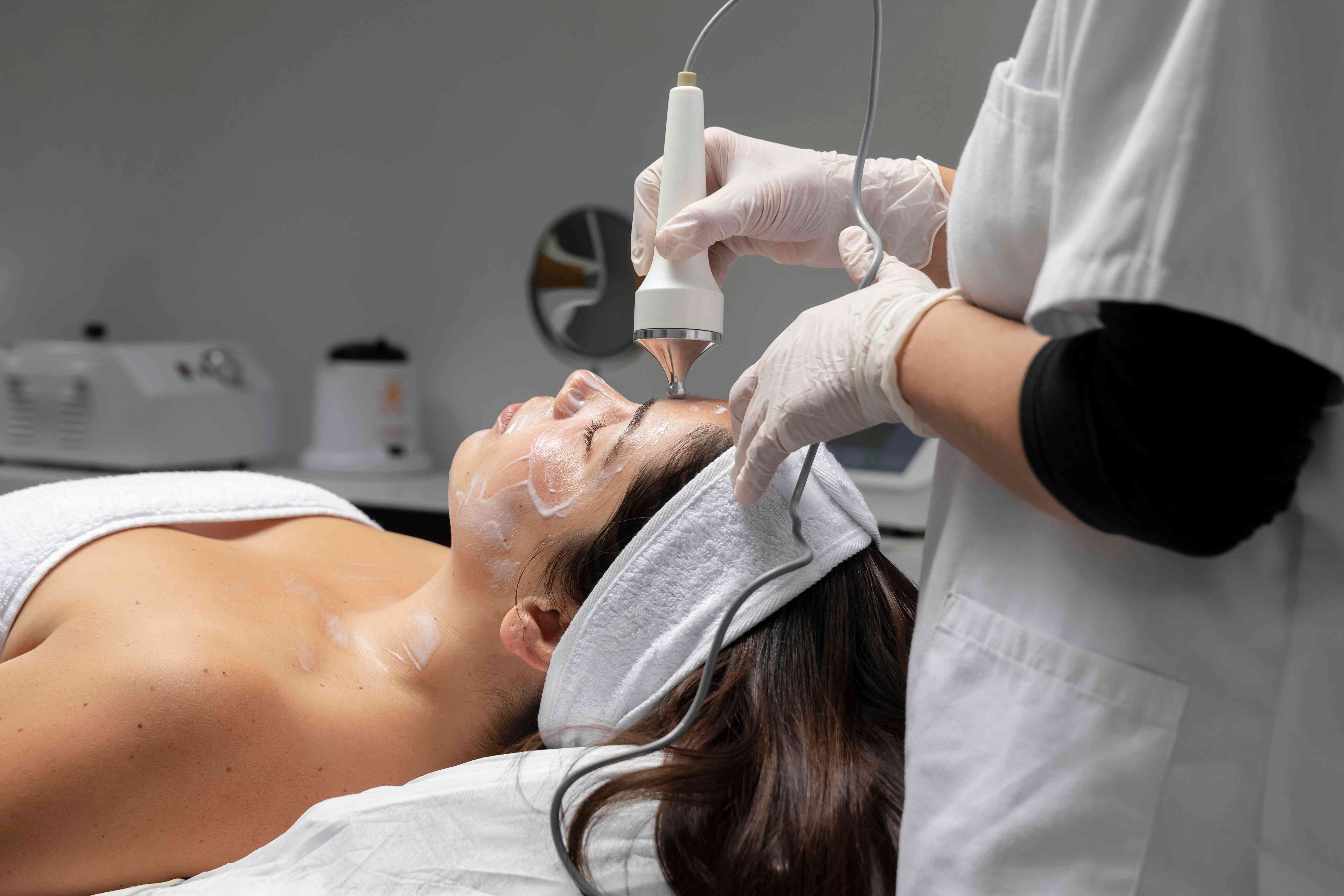
A personalised combination of skin-tightening treatments firms up loose skin on the face, jawline, and neck. The approach adapts to the degree of sagging and your overall skin condition.
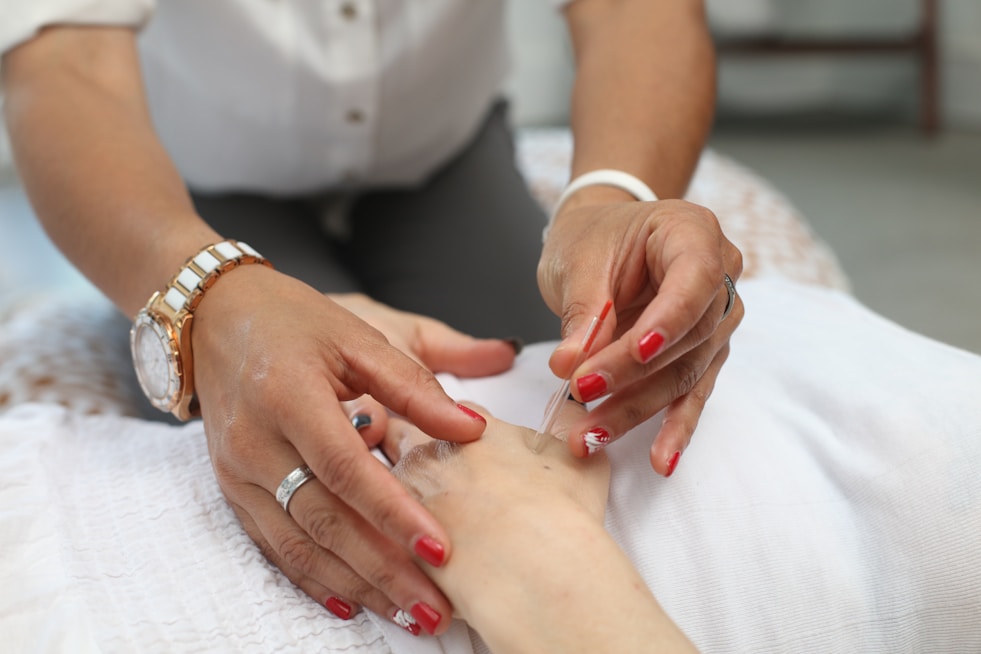
Body Contouring
Body contouring addresses sagging skin on larger areas like the stomach, thighs, and upper arms. The treatment tightens skin and improves tone where exercise alone is not enough.
Who Should Consider Treatment?
People with mild to moderate sagging and realistic expectations are ideal candidates. Non-surgical options are suitable for both men and women seeking natural lifting results without downtime.
Body skin laxity is influenced by several overlapping factors. Rapid weight fluctuations stretch and relax skin repeatedly, weakening elastin fibres until they can no longer retract. Smoking impairs microcirculation to the skin and accelerates collagen degradation. Hormonal changes — particularly the oestrogen decline during menopause — reduce skin thickness across the entire body, not just the face. Sun exposure on the chest, arms, and legs causes photoageing that compounds age-related laxity.
How the Treatment Works
01
Initial Consultation
Skin firmness and sagging level are assessed to decide the best course of treatment. Your dermatologist examines the affected body zones, assessing skin elasticity with pinch tests and evaluating the degree of tissue laxity. We discuss your history of weight changes, pregnancies, and previous body treatments. Photographs are taken under standardised conditions.
02
Treatment Session
Advanced technology like RF or ultrasound is applied to sagging areas to stimulate tissue repair. We recommend optimising hydration and starting a collagen-supporting supplement two to four weeks before treatment. If injectable biostimulators are planned, blood-thinning medications and supplements are paused for one week.
03
Aftercare
Minor redness may occur. Moisturizers and sunscreen are advised post-session for optimal results. Body tightening sessions are scheduled every two to six weeks depending on the modality. Radiofrequency requires four to six sessions; biostimulatory injections need two to three spaced six to eight weeks apart. Each visit takes 30 to 60 minutes per treatment zone.
04
Gradual Improvement
Skin appears tighter and smoother over several weeks as collagen rebuilds naturally. We review progress at eight and sixteen weeks post-treatment using comparison photographs and skin elasticity measurements. Because biostimulatory collagen production continues for several months after the final session, full results may not be apparent until twelve to sixteen weeks later.
Expected Results & Recovery
Got Questions?We've Got Answers
Find answers to the most common questions about our treatments, procedures, and recovery process. If you can't find what you're looking for, our support team is always here to help.
Sun damage, rapid weight loss, smoking, and lack of collagen production due to age can lead to early sagging.
Yes. Non-invasive treatments like RF, ultrasound, and injectables are effective for mild to moderate sagging.
Most treatments have little to no downtime. Some redness or swelling may occur temporarily.
Visible improvements start after 2–3 sessions, with best results developing over 6–12 weeks.
Results are long-lasting but maintenance sessions may be needed annually to sustain firmness.
Exercise builds muscle mass, which can fill out some of the space left by lost fat and create a firmer appearance beneath the skin. It cannot, however, repair degraded elastin fibres or thicken the dermis.
We recommend waiting at least six months after delivery and completing breastfeeding before starting any skin tightening protocol. This allows your hormones to stabilise and gives the skin time to undergo whatever natural retraction it can manage. Starting treatment too early risks treating skin that may still tighten on its own.
Most patients describe radiofrequency body treatments as a warm, deep-heating sensation that is tolerable without anaesthesia. Biostimulatory injections involve multiple small needle entries, so we apply a topical numbing cream 20 to 30 minutes beforehand to minimise discomfort. Microneedling on body skin at deeper settings can be moderately uncomfortable, but numbing cream makes the procedure manageable for the vast majority of patients.
Non-surgical options work best for mild to moderate laxity. If skin excess is severe — large hanging folds on the abdomen, arms, or thighs — surgical excision through procedures like abdominoplasty or brachioplasty may be the more effective route. At Claire Derma, our dermatologists are transparent about these boundaries during your consultation.
Start Your Personalized Skincare Plan
At ClairéDerma, we believe that healthy, radiant skinis the foundation of confidence and well-being. Ledby Dr. Mohna Chauhan, our clinic offers personalized dermatological care tailored to each patient's unique needs. With over a decade ofexperience and more than 3000 successfully treated patients,