
Hair Loss
Restore Confidence with Advanced Treatments for Hair Loss and Scalp Health

What is Hair Loss?
Hair loss, also known as alopecia, refers to the excessive shedding or thinning of hair from the scalp or other parts of the body. It can result from genetics, hormonal changes, medical conditions, medications, or stress. A timely dermatological assessment can identify the cause and help restore hair growth through effective treatments.
Hair loss — medically termed alopecia — affects far more people than most realise. The average scalp holds about 100,000 to 150,000 hairs, and shedding 50 to 100 strands per day is normal. Problems begin when hair loss outpaces new growth. The causes range from androgenetic alopecia (pattern hair loss driven by dihydrotestosterone) to telogen effluvium (excessive shedding triggered by stress, illness, or nutritional deficiencies), alopecia areata (an autoimmune attack on hair follicles), and scarring.
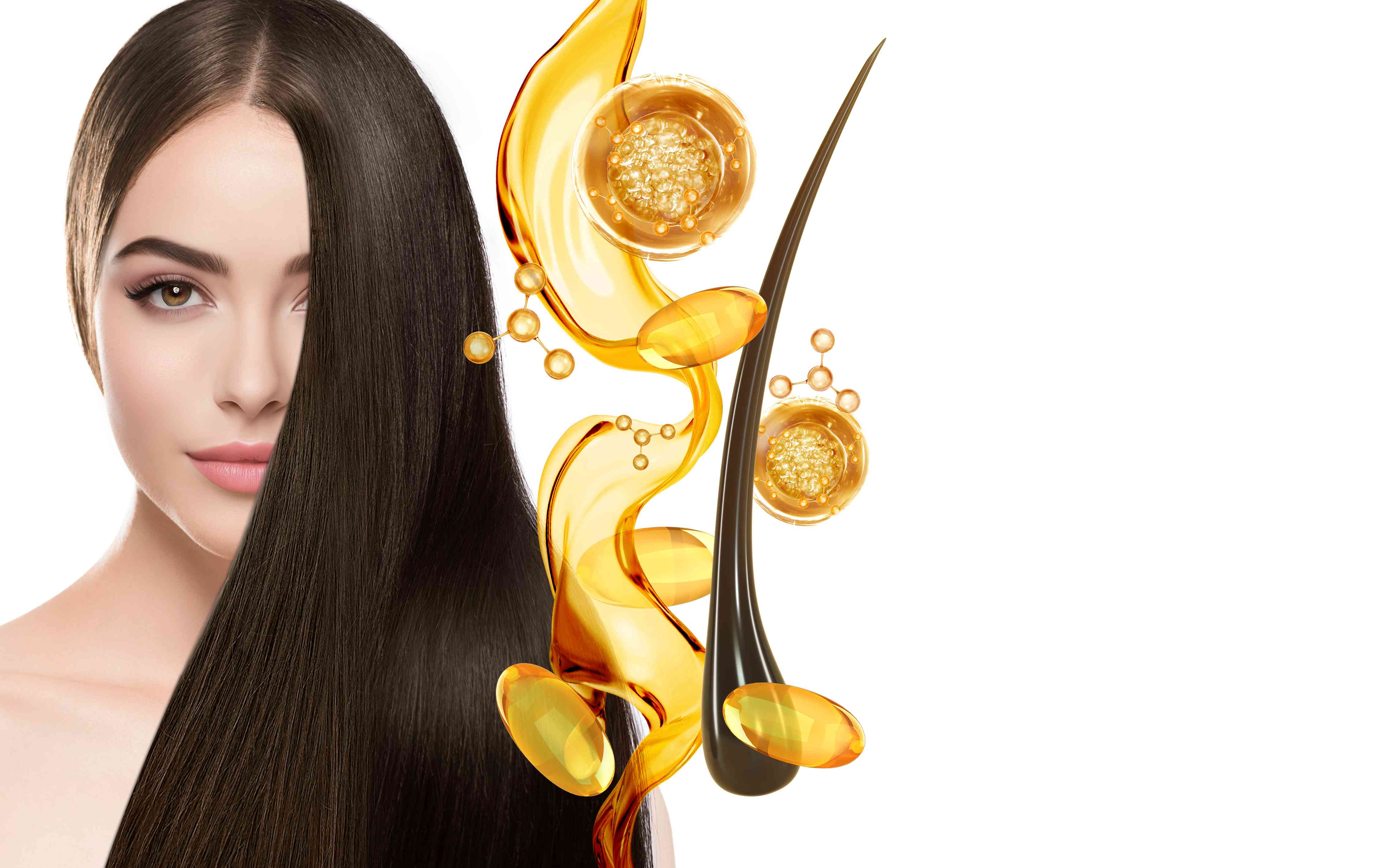
Hair Loss Treatment Options

Professional hair loss management at Claire Derma means a precise diagnosis from day one. No guessing, no generic advice. Patients avoid months of wasted effort on the wrong products and instead follow a protocol designed for their specific condition.
Treatment Options for Hair Loss
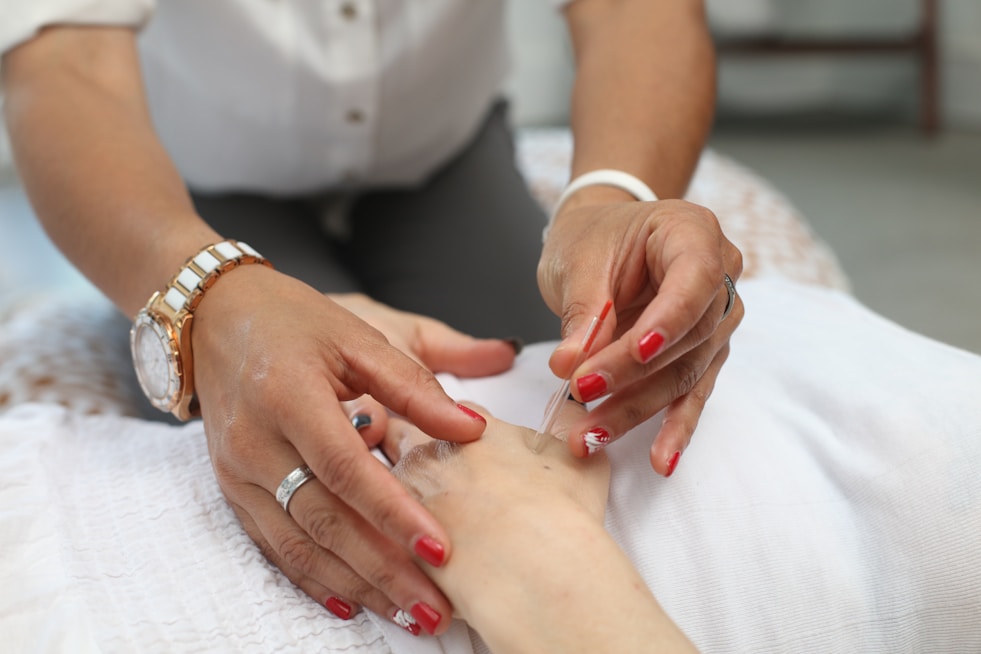
PRP Therapy for Hair Growth
PRP therapy concentrates the growth factors from your own blood and delivers them directly to thinning areas. The follicles get a boost that encourages thicker, stronger hair over several sessions.
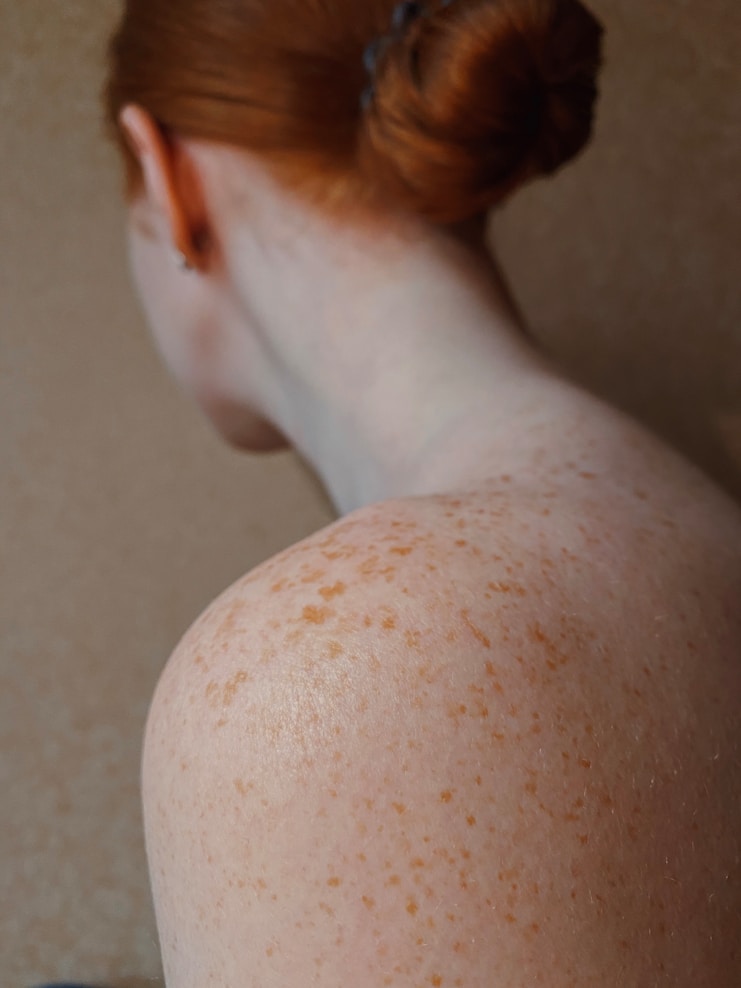
Mesotherapy for Hair
A cocktail of vitamins, minerals, and amino acids is injected into the scalp right where the follicles need nourishment. It improves blood supply and gives thinning hair the nutrients it is missing.
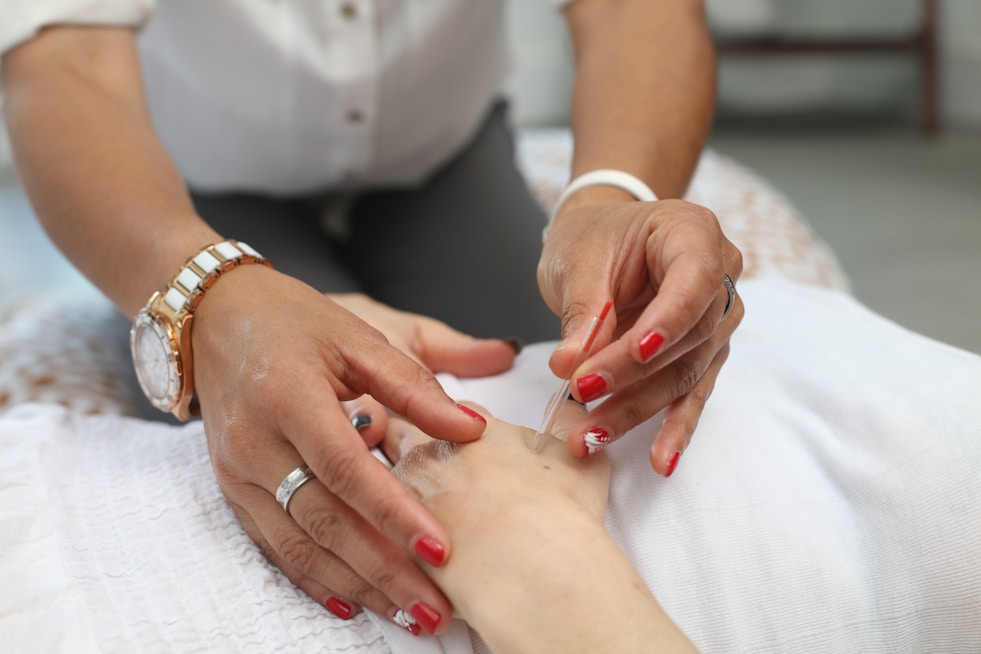
Hair Transplant Consultation
If non-surgical options are not enough, a transplant consultation maps out which areas would benefit from grafting. We assess donor density and plan a natural-looking hairline restoration.
Who is at Risk?
Hair loss can affect both men and women of any age. Those with family history, chronic stress, nutritional gaps, or medical conditions like PCOS, thyroid dysfunction, or autoimmune disorders are at higher risk.
Genetics is the single biggest factor in androgenetic alopecia, with the condition inherited through both maternal and paternal lines. Iron deficiency — particularly common in menstruating women and vegetarians — is a leading reversible cause of diffuse hair shedding. Crash diets and rapid weight loss deprive follicles of nutrients they need, pushing large numbers of hairs into the resting phase at once. Chronic stress elevates cortisol, which shortens the growth phase and accelerates shedding.
Treatment Flow
01
Diagnosis & Consultation
Comprehensive assessment through scalp examination, history taking, and sometimes blood tests or trichoscopy. Our dermatologist performs a detailed scalp examination with trichoscopy, reviews your medical history, diet, medications, and stress levels, and orders blood tests for iron, vitamin D, thyroid function, and hormones. Baseline trichoscopic photographs document current hair density.
02
Customized Care Plan
A tailored approach involving topical agents, nutritional supplements, and therapy sessions. Once blood results are back, the final treatment plan is confirmed. Nutritional deficiencies are addressed with targeted supplementation. For PRP sessions, patients are asked to avoid anti-inflammatory medications for 48 hours before the procedure.
03
Ongoing Treatment
Regular in-clinic therapies such as PRP or laser to promote hair regrowth and reduce loss. PRP sessions involve a blood draw, centrifugation for 10 minutes, and injection of concentrated platelets across the thinning areas under topical anaesthesia. The procedure takes about 45 minutes. For alopecia areata, steroid injections are delivered at each visit.
04
Follow-Up & Maintenance
Periodic reviews to track progress, along with home care routines to maintain results. Patients return every four to six weeks for repeat procedures and trichoscopic comparison photography. Blood tests are rechecked at three months to confirm nutritional levels have normalised.
Expected Results & Recovery
Got Questions?We've Got Answers
Find answers to the most common questions about our treatments, procedures, and recovery process. If you can't find what you're looking for, our support team is always here to help.
Not always. With early diagnosis and proper treatment, many forms of hair loss are reversible.
PRP can be highly effective, especially in early stages of hair thinning, by promoting natural regrowth.
Yes. Physical or emotional stress can trigger temporary hair shedding (telogen effluvium).
Duration varies by condition. Some may need 3–6 months, others ongoing maintenance for long-term results.
Yes. Factors like genetics, stress, and nutrition can cause hair loss in teenagers and young adults too.
Timeline depends on the diagnosis and treatment. Telogen effluvium patients whose shedding is driven by a correctable deficiency often see improvement within two to three months once the deficiency is addressed. Minoxidil for androgenetic alopecia typically shows noticeable density gains after three to four months of daily use. PRP results become visible after the second or third session.
The scalp is numbed with a topical anaesthetic cream applied 20 to 30 minutes before injections, so most patients describe the sensation as mild pressure rather than pain. A fine-gauge needle is used, and each injection takes only a second. Some patients feel brief discomfort at the temples and frontal hairline where the skin is thinner.
Finasteride is primarily prescribed for men because it blocks the conversion of testosterone to dihydrotestosterone (DHT), and its use in women of childbearing age is contraindicated due to the risk of birth defects. However, postmenopausal women with androgenetic alopecia may be considered for off-label low-dose finasteride under close supervision.
For androgenetic alopecia, hair loss is progressive and treatment-dependent — stopping minoxidil or finasteride typically leads to gradual thinning over three to six months as DHT resumes its effect on susceptible follicles. PRP maintenance sessions every six to twelve months help sustain results.
Start Your Personalized Skincare Plan
At ClairéDerma, we believe that healthy, radiant skinis the foundation of confidence and well-being. Ledby Dr. Mohna Chauhan, our clinic offers personalized dermatological care tailored to each patient's unique needs. With over a decade ofexperience and more than 3000 successfully treated patients,