
Hairloss in Women
Address Female Hair Loss with Advanced Diagnosis and Personalized Solutions

Understanding Hairloss in Women
Hairloss in women can stem from hormonal fluctuations, stress, nutritional deficiencies, and underlying medical conditions. Unlike men, women experience diffuse thinning across the scalp rather than receding hairlines. Identifying the root cause early can help restore healthy hair.
Hair loss in women looks different than in men and is often more distressing because female baldness carries a heavier social stigma. The most common pattern — female pattern hair loss or androgenetic alopecia — causes diffuse thinning across the crown and mid-scalp while preserving the frontal hairline, unlike the receding temples seen in men.

Treatment Options for Hairloss in Women

Self-treating female hair loss with over-the-counter supplements and volumising shampoos delays proper diagnosis and lets progressive follicle miniaturisation continue unchecked. By the time many women seek professional help, years of preventable thinning have occurred. Dermatologist-guided treatment at Claire Derma begins with accurate diagnosis through dermoscopy and blood work, so the treatment targets the actual cause.
Treatment Options for Hairloss in Women
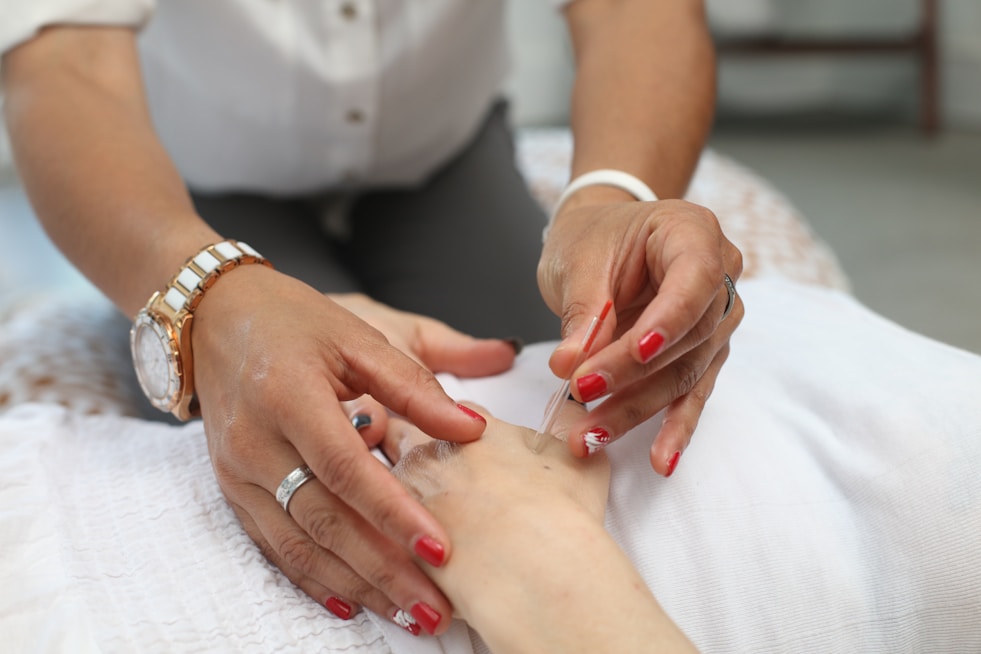
PRP Therapy for Hair Growth
PRP therapy is well-suited for the diffuse thinning pattern common in women. Growth factors from your own blood revitalise weakened follicles across the scalp, restoring volume and fullness.
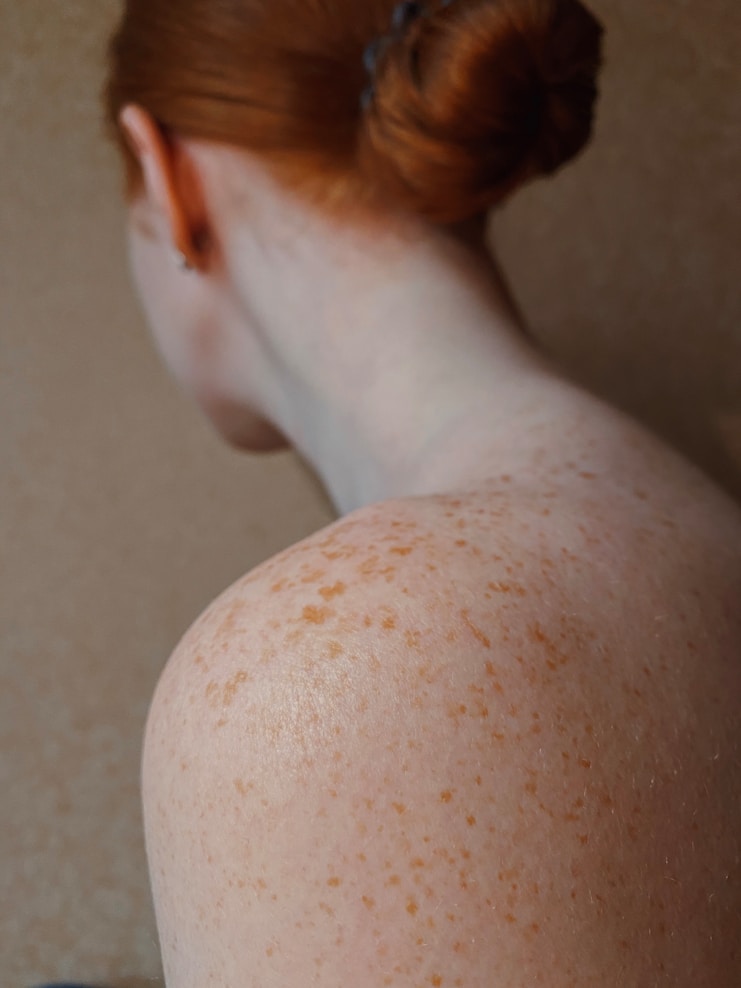
Mesotherapy for Hair
Scalp mesotherapy nourishes thinning hair at the root level with a personalised blend of vitamins and growth boosters. Women often see improved density and less shedding within a few sessions.
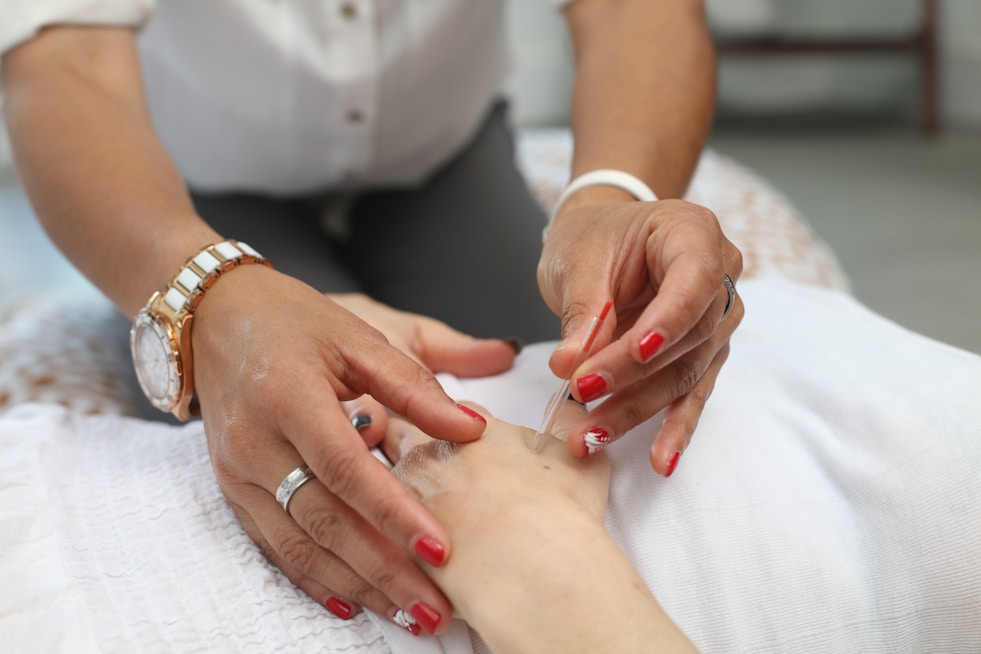
Laser Hair Regrowth
Low-level laser therapy stimulates blood flow and cellular activity in the scalp. It is a painless, non-invasive option that supports regrowth and works well as part of a broader hair restoration plan.

Ideal Candidates
Women with thinning hair, post-pregnancy shedding, PCOS, or nutrient deficiencies are excellent candidates for medical hair treatments. Early intervention leads to better results.
Female hair loss is far more common than most people assume — studies report that up to 40 percent of women experience visible hair thinning by age 50, and prevalence increases with age. The emotional toll is real: research consistently links female hair loss to reduced self-esteem, social anxiety, and depressive symptoms. Unlike male pattern baldness, which is widely normalised, women's hair loss remains stigmatised and under-discussed.
Treatment Workflow
01
Diagnosis & Blood Work
Hormonal, thyroid, and vitamin panels are conducted to identify root causes. Your dermatologist performs a detailed scalp examination using dermoscopy to evaluate hair density, follicle diameter, miniaturisation ratio, and scalp skin health. A standardised pull test quantifies active shedding. We review your medical history, menstrual patterns, dietary habits, and recent life events.
02
Personalized Plan
A customized blend of oral, topical, and in-clinic therapies is recommended. While awaiting blood results, we start a foundational regimen — topical minoxidil at the appropriate concentration, any immediately indicated supplements based on dietary history, and scalp care adjustments to reduce inflammation or seborrheic dermatitis if present.
03
Monitoring & Follow-Up
Progress is tracked, and therapy is adjusted based on response and regrowth. Based on diagnosis, active treatment may include monthly PRP injections for three to four consecutive months, prescription adjustments guided by blood work results, and addition of low-level laser therapy for home use. Oral medications like spironolactone or low-dose minoxidil are considered for androgenetic alopecia.

Results & Recovery

Visible reduction in hair shedding within 2–3 months.
Stronger, thicker hair regrowth over 3–6 months.
Minimal downtime, non-invasive options, and sustainable improvement.
Got Questions?We've Got Answers
Find answers to the most common questions about our treatments, procedures, and recovery process. If you can't find what you're looking for, our support team is always here to help.
Yes. With proper diagnosis and hormonal balancing, hair growth can be restored significantly.
PRP is derived from your own blood and is safe, natural, and effective for hair restoration.
Supplements support hair health but work best when combined with other medical treatments.
Maintenance therapy may be needed periodically to sustain results, especially in hormonal cases.
Yes. It's called telogen effluvium and usually resolves within a few months with care.
Losing 50 to 100 hairs daily is normal and usually goes unnoticed. When shedding exceeds this — visible hair accumulating on pillows, in the shower drain, or while brushing — or when your part line widens and scalp becomes more visible, it suggests a hair loss condition that warrants evaluation.
In most cases, yes. Telogen effluvium is a self-limiting condition — once the triggering event is resolved, follicles re-enter the growth phase and hair density recovers over six to twelve months. The recovery period feels slow because new hair needs time to reach noticeable length.
Clinical studies consistently show that PRP injections improve hair density, thickness, and growth rate in women with androgenetic alopecia and chronic telogen effluvium. The concentrated growth factors — PDGF, VEGF, TGF-beta — stimulate dormant follicles and extend the active growth phase.
Supplements help when a specific deficiency is identified and corrected — iron, vitamin D, biotin, or zinc, for example. Taking supplements without blood work confirmation often results in inadequate dosing of what you actually need and unnecessary supplementation of nutrients you already have sufficient levels of. At Claire Derma, we test first and supplement specifically.
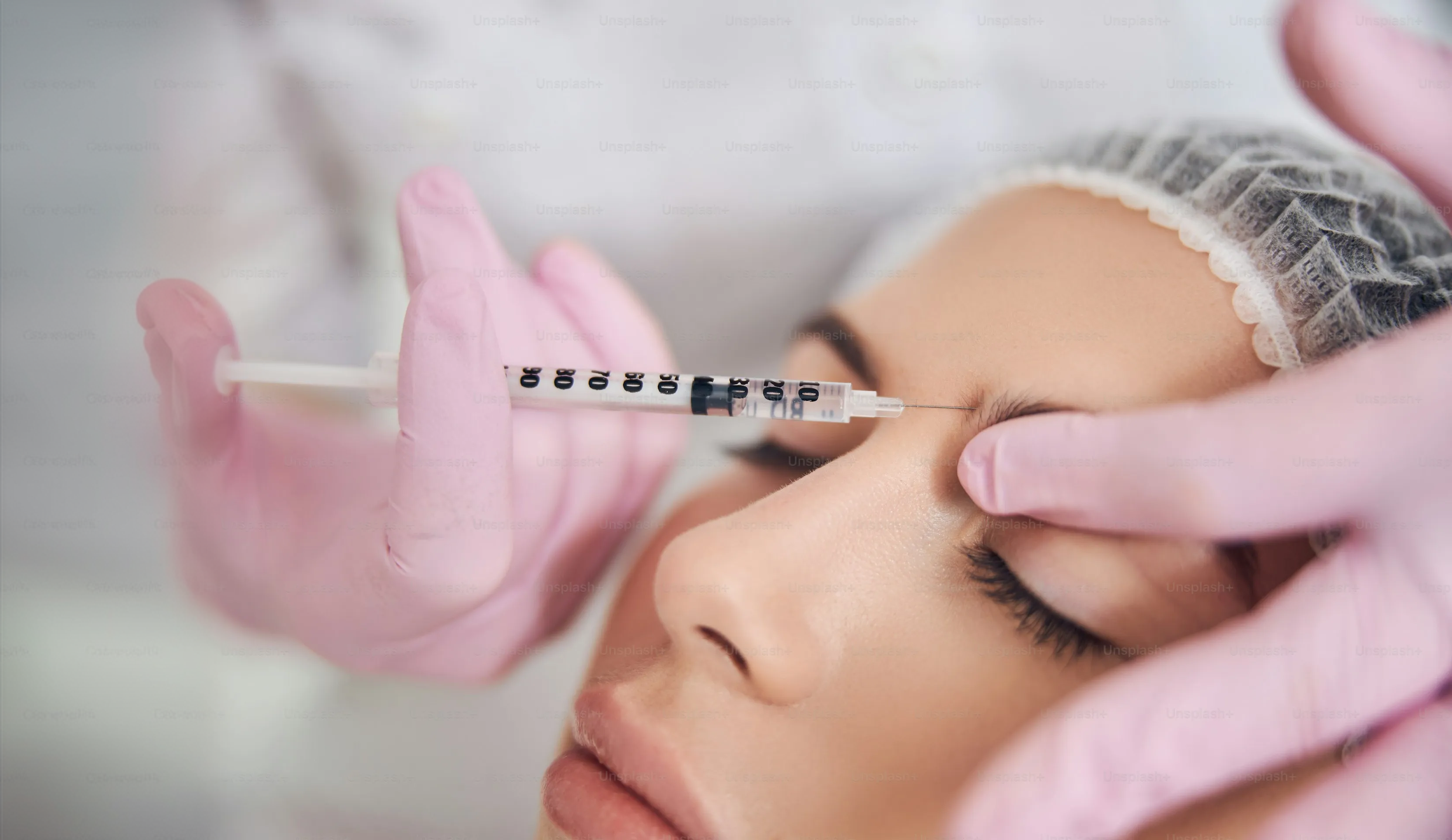
Start Your Personalized Skincare Plan
At ClairéDerma, we believe that healthy, radiant skinis the foundation of confidence and well-being. Ledby Dr. Mohna Chauhan, our clinic offers personalized dermatological care tailored to each patient's unique needs. With over a decade ofexperience and more than 3000 successfully treated patients,