
Stretch Marks
Understand, Manage, and Treat Visible Skin Streaks Effectively

What are Stretch Marks?
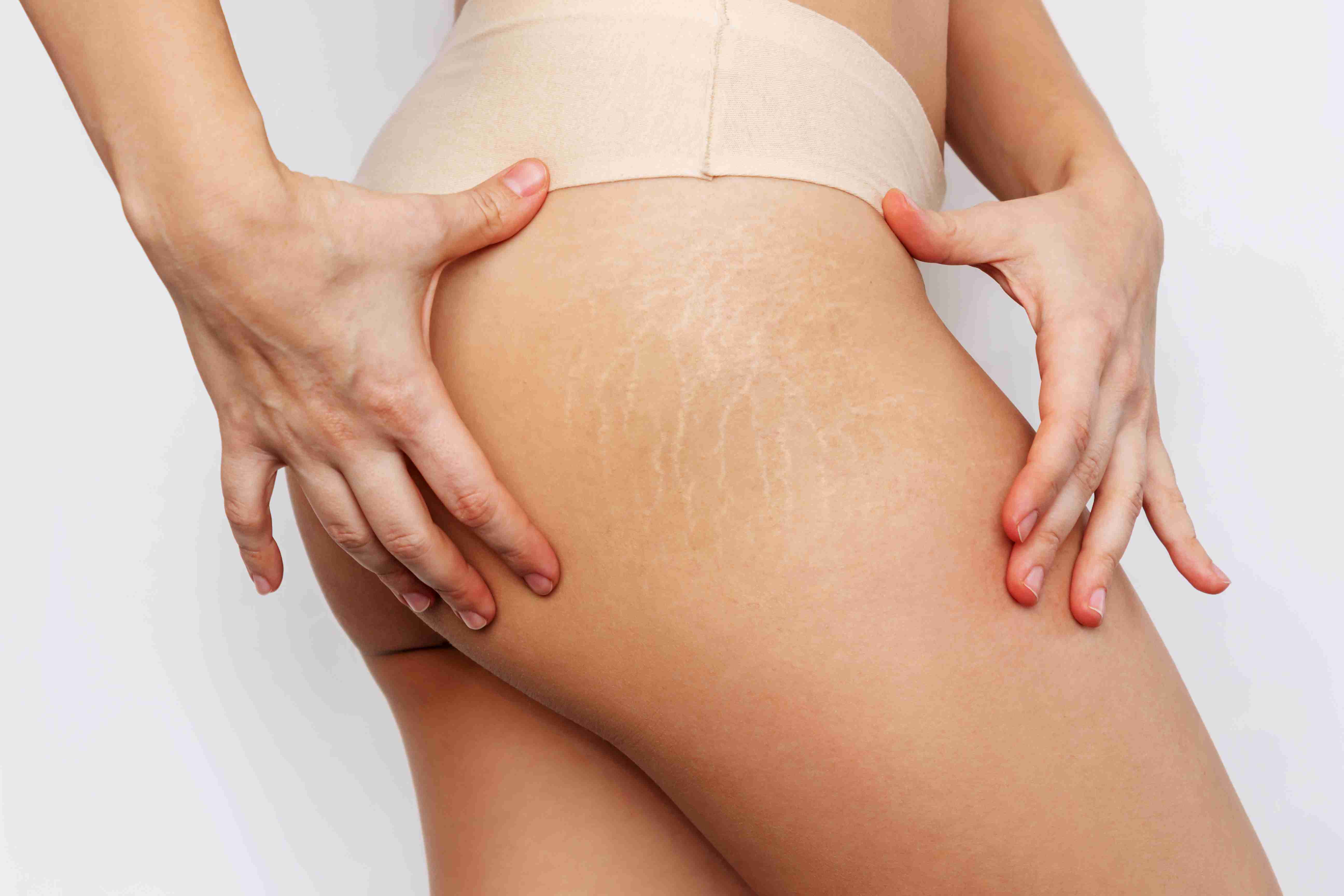
Stretch marks, also known as striae, are long, narrow lines or streaks that appear when the skin stretches rapidly. This can happen during periods of growth, pregnancy, sudden weight changes, or hormonal fluctuations. They start as red, purple, or pink marks and gradually fade to white or silvery lines. While medically harmless, they can affect one’s confidence and skin tone.
Stretch marks — striae distensae — form when rapid stretching of the skin outpaces the dermis's ability to produce collagen and elastin. The resulting tears in the dermal connective tissue create linear scars that first appear red or purple (striae rubrae) before fading to white or silver (striae albae). Pregnancy, adolescent growth spurts, rapid weight changes, and corticosteroid use are the most common triggers.
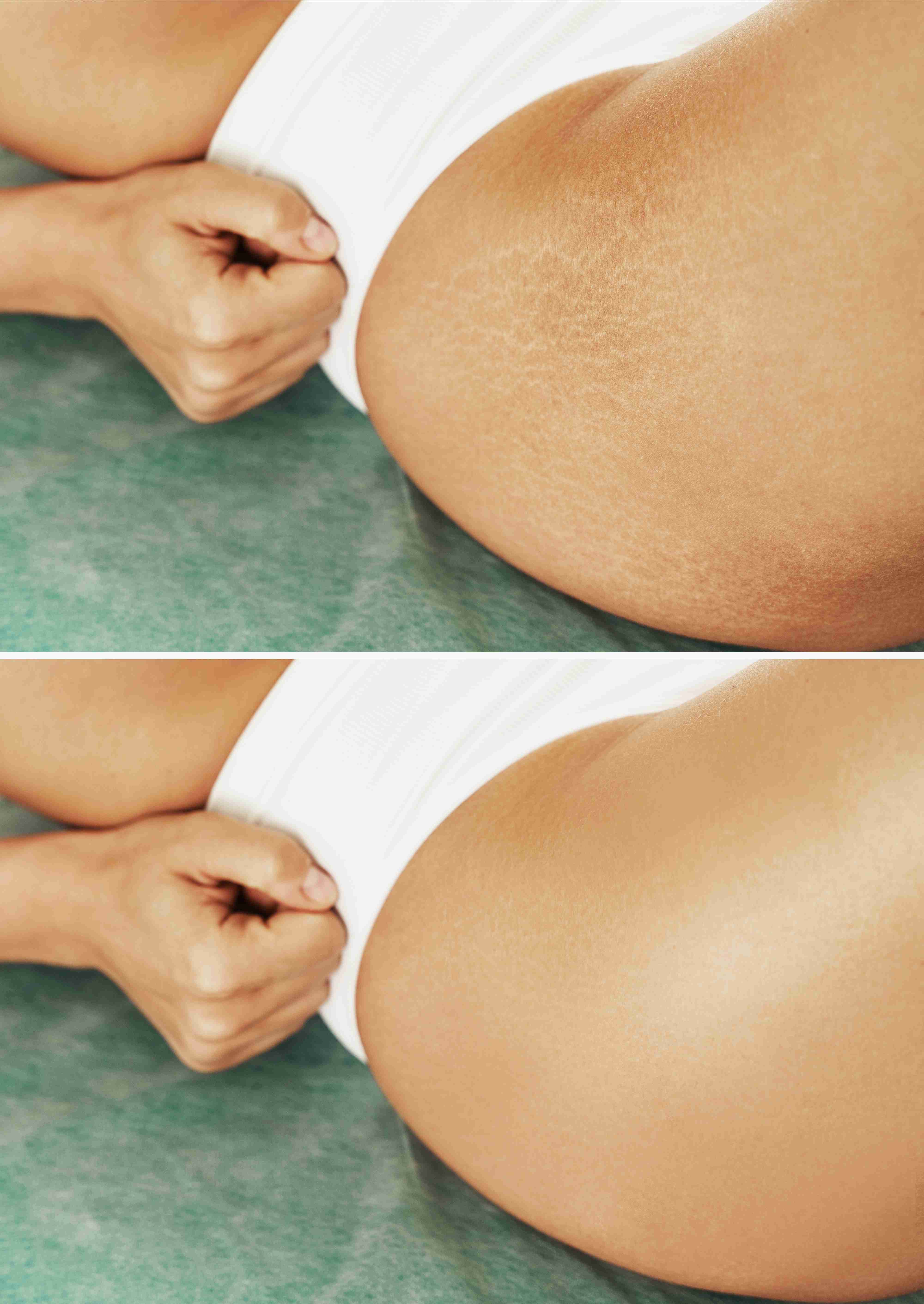
How to Reduce the Appearance of Stretch Marks

Professional stretch mark treatment delivers structural changes in the dermis that no topical product can replicate. Over-the-counter creams containing cocoa butter, vitamin E, or collagen peptides may improve skin hydration and texture, but they cannot rebuild the torn dermal architecture that makes stretch marks visible.
Treatment Options for Stretch Marks
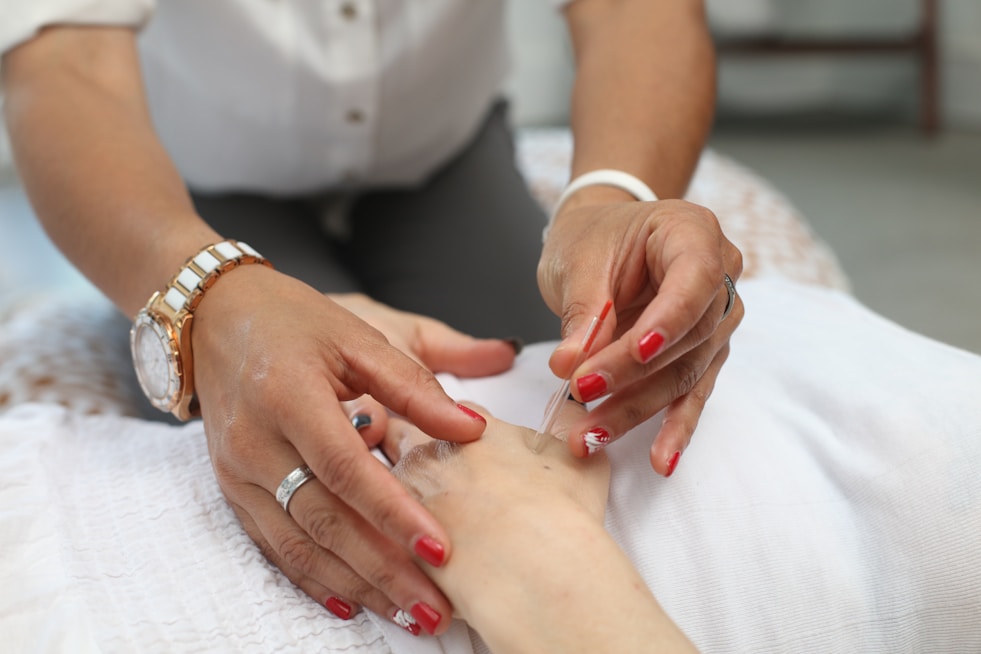
Microneedling
Microneedling creates thousands of tiny channels across stretch marks, triggering a collagen repair response that fills in the indented, textured skin. Marks become less visible with each session.
Collagen Remodelling
Collagen remodelling rebuilds the dermal structure that tore when stretch marks formed. Over a treatment course, the indented lines fill in and the skin surface becomes smoother and more even.
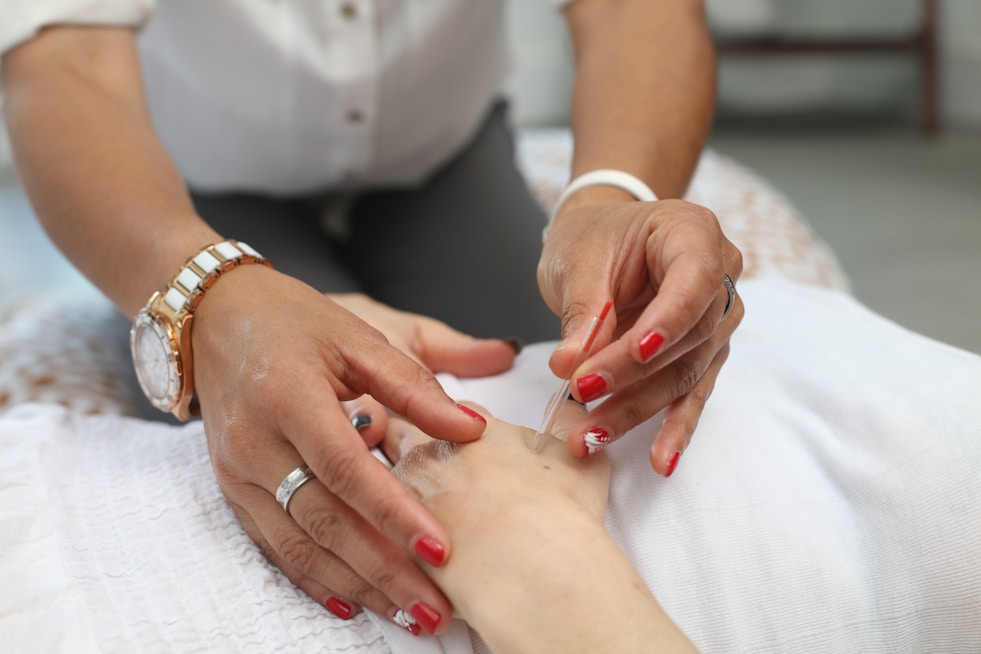
Chemical Peels
Chemical peels accelerate the turnover of the discoloured, textured skin in stretch marks. They work best on newer, reddish marks and help blend them into the surrounding skin tone.
Who is Likely to Develop Stretch Marks?
Stretch marks are common among pregnant women, adolescents, athletes, bodybuilders, people with obesity, or individuals with hormonal imbalances. Genetic predisposition and skin type also influence whether one is likely to develop them.
Stretch marks are extraordinarily common — studies estimate that 50 to 80 percent of the general population has them. Despite this prevalence, many people believe nothing can be done because early topical treatments failed to deliver results. Modern dermatological interventions have changed that outlook substantially. While no treatment erases stretch marks entirely, clinical studies show 50 to 75 percent improvement in texture and appearance with appropriate laser and microneedling protocols.
Treatment Flow
01
Consultation & Diagnosis
The dermatologist examines the stretch marks’ type, depth, and color to determine suitable treatment. Your dermatologist examines the stretch marks under magnification, assessing colour stage, width, depth, and skin type. We photograph the affected areas under standardised lighting and discuss your medical history, including pregnancy, weight changes, and any corticosteroid use.
02
Personalized Therapy Plan
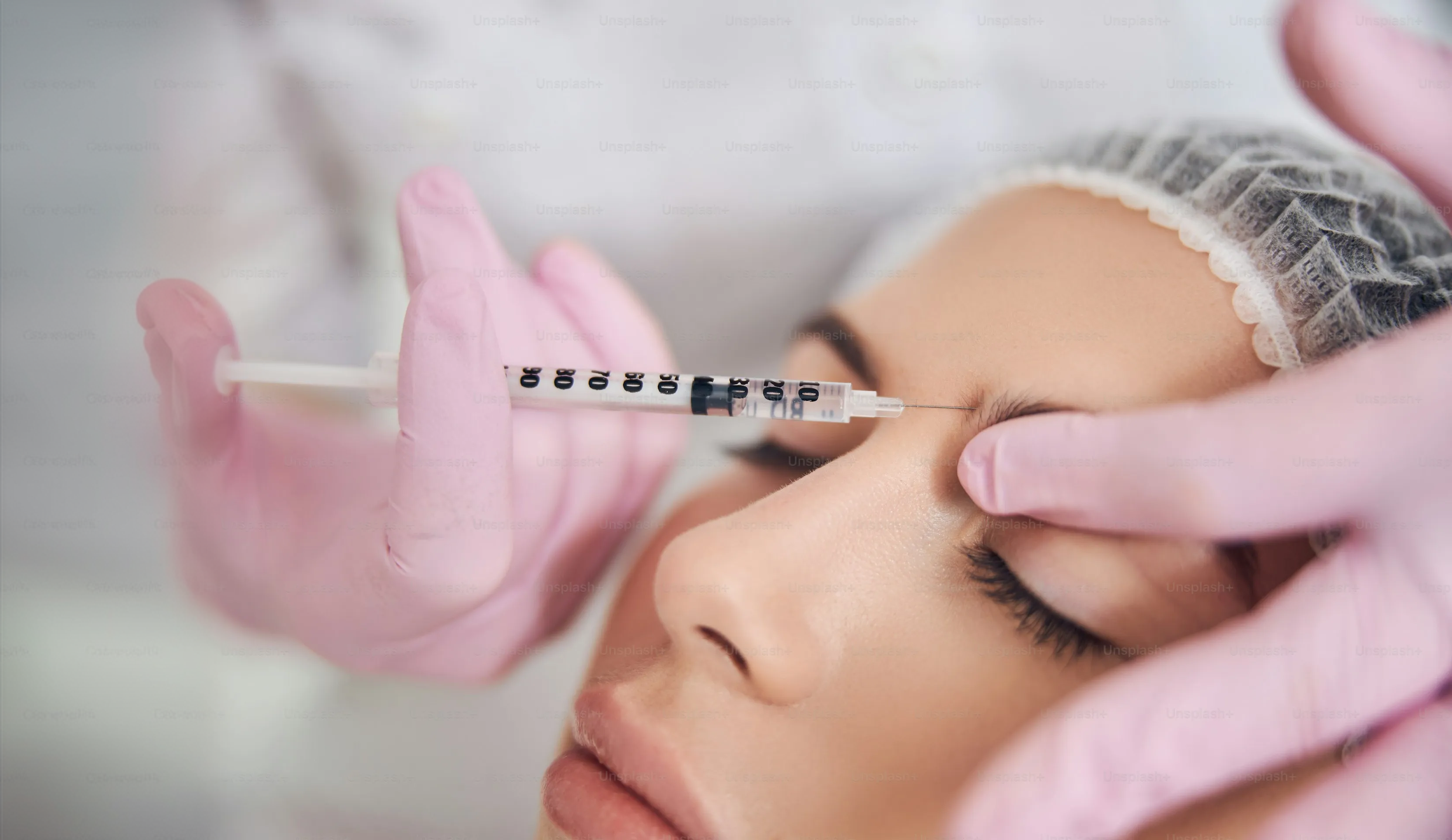
Based on individual needs, a treatment combination is selected (e.g., laser, microneedling, PRP). A topical numbing cream is applied to the treatment area 30 to 45 minutes before the procedure for comfort during laser or microneedling sessions.
03
Treatment Sessions
Procedures are spaced 3–4 weeks apart to allow the skin time to heal and improve. Sessions are spaced four to six weeks apart to allow full collagen remodelling between treatments. Fractional laser, radiofrequency microneedling, or pulsed dye laser is applied depending on the mark type and stage. PRP may be applied topically after microneedling to support the healing response.
04
Post-Treatment Care
Dermatologist-recommended home care, including moisturizers and topicals, supports long-term improvement. Progress photographs are taken at each session and compared against baseline. After the active treatment series, a follow-up at three months assesses the ongoing collagen remodelling that continues after the final session.
Expected Results & Recovery
Got Questions?We've Got Answers
Find answers to the most common questions about our treatments, procedures, and recovery process. If you can't find what you're looking for, our support team is always here to help.
Stretch marks may not fully disappear but can become significantly lighter and smoother with treatment.
Yes. White or silvery marks (older ones) require more sessions and deeper treatments like laser or microneedling.
Yes. Treatments are customized for every skin type to ensure safety and effectiveness.
While moisturizers and oils can support hydration, they offer minimal improvement compared to clinical treatments.
If your stretch marks are recent, worsening, or affect your confidence, a dermatologist can guide the best solution.
No treatment currently available removes stretch marks entirely. The dermal tearing that creates them is a form of scarring, and scars can be improved but not erased. That said, modern laser and microneedling protocols achieve 50 to 75 percent improvement in texture, colour, and width for most patients — a level of change that makes a visible difference.
Both stages respond to professional treatment, but through different mechanisms. Red stretch marks benefit from vascular lasers and show faster improvement because the active inflammatory process aids remodelling. White stretch marks require fractional lasers or radiofrequency microneedling to restart collagen production in dormant tissue. Results take longer — four to six months of progressive improvement after completing the treatment series.
Fractional laser sessions cause redness and mild swelling in the treated area lasting two to five days. The skin may feel sunburned and develop pinpoint scabbing that resolves within a week. Radiofrequency microneedling has slightly less downtime — redness fading within 24 to 48 hours. Neither treatment requires bed rest, and most patients resume normal activities immediately.
No topical product has been proven to prevent stretch marks during pregnancy in rigorous clinical trials — genetics and hormonal factors play the dominant role. However, maintaining steady weight gain within recommended ranges, keeping the skin well-hydrated with emollient-rich moisturisers, and avoiding unnecessary corticosteroid use may reduce severity.
Start Your Personalized Skincare Plan
At ClairéDerma, we believe that healthy, radiant skinis the foundation of confidence and well-being. Ledby Dr. Mohna Chauhan, our clinic offers personalized dermatological care tailored to each patient's unique needs. With over a decade ofexperience and more than 3000 successfully treated patients,