
Age Spots
Reduce Dark Spots and Achieve Even Skin Tone with Advanced Treatments

Understanding Age Spots
Age spots, also known as liver spots or solar lentigines, are flat, dark patches that appear on sun-exposed areas like the face, hands, shoulders, and arms. They result from excess melanin production due to prolonged sun exposure and ageing.
Age spots — clinically known as solar lentigines — are flat, well-defined patches of excess melanin that accumulate in areas repeatedly exposed to ultraviolet radiation. They appear most frequently on the face, hands, forearms, chest, and shoulders after decades of cumulative sun exposure. Unlike freckles, which darken in summer and fade in winter, age spots persist year-round and tend to enlarge and multiply over time.

Treatment Options for Age Spots

Over-the-counter lightening products may take six months or longer to produce even modest fading, and they carry a risk of irritant contact dermatitis if used improperly. Professional treatment at Claire Derma clears age spots in a fraction of the time — most patients see significant improvement within one to three sessions — with less risk of irritation because each treatment.
Treatment Options for Age Spots
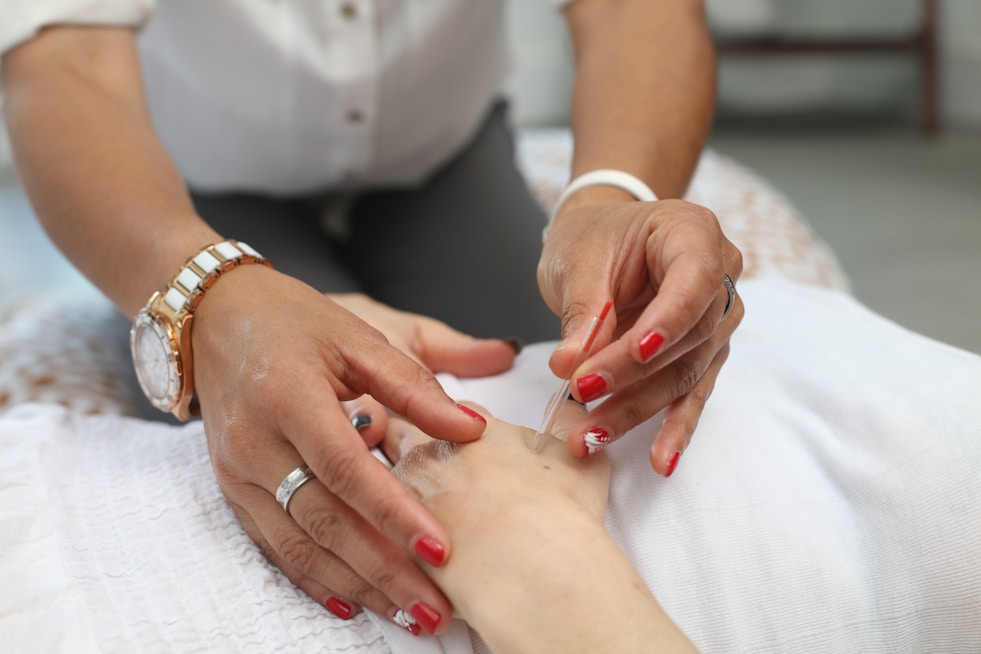
Laser Treatments
Precise laser energy shatters the concentrated melanin in age spots without disturbing the surrounding skin. Dark spots lighten considerably and many fade completely within a few weeks.
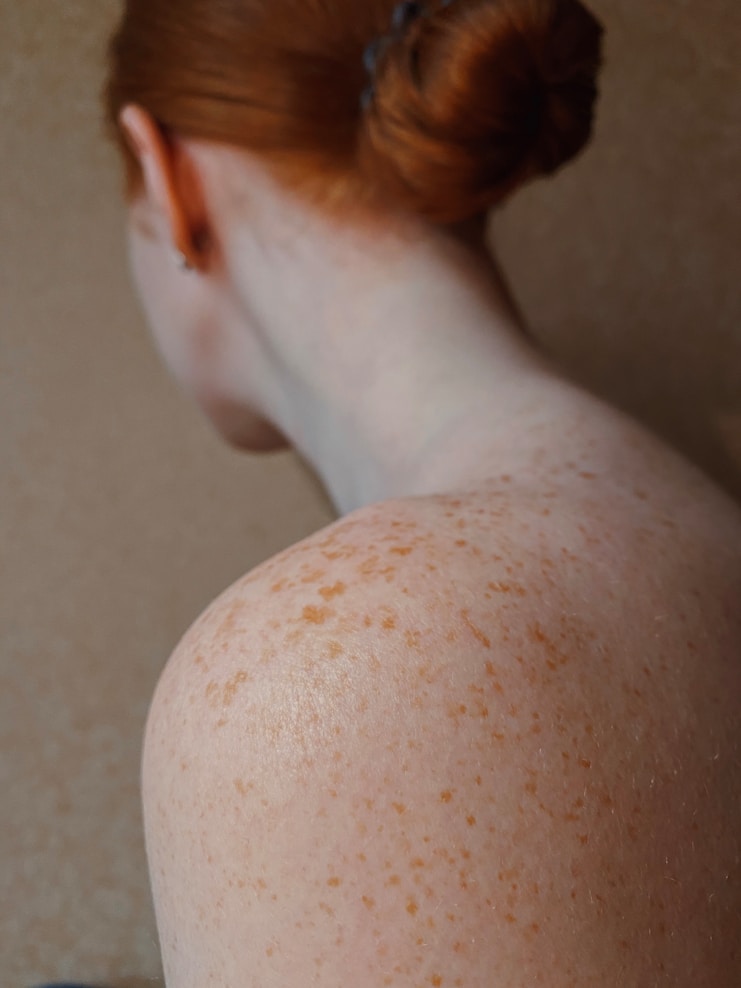
Chemical Peels
Targeted peels speed up the turnover of pigmented skin cells, gradually fading age spots from the surface outward. The treatment also gives the surrounding skin a brighter, fresher look.
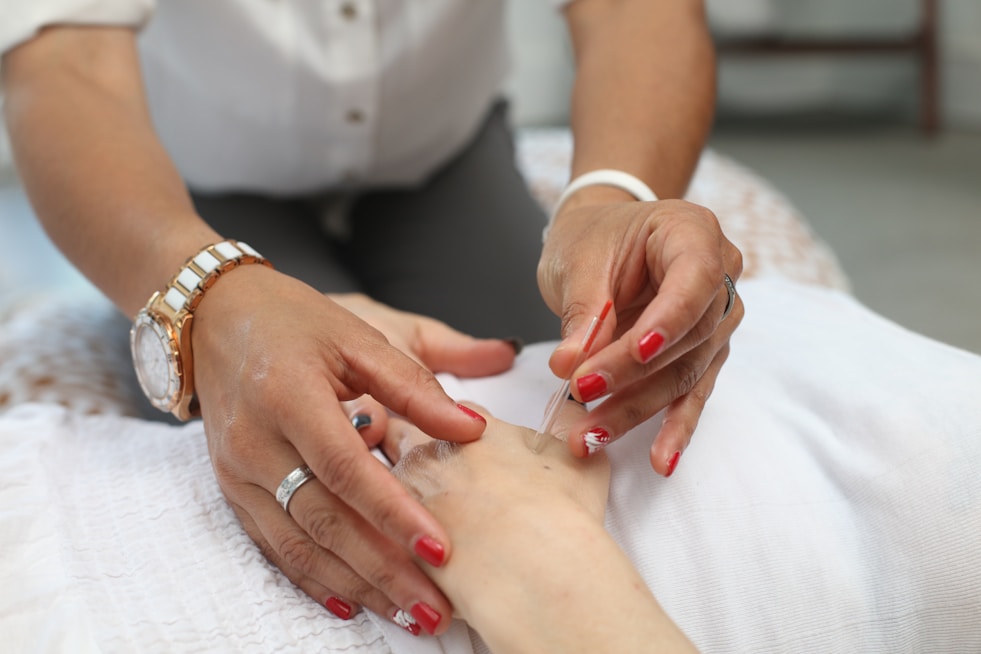
Skin Brightening Treatments
Professional-strength brightening formulas work on age spots at the cellular level, slowing down the melanin overproduction that caused them and restoring a more uniform complexion.

Who Should Get Treatment?
Adults with visible sun-induced pigmentation and uneven skin tone seeking a safer and effective method for spot reduction are ideal candidates.
Age spots develop because of the way melanocytes respond to chronic ultraviolet exposure. Repeated UV hits cause melanocytes in sun-exposed areas to proliferate and produce excess melanin, which gets transferred to surrounding keratinocytes and accumulates as a visible brown patch. This process is cumulative — the spots you see now reflect UV exposure from years or even decades ago.
Treatment Process
01
Consultation & Skin Evaluation
Dermatologist examines skin type, spot characteristics, and recommends suitable treatments. Every pigmented lesion is examined with dermoscopy to confirm it is a benign solar lentigo and not an atypical or potentially malignant lesion.
02
Treatment Sessions
Laser, chemical peels, or topical therapies are applied over multiple sessions. For laser or IPL treatment, we advise avoiding direct sun exposure and self-tanning products for two weeks beforehand to minimise melanin activity in the background skin. A broad-spectrum SPF 50 must be applied daily.
03
Post-Treatment Care
Sun protection, moisturizing, and gentle skincare are advised to maintain results. The selected device — laser, IPL, or peel — is applied to each treatment zone. Sessions typically take 15 to 30 minutes depending on the number of spots and area treated.
04
Follow-Up & Maintenance
Periodic evaluations and sunscreen use prevent recurrence and support healthy skin. At the four-week review, we examine treated areas under dermoscopy to confirm pigment clearance and check for any rebound darkening. Touch-up treatment is applied to any persistent spots.
Expected Results & Recovery
Got Questions?We've Got Answers
Find answers to the most common questions about our treatments, procedures, and recovery process. If you can't find what you're looking for, our support team is always here to help.
Age spots are harmless but may cause cosmetic concern due to their appearance.
Regular sun protection and avoiding tanning can help prevent age spots.
Usually 3–6 sessions are required depending on the severity and type of pigmentation.
Yes, when performed by experienced dermatologists with appropriate settings.
Results often start appearing after the first few sessions and improve over time.
Treated spots that are fully cleared should not return. However, the underlying susceptibility to UV-induced melanin overproduction remains, which means new age spots can develop in the same sun-exposed areas if sun protection is not maintained. At Claire Derma, we prescribe a post-treatment regimen that includes daily SPF 50, a prescription retinoid to regulate melanocyte activity, and a depigmenting serum.
It can be, but the approach must be modified. Standard laser settings used for fair skin carry a higher risk of post-inflammatory hyperpigmentation in Fitzpatrick types IV to VI. At Claire Derma, our dermatologists use longer wavelength Nd:YAG lasers at conservative fluences, or substitute chemical peels and topical depigmenting protocols entirely when the risk profile warrants it.
Benign age spots are typically flat, uniformly coloured, and have smooth, regular borders. Warning signs that warrant professional evaluation include spots with irregular borders, multiple colours within the same lesion, asymmetry, rapid growth, or a diameter greater than six millimetres. Any pigmented spot that changes in size, shape, or colour over weeks to months should be examined promptly.
Age spots on the hands and chest respond well to the same treatments used on the face, though the skin in these areas requires slightly adjusted parameters. Hand skin is thinner and more prone to bruising, so we use conservative laser settings and may prefer IPL for broader coverage.
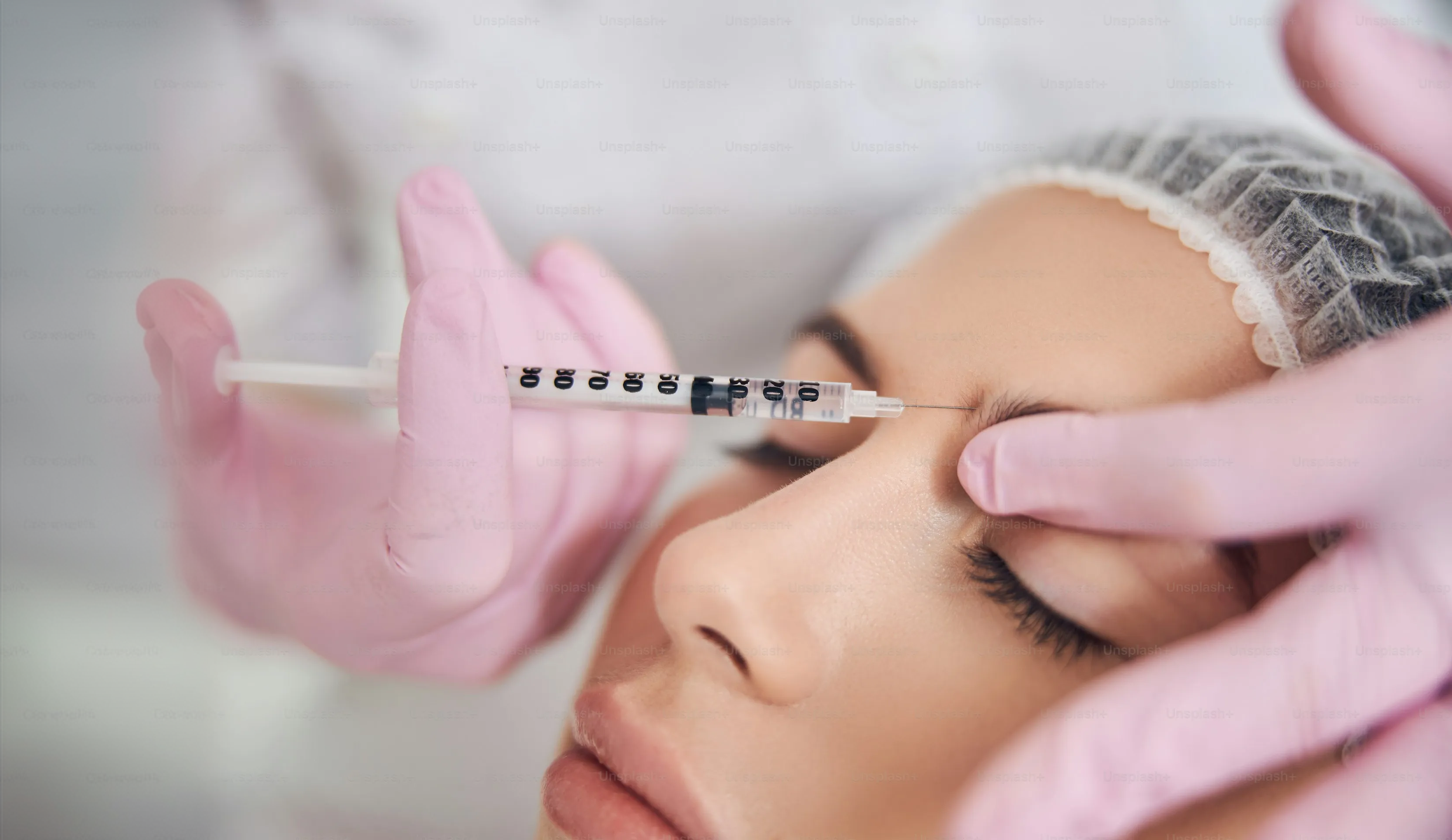
Start Your Personalized Skincare Plan
At ClairéDerma, we believe that healthy, radiant skinis the foundation of confidence and well-being. Ledby Dr. Mohna Chauhan, our clinic offers personalized dermatological care tailored to each patient's unique needs. With over a decade ofexperience and more than 3000 successfully treated patients,