








Electrolyte-Infused Skincare: Why Minerals Matter for Healthy, Glowing Skin
Discover how electrolyte-infused skincare supports hydration, barrier repair, and glowing skin. Learn about key minerals like magnesium, potassium, and calcium.
Read article

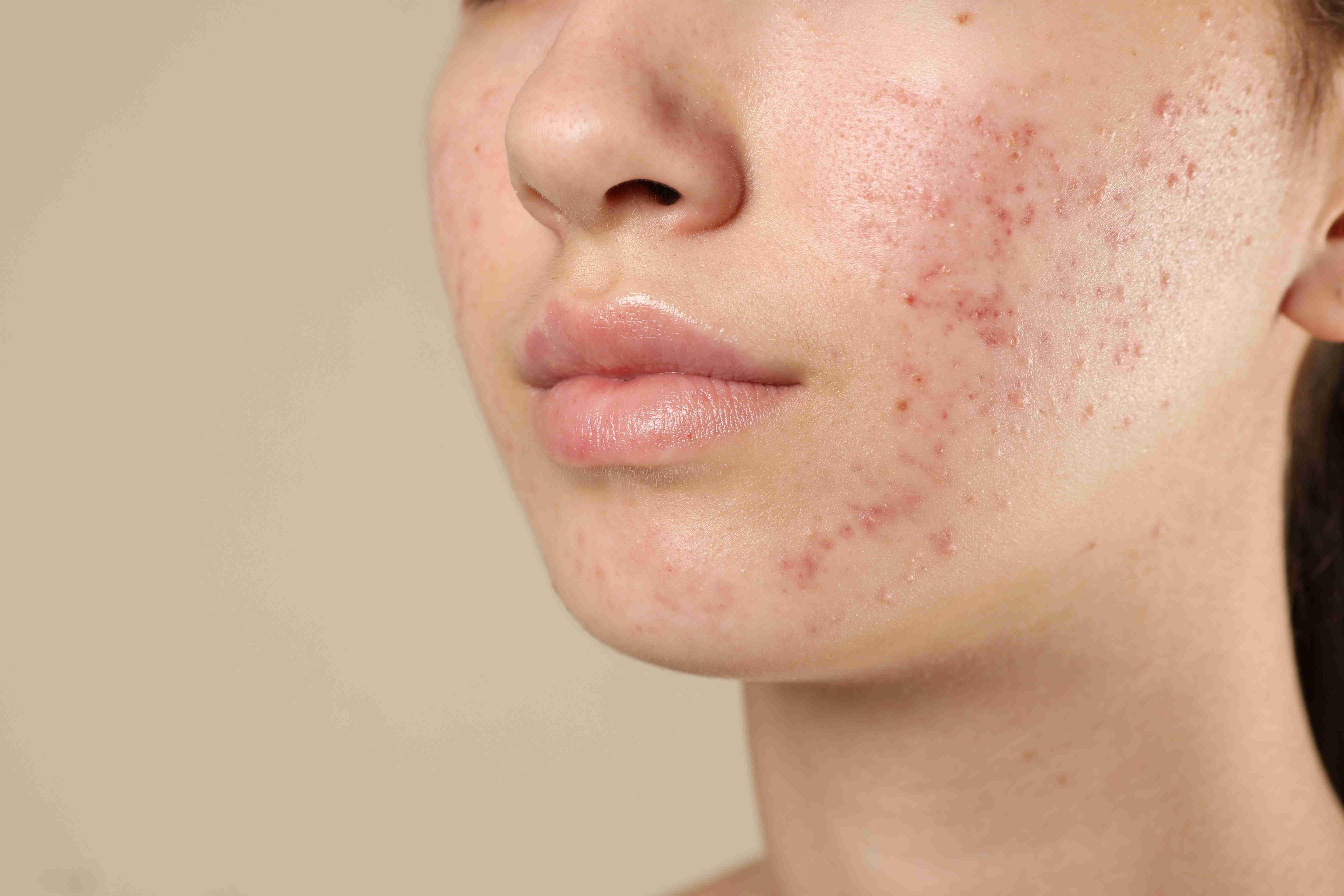
Acne vulgaris is a chronic inflammatory skin disorder that affects the oil glands and hair follicles. It appears as whiteheads, blackheads, papules, pustules, nodules, and cystic acne, commonly on the face, back, chest, and shoulders. It develops when excess sebum, dead skin cells, and acne-causing bacteria block pores, leading to redness, swelling, and infection.
If not treated correctly, acne vulgaris can result in permanent acne scars, pigmentation, and uneven skin texture. At ClairéDerma, we specialize in treating all grades of acne including mild, moderate, and severe, with a medically guided and long-term approach.

At ClairéDerma Skin Clinic, acne treatment is about restoring skin balance and preventing future flare-ups. Our dermatologist targets the four main causes of acne:
Excess oil production
Bacterial growth
Pore blockage
Skin inflammation

This comprehensive method ensures both active acne control and long-term skin health.
Medical-grade topical retinoids and anti-acne creams
Oral medications for moderate to severe acne
Advanced chemical peels for acne control
Professional acne extraction and in-clinic procedures
Skin barrier repair and oil-regulating therapies

Visible reduction in active acne and redness
Prevention of future breakouts
Reduced risk of acne scars and dark spots
Balanced oil production
Smoother, clearer and healthier-looking skin
Dermatologist-supervised safe treatment

Acne vulgaris treatment at ClairéDerma is ideal for:
Teenagers and adults with persistent acne
Individuals with oily, acne-prone skin
Those experiencing painful or inflamed pimples
Patients with recurring breakouts despite using products
People concerned about acne marks or scarring
A skin specialist at ClairéDerma evaluates acne severity, skin type, and triggers.
Oil levels, inflammation, and pore condition are assessed.
Customized prescription skincare, medication, or procedures are planned.
Medical peels, acne extraction, or other dermatologist-recommended treatments.
Regular follow-ups at ClairéDerma ensure safe progress and long-term control.
Patients typically notice fewer breakouts, reduced redness, and improved skin texture within 4-6 weeks. Moderate to severe acne may require multiple sessions and continued care. Some dryness or mild peeling may occur initially, which is temporary. With consistent treatment at ClairéDerma, acne can be effectively managed and skin clarity significantly improved.

Discover how electrolyte-infused skincare supports hydration, barrier repair, and glowing skin. Learn about key minerals like magnesium, potassium, and calcium.
Read article
Find out how the skinminimalism trend can make your skincare routine easier in 2025. Find out how using fewer products that do more than one thing can help your skin, save you money, and make you less irritated.
Read article
Discover how chemical peels can transform your skin. Learn about different types, benefits, and aftercare tips for the best results.
Read articleFind answers to the most common questions about our treatments, procedures, and recovery process. If you can't find what you're looking for, our support team is always here to help.
7 questions
ClairéDerma provides dermatologist-led acne treatment using advanced medical solutions and personalized skincare plans for long-term control.
Acne can be effectively controlled with proper treatment and maintenance, though occasional flare-ups may occur.
Mild acne may improve with skincare and medication, while moderate to severe acne may need multiple sessions and follow-ups.
Initial improvement is usually seen in 4-6 weeks, with continued progress over time.
Yes, controlling acne early helps prevent marks, and additional treatments can target pigmentation and scars.
Yes. All treatments at ClairéDerma are customized according to your skin type.
Untreated acne can lead to permanent scarring, pigmentation, and worsening inflammation.