Crow's Feet
Reduce Fine Lines Around the Eyes for a Youthful Appearance

What Are Crow’s Feet?
Crow’s feet, also known as lateral canthal lines, are fine lines that appear around the outer corners of the eyes. These dynamic wrinkles are often among the earliest signs of ageing and are caused by repeated facial expressions, sun exposure, and reduced collagen production.
Crow's feet — the fan-shaped lines radiating from the outer corners of the eyes — develop where thin periorbital skin meets one of the most active muscles in the face, the orbicularis oculi. Every smile, squint, and blink contracts this muscle, creasing the delicate skin above it thousands of times each day.

Effective Treatments for Crow’s Feet
Eye creams marketed for crow's feet typically contain low concentrations of retinol or peptides that may modestly improve surface hydration but lack the potency to rebuild collagen in skin this thin.
Treatment Options for Crow's Feet

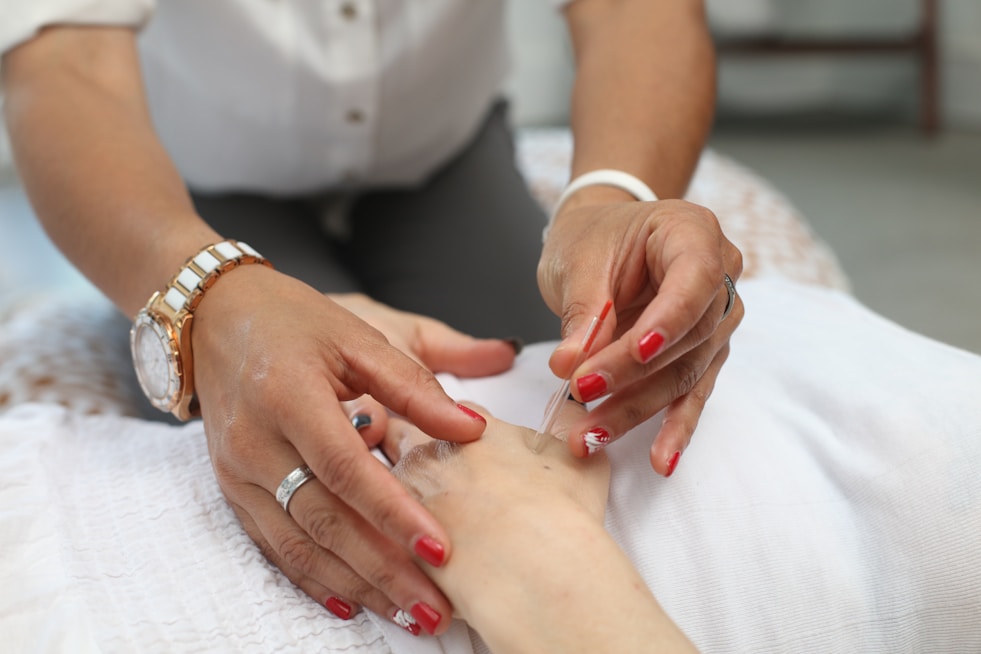
Neurotoxin Injections
A few precise injections around the outer eye relax the orbicularis muscle that bunches up when you smile. Crow's feet soften dramatically while you still look like yourself.
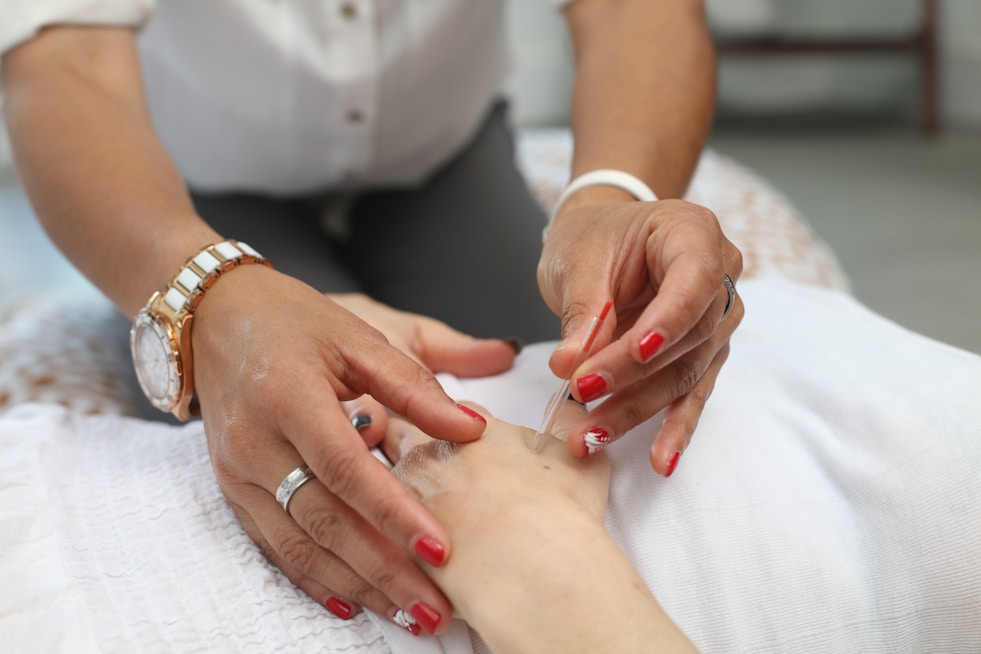
Anti-Aging Solutions
Anti-aging treatments for the eye area address both the lines and the skin thinning that makes them more visible. The delicate skin around the eyes gets firmer and more hydrated.
Collagen Remodelling
Collagen remodelling thickens the thin skin around the eyes, making crow's feet less visible even when you are not using neurotoxin. It works especially well as a complement to injectables.

Who Can Opt for It
Individuals in their late 20s to 60s experiencing early to moderate signs of crow’s feet and wishing for non-surgical facial rejuvenation are suitable candidates. A skin assessment helps choose the right method.
Several habits accelerate crow's feet development beyond normal ageing. Habitual squinting — from uncorrected vision, screen glare, or bright sunlight without UV-protective eyewear — contracts the orbicularis oculi far more frequently than necessary. Sleeping on your side presses the lateral eye area into the pillow for hours, creating compression lines that compound expression-based creases. Rubbing the eyes during allergy season stretches the already thin periorbital skin.
Treatment Flow
01
Consultation
Your dermatologist evaluates the depth of wrinkles and suggests a personalized treatment plan. Your dermatologist examines the periorbital area at rest and during a series of expressions — smiling, squinting, raising the brows — to classify your crow's feet as dynamic, static, or mixed. Skin quality around the eyes is assessed for crepiness, dehydration, and pigmentation.
02
Procedure
Botox injections or other treatments are performed in a short in-clinic session. For botulinum toxin, no formal preparation is needed beyond avoiding blood-thinning supplements for a few days. If laser or microneedling is planned, we may prescribe a gentle retinoid for two weeks beforehand to prime the periorbital skin.
03
Aftercare
Temporary redness or swelling may occur. Avoid rubbing the area and follow post-care advice. Botulinum toxin injections take approximately ten minutes and involve two to three precisely placed injections per side using a fine-gauge needle. Skin-quality treatments — laser, microneedling, or skin boosters — are performed in the same visit or scheduled separately depending on the protocol.
04
Results & Maintenance
Results appear within 3–7 days and may last 3–6 months depending on the treatment. A two-week review assesses the neuromodulator effect and determines whether a small touch-up dose is needed. If skin treatments were performed, progress photographs are taken at four and twelve weeks.
Expected Results & Recovery
Got Questions?We've Got Answers
Find answers to the most common questions about our treatments, procedures, and recovery process. If you can't find what you're looking for, our support team is always here to help.
While they may not be fully reversible, treatments like Botox and fillers significantly reduce their appearance.
Yes, when administered by trained professionals, Botox around the eyes is safe and effective.
You’ll start seeing improvement in 3–5 days, with full effect in 7–10 days.
Results from Botox generally last 3–4 months, after which maintenance is required.
Yes, laser, PRP, and topical skincare can complement Botox for more comprehensive results.
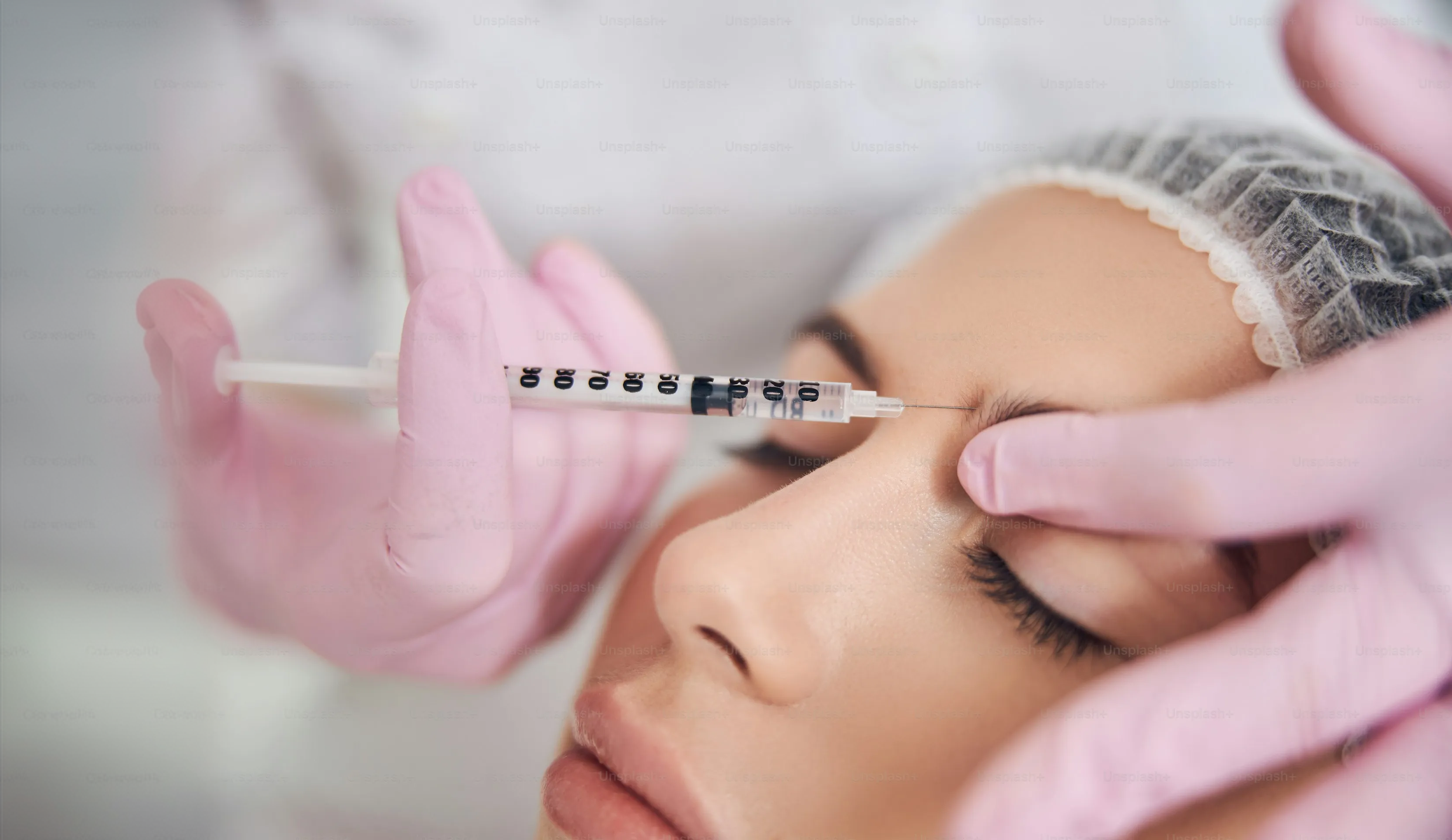
Not when administered correctly. At Claire Derma, our dermatologists use conservative doses — typically 6 to 12 units per side — placed at specific points along the lateral orbicularis oculi. This reduces the intensity of the muscle contraction that causes creasing without eliminating natural movement. Your eyes will still crinkle when you smile or laugh; the lines will simply be softer and shallower.
Crow's feet and under-eye concerns often coexist, and treating them together produces a more balanced result. Botulinum toxin targets the lateral lines, while under-eye crepiness responds to microneedling or skin boosters. If hollowness or dark circles are present, a small amount of under-eye filler may be appropriate.
Botulinum toxin effects wear off gradually over three to four months as nerve signals to the muscle resume. Most patients settle into a schedule of three to four treatments per year. Skin-quality treatments like laser sessions or skin boosters are typically performed two to three times annually for maintenance after the initial course is complete.
Several non-injectable options can improve crow's feet, particularly in the early stages. Non-ablative fractional laser stimulates collagen production in the periorbital dermis without needles. Radiofrequency microneedling combines collagen induction with thermal tightening. Chemical peels formulated for the delicate eye area can improve surface texture. These treatments work best for fine, superficial lines and as maintenance between neuromodulator sessions.

Start Your Personalized Skincare Plan
At ClairéDerma, we believe that healthy, radiant skinis the foundation of confidence and well-being. Ledby Dr. Mohna Chauhan, our clinic offers personalized dermatological care tailored to each patient's unique needs. With over a decade ofexperience and more than 3000 successfully treated patients,