




Electrolyte-Infused Skincare: Why Minerals Matter for Healthy, Glowing Skin
Discover how electrolyte-infused skincare supports hydration, barrier repair, and glowing skin. Learn about key minerals like magnesium, potassium, and calcium.
Read article
Smooth Out Prominent Lines and Restore Skin Volume with Expert Treatments

Deep folds, often visible around the mouth, nose, and lower cheeks, result from a loss of skin volume, collagen breakdown, and repeated facial expressions. These folds include nasolabial folds (smile lines) and marionette lines. Though part of natural ageing, they can be softened or corrected with dermatological interventions.
Deep facial folds form where structural support has been lost beneath the skin surface. The nasolabial folds running from nose to mouth and the marionette lines extending from the mouth corners downward are the most common, but some patients also develop deep mentolabial creases or prominent tear troughs.

Hyaluronic Acid Fillers
Dermal fillers restore lost volume and instantly smooth deep lines.
Collagen Biostimulators
Stimulates collagen for gradual improvement in skin texture.
Microneedling with PRP
Encourages skin regeneration for subtle, natural correction.
Anatomically Guided Correction
Rather than filling a fold at surface level, our dermatologists trace each crease back to its anatomical origin and treat the cause.
Durable, Predictable Outcomes
High-viscosity structural fillers placed on bone last eighteen to twenty-four months because they experience less mechanical stress than superficially placed products.
Restored Facial Proportions
Deep folds disrupt the smooth transitions between facial zones. By restoring volume in the correct planes, treatment at Claire Derma re-establishes proportional balance between the mid-face, lower face, and jawline.
Attempting to correct deep folds at home with massage, face tape, or topical fillers rarely produces lasting change because the problem originates in tissue layers that external approaches cannot reach. Professional treatment at Claire Derma works within the deep dermis and subcutaneous plane where the structural deficit exists.
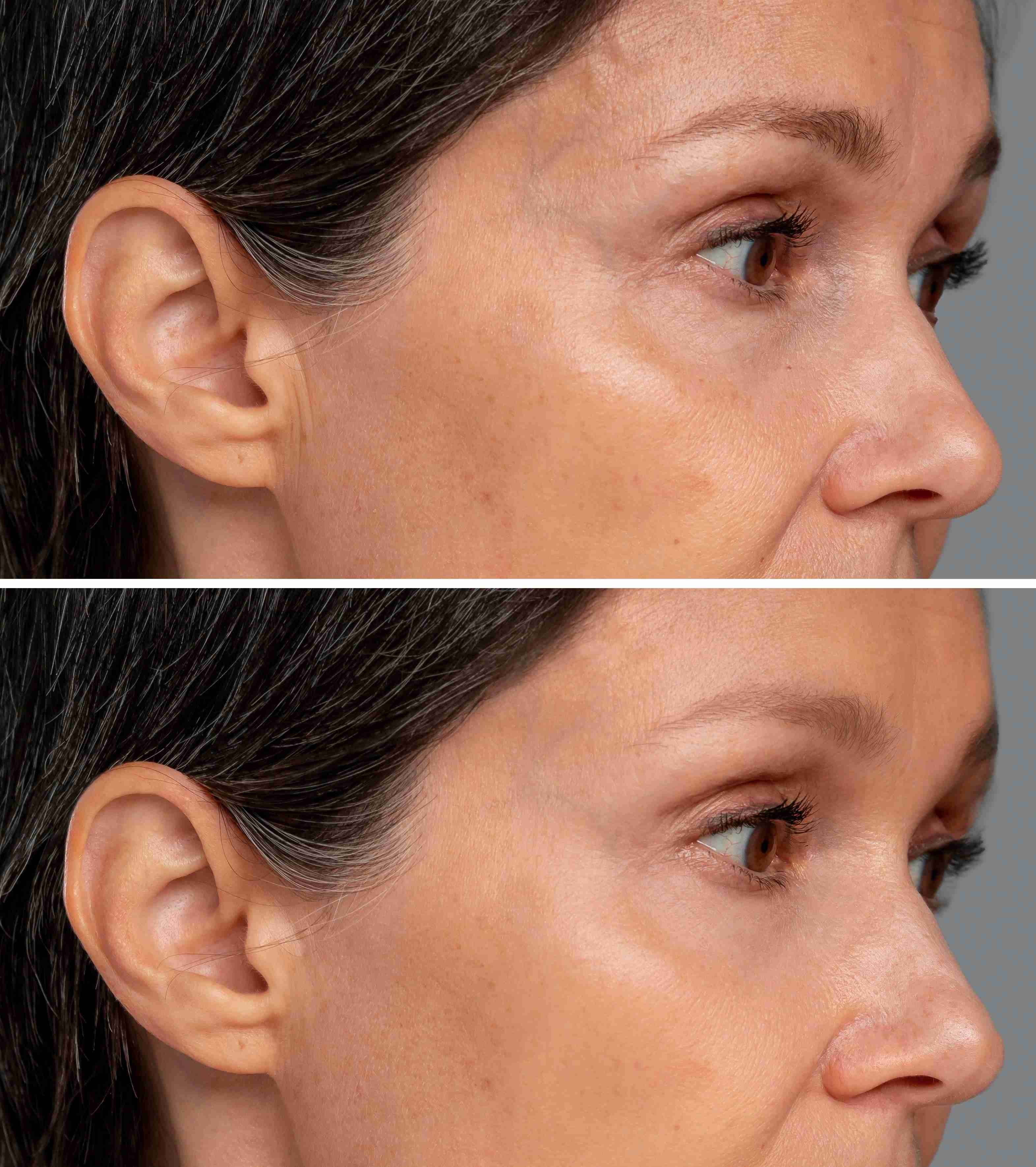
Strategic neurotoxin placement softens the muscle pull that deepens nasolabial folds and marionette lines. The folds become less prominent without affecting your natural expressions.
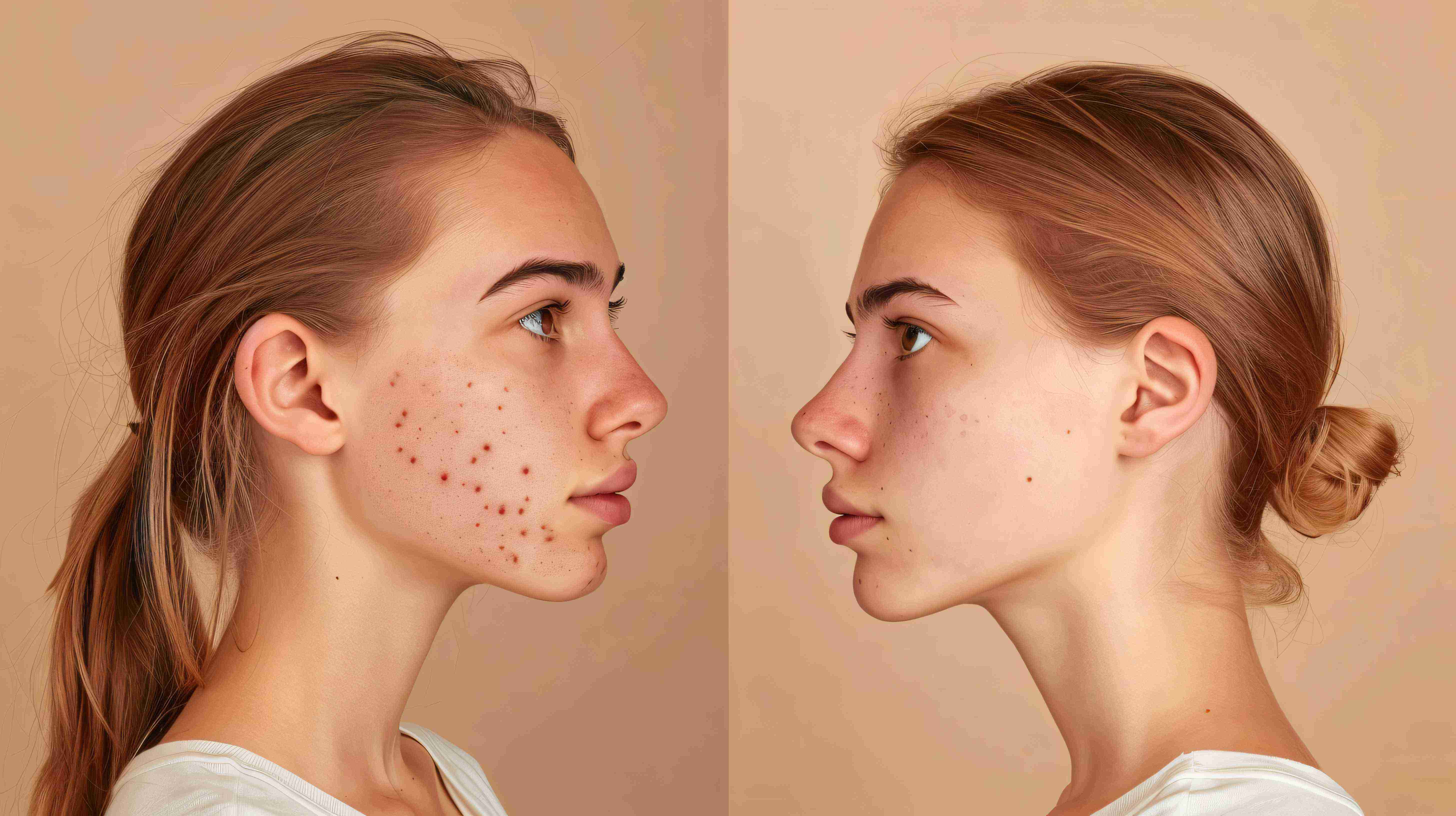
Hyaluronic fillers add volume directly into deep folds, lifting the crease from underneath. The results are immediate and the filler integrates naturally with your own tissue.
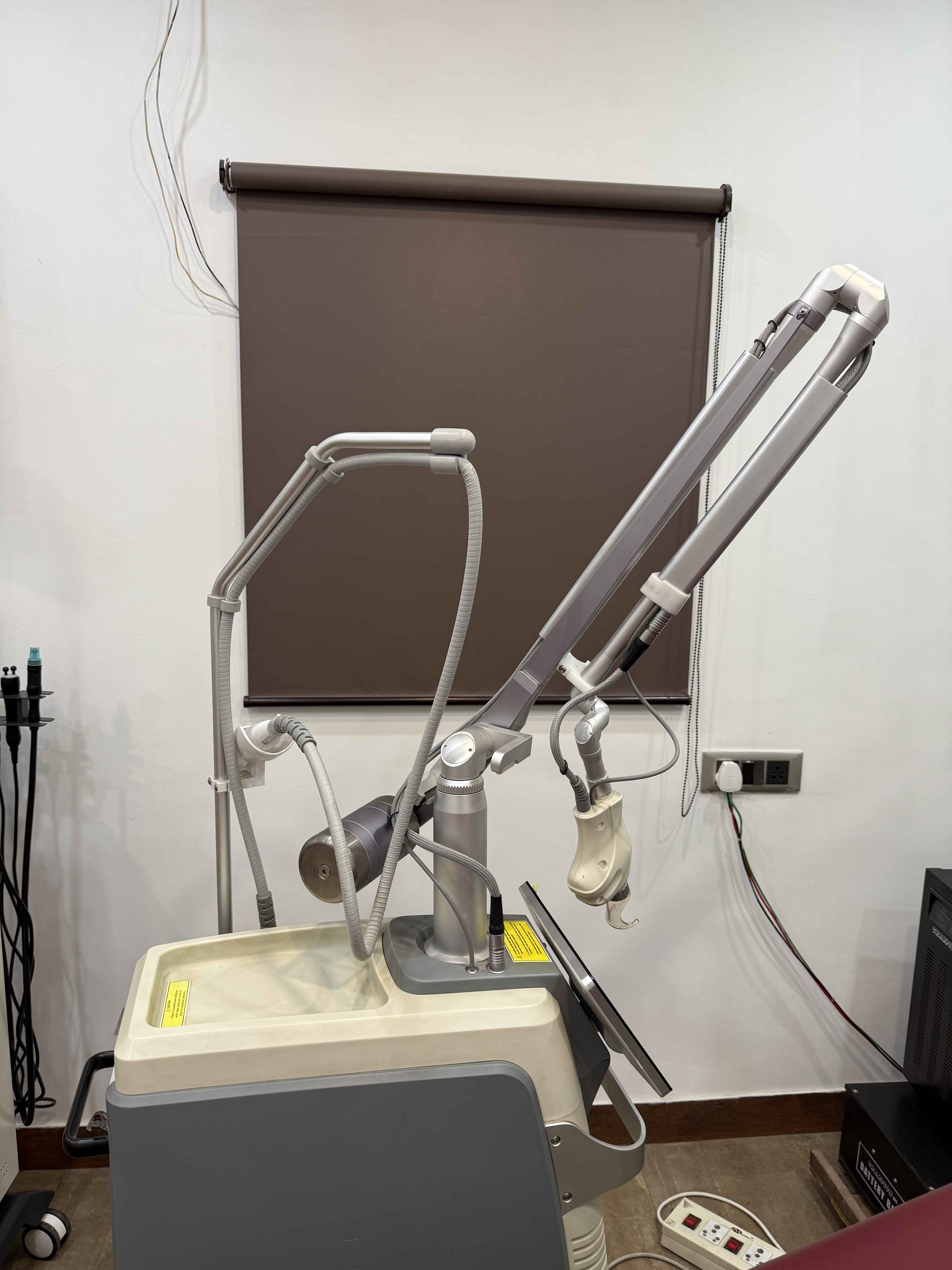
Collagen remodelling builds structural support in the areas where deep folds form, gradually reducing their depth. It is a good option for people who want improvement without injectable fillers.
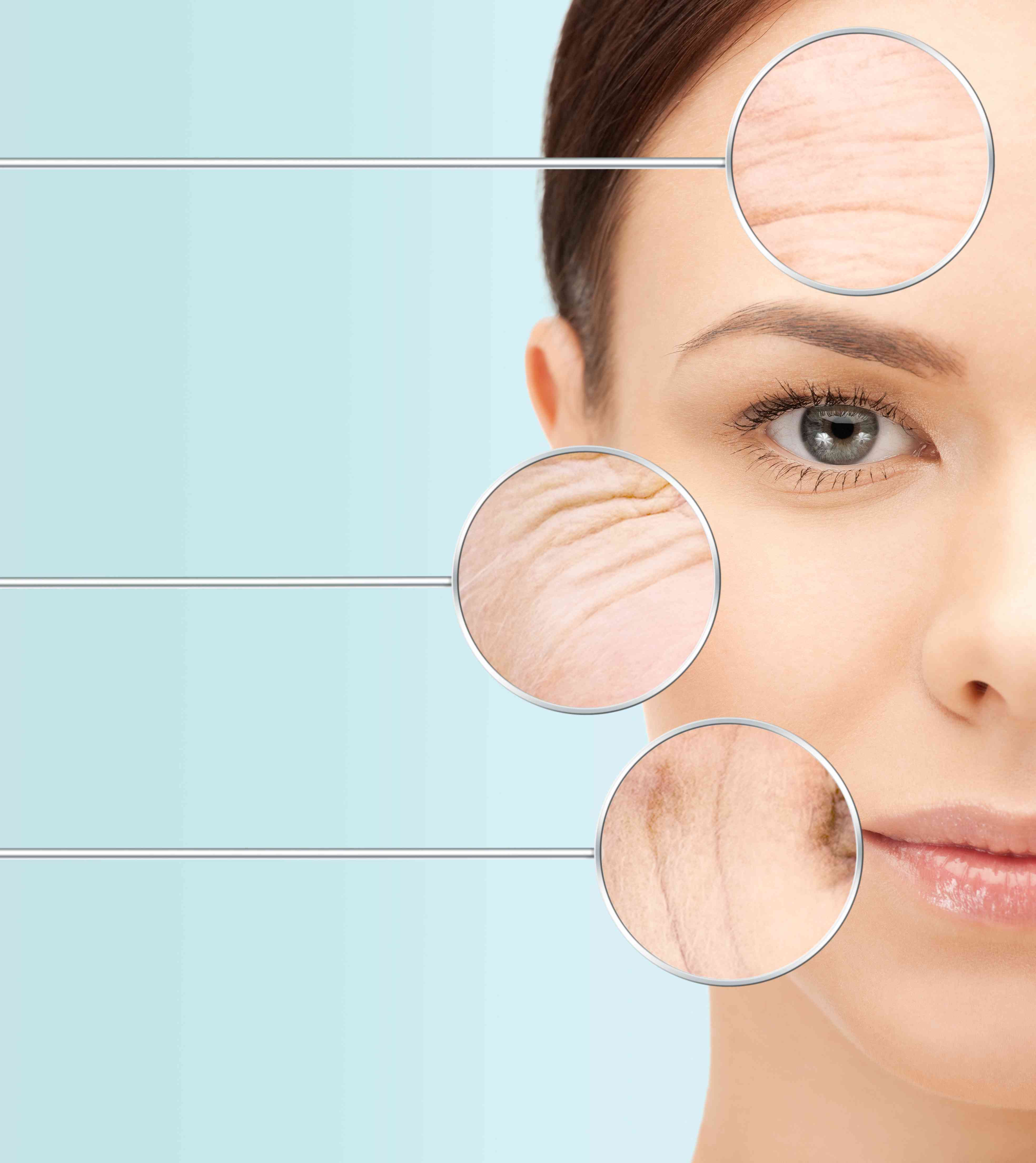
Adults with moderate to deep nasolabial or marionette folds seeking a refreshed look without surgery are good candidates. A dermatologist will assess your skin and recommend the most suitable method.
The rate at which deep folds progress depends on several interacting factors. Bone resorption — particularly at the maxilla and mandible — accelerates after age forty and removes the skeletal scaffolding that supports soft tissue. Repetitive facial expressions deepen dynamic creases into permanent folds. Chronic sun exposure degrades the dermal collagen that provides tensile strength to the skin overlying these creases. Smoking doubles the rate of perioral fold development.
A facial assessment is done to plan the placement and quantity of fillers or regenerative treatments. Your dermatologist evaluates each fold using clinical grading scales and examines the underlying volume loss in adjacent facial compartments. We photograph your face at rest and during expressions to distinguish static folds from those worsened by muscle movement.
Depending on the treatment, injections or microneedling are performed, typically in under 45 minutes. We advise avoiding aspirin, ibuprofen, fish oil, and high-dose vitamin E for seven days prior to injection to reduce bruising risk. On the treatment day, the skin is cleaned and numbing cream is applied to the treatment zones for 20 minutes.
Minimal downtime with some redness or swelling. Avoid sun and vigorous activity for 24 hours. Filler is placed in layers — deep structural product first, followed by mid-plane volume and surface refinement. Cannula technique is used wherever possible to reduce bruising and allow smooth, even distribution. Each session takes 30 to 45 minutes.
Touch-ups may be done every 6–12 months depending on the chosen method. We schedule a review at two weeks to assess symmetry and fold depth under standardised lighting. Minor adjustments are made if needed. Longer-term reviews at three and six months evaluate product longevity and collagen remodelling progress.
Botulinum toxin injections for frown lines, forehead lines and crow’s feet
Injectable hyaluronic acid that hydrates skin from within and softens scars and fine lines
Advanced collagen induction therapy to tighten skin, reduce wrinkles, and restore youthful elasticity with clinically proven results.
Discover how electrolyte-infused skincare supports hydration, barrier repair, and glowing skin. Learn about key minerals like magnesium, potassium, and calcium.
Read article
Find out how the skinminimalism trend can make your skincare routine easier in 2025. Find out how using fewer products that do more than one thing can help your skin, save you money, and make you less irritated.
Read article
Discover how chemical peels can transform your skin. Learn about different types, benefits, and aftercare tips for the best results.
Read articleFind answers to the most common questions about our treatments, procedures, and recovery process. If you can't find what you're looking for, our support team is always here to help.
9 questions
Depending on the product, results can last from 6 months to 2 years. Maintenance sessions help retain results.
Yes, FDA-approved dermal fillers used by experienced professionals are safe and effective.
Not when administered correctly. Our goal is subtle enhancement that maintains your natural expression.
In case of hyaluronic acid fillers, yes – a special enzyme can dissolve them safely.
Most patients resume normal activities immediately or within a day after the treatment.
The degree of correction depends on the fold's depth, its cause, and the surrounding tissue quality. Mild to moderate folds can often be softened to the point where they blend seamlessly with the surrounding skin. Very deep, long-established folds can be significantly reduced but may retain a faint crease, particularly during animation.
Injecting filler directly into a deep fold can produce visible results quickly, but it often creates a ridge or sausage-like appearance because the fold is being pushed outward rather than lifted from beneath.
Bruising varies by patient and technique. Cannula-based placement, which our dermatologists use for most fold corrections, produces significantly less bruising than needle injection — most patients experience mild swelling for two to three days and minimal or no bruising. When it does occur, bruising typically resolves within five to seven days and can be covered with mineral makeup the following day.
The primary risks include bruising, asymmetry, and — very rarely — vascular occlusion if filler is inadvertently placed into or compresses a blood vessel. At Claire Derma, our dermatologists mitigate these risks through thorough anatomical knowledge, aspiration before injection, use of blunt-tip cannulas, and slow product deposition.