



Electrolyte-Infused Skincare: Why Minerals Matter for Healthy, Glowing Skin
Discover how electrolyte-infused skincare supports hydration, barrier repair, and glowing skin. Learn about key minerals like magnesium, potassium, and calcium.
Read article
Smooth and Rejuvenate Forehead Skin to Restore Youthful Appearance

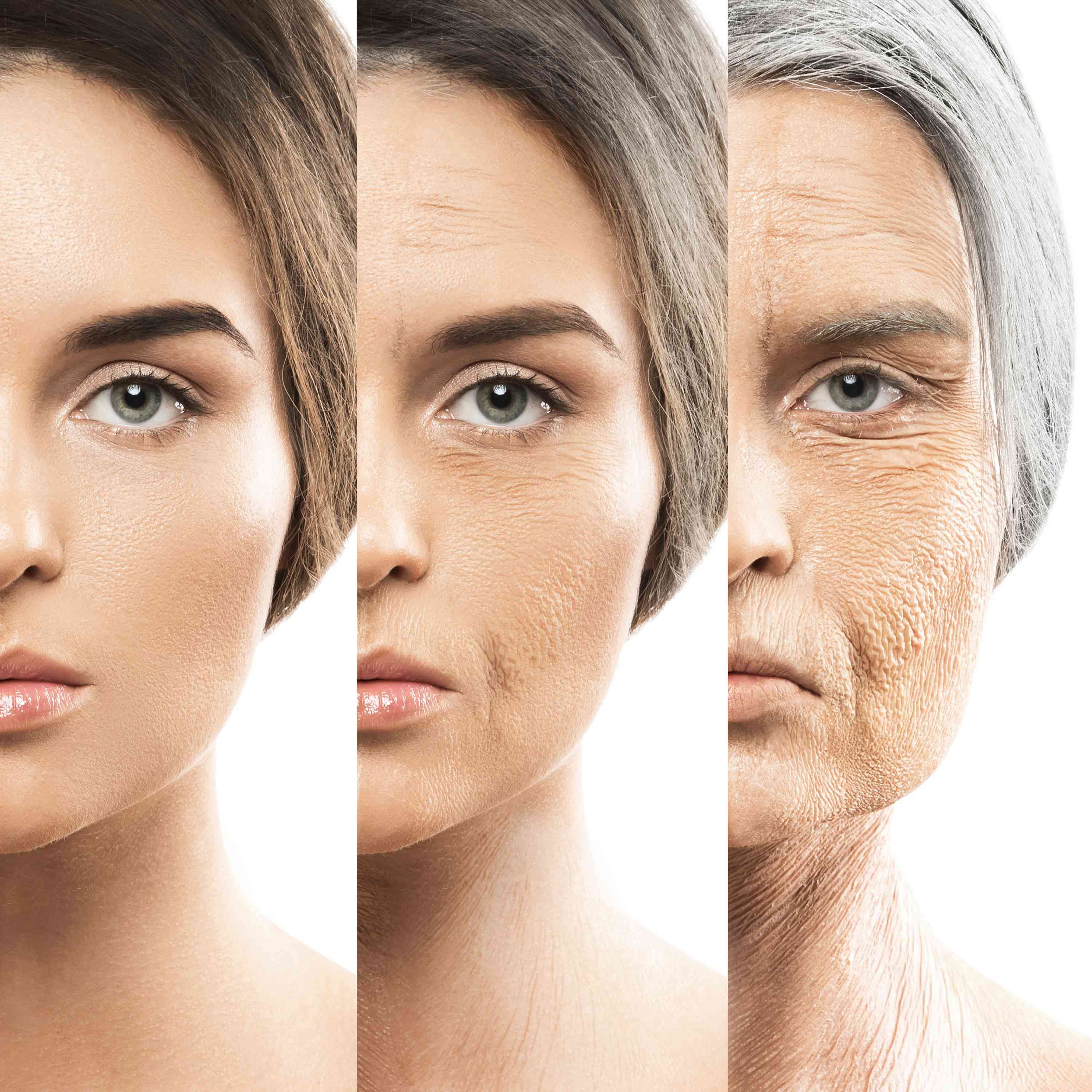
Forehead lines are horizontal wrinkles that appear across the forehead due to repeated facial expressions like raising eyebrows, ageing, and collagen loss. These lines can make the face look tired or aged.
Forehead lines are created by the frontalis muscle — the broad, flat muscle that lifts the eyebrows and contracts every time you express surprise, concern, or concentration. Unlike other facial muscles that have bony attachments at both ends, the frontalis inserts directly into the skin of the forehead. Every contraction folds the overlying dermis like a hinge.
Botox
Botulinum toxin injections relax muscles to reduce dynamic lines.
Fillers
Dermal fillers to soften deep lines and restore volume.
Laser & Microneedling
Laser resurfacing and microneedling to boost collagen and smooth skin.
Chemical Peels
Chemical peels to improve skin texture and tone.
Muscle and Skin Dual-Treatment
Treating both the muscular cause and the dermal consequence of forehead lines produces more complete correction than either approach alone.
Natural Brow Position Maintained
Over-treatment of the forehead with botulinum toxin can drop the brow and create a heavy, hooded appearance.
Cumulative Improvement
Each round of collagen-stimulating treatment adds to the dermal support beneath forehead lines. Over twelve to eighteen months of consistent treatment, the skin becomes more resistant to creasing.
Forehead lines respond poorly to topical treatments alone because the primary driver is muscular — no cream can prevent the frontalis from contracting. Retinoids and peptides may improve overall skin quality and slightly reduce fine surface lines, but they cannot stop the mechanical folding that creates deeper creases.
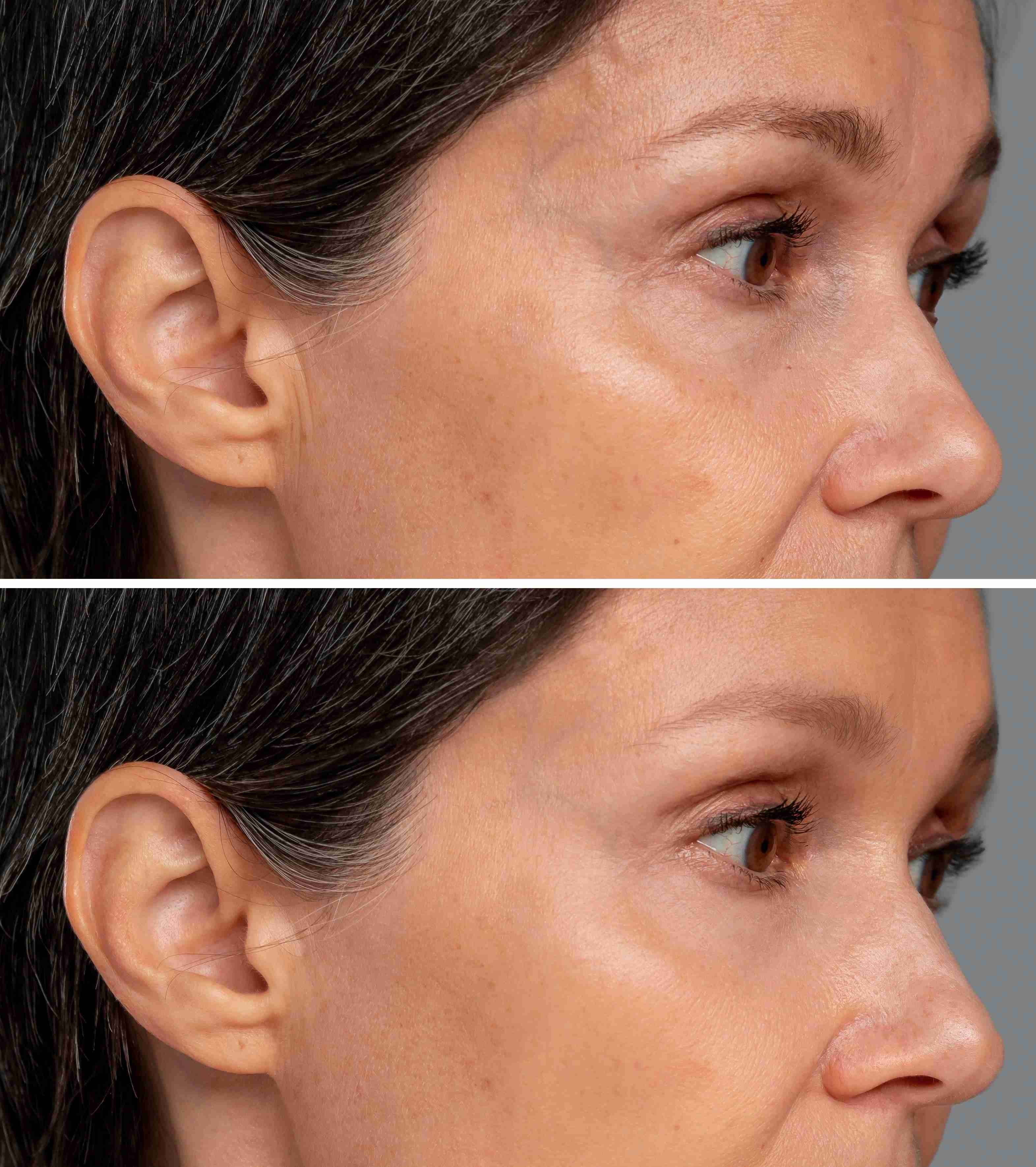
Neurotoxin is the go-to treatment for forehead lines because it targets the exact muscles that create them. A few small injections smooth out horizontal creases for three to four months.
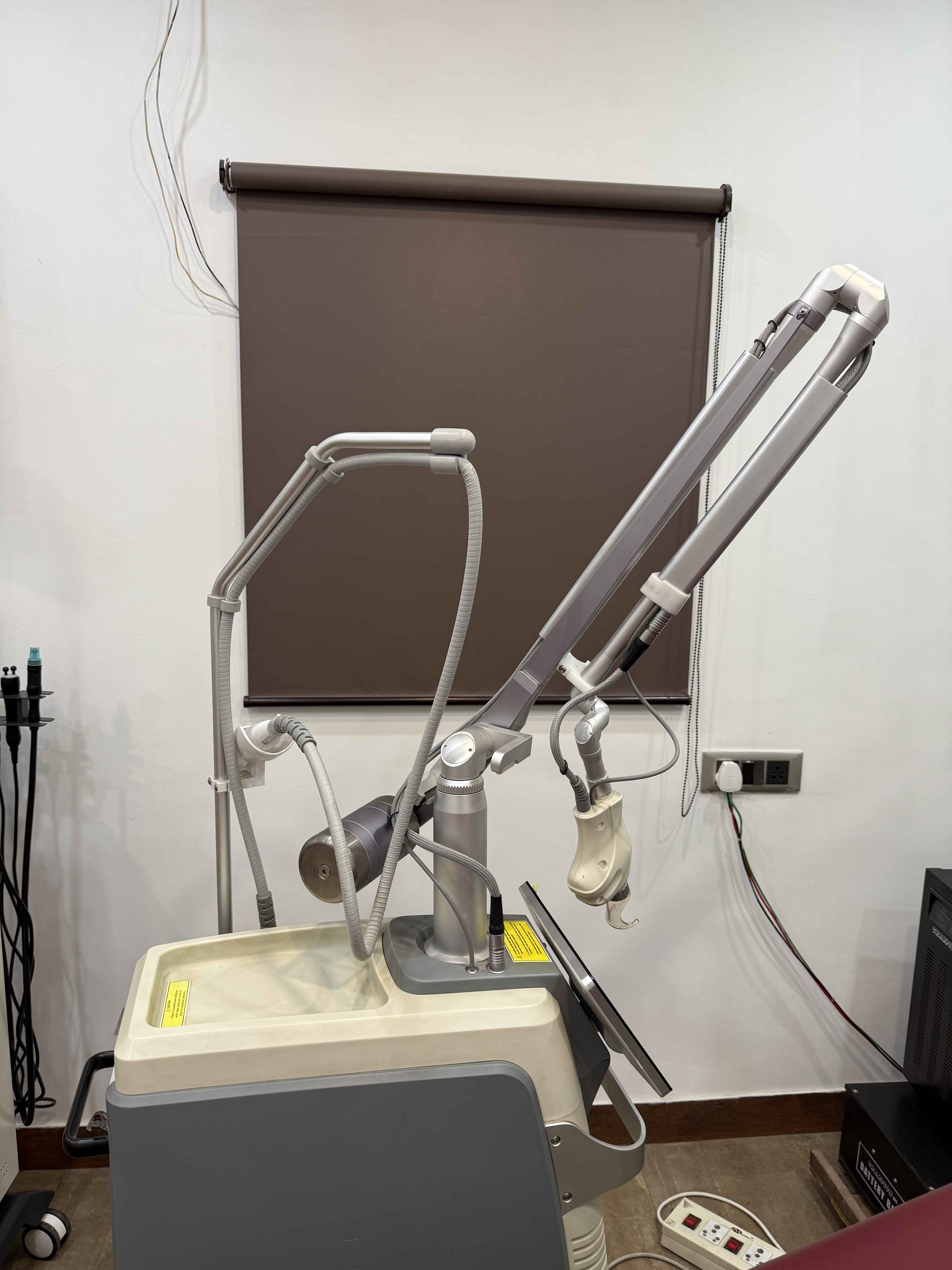
For forehead lines that are visible even when the face is relaxed, collagen remodelling thickens the skin so those etched-in creases become less obvious over a series of treatments.

A combined approach treats forehead lines from multiple angles, relaxing the muscles that cause them and rebuilding the skin structure that has worn thin from years of movement.
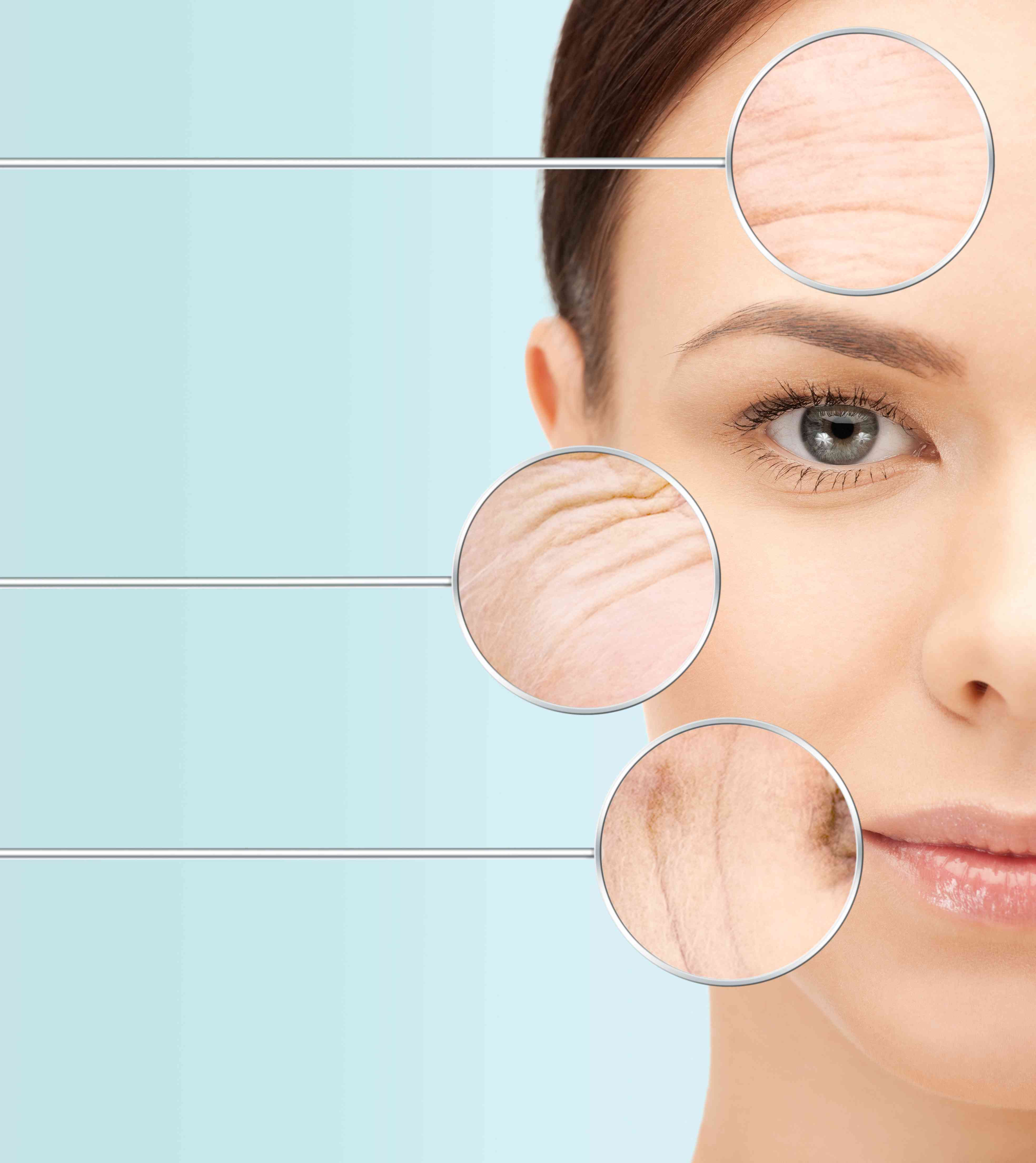
Adults showing early to moderate forehead wrinkles who want non-surgical rejuvenation to restore smoother skin are ideal candidates.
Certain habits speed up forehead line development beyond what ageing alone would produce. Habitual brow-raising — a common subconscious response during conversation or concentration — engages the frontalis far more often than necessary. Wearing glasses that slide down the nose triggers repeated brow elevation to keep them in place. Uncorrected vision causes constant squinting and forehead tension.
Dermatologist assesses wrinkle severity, skin type, and designs a customized plan. Your dermatologist evaluates forehead line depth at rest and during expression, assesses brow position and frontalis muscle strength, and examines skin quality for signs of photoageing or thinning. We photograph the forehead under standardised lighting from multiple angles.
Botox, fillers, laser, or peels are administered based on personalized recommendations. No formal preparation is required for botulinum toxin. If microneedling or laser is included, we may start a low-strength retinoid two weeks prior to prime cell turnover. Blood-thinning supplements are paused for a few days if injectable treatments are planned.
Minimal downtime with possible mild redness. Follow post-care advice for best results. Botulinum toxin injections take approximately ten minutes. Skin-quality treatments — microneedling or laser — are performed at the same visit or scheduled separately, depending on the protocol. Combined approaches are spaced three to four weeks apart across two to four sessions.
Regular follow-ups and touch-ups maintain the youthful appearance over time. A two-week review confirms the neuromodulator effect and determines whether a small touch-up is needed. If skin treatments were performed, progress is tracked at four and twelve weeks.
Botulinum toxin injections for frown lines, forehead lines and crow’s feet
Advanced collagen induction therapy to tighten skin, reduce wrinkles, and restore youthful elasticity with clinically proven results.
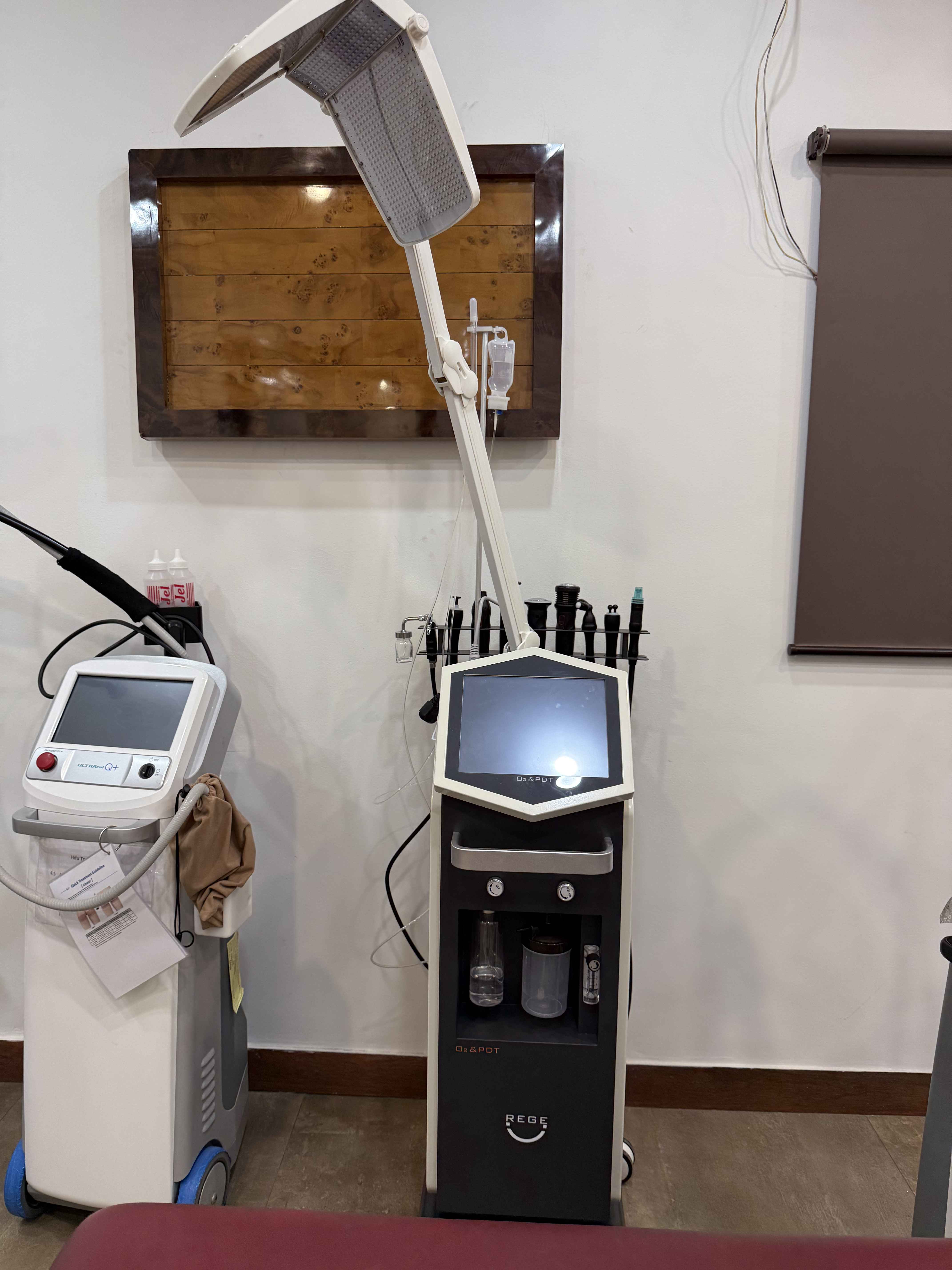
Clinically proven microneedling treatments to improve skin texture, tone, and overall skin health under expert dermatological care.
Discover how electrolyte-infused skincare supports hydration, barrier repair, and glowing skin. Learn about key minerals like magnesium, potassium, and calcium.
Read article
Find out how the skinminimalism trend can make your skincare routine easier in 2025. Find out how using fewer products that do more than one thing can help your skin, save you money, and make you less irritated.
Read article
Discover how chemical peels can transform your skin. Learn about different types, benefits, and aftercare tips for the best results.
Read articleFind answers to the most common questions about our treatments, procedures, and recovery process. If you can't find what you're looking for, our support team is always here to help.
9 questions
Forehead lines are a natural ageing sign but can be effectively treated to reduce their appearance.
Yes, Botox is FDA-approved and safe when administered by trained professionals.
Results typically appear within a week and improve over 2 weeks.
Most treatments have minimal to no downtime, allowing quick return to activities.
Using sunscreen, moisturizing, and avoiding excessive facial movements help delay forehead lines.
Not when dosed correctly. At Claire Derma, our dermatologists use conservative, distributed dosing across the frontalis rather than high-concentration injections at a few points. This approach softens forehead creases while preserving your ability to raise your eyebrows and express surprise or emphasis naturally. The goal is for your lines to appear smoother, not for your forehead to appear frozen.
For superficial lines and overall skin quality improvement, yes. Microneedling, non-ablative fractional laser, and skin boosters can all improve the dermal structure beneath forehead lines, making them shallower and less visible. However, these treatments do not address the muscular contraction that causes the creasing in the first place.
Botulinum toxin takes three to five days to begin working, with the full effect visible at two weeks. Lines soften progressively as the muscle relaxes. Collagen-stimulating treatments like microneedling or laser produce gradual improvement over four to twelve weeks as new collagen fibres mature and thicken the dermis beneath the creases. Hyaluronic acid filler placed in deep static lines shows results immediately.
Yes, there is good evidence that regular botulinum toxin use has a preventive effect. By reducing the frequency and intensity of frontalis contractions, neuromodulator treatment slows the transition from dynamic lines to permanent static grooves. Patients who start treatment while their lines are still expression-dependent often maintain smoother foreheads for longer than those who wait until deep creases have formed.