

Electrolyte-Infused Skincare: Why Minerals Matter for Healthy, Glowing Skin
Discover how electrolyte-infused skincare supports hydration, barrier repair, and glowing skin. Learn about key minerals like magnesium, potassium, and calcium.
Read article
Combat Visible Signs of Ageing with Targeted Anti-Wrinkle Treatments

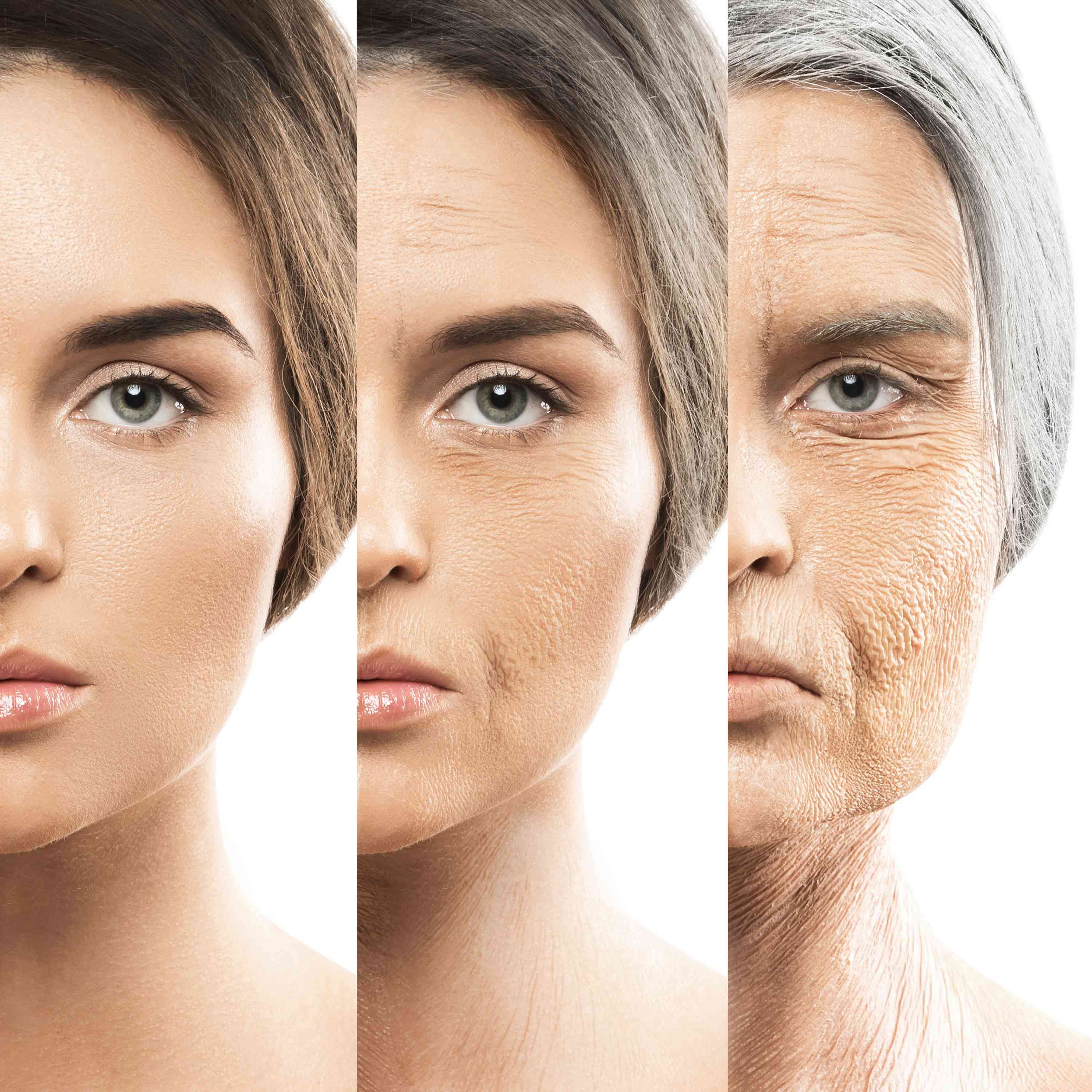
Wrinkles are fine lines and creases that naturally develop on the skin due to ageing, repetitive facial expressions, sun exposure, and loss of collagen. While they are a normal part of the ageing process, many individuals seek to reduce their appearance for a more youthful look.
Wrinkles develop through two distinct pathways that work against each other over time. Intrinsic ageing causes collagen production to drop by roughly one percent per year after age twenty, while elastin fibres lose their recoil and glycosaminoglycans hold less moisture. Extrinsic factors — ultraviolet exposure, smoking, pollution, repeated facial expressions — accelerate this decline by generating free radicals that fragment collagen bundles.
Botulinum Toxin (Botox)
Reduces fine lines by relaxing facial muscles.
Dermal Fillers
Fills deep wrinkles and restores facial volume.
Microneedling
Stimulates collagen using tiny controlled injuries.
Laser Therapy
Laser resurfacing improves skin texture and reduces lines.
Measurable Collagen Rebuilding
Professional treatments stimulate collagen at depths that topical products cannot reach. Fractional lasers and radiofrequency devices have peer-reviewed data showing 20 to 40 percent increases in dermal collagen density over.
Reduced Risk of Over-Treatment
Without professional guidance, patients often layer too many active ingredients — retinoids, acids, vitamin C — causing barrier damage that paradoxically worsens fine lines.
Long-Term Preventive Strategy
Treating existing wrinkles is only part of the equation. Claire Derma builds maintenance protocols that slow future wrinkle formation through periodic collagen-boosting treatments, prescription retinoid adjustments, and targeted antioxidant regimens.
Treating wrinkles professionally rather than relying on retail products delivers faster, more predictable results backed by clinical measurement. At Claire Derma, we track progress with standardised before-and-after photography under controlled lighting and use skin analysis devices to measure dermal density improvements that aren't always visible to the naked eye.
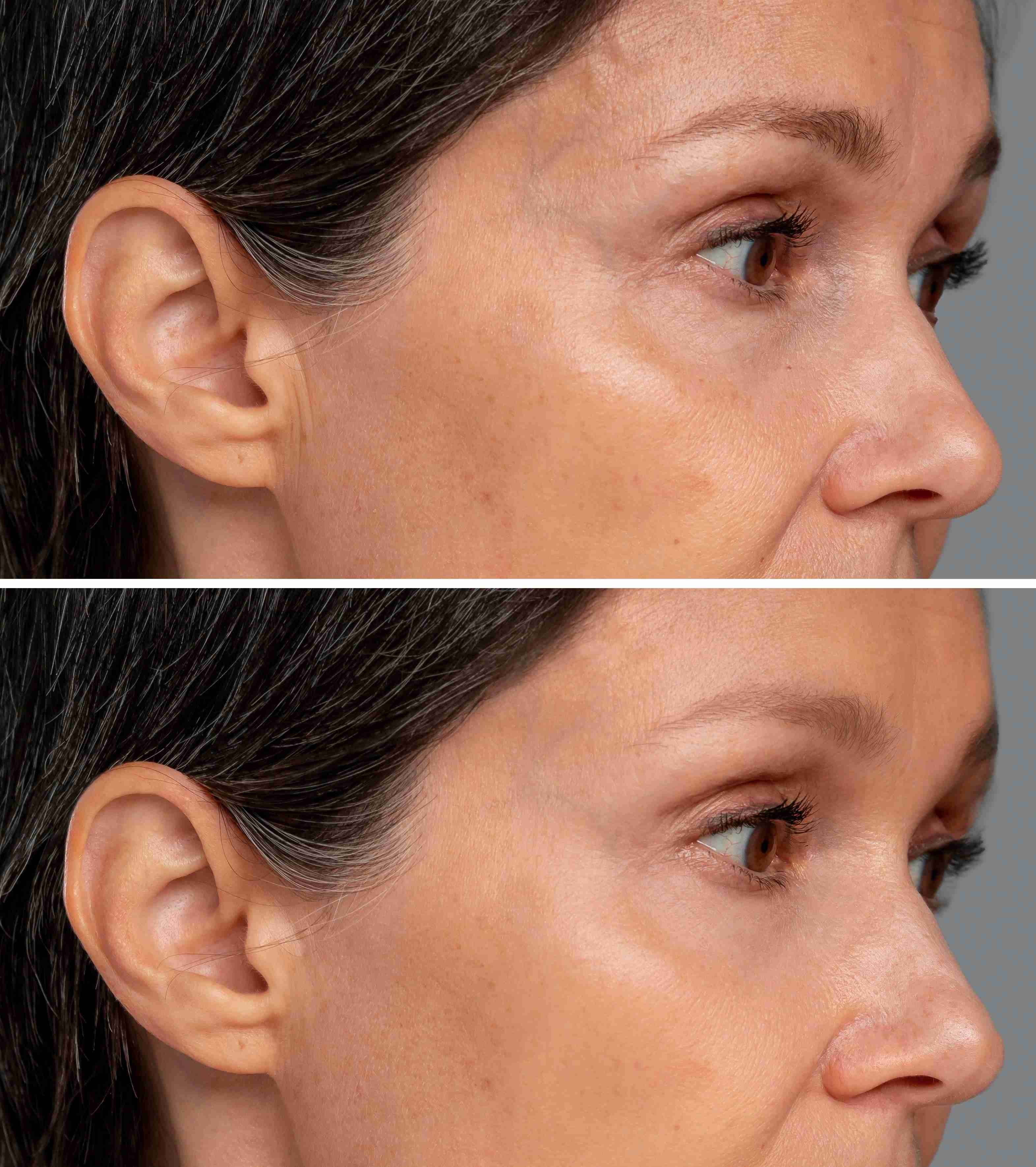
Neurotoxin relaxes the muscles that create wrinkles when you make facial expressions. Crow's feet, forehead lines, and frown lines soften within days and the effect lasts several months.
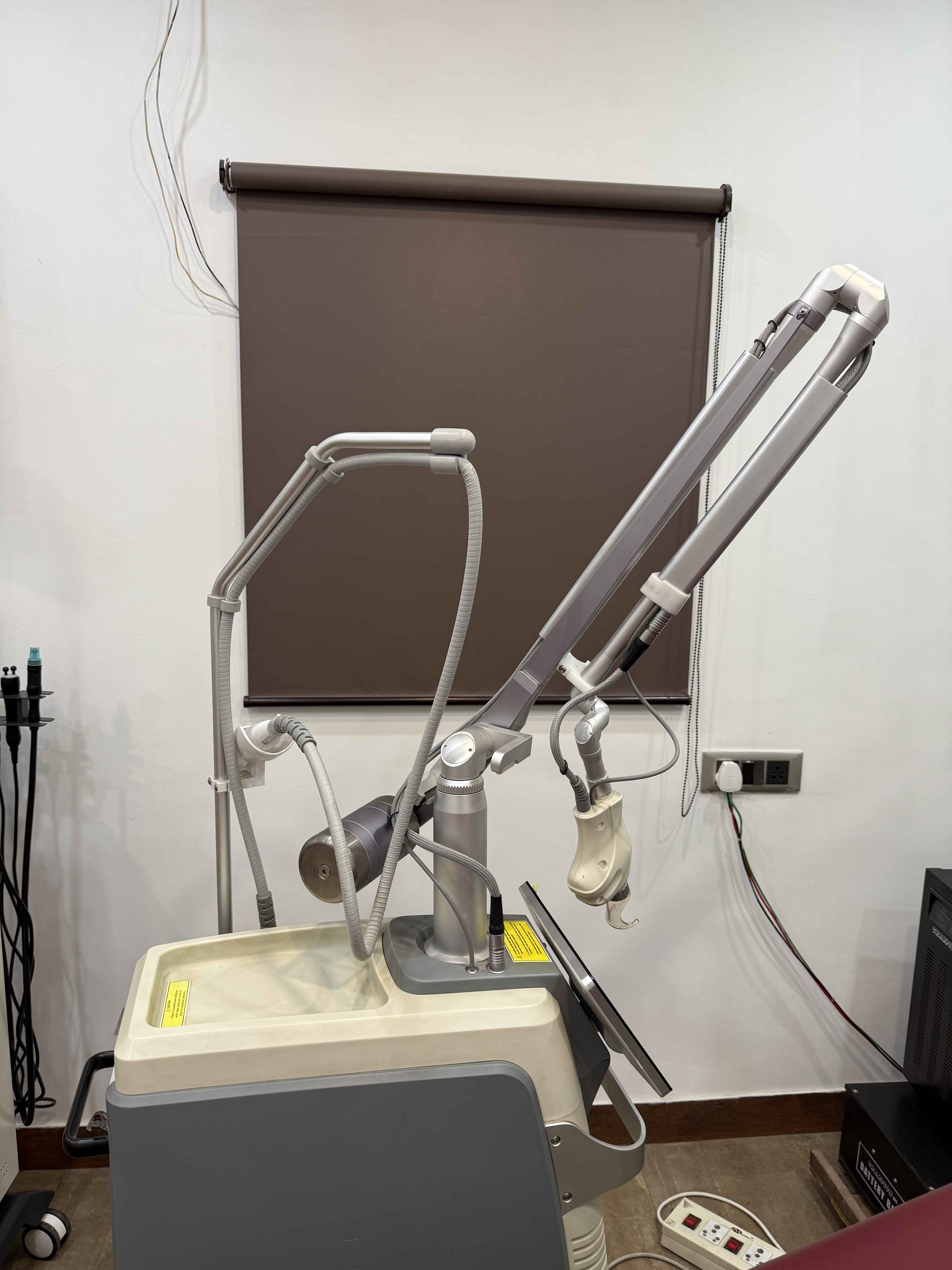
This treatment rebuilds the collagen framework that has thinned over time, plumping up wrinkles from beneath the skin surface. The improvement is gradual and looks very natural.
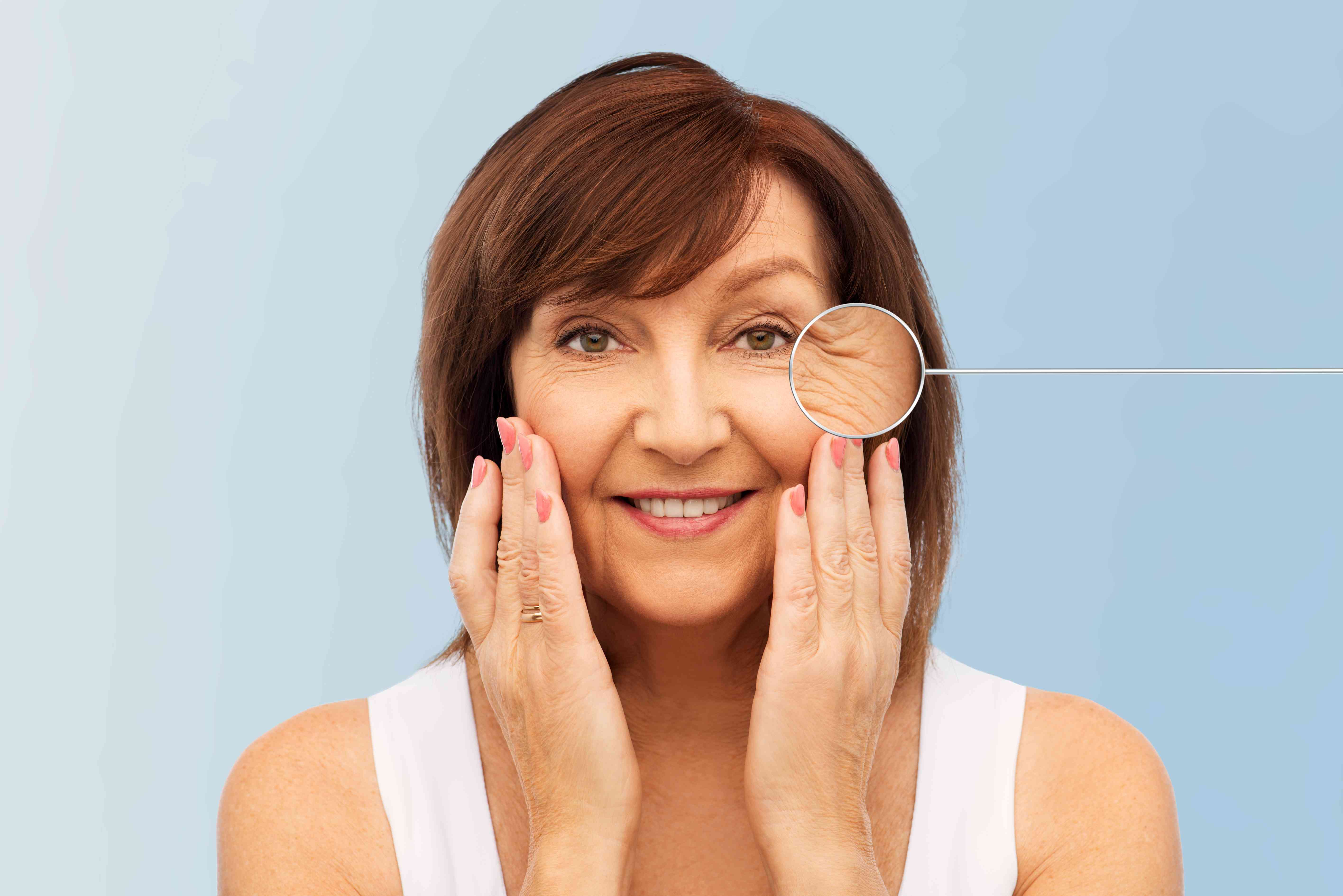
A tailored anti-aging program combines multiple approaches to address wrinkles at different depths. Deeper wrinkles get volume restoration while surface lines get smoothed out.
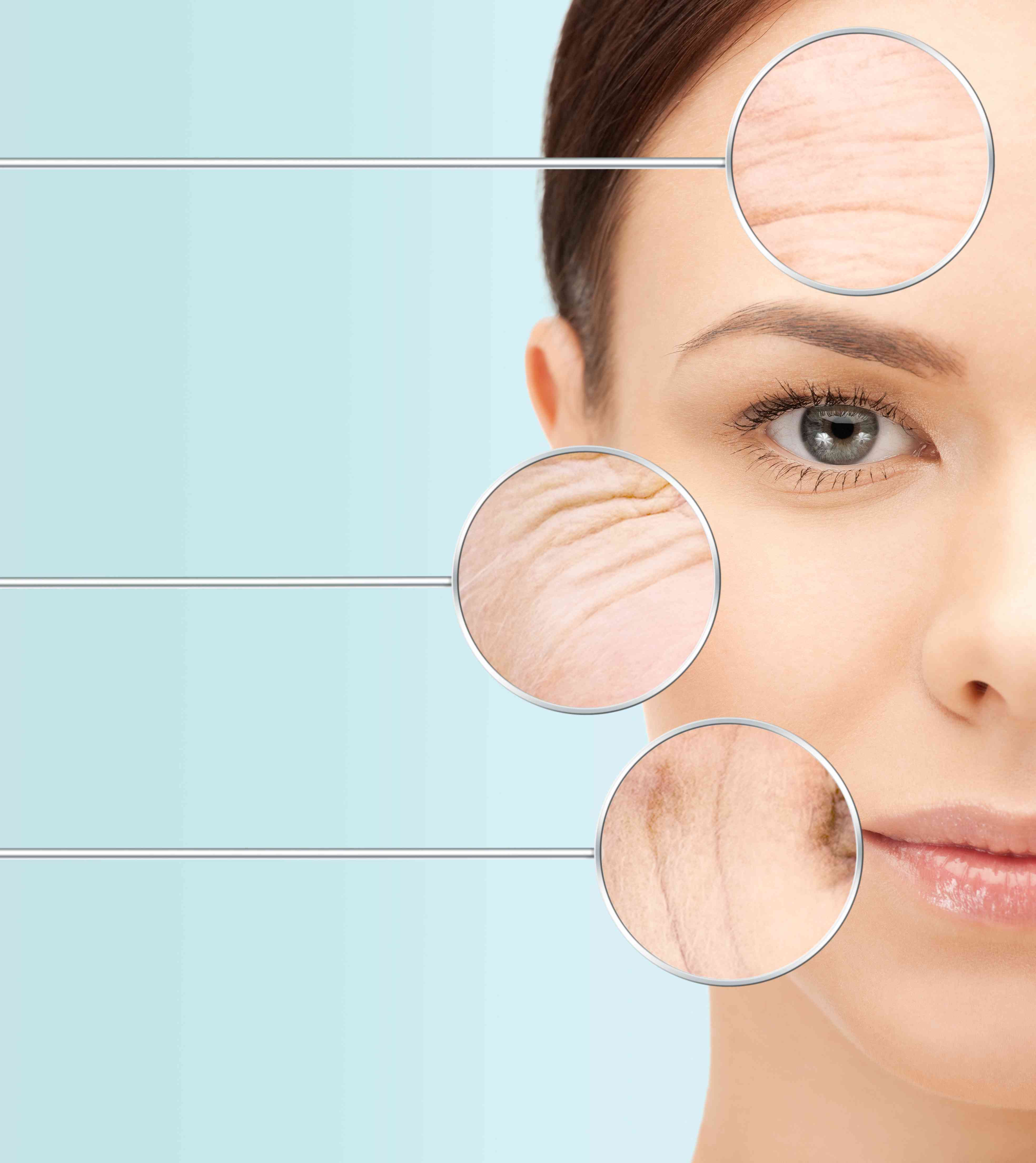
Adults showing early to moderate signs of ageing, including fine lines and facial folds, are suitable candidates. Treatments can be preventive or corrective based on individual goals.
Wrinkle severity is influenced by factors beyond simple ageing. Genetics determine your baseline collagen turnover rate and how quickly elastin degrades. Skin tone plays a role too — melanin-rich skin is somewhat more resistant to photoageing but can develop fine lines that appear suddenly once the tipping point arrives. Sleep position, screen time squinting, and even habitual straw use contribute to specific wrinkle patterns.
A thorough consultation identifies areas of concern and the best-suited procedures. Your dermatologist maps each wrinkle by type, depth, and location using magnification and skin analysis imaging. We review your medical history, current skincare regimen, and any previous cosmetic treatments. Sun exposure habits, sleep patterns, and expression tendencies are noted.
Procedures such as Botox, fillers, or laser are performed in a clinical setup. Depending on the selected protocol, we may prescribe a two-to-four-week preparatory phase. This often includes a low-dose retinoid to accelerate cell turnover, a hydrating serum to reinforce the skin barrier, and strict daily broad-spectrum SPF 50 use.
Minimal downtime with specific post-treatment care depending on the procedure. Procedures are delivered across multiple sessions spaced according to your skin's recovery rate — typically three to six weeks apart for microneedling and peels, or six to eight weeks for fractional laser.
Results may last several months to years; periodic touch-ups enhance longevity. We schedule progress reviews at six and twelve weeks after the active treatment phase. Standardised photography under identical lighting allows us to compare against your baseline.


Skin appears smoother and more youthful within days to weeks.
Downtime varies by procedure; most allow same-day return to activities.
Long-lasting results with maintenance and skincare routine.
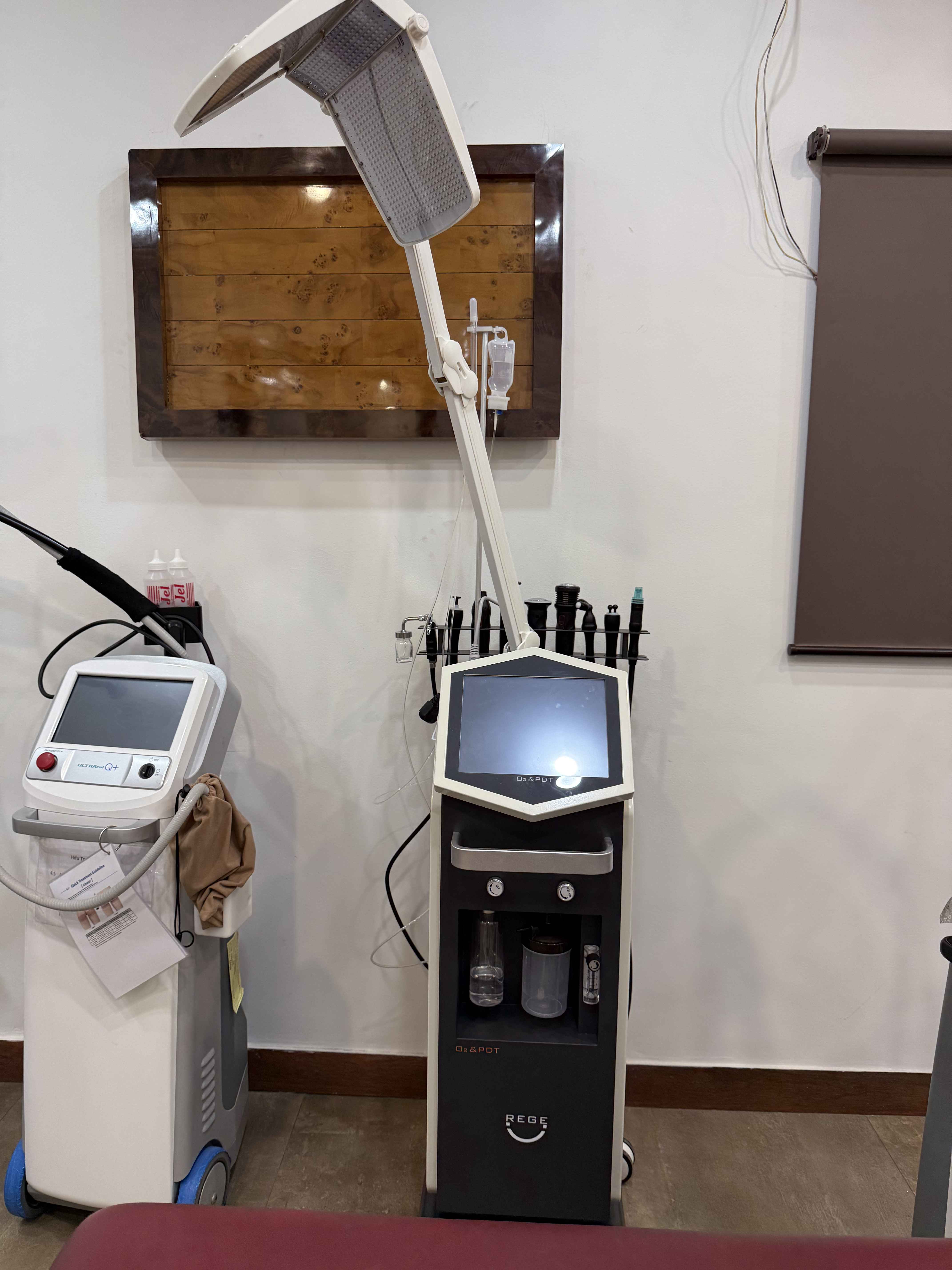
Clinically proven microneedling treatments to improve skin texture, tone, and overall skin health under expert dermatological care.
Advanced collagen induction therapy to tighten skin, reduce wrinkles, and restore youthful elasticity with clinically proven results.
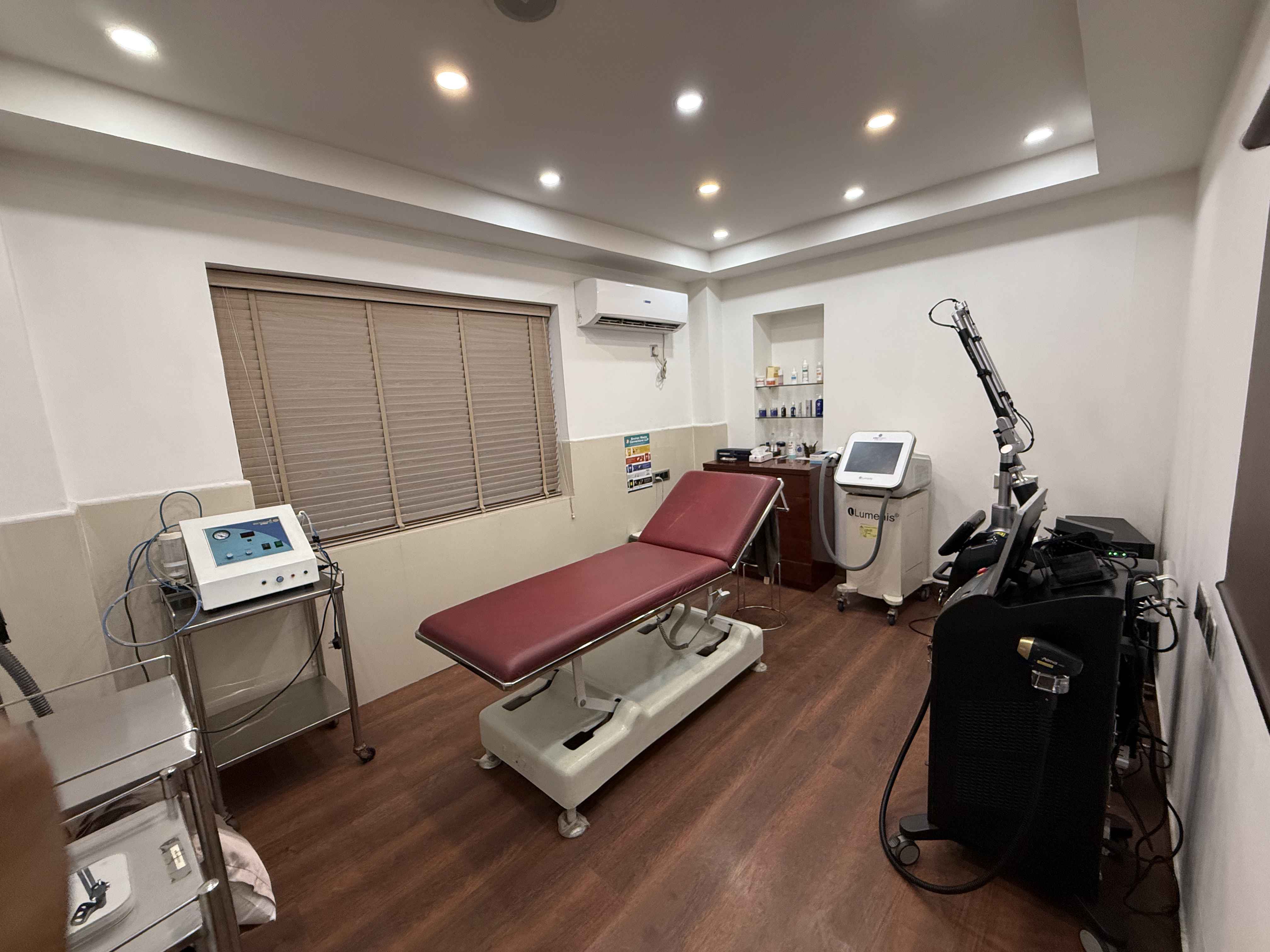
PRP-powered facial rejuvenation combining platelet-rich plasma with dermal fillers for natural, youthful skin restoration.
Discover how electrolyte-infused skincare supports hydration, barrier repair, and glowing skin. Learn about key minerals like magnesium, potassium, and calcium.
Read article
Find out how the skinminimalism trend can make your skincare routine easier in 2025. Find out how using fewer products that do more than one thing can help your skin, save you money, and make you less irritated.
Read article
Discover how chemical peels can transform your skin. Learn about different types, benefits, and aftercare tips for the best results.
Read articleFind answers to the most common questions about our treatments, procedures, and recovery process. If you can't find what you're looking for, our support team is always here to help.
9 questions
Most procedures are minimally invasive and well-tolerated with the use of numbing agents.
Botox typically lasts 3–6 months, while fillers can last up to 1–2 years depending on type and area.
Most treatments have little to no downtime, allowing return to daily activities within the same day or next.
Yes, when performed by qualified dermatologists, these procedures are clinically proven and safe.
While they may not be completely erased, treatments significantly reduce their appearance and prevent new ones.
There is no fixed age threshold, but most dermatologists agree that preventive treatment in your late twenties to early thirties delivers the best long-term results. At this stage, collagen production is beginning to slow and early dynamic lines are appearing during expressions.
Duration varies by treatment type. Neuromodulators such as botulinum toxin last three to four months before muscle activity gradually returns. Hyaluronic acid fillers maintain their effect for twelve to eighteen months depending on the product and placement site.
Poor outcomes usually result from excessive product placement or inappropriate treatment selection, not from the treatments themselves. At Claire Derma, our dermatologists follow a conservative approach — starting with smaller quantities and building gradually at follow-up visits. We use precise injection techniques, including cannula placement for fillers, that preserve natural facial movement and proportions. The goal is always to look refreshed rather than altered.
Downtime depends on the specific procedure. Neuromodulator injections and dermal fillers require virtually no recovery — mild swelling or bruising may appear but typically resolves within 24 to 48 hours. Microneedling causes redness lasting one to three days.