
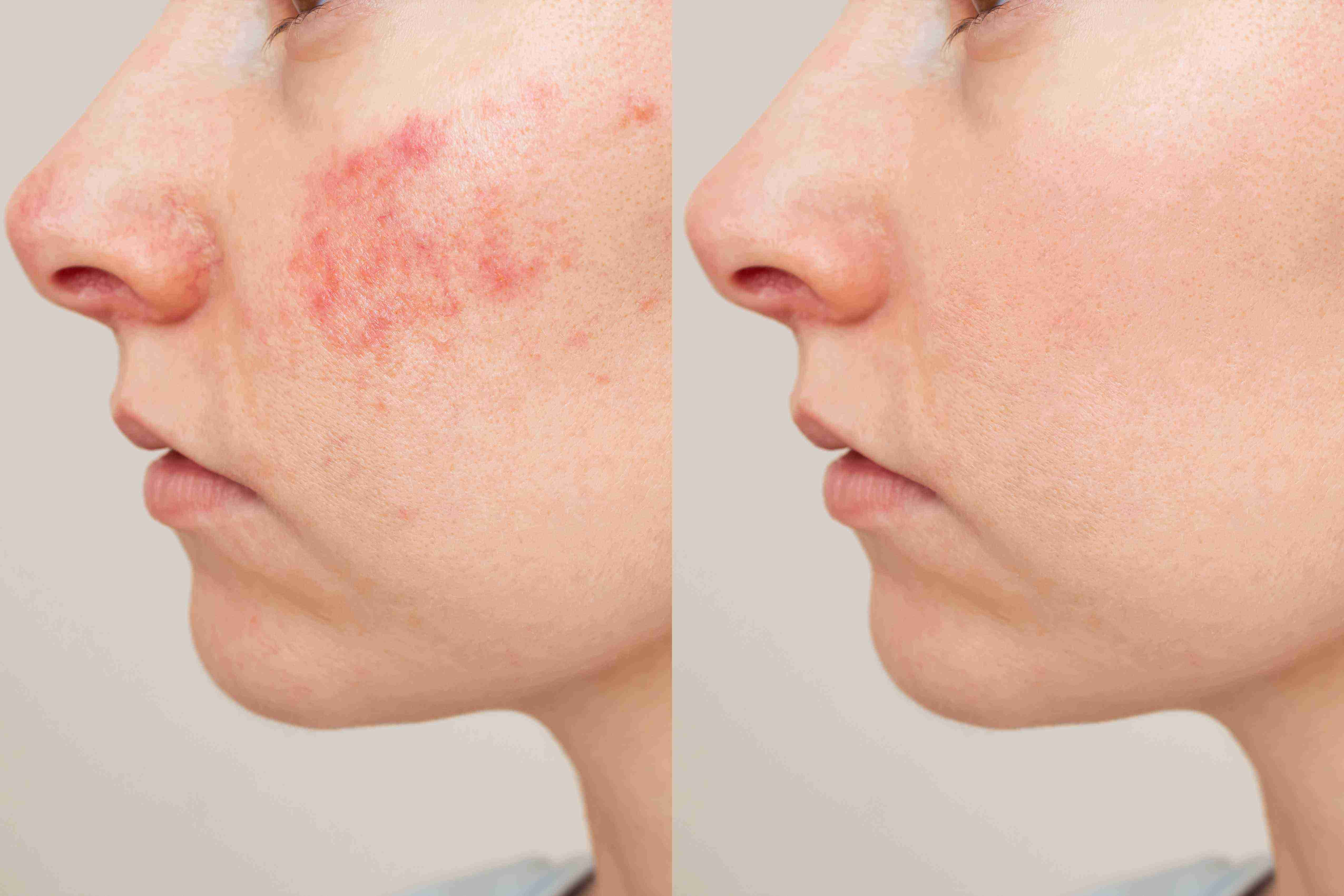
Introduction to Hyaluronic Skin Boosters
Hyaluronic Acid (HA) is a naturally occurring substance that helps maintain skin hydration, elasticity, and smoothness. Acne scars result from collagen loss and improper healing, leaving behind indentations, uneven texture, and discoloration. The Hyaluronic Skin Booster is a minimally invasive treatment designed to deeply hydrate, smooth, and repair scarred skin, promoting a more even, refined complexion.
Acne-scarred skin suffers from more than just textural irregularity — the dermis within and around scar tissue is chronically dehydrated, with reduced hyaluronic acid content that leaves the skin looking flat, dull, and rough even after structural scar treatments. Hyaluronic skin boosters address this deficit by flooding the dermal extracellular matrix with stabilised hyaluronic acid that restores moisture-binding capacity.
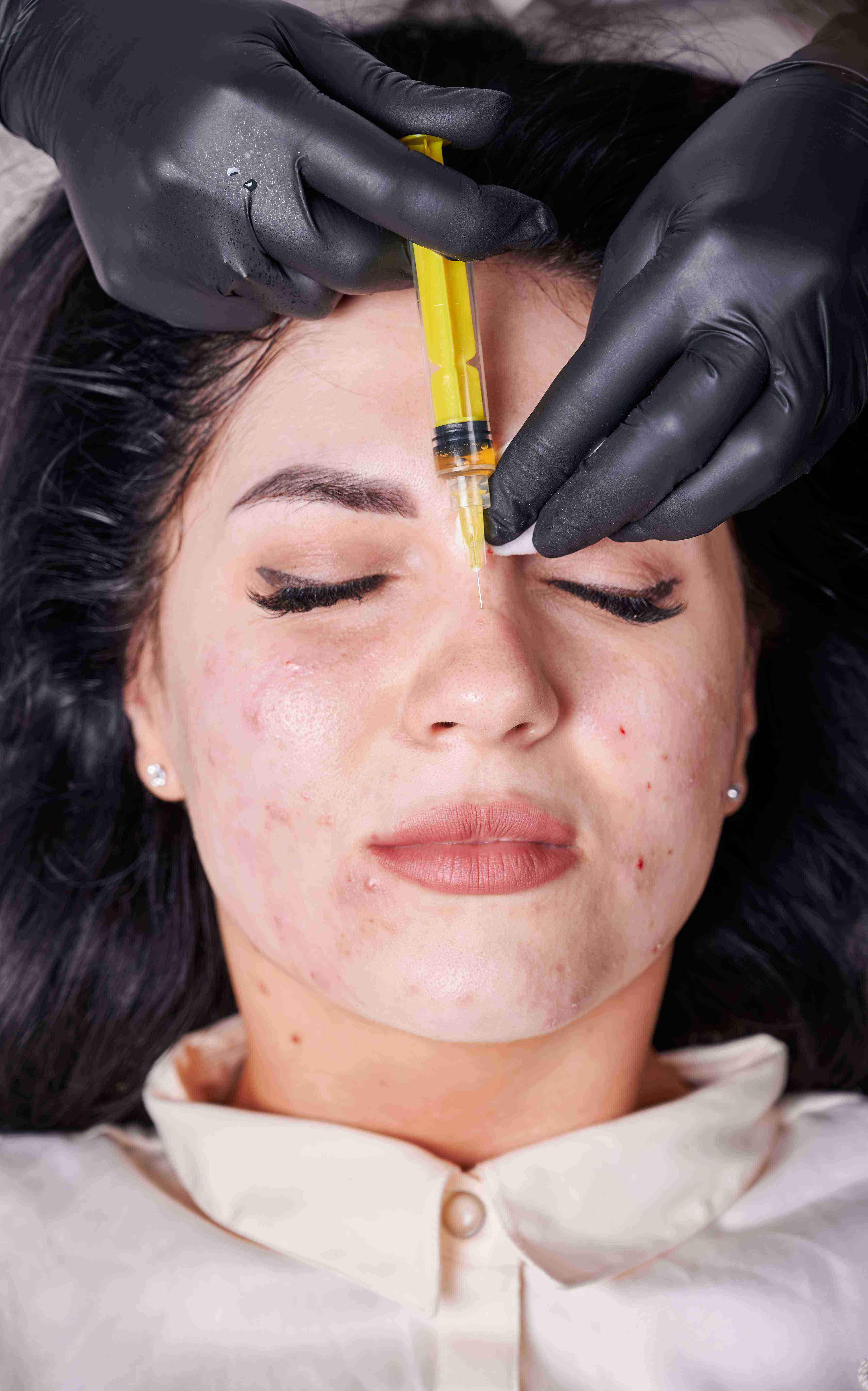
How Hyaluronic Skin Boosters Work
Unlike traditional dermal fillers, skin boosters do not add volume to specific areas but spread hyaluronic acid evenly across the skin, improving overall skin quality. They work by:

Patients with acne scarring often have compromised skin barriers from years of acne treatments — retinoids, benzoyl peroxide, antibiotics, and chemical peels all contribute to a thinner, more sensitive epidermis with reduced water retention. Hyaluronic skin boosters help restore this lost barrier function by hydrating the dermis from within, which in turn supports the epidermis above it.
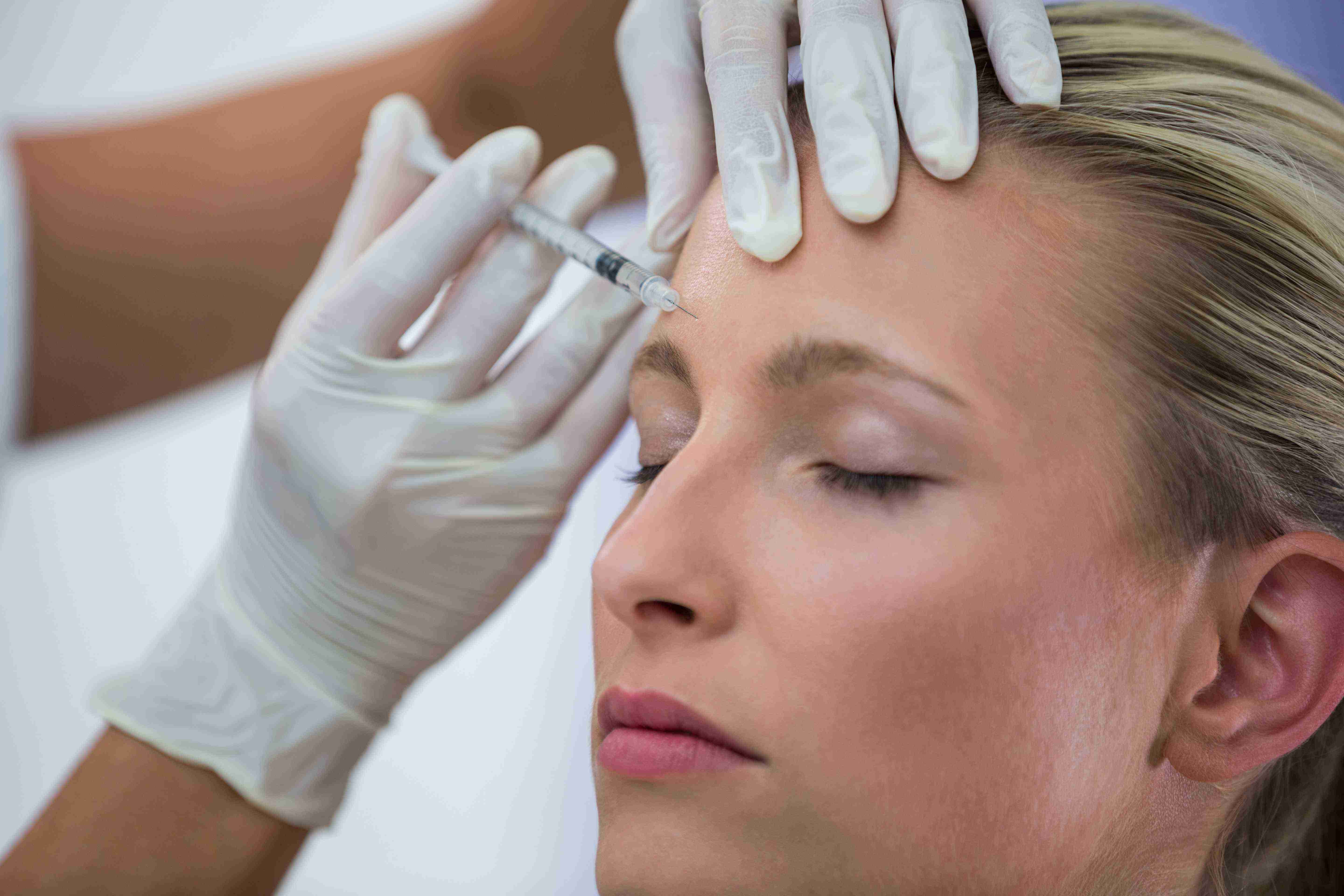
Treating Acne Scars with Hyaluronic Skin Boosters
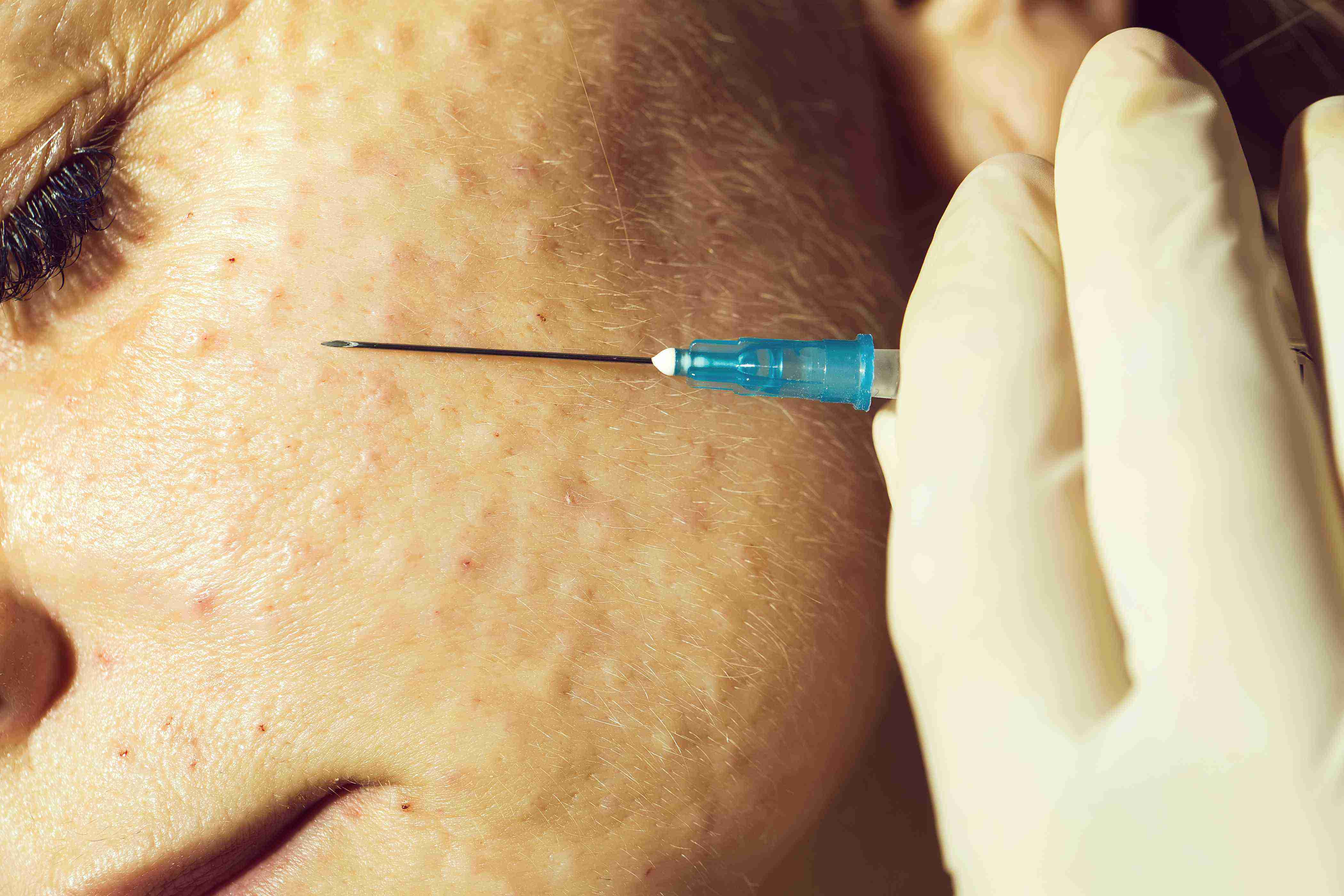
Acne scars often develop when inflammation damages the deeper layers of the skin, leading to collagen loss and uneven healing. Hyaluronic Skin Boosters help repair and improve acne scars by:
At Claire Derma, hyaluronic skin booster treatments for acne-scarred skin follow a protocol tailored to the specific needs of post-acne patients. Our dermatologists assess not only the scars but the overall condition of the skin — hydration levels, barrier integrity, sensitivity, and any active breakout risk — before designing the treatment plan.
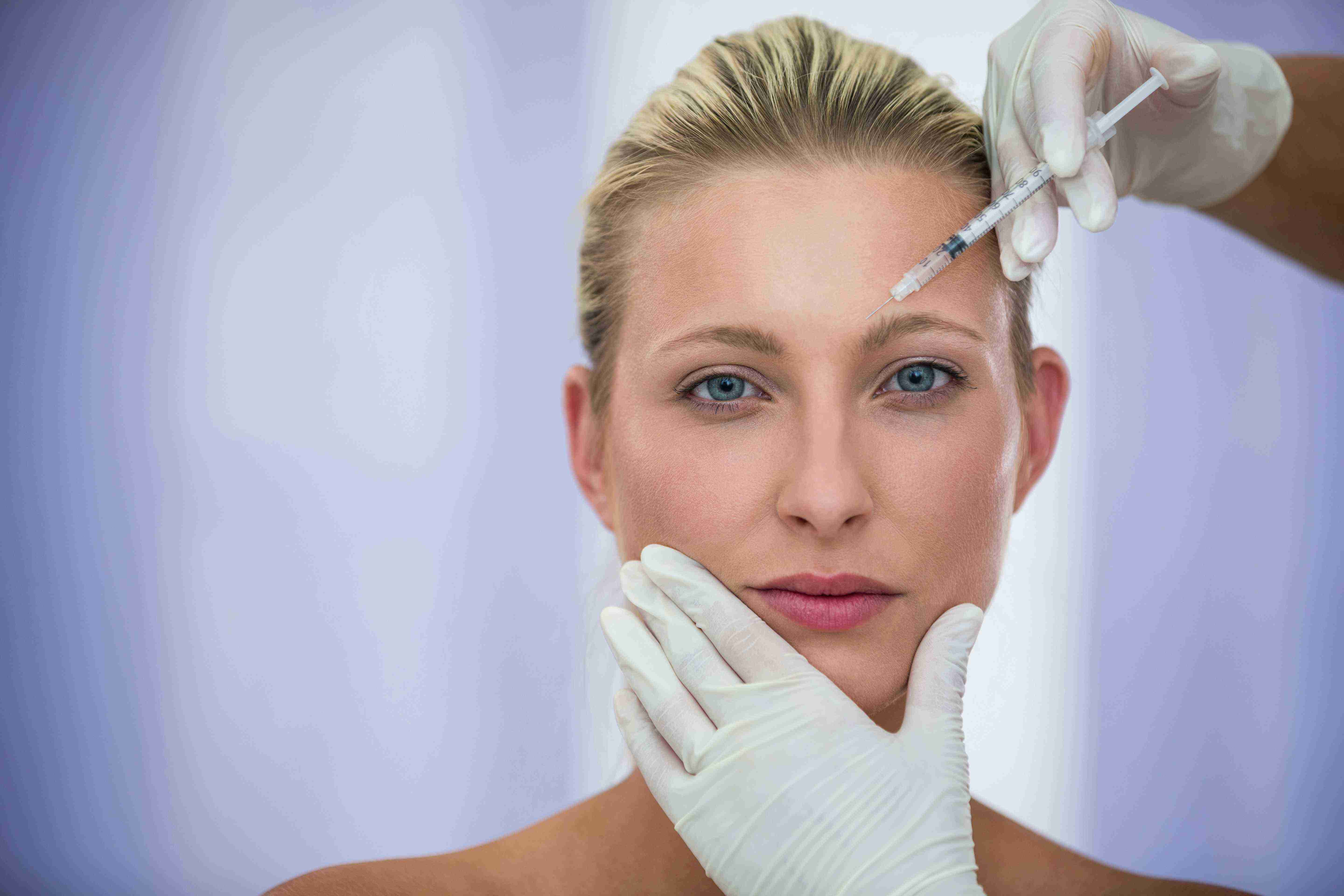
Benefits of Hyaluronic Skin Booster for Acne Scars
Many patients with acne scars focus exclusively on structural scar treatments and overlook how much skin hydration affects the way scars look day to day. A dehydrated scar catches shadows differently and appears deeper than it actually is. The same scar in well-hydrated skin looks shallower and blends more naturally with the surrounding tissue.
Ideal Candidates for the Treatment
This treatment is suitable for individuals who:
Recovery after skin booster injections for acne-scarred skin is gentle. Small papules at each injection point flatten within 24 to 48 hours as the hyaluronic acid integrates into the tissue. Mild redness is common and fades within a few hours. Bruising is possible but typically minor — more likely in patients on blood-thinning medications or supplements.
The Treatment Process
01
Consultation & Skin Assessment
A dermatologist evaluates scar type and skin condition. Your dermatologist evaluates your acne scars alongside overall skin hydration, barrier health, and any active breakout risk. We determine whether skin boosters should be a standalone improvement or part of a broader scar treatment plan.
02
Pre-Treatment Preparation
The skin is cleansed, and a numbing cream may be applied. The skin is cleansed and topical anaesthetic is applied 20 to 30 minutes before treatment. The booster product itself contains lidocaine for additional comfort. All residual skincare products are removed.
03
Micro-Injection Procedure
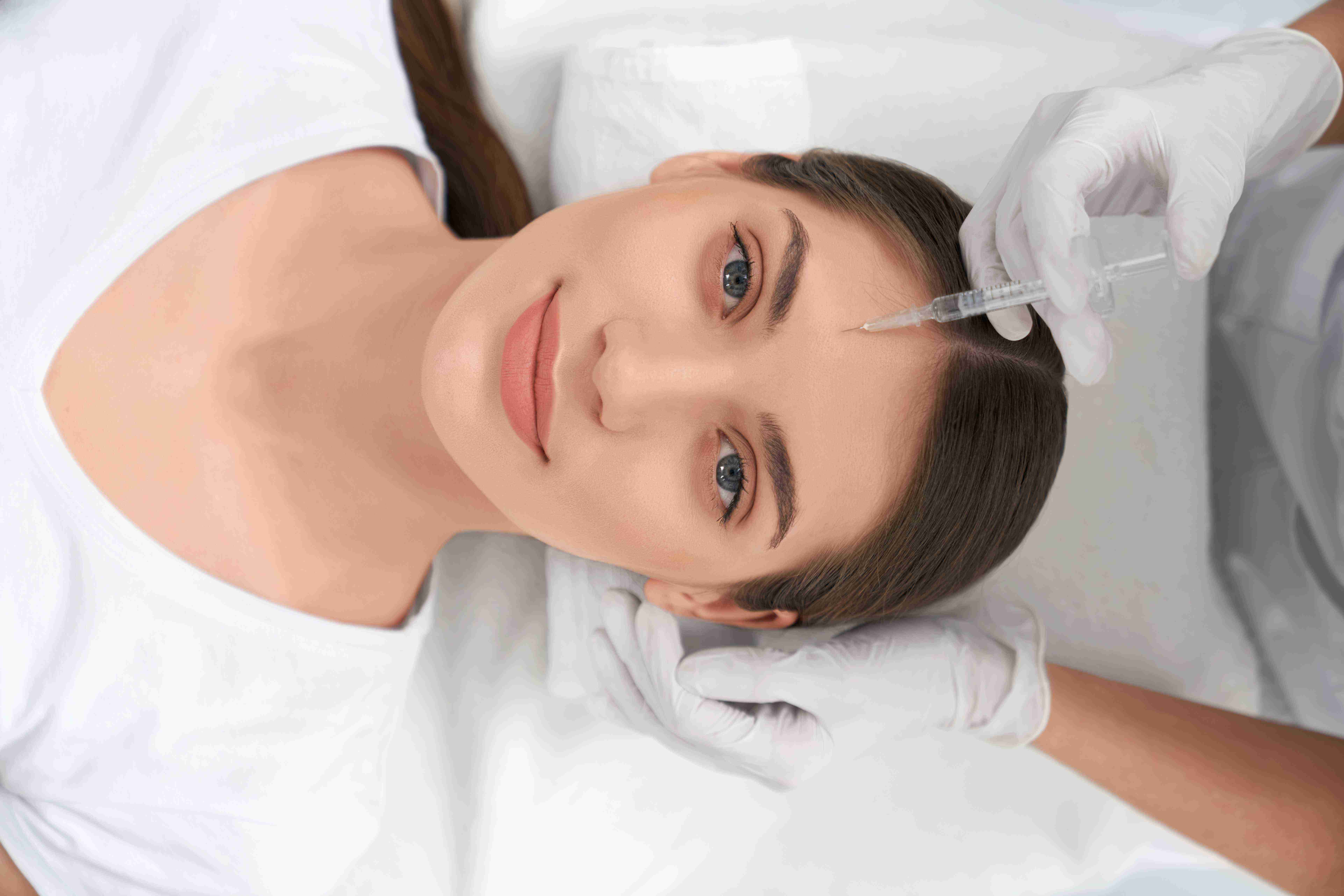
HA is injected in tiny, precise amounts to improve skin texture and elasticity. Micro-injections of stabilised hyaluronic acid are placed into the superficial dermis across the face using a fine 30 or 32 gauge needle. Scarred areas receive slightly deeper placement and closer spacing for adequate hydration of the thickened scar tissue.
04
Post-Treatment Care
Mild redness or swelling may occur but resolves within 24–48 hours. Hydration and gentle skincare are recommended for optimal healing. A gentle moisturiser is applied post-treatment. Injection-site papules resolve within one to two days. Avoid touching the treated area for six hours and skip active skincare for 48 hours. Your next session is scheduled three to four weeks later.
Expected Results & Recovery

Scars appear less visible over several weeks.
Skin looks plumper and healthier right after treatment.
Most patients can resume normal activities within a day.
With proper care, results last 6–12 months, with follow-up sessions recommended.
Got Questions?We've Got Answers
Find answers to the most common questions about our treatments, procedures, and recovery process. If you can't find what you're looking for, our support team is always here to help.
While they significantly improve scar appearance, they do not provide a permanent fix. Maintenance treatments help sustain results.
They work best for atrophic scars (rolling, boxcar scars) but are less effective for ice-pick scars.
Most patients need 2–3 sessions, spaced 4 weeks apart, for the best improvements.
No, it does not treat active acne, but it improves post-acne scars and overall skin texture.
Minimal discomfort may be felt, but a numbing cream is used to reduce sensitivity.
Yes, it pairs well with microneedling, laser therapy, and chemical peels for enhanced results.
Immediate hydration benefits appear within a few days, while scar improvement continues over 4–6 weeks.
Results typically last 6–12 months, with maintenance treatments recommended for ongoing improvement.
Skin boosters are not designed to fill individual scars the way dermal fillers can. Instead, they hydrate the entire dermis, which plumps the skin broadly and reduces the contrast between shallow scars and the surrounding tissue. The result is that mild atrophic scars appear less deep and less noticeable.
Hyaluronic acid is naturally present in the skin and is non-comedogenic, so the product itself does not cause breakouts. However, injecting any substance into acne-prone skin carries a small risk of triggering a reactive breakout if the skin is inflamed or if bacteria are introduced during the procedure.
They address different aspects of the problem. Microneedling stimulates collagen production within the scar tissue itself, rebuilding the structural framework and reducing scar depth. Skin boosters hydrate the dermis broadly, improving overall skin quality and making scars less conspicuous by reducing the visual contrast with surrounding skin.
The initial course typically consists of two to three sessions spaced three to four weeks apart. After this, maintenance treatments every four to six months sustain the hydration benefit. If you are combining skin boosters with microneedling or collagen remodelling, your dermatologist at Claire Derma will schedule them strategically within the broader treatment calendar.