
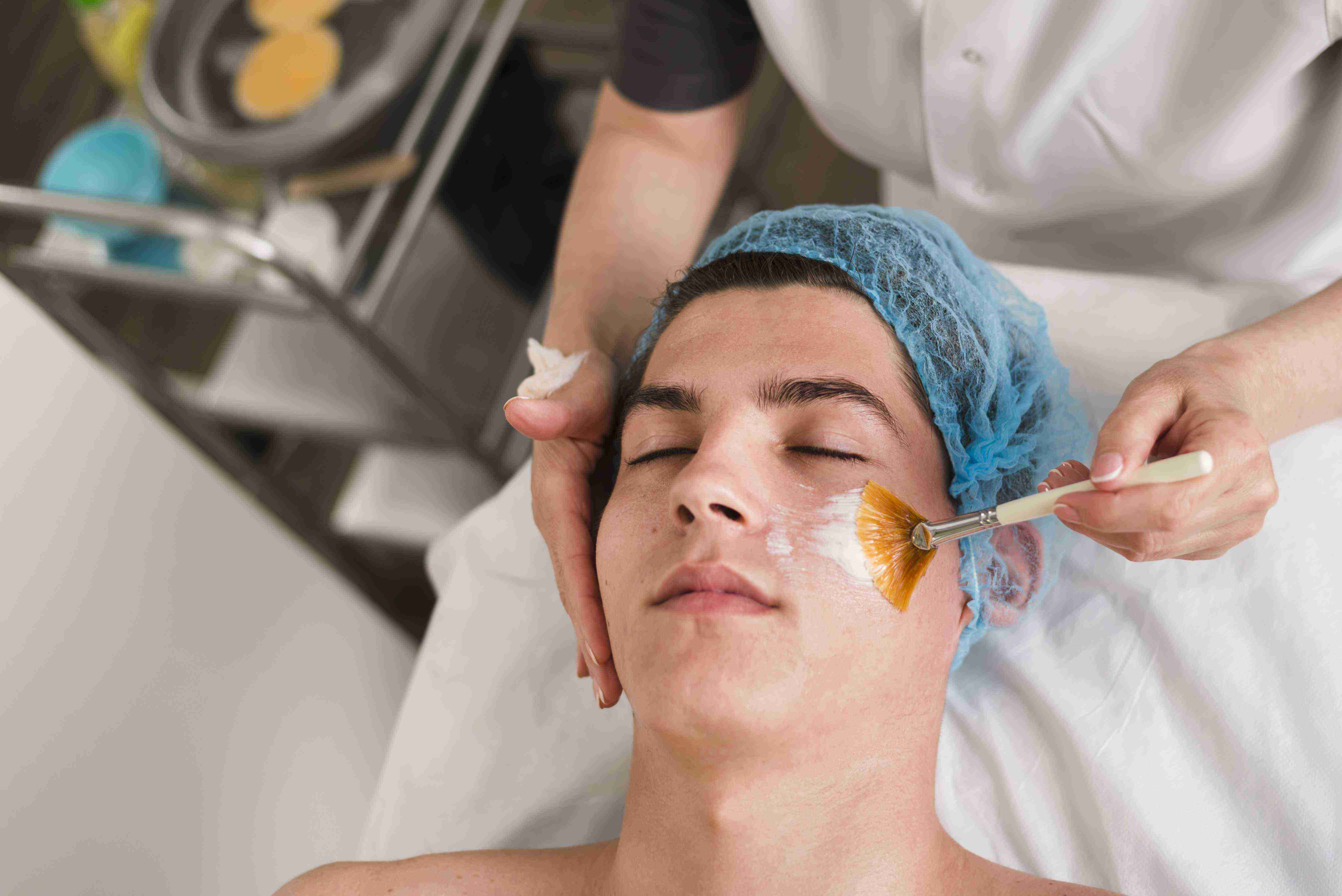
Introduction to Medium to Deep Chemical Peels
Acne can be persistent and difficult to manage, especially when it leads to scarring, inflammation, and deep breakouts. Medium to deep chemical peels offer an advanced treatment option that targets severe acne, clogged pores, and post-inflammatory hyperpigmentation. These peels penetrate deeper into the skin layers, effectively removing damaged skin cells, regulating oil production, and stimulating skin renewal for a clearer, smoother complexion. Medium to deep peels use stronger exfoliating agents such as trichloroacetic acid (TCA), phenol, or high-strength salicylic acid to reach the mid to lower dermis, making them effective for stubborn acne, deep scars, and long-term skin rejuvenation.
Botulinum toxin type A — marketed as Botox, Dysport, and Xeomin — works by blocking acetylcholine release at the neuromuscular junction, temporarily preventing targeted muscles from contracting. When injected into specific facial muscles, the overlying skin smooths out because the repetitive folding that creates dynamic wrinkles is interrupted.
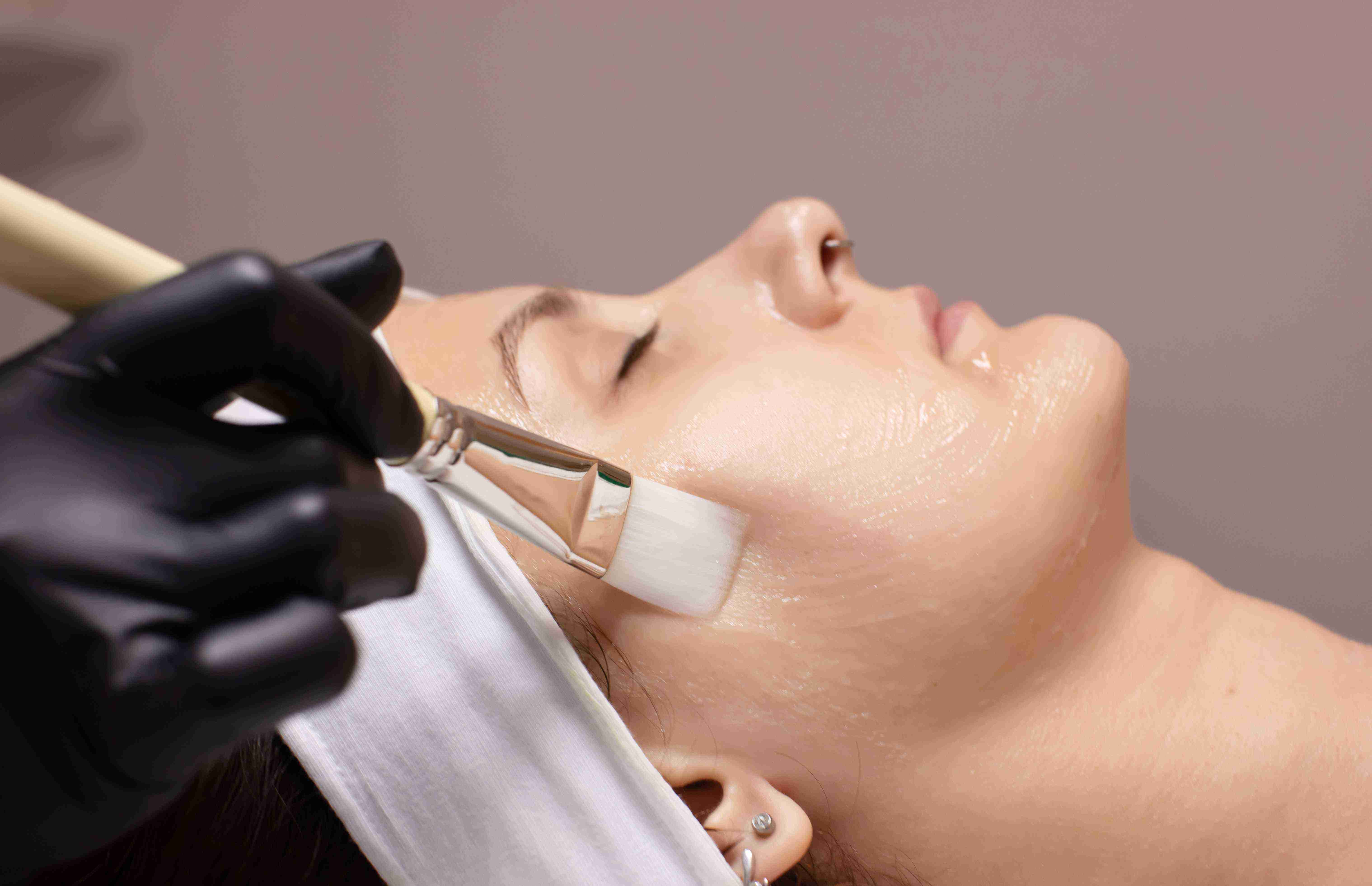
How Medium to Deep Chemical Peels Work
These peels work by deeply penetrating the skin to:

Neurotoxins treat dynamic wrinkles — the lines that form during facial expression. Static lines, which are visible at rest, require different approaches like fillers or resurfacing. The most commonly treated areas are horizontal forehead lines, the vertical glabellar lines between the eyebrows (often called the 'eleven' lines), and crow's feet at the outer corners of the eyes.
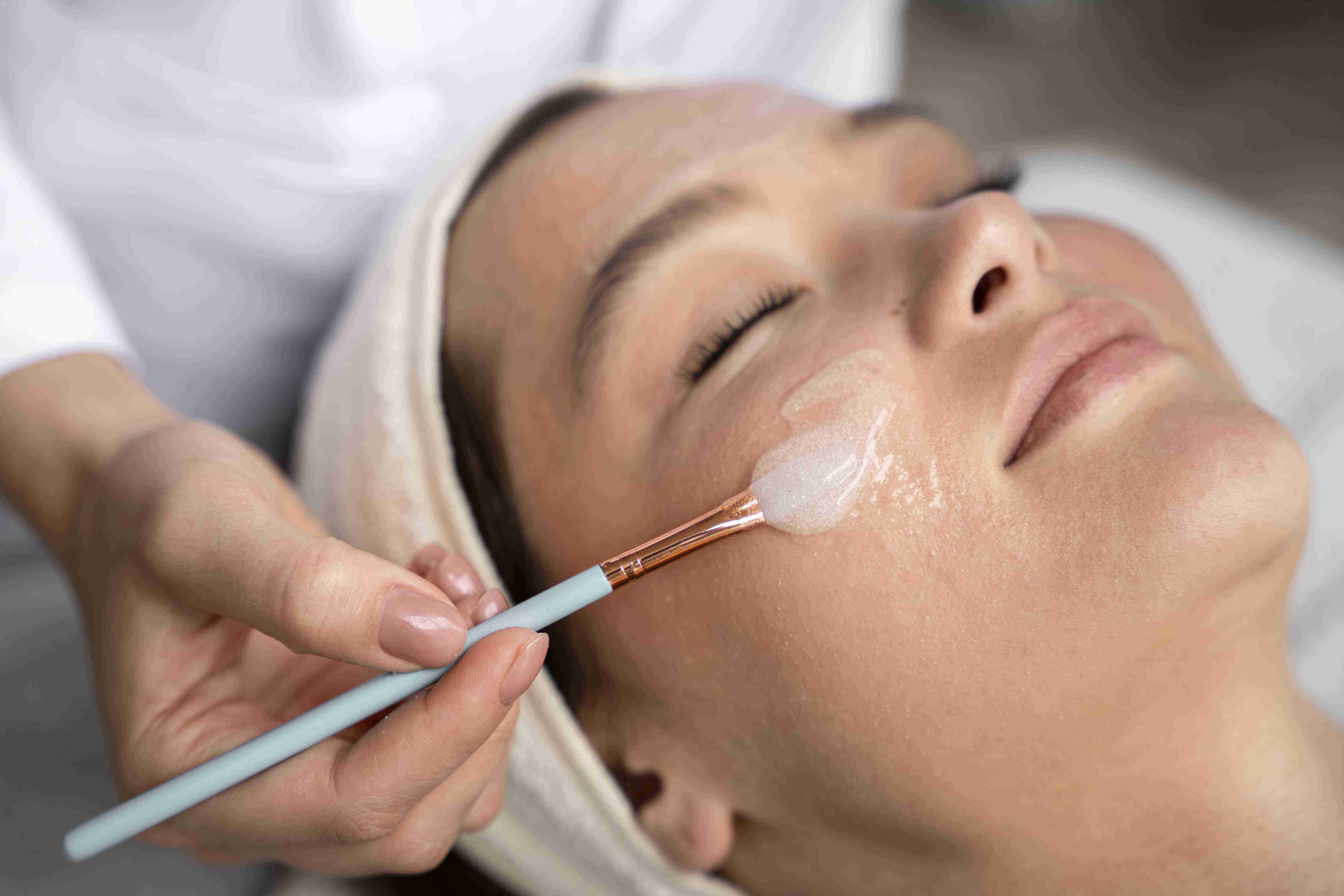
Treating Acne with Medium to Deep Chemical Peels
At Claire Derma, every neurotoxin session begins with a face-to-face assessment — not a template. Your dermatologist photographs your face at rest and during a series of directed expressions. This process maps which muscles are dominant, whether there's any asymmetry between sides, and how deep the resulting creases are.
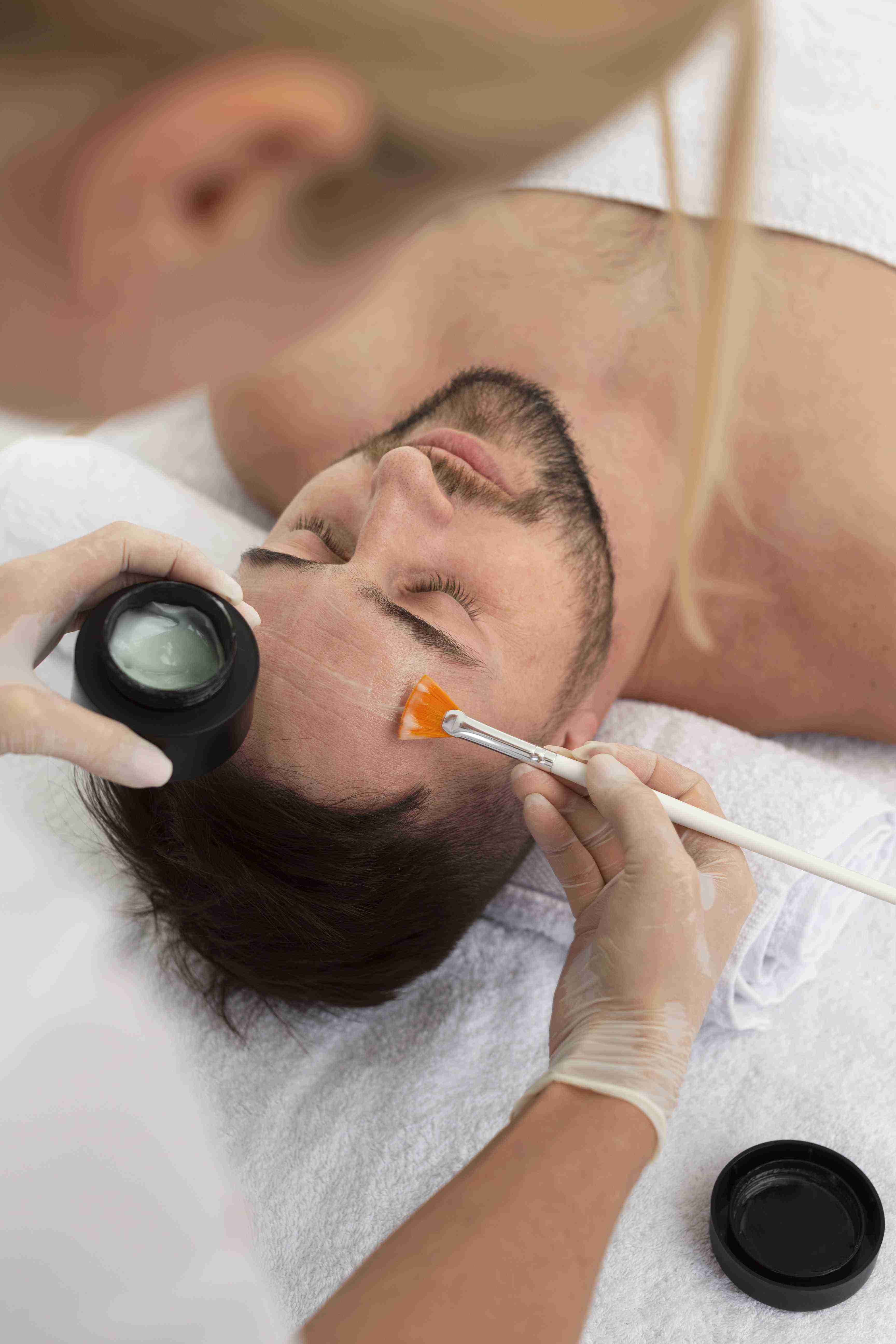
Benefits of Medium to Deep Peels for Acne
Getting neurotoxin injections from a qualified dermatologist at Claire Derma is fundamentally different from visiting a volume-driven chain clinic. In a clinical dermatology setting, your injector understands the deeper anatomy — where motor nerves branch, how superficial muscles interact with deeper ones, and which injection planes avoid complications like ptosis or asymmetry.
Ideal Candidates for the Treatment
This treatment is ideal for individuals who:
Neurotoxin injections are contraindicated during pregnancy and breastfeeding. Patients with neuromuscular disorders such as myasthenia gravis or Lambert-Eaton syndrome should not receive botulinum toxin. If you are taking aminoglycoside antibiotics or blood thinners, let your dermatologist know — these can affect treatment safety or bruising risk. At Claire Derma, we review your full medical history before every session, even if you've had Botox elsewhere before, because contraindications and medication interactions can change between visits.
The Treatment Process
01
Consultation & Skin Analysis
The dermatologist assesses acne severity and selects the best peel formulation. Your dermatologist evaluates your facial muscles during rest and expression, photographs your face from multiple angles, and discusses your goals. Prior neurotoxin history, medications, and allergies are reviewed. A customised injection map is created showing exact sites and unit counts for each area.
02
Preparation
The skin is cleansed, and protective measures are taken for sensitive areas. The treatment area is cleaned with antiseptic. Topical numbing cream is applied if requested, though most patients find it unnecessary. The neurotoxin is reconstituted fresh from a sealed vial using sterile saline at the manufacturer-recommended dilution.
03
Peel Application
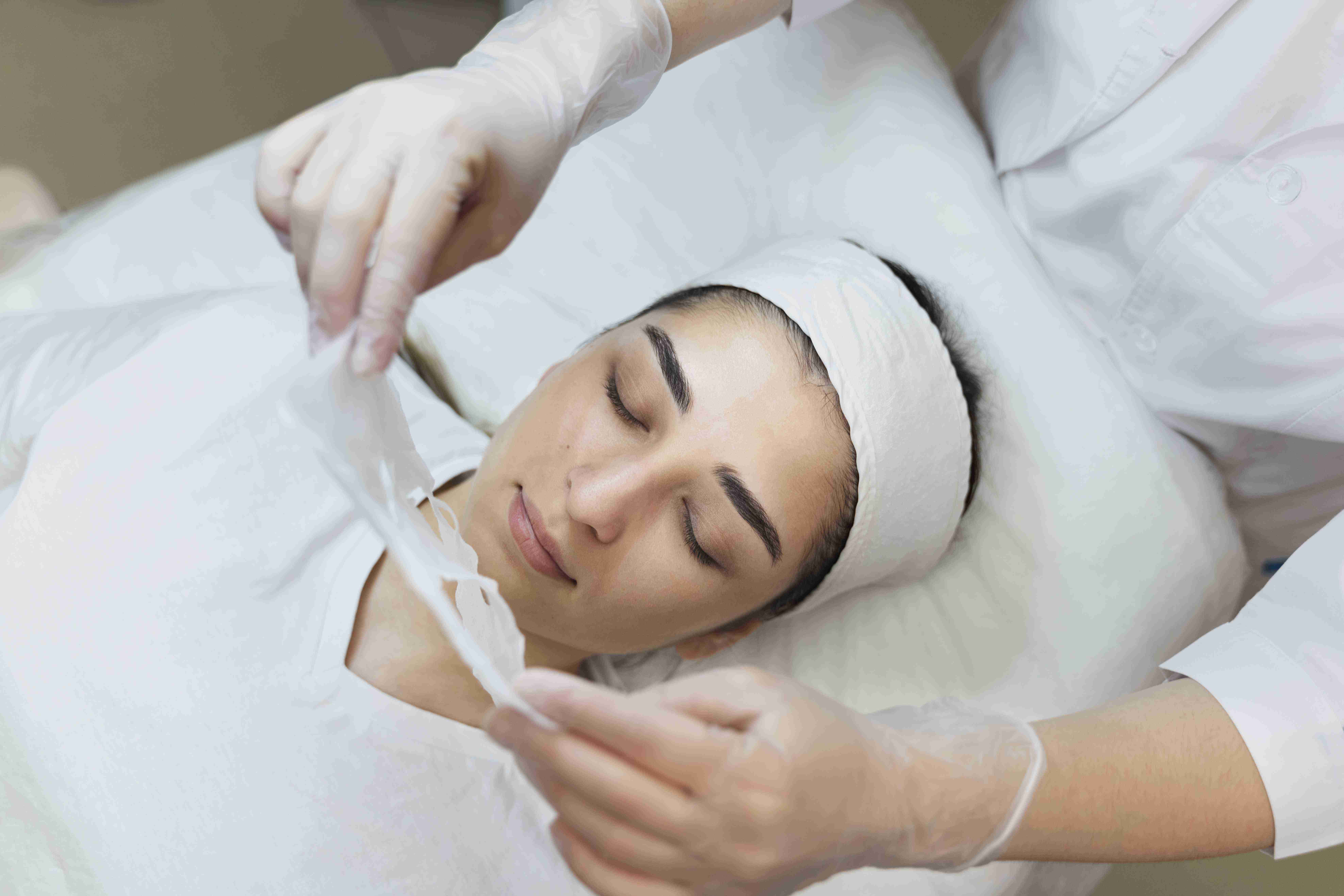
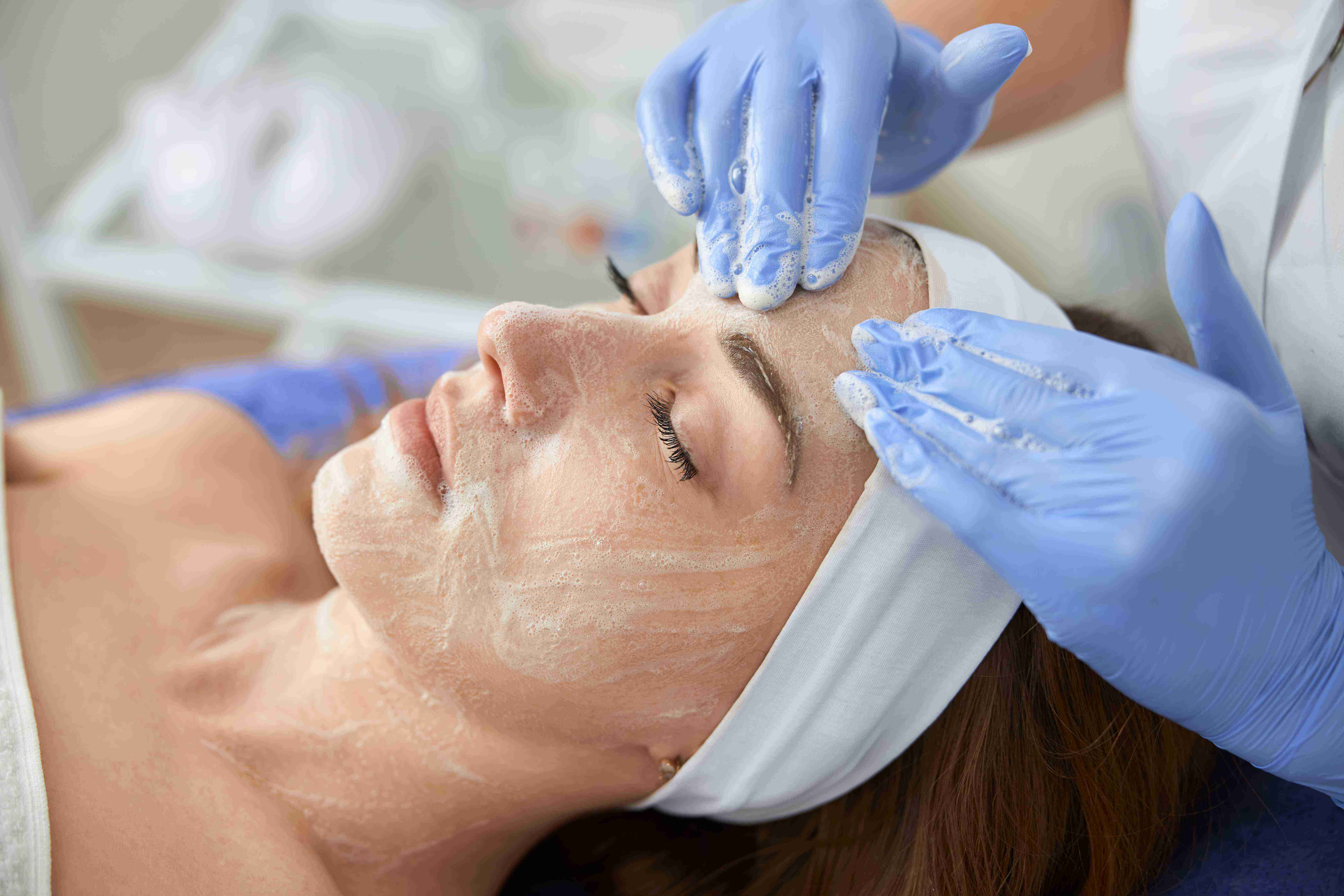
A customized medium or deep peel solution is applied for controlled penetration. Using a fine 30- or 32-gauge needle, small volumes of neurotoxin are injected at each marked point. The total procedure takes 10 to 15 minutes. Mild pressure is applied briefly after each injection to minimise bruising.
04
Neutralization & Post-Treatment Care
The peel is neutralized, and a soothing recovery serum is applied. There is no formal downtime. You can return to normal activities immediately. Avoid rubbing the treated area, lying flat, or exercising vigorously for 24 hours. Initial results appear within three to five days, with full effect at two weeks.
Expected Results & Recovery

Visible improvements after one session, with further refinement over multiple treatments.
Fewer blemishes, reduced scarring, and an even complexion.
Expect peeling and skin sensitivity for 5–7 days.
With proper maintenance, results can last several months.
Got Questions?We've Got Answers
Find answers to the most common questions about our treatments, procedures, and recovery process. If you can't find what you're looking for, our support team is always here to help.
Typically, 3–6 sessions, spaced 4–6 weeks apart, yield the best results.
Patients may feel a warm or stinging sensation, but discomfort is manageable.
Peeling and flaking can last between 5–10 days, depending on peel strength.
It significantly reduces acne and breakouts, but maintenance treatments and a proper skincare routine are essential.
Sun exposure must be strictly avoided for at least a week, and broad-spectrum sunscreen is mandatory.
Unit counts depend on the treatment area and your muscle strength. Common ranges are 10 to 20 units for the forehead, 20 to 25 units for the glabella, and 8 to 16 units per side for crow's feet. Patients with stronger muscles or deeper wrinkles may need slightly more.
Not when the treatment is done correctly. The frozen look results from overdosing or treating too many muscle groups at once. At Claire Derma, our dermatologists use an expression-based assessment to determine the minimum effective dose for each area. The goal is to reduce wrinkle depth while keeping enough movement for natural expressions.
Most patients return every three to four months when they notice movement returning. Over time, with consistent treatment, some patients find they can extend intervals to four to five months because the muscles gradually weaken from disuse atrophy. Skipping sessions doesn't cause rebound worsening — your wrinkles simply return to their pre-treatment state.
All three contain botulinum toxin type A but differ in formulation. Botox has a stabilising protein complex and is dosed in its own proprietary units. Dysport uses a smaller protein complex, tends to spread slightly more, and may have a faster onset — it's often preferred for larger areas like the forehead.