

Introduction to Superficial to Medium Chemical Peels
Acne is a common skin condition caused by clogged pores, excess oil production, bacteria, and inflammation. It often leads to pimples, blackheads, whiteheads, and cystic breakouts, which can result in long-term scarring if untreated. Superficial to medium chemical peels are an effective solution for active acne and post-acne marks. These peels work by exfoliating the top layers of the skin, unclogging pores, and reducing oil production, leading to a clearer complexion and fewer breakouts over time.
Dermal fillers — predominantly hyaluronic acid (HA) based — restore volume that the face loses naturally with age. Starting in your mid-twenties, fat pads shrink, bone resorbs, and collagen production declines by roughly one percent per year. The result is hollowed temples, flattened cheeks, deepened nasolabial folds, and thinned lips. HA fillers like Juvederm, Restylane, and Belotero are injected beneath the skin to replace this lost volume, smooth static wrinkles, and reshape facial contours.
How Superficial to Medium Chemical Peels Work
This treatment targets acne and skin congestion by:

Dermal fillers address a wide spectrum of concerns beyond just wrinkle filling. Volume replacement in the midface lifts the entire lower face by restoring the scaffolding that supports overlying skin. Lip augmentation adds shape, definition, and hydration without surgery. Under-eye filler corrects tear troughs that create a tired appearance regardless of how much sleep you get.
Treating Acne with Superficial to Medium Chemical Peels
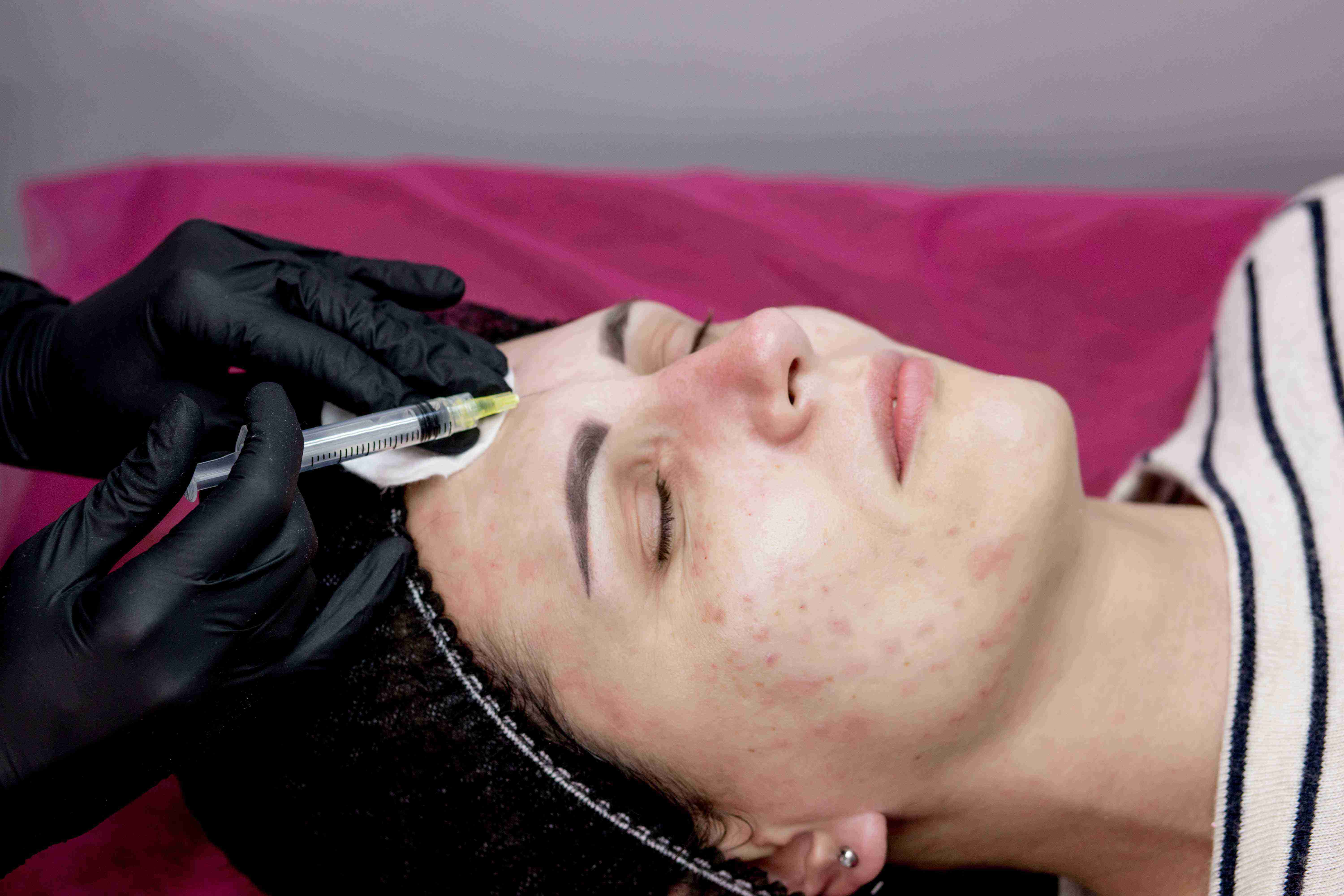
Filler treatment at Claire Derma follows a structured, anatomy-first approach. Your dermatologist begins with a facial analysis — assessing bone structure, fat pad distribution, skin thickness, and symmetry. This determines which areas need volume, what filler viscosity is appropriate for each zone, and how much product to use.
Benefits of Chemical Peels for Acne
Professional filler treatment at Claire Derma provides safety and precision that self-administered or non-medical settings cannot replicate. Vascular occlusion — when filler is accidentally injected into or compresses a blood vessel — is the most serious risk of dermal filler, and it requires immediate recognition and treatment with hyaluronidase.
Ideal Candidates for the Treatment
This treatment is ideal for individuals who:
Filler treatment is generally safe for healthy adults, but certain conditions require caution. Active skin infections, cold sores near the injection site, autoimmune disorders, and a history of anaphylaxis to HA products are all contraindications. Blood-thinning medications and supplements like aspirin, ibuprofen, fish oil, and vitamin E increase bruising risk — we ask patients to discontinue these for five to seven days before treatment when medically safe to do so.
The Treatment Process
01
Consultation & Skin Analysis
The dermatologist assesses acne severity and determines the best peel type. Your dermatologist conducts a full facial analysis — evaluating bone structure, fat pad position, skin quality, and proportional symmetry. Photographs are taken from multiple angles. Your goals, expectations, and medical history are reviewed.
02
Preparation
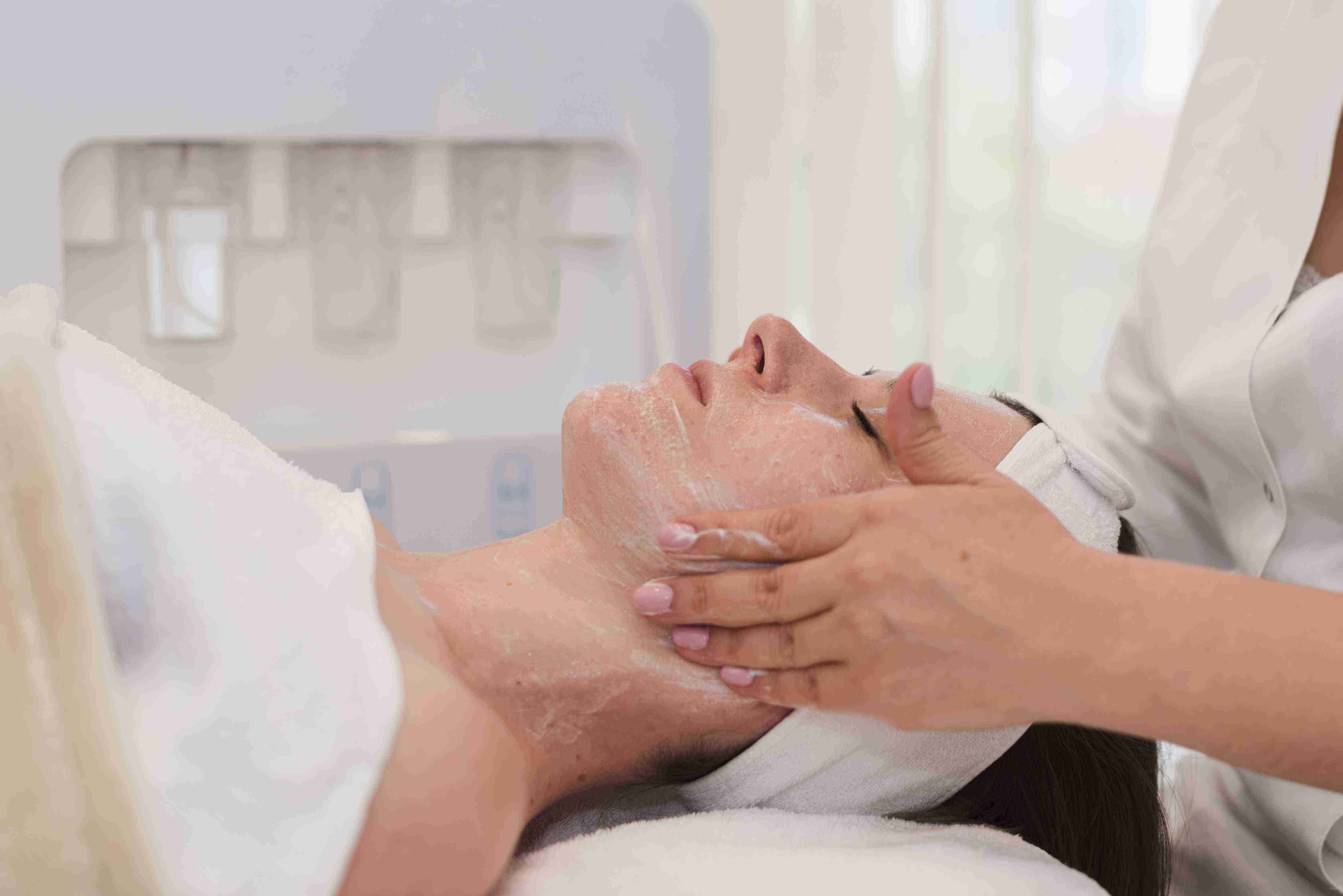
The skin is cleansed to remove oil and impurities before the treatment. The skin is cleansed and disinfected. Topical anaesthetic cream is applied to the treatment area for 15 to 20 minutes. Most modern HA fillers contain lidocaine within the gel, which numbs the tissue as it's injected.
03
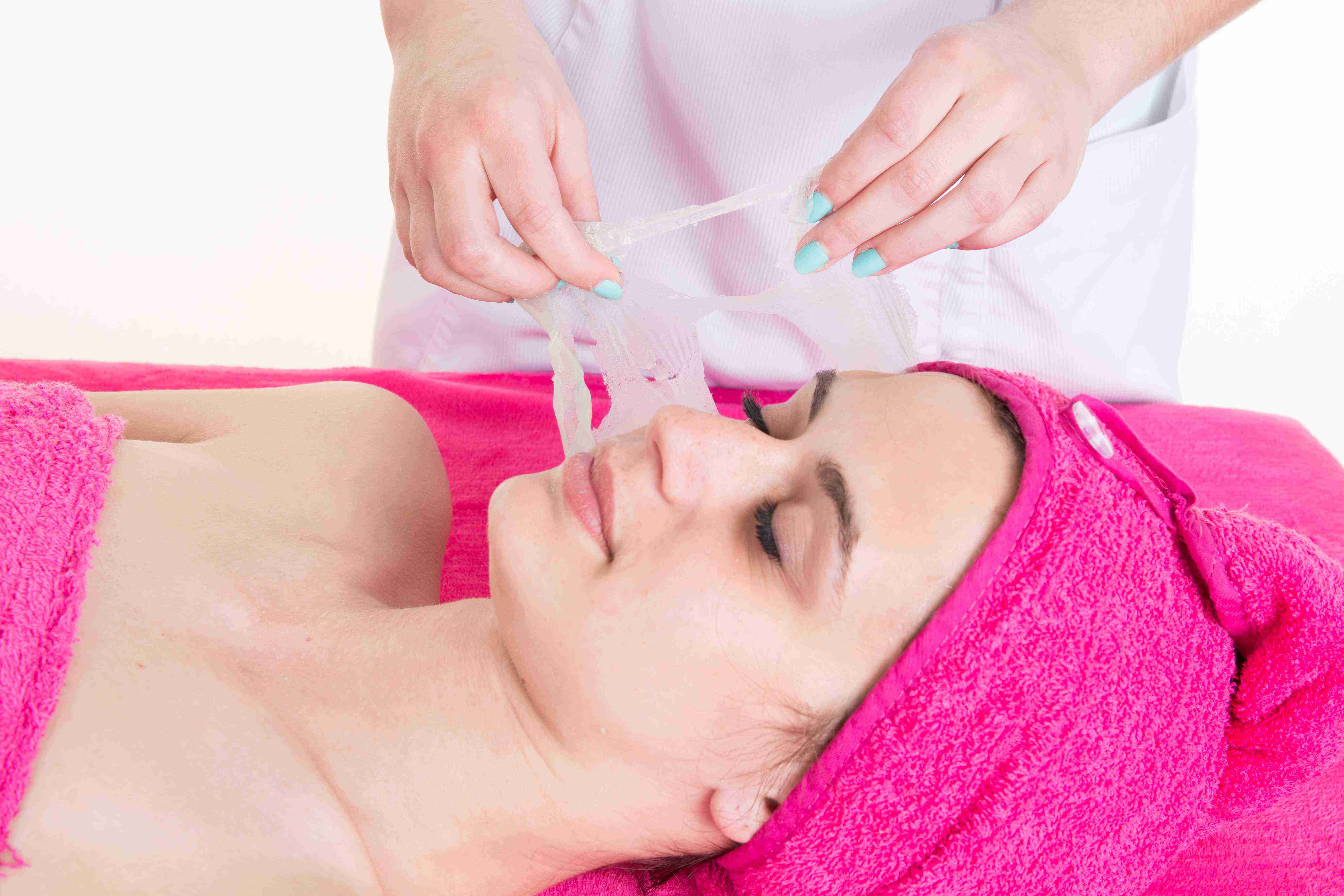
Peel Application
A customized chemical peel is applied and left on for controlled exfoliation. Filler is injected using either a fine needle or blunt cannula, depending on the area and depth. Your dermatologist pauses between injections to assess symmetry and volume from different angles. The product is moulded gently into position if needed.
Expected Results & Recovery

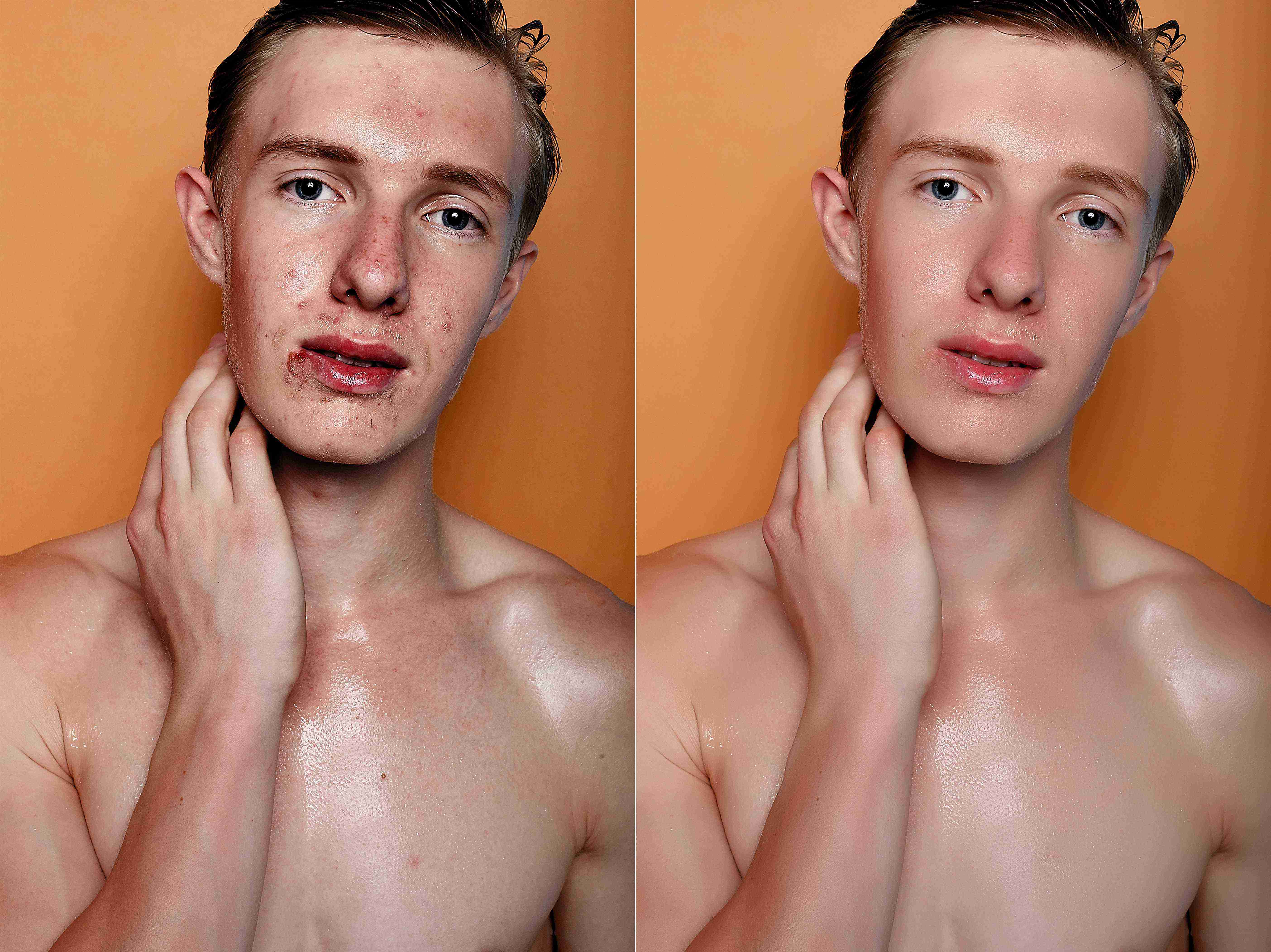
Noticeable improvements in 1–2 sessions.
Fades acne scars over multiple sessions.
Less roughness and irritation.
Skin heals within 3–7 days, depending on the peel depth.
Best results with regular sessions and a good skincare routine.
Got Questions?We've Got Answers
Find answers to the most common questions about our treatments, procedures, and recovery process. If you can't find what you're looking for, our support team is always here to help.
Typically, 3–6 sessions spaced 2–4 weeks apart are recommended.
Chemical peels fade acne scars and dark spots, but deep scars may require microneedling or laser treatments for optimal results.
Most people experience a mild tingling or stinging sensation, but it is tolerable and subsides quickly.
It is recommended to wait at least 24–48 hours before applying makeup to avoid irritation.
Some individuals experience temporary purging before clearing up.
Volume requirements vary by area and individual anatomy. Cheeks typically need 1 to 2 ml per side, lips 0.5 to 1 ml total, tear troughs 0.3 to 0.5 ml per side, and jawline contouring 1 to 2 ml per side. At Claire Derma, we often recommend starting with less and adding more at a follow-up visit.
Most patients rate the discomfort as mild. A topical numbing cream is applied before treatment, and the filler itself contains lidocaine that numbs the tissue as it enters. Some areas — like the lips and under-eyes — are more sensitive than others. Using a cannula instead of a needle often reduces discomfort for deeper placements.
Properly placed filler stays where it's injected. Migration typically results from overfilling, incorrect product choice for the area, or placement in the wrong tissue plane. Using the right viscosity filler at the correct depth — and not exceeding safe volume limits — virtually eliminates migration risk. At Claire Derma, our dermatologists follow conservative dosing principles and use anatomical landmarks to ensure precise placement.
No. When HA filler metabolises, your face gradually returns to its pre-treatment state — it does not sag further or look worse than before. Some patients actually notice residual improvement because the HA stimulated minor collagen production while it was in place. The change is gradual, typically occurring over several months, so there's no sudden deflation.