
Introduction to Thread Lifts
As skin ages, collagen production declines, leading to fine lines, wrinkles, skin laxity, and an uneven texture. Medium to deep chemical peels are an advanced skin rejuvenation treatment that helps reverse these signs of aging by removing damaged skin layers, stimulating new collagen growth, and promoting a youthful, radiant complexion. These peels use potent exfoliating agents, such as trichloroacetic acid (TCA), phenol, and high-strength glycolic acid, which penetrate deeper into the skin layers to trigger cell renewal, enhance skin elasticity, and smooth out wrinkles.
Thread lifts use absorbable sutures — most commonly PDO (polydioxanone) or PLLA (poly-L-lactic acid) — inserted beneath the skin through a thin cannula to physically reposition sagging tissue. Unlike a surgical facelift, there are no large incisions and no general anaesthesia. The threads contain tiny barbs or cogs that grip the subcutaneous tissue, creating an immediate mechanical lift while simultaneously triggering a localised wound-healing response.
How Medium to Deep Chemical Peels Work
This treatment effectively combats aging by:

Thread lifts work well for patients who notice early-to-moderate sagging — particularly in the midface, jowls, and neck — but aren't ready for or interested in surgical intervention. They're also effective for brow lifting, jawline sharpening, and smoothing nasolabial folds. The procedure suits adults between their mid-thirties and late fifties whose skin still retains some elasticity.
Reversing Signs of Aging with Medium to Deep Chemical Peels
At Claire Derma, thread lift procedures typically take 30 to 60 minutes under local anaesthesia. After marking the insertion and exit points, the dermatologist introduces a thin cannula beneath the skin and guides the threaded suture into position.
Benefits of Medium to Deep Peels for Anti-Aging
Choosing a professional setting like Claire Derma for thread lifts matters more than most patients realise. Incorrect thread placement can cause dimpling, asymmetry, visible threads beneath thin skin, or nerve injury. Our dermatologists have trained specifically in facial anatomy and thread insertion vectors, which means each thread is positioned along the correct tissue plane at the right depth.
Ideal Candidates for the Treatment
This treatment is ideal for individuals who:
Thread lifts are not suitable for everyone. Patients with autoimmune connective tissue disorders, active skin infections at the treatment site, or a history of keloid scarring should discuss alternatives with their dermatologist. Very severe sagging with significant skin excess still responds best to surgical excision. Smokers may experience delayed healing and reduced collagen production, which can shorten the lifespan of results.
The Treatment Process
01
Consultation & Skin Assessment
The dermatologist examines the skin and selects the appropriate peel strength. Your dermatologist assesses facial laxity, skin thickness, and underlying bone structure. Photographs are taken under standardised lighting to plan thread vectors. We discuss PDO versus PLLA options, expected outcomes, and any contraindications.
02
Preparation
Skin is cleansed, and sensitive areas are protected before applying the peel. On the day of treatment, the face is cleansed and entry points are marked with a surgical pen. Local anaesthesia is administered at the insertion sites and along the thread pathway. The area is prepped with antiseptic solution.
03
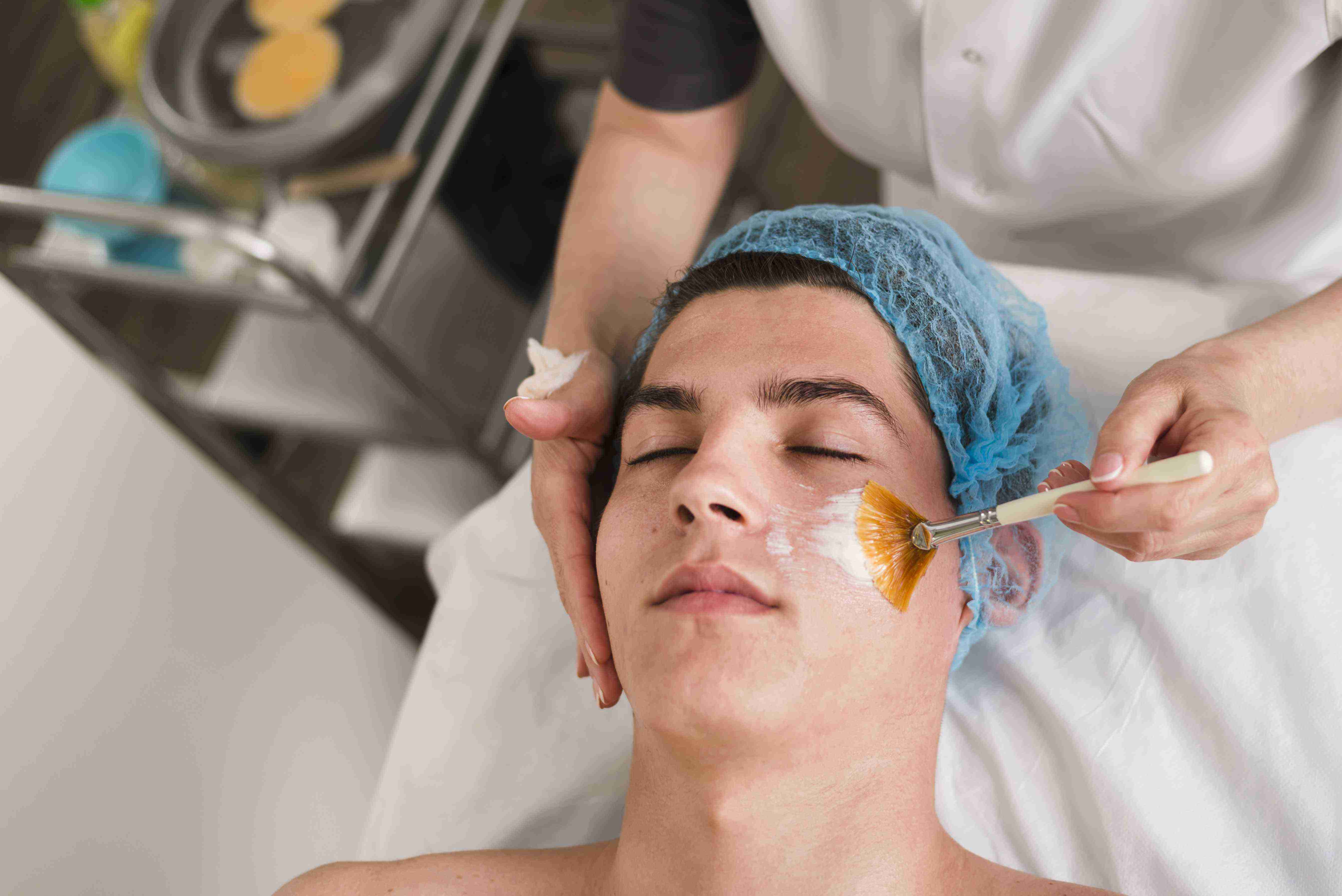
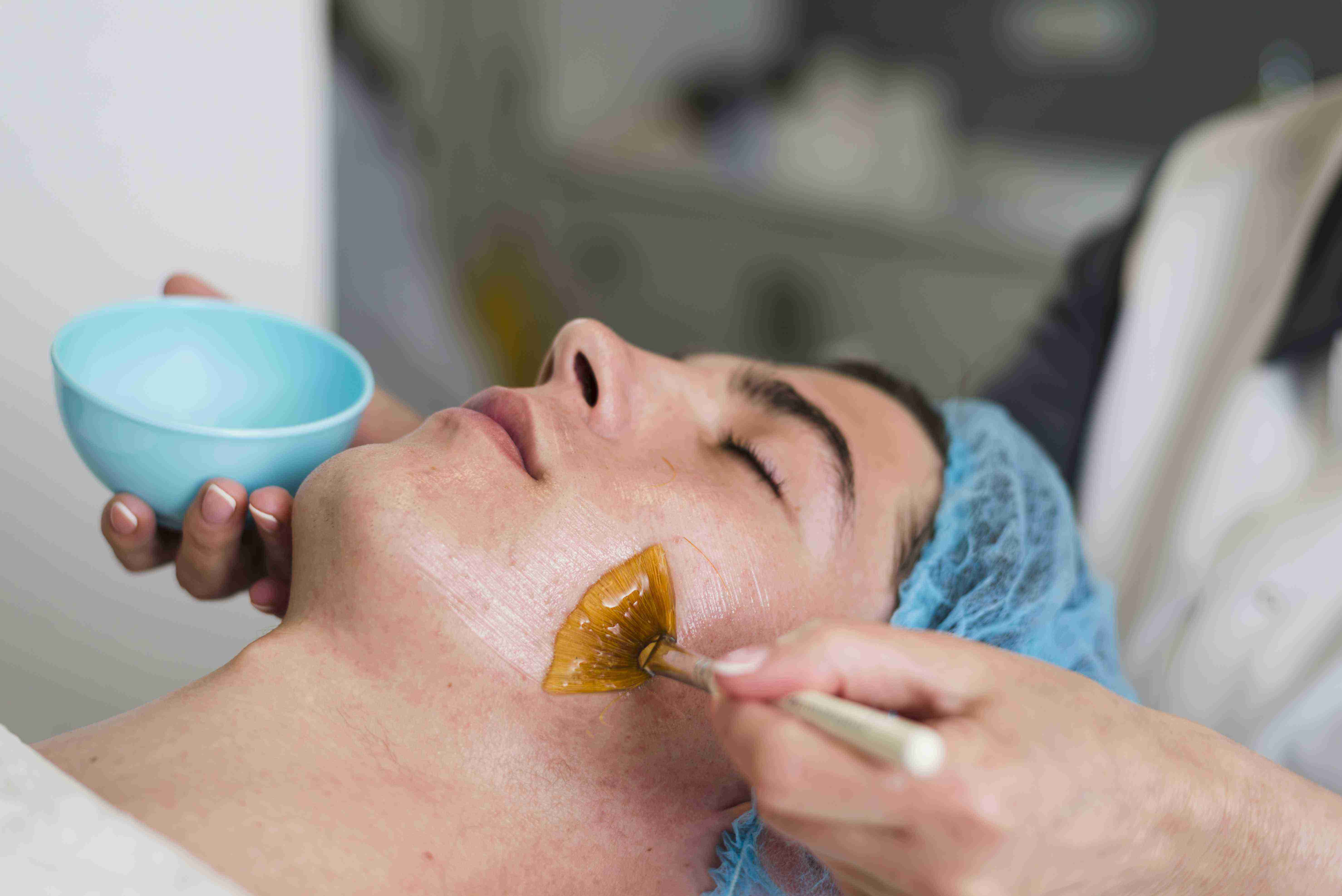
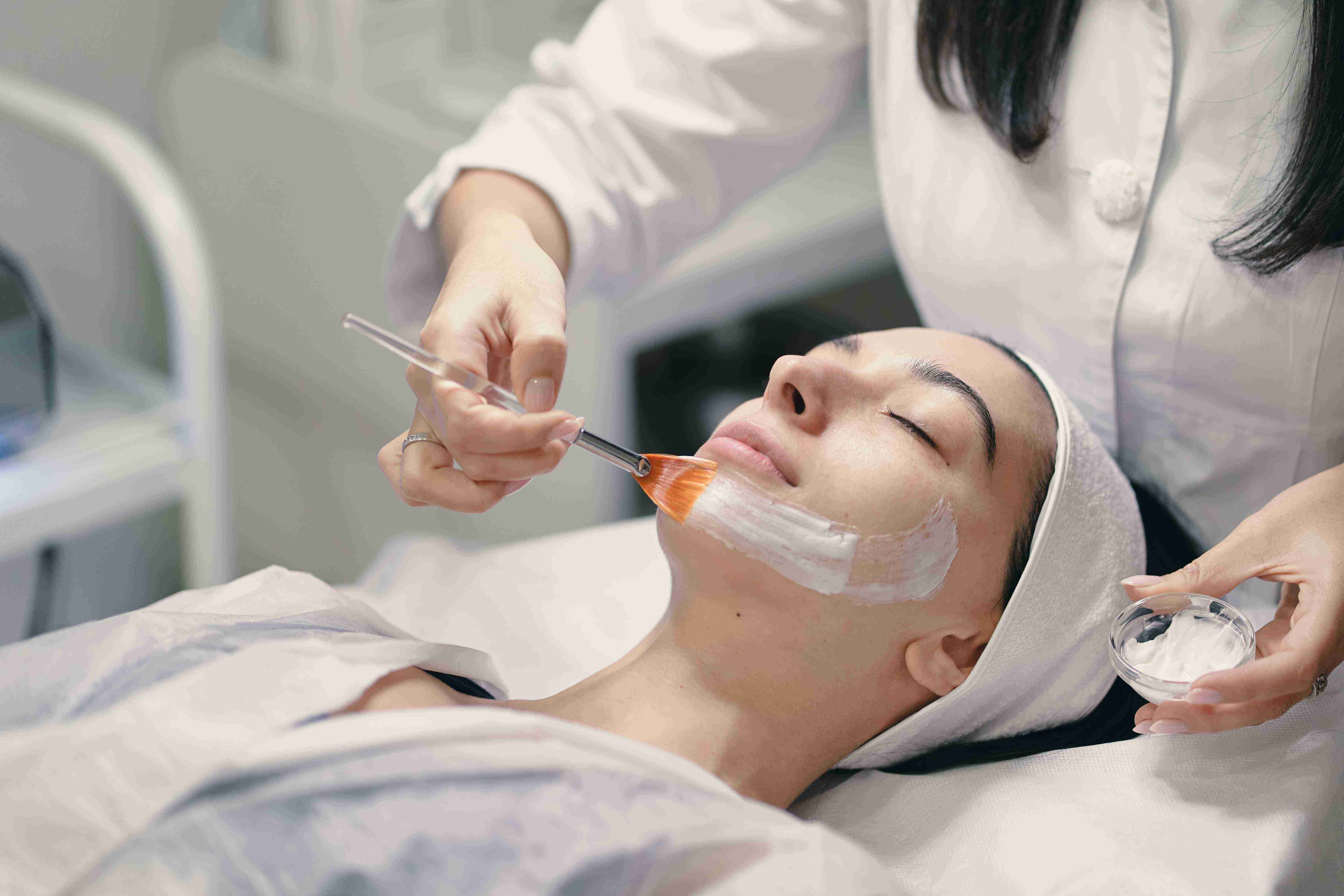
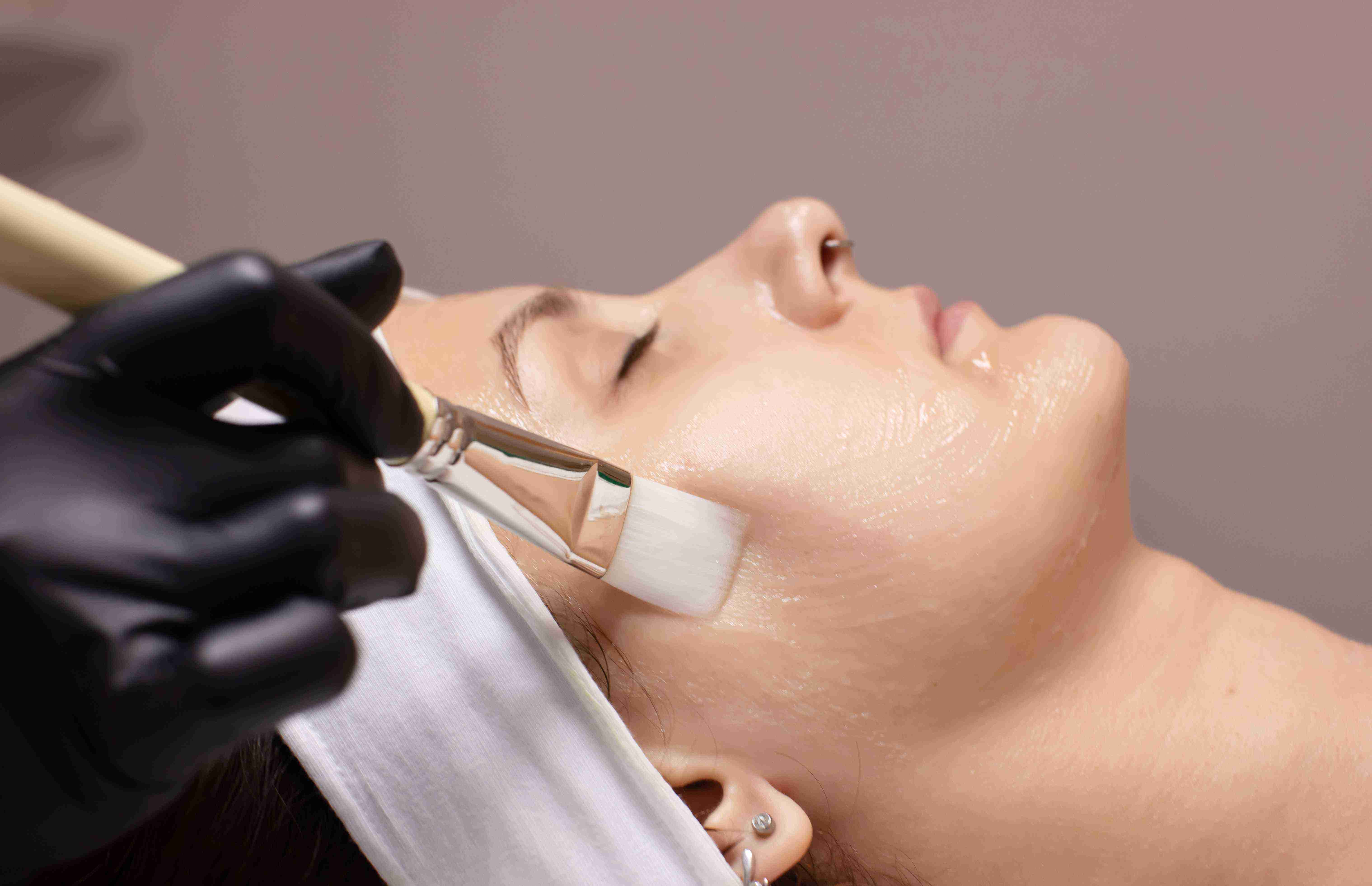
Peel Application
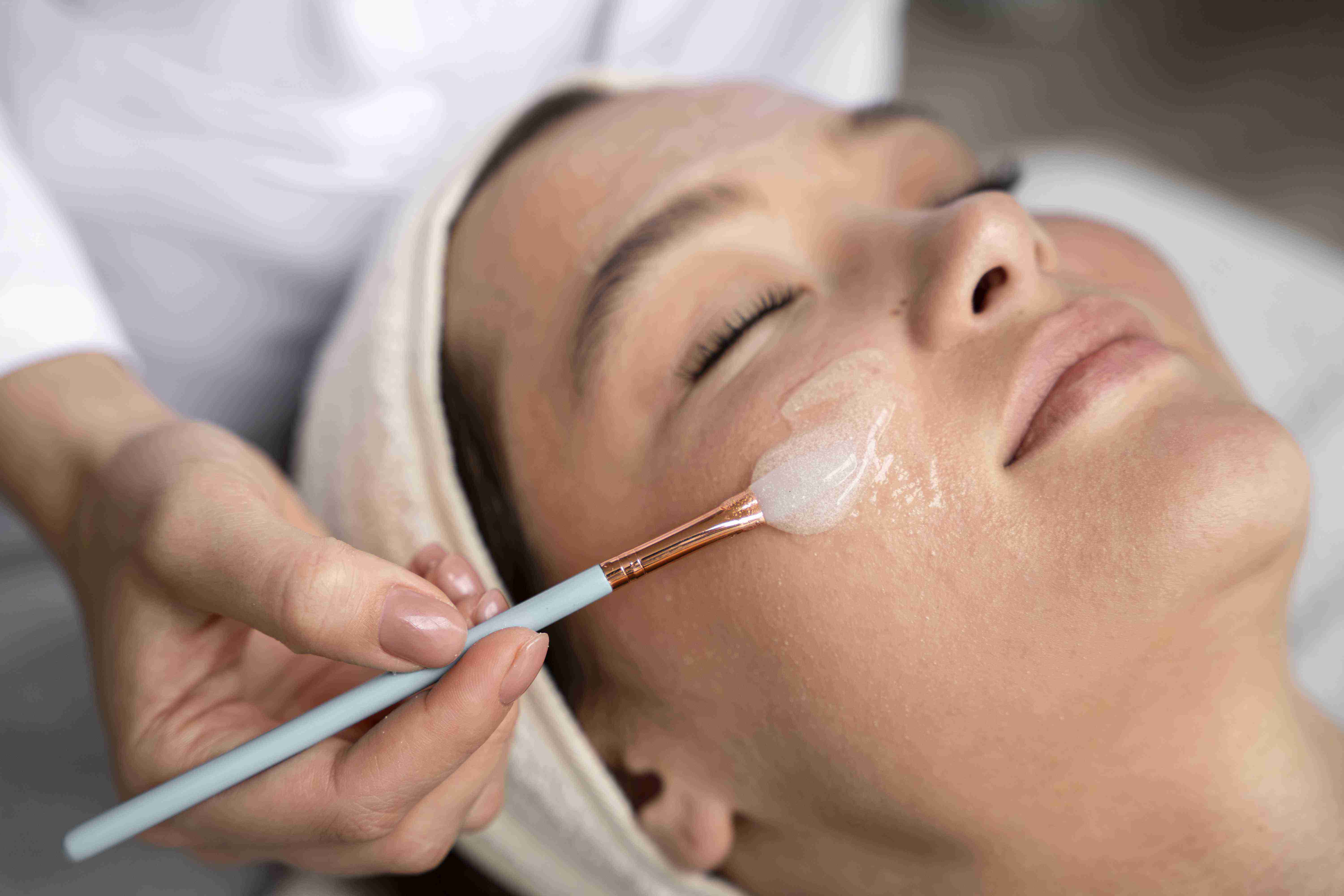
A customized medium or deep chemical peel solution is applied and left on for a set duration. A thin cannula loaded with the threaded suture is guided beneath the skin along the pre-marked vectors. Once positioned, the barbs engage the tissue and the cannula is withdrawn, leaving the thread in place. Gentle upward tension is applied to achieve the lift.
04
Post-Treatment Care
Redness and peeling occur for 5–10 days, requiring hydration and strict sun protection. Entry points are covered with small adhesive strips. You may notice mild swelling, tenderness, and bruising for three to seven days. We advise sleeping on your back, avoiding strenuous activity for two weeks, and skipping facial massages for four weeks.
Expected Results & Recovery

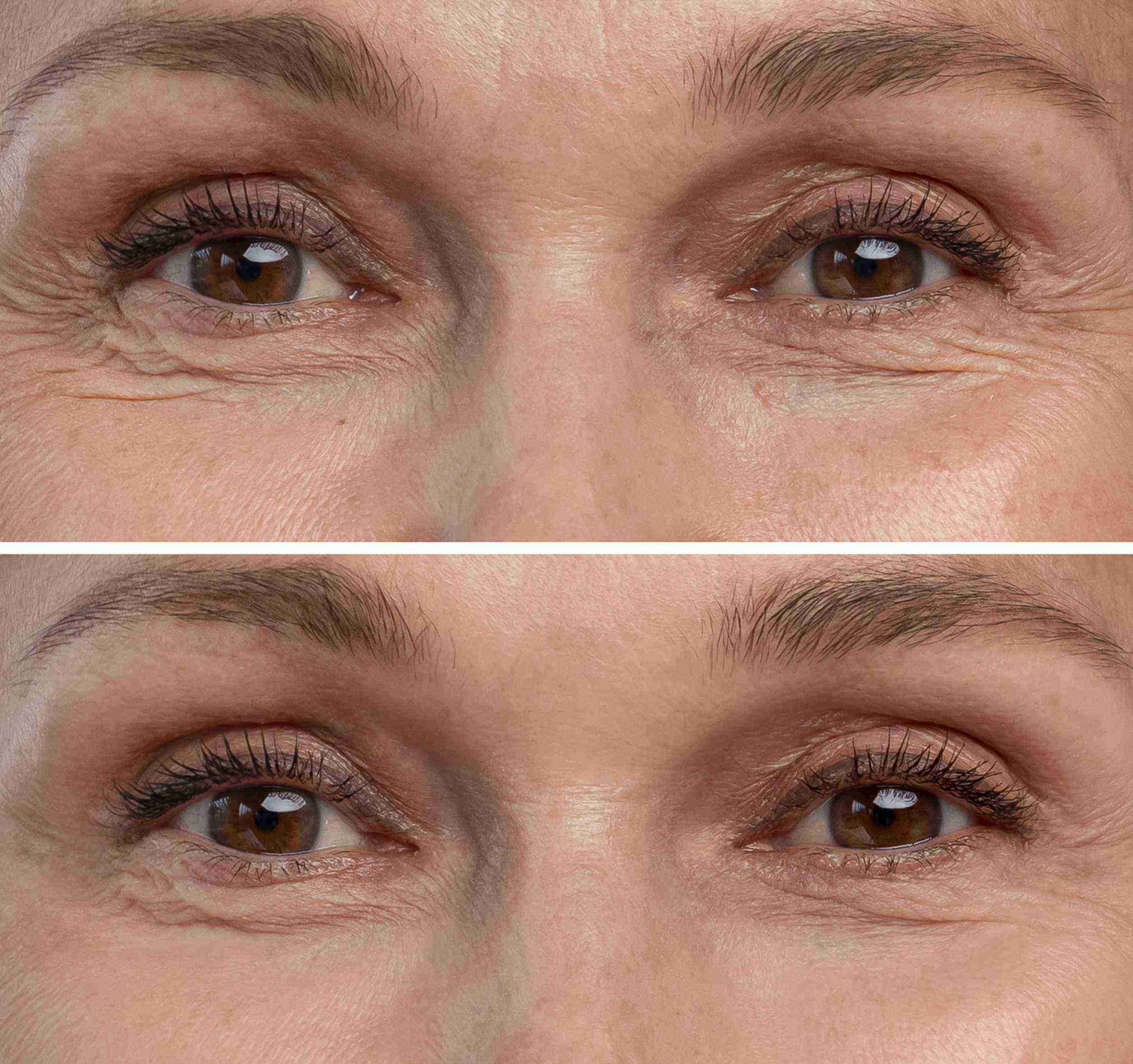
Fine lines and wrinkles begin to fade within a few weeks.
Skin looks refreshed and revitalized.
Peeling subsides within 7–10 days, with ongoing improvements over 2–6 months.
Regular treatments enhance collagen production and skin elasticity over time.
Got Questions?We've Got Answers
Find answers to the most common questions about our treatments, procedures, and recovery process. If you can't find what you're looking for, our support team is always here to help.
Typically, 3–5 sessions, spaced 4–6 weeks apart, provide the best rejuvenation.
With proper skincare and sun protection, results can last several months to years.
Mild tingling or warmth may be felt during the peel, but discomfort is temporary.
It’s best to avoid makeup for 5–7 days to allow proper skin healing.
Yes, deep peels are more effective for severe wrinkles and sagging skin, but they require longer recovery time.
PDO thread results typically last 12 to 15 months, while PLLA threads can maintain their effect for 18 to 24 months. The mechanical lift is immediate, but collagen production continues for several months after placement, so results often look better at three months than they do on day one. After the threads dissolve, the collagen scaffold they stimulated provides residual support.
Local anaesthesia is applied before any threads are inserted, so most patients feel only pressure and mild tugging during the procedure. The injection of anaesthetic itself may sting briefly. Afterward, you can expect a tight, slightly sore sensation for three to five days — similar to the feeling after a vigorous facial massage. Over-the-counter pain relief is usually sufficient.
Yes, and many of our patients do. Threads address sagging and structural laxity, while Botox relaxes dynamic wrinkles and fillers restore lost volume. These treatments target different aspects of facial ageing, so combining them produces a more complete result. At Claire Derma, we can perform Botox on the same day as a thread lift if the treatment areas don't overlap.
The most common side effects are temporary bruising, swelling, and mild asymmetry that resolves as swelling subsides. Less frequent complications include thread migration, visible threads under thin skin, dimpling at entry points, and infection. Serious issues like nerve damage are rare but possible if threads are placed in the wrong tissue plane.