Introduction to Anti-Dandruff Treatment for Fungal Scalp Infection
Fungal scalp infections, commonly known as tinea capitis, cause dandruff, itching, hair loss, and inflammation. Anti-dandruff treatments help eliminate the fungal infection, soothe irritation, and promote a healthy scalp.
Fungal scalp infections — collectively termed tinea capitis — are caused by dermatophyte fungi, most commonly Trichophyton and Microsporum species, that invade the hair shaft and follicle. Unlike Malassezia-driven seborrheic dermatitis, these infections are contagious, progressive, and require systemic antifungal treatment to reach the fungal elements within the hair shaft where topical agents cannot penetrate adequately.
How Anti-Dandruff Treatment Works
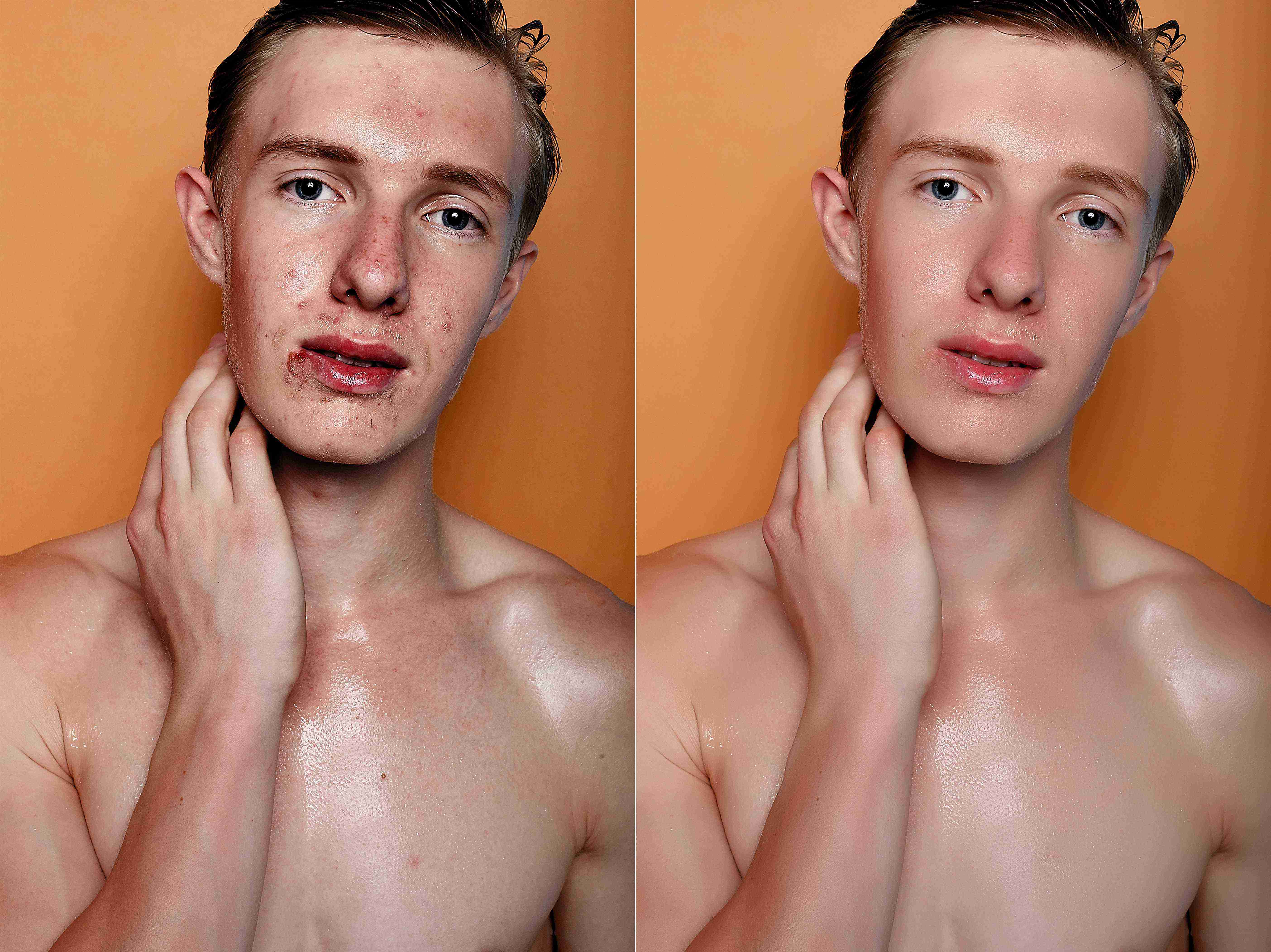
This treatment targets acne and skin congestion by:

Fungal scalp infections present in several distinct clinical patterns depending on the causative organism and the host immune response. At Claire Derma, our trichologists classify your infection type to guide treatment decisions — non-inflammatory grey patch tinea capitis caused by Microsporum species responds differently than inflammatory black dot tinea capitis caused by Trichophyton tonsurans.
Treating Fungal Scalp Infection with Anti-Dandruff Treatment
Systemic antifungal therapy is mandatory for fungal scalp infections because topical agents alone cannot reach the intrafollicular and endothrix fungal elements. At Claire Derma, our first-line treatment is oral terbinafine or griseofulvin, with the choice depending on the suspected dermatophyte species.
Benefits of Anti-Dandruff Treatment for Fungal Scalp Infection
Having fungal scalp infections diagnosed and managed at Claire Derma means accurate identification of the causative organism, the right antifungal selection, and complete eradication rather than temporary suppression. Many patients present to us after failed self-treatment with dandruff shampoos, having assumed their scaling and hair loss was simple dandruff.
Ideal Candidates for the Treatment
This treatment is ideal for individuals who:
You need to finish the full course of systemic antifungal medication to cure a fungal scalp infection. At Claire Derma, we emphasise that clinical improvement — reduced scaling and itching — often appears within two weeks, but stopping treatment early leaves viable fungal elements in the hair shaft that will cause relapse.
The Treatment Process
01
Consultation & Skin Analysis
The dermatologist assesses acne severity and determines the best peel type. Our trichologist examines your scalp clinically and with Wood's lamp to identify fluorescent patterns suggesting Microsporum infection. Samples are collected by scraping scales and plucking affected hairs for KOH microscopy and fungal culture.
02
Preparation
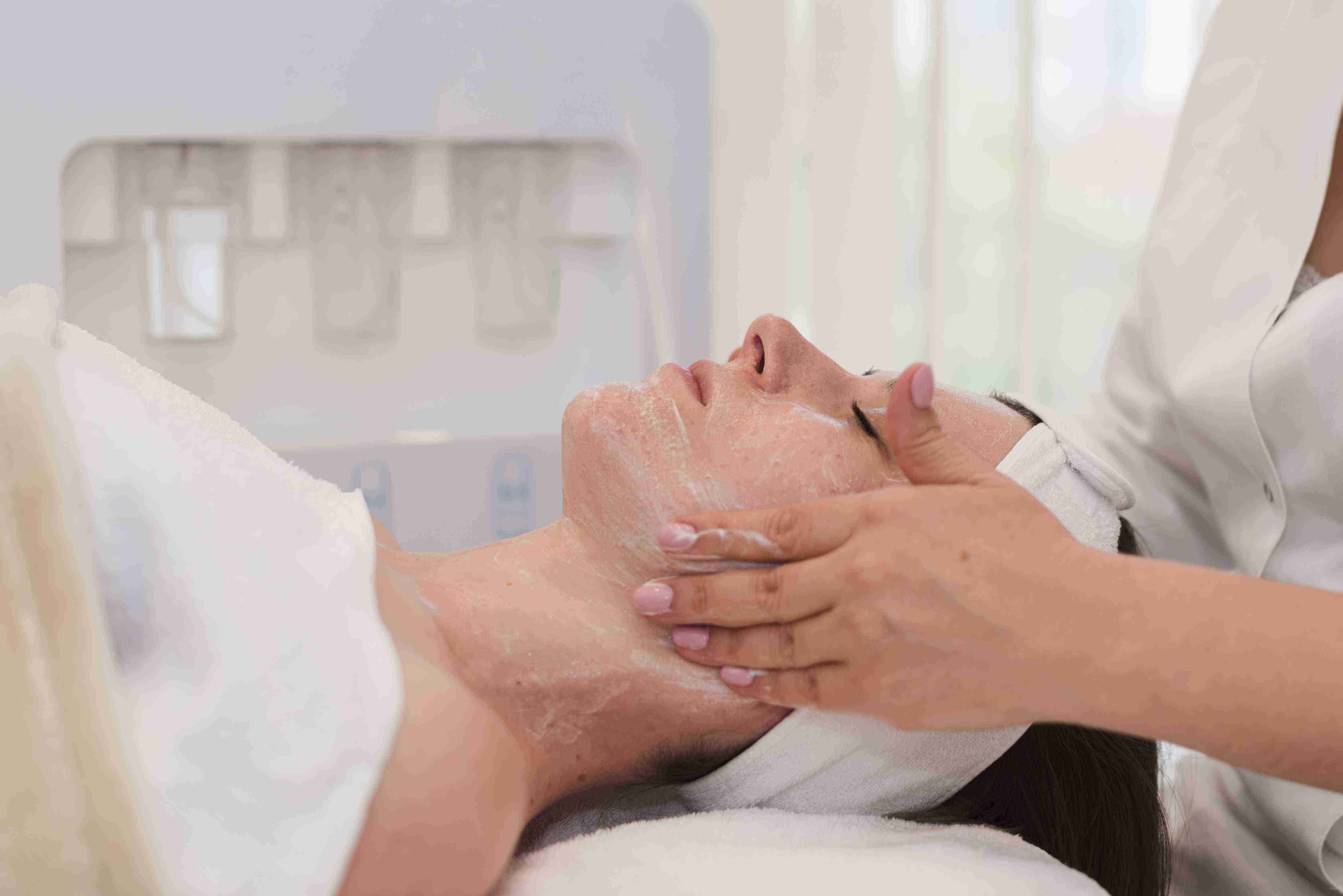
The skin is cleansed to remove oil and impurities before the treatment. Baseline blood tests including liver function are ordered before starting systemic antifungals. We prescribe the antifungal shampoo to begin immediately while awaiting culture results, as reducing surface spore counts limits contagion.
03
Peel Application
A customized chemical peel is applied and left on for controlled exfoliation. Oral terbinafine or griseofulvin is prescribed based on the suspected species, with dosing adjusted for age and weight. The systemic course runs four to eight weeks. Adjunctive antifungal shampoo is used two to three times weekly throughout.
Expected Results & Recovery

Reduction in itching and scaling within 2–3 weeks.
Noticeable improvement in hair and scalp condition after 4–6 weeks.
Complete resolution with proper maintenance.
Minimal downtime.
Mild scalp dryness or tingling may occur temporarily.
Normal activities can be resumed immediately after treatment.
Got Questions?We've Got Answers
Find answers to the most common questions about our treatments, procedures, and recovery process. If you can't find what you're looking for, our support team is always here to help.
Typically, 3–6 sessions spaced 2–4 weeks apart are recommended.
Chemical peels fade acne scars and dark spots, but deep scars may require microneedling or laser treatments for optimal results.
Most people experience a mild tingling or stinging sensation, but it is tolerable and subsides quickly.
It is recommended to wait at least 24–48 hours before applying makeup to avoid irritation.
Some individuals experience temporary purging before clearing up.
Antifungal shampoos alone cannot cure a true dermatophyte scalp infection because the fungus invades the hair shaft internally where topical agents cannot penetrate at therapeutic concentrations. At Claire Derma, we use medicated shampoos containing ketoconazole or selenium sulphide as adjunctive therapy to reduce surface spore shedding and limit contagion, but systemic oral antifungals — terbinafine or griseofulvin — are always required for definitive treatment.
While more common in children, adults can contract fungal scalp infections through contact with infected individuals, contaminated hair tools, or animals carrying dermatophytes — particularly cats and dogs with Microsporum canis. Immunosuppression, diabetes, and prolonged topical steroid use on the scalp increase adult susceptibility.
In most cases, hair regrows fully within three to six months after the fungal infection is eradicated. Non-inflammatory infections like grey patch tinea capitis rarely cause permanent follicle damage. However, kerion lesions — the inflamed, boggy masses that develop when the immune system mounts an aggressive response — can destroy follicles and leave areas of scarring alopecia.
Yes, dermatophyte scalp infections are contagious through direct contact and shared items like combs, brushes, hats, and pillowcases. At Claire Derma, we advise patients to avoid sharing personal hair care items, wash bedding and towels at 60 degrees Celsius, and disinfect combs and brushes weekly during treatment. We recommend that household members with any scalp symptoms be examined promptly.