
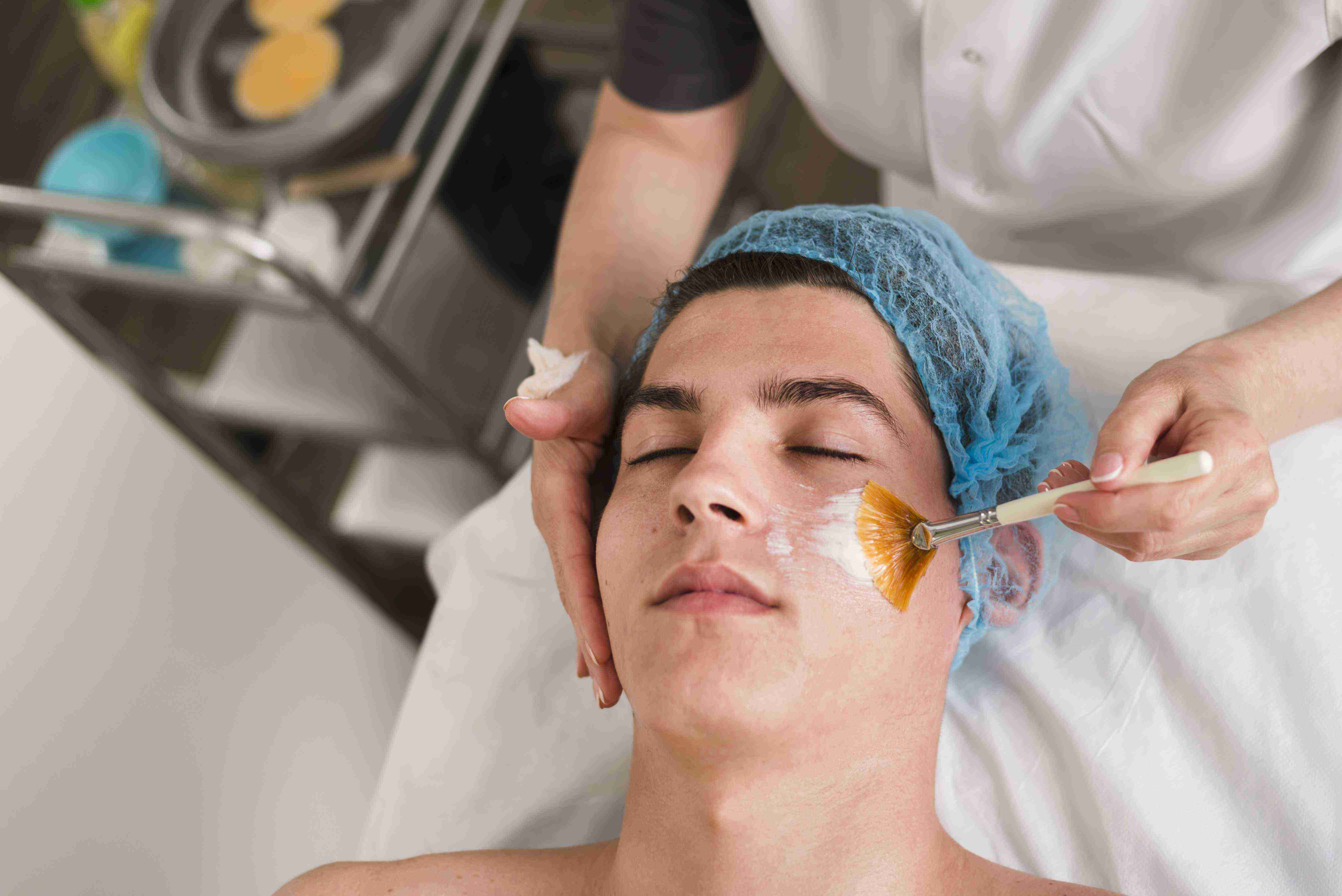
Introduction to Anti-Dandruff Treatment for Seborrheic Dermatitis
Seborrheic Dermatitis is a chronic inflammatory skin condition that affects the scalp, causing redness, scaling, and persistent dandruff. It occurs due to an overgrowth of Malassezia yeast and excessive sebum production. Anti-dandruff treatments help control the symptoms, reduce flakiness, and restore scalp health.
Seborrheic dermatitis is a chronic inflammatory condition driven by an overgrowth of Malassezia yeast on the scalp, particularly in areas with high sebaceous gland density. The yeast metabolises sebum triglycerides into oleic acid and other irritating free fatty acids, which triggers an inflammatory cascade that produces the characteristic greasy, yellowish scales, erythema, and persistent itching.
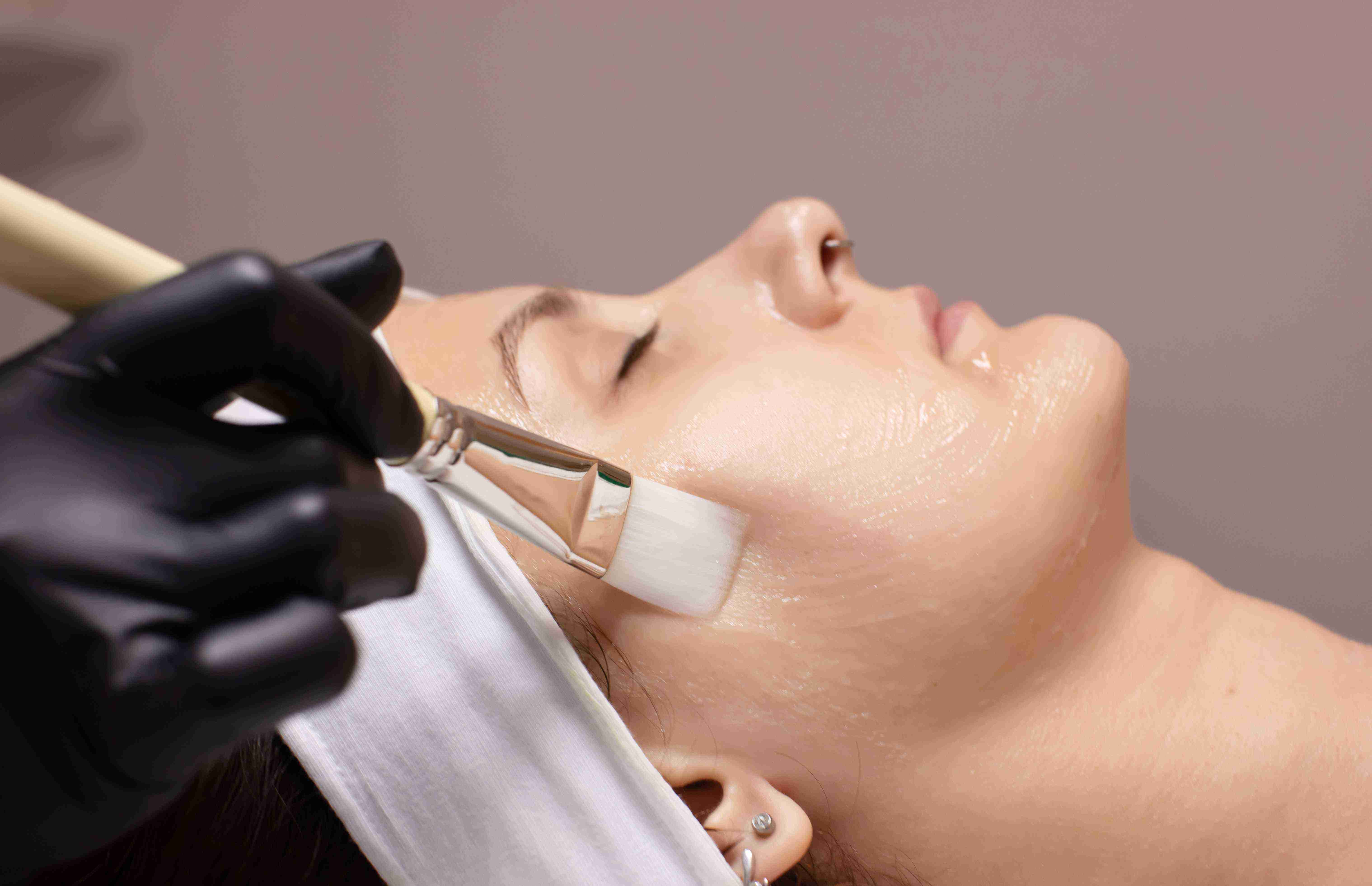
How Anti-Dandruff Treatment Works
These peels work by deeply penetrating the skin to:

Seborrheic dermatitis presents differently across patients, and our trichologists at Claire Derma classify your condition by severity and distribution before building a treatment plan. Mild cases show fine, white-to-yellow flaking with minimal redness, while moderate cases involve thicker adherent scales with visible erythema and pruritus that impacts daily comfort.
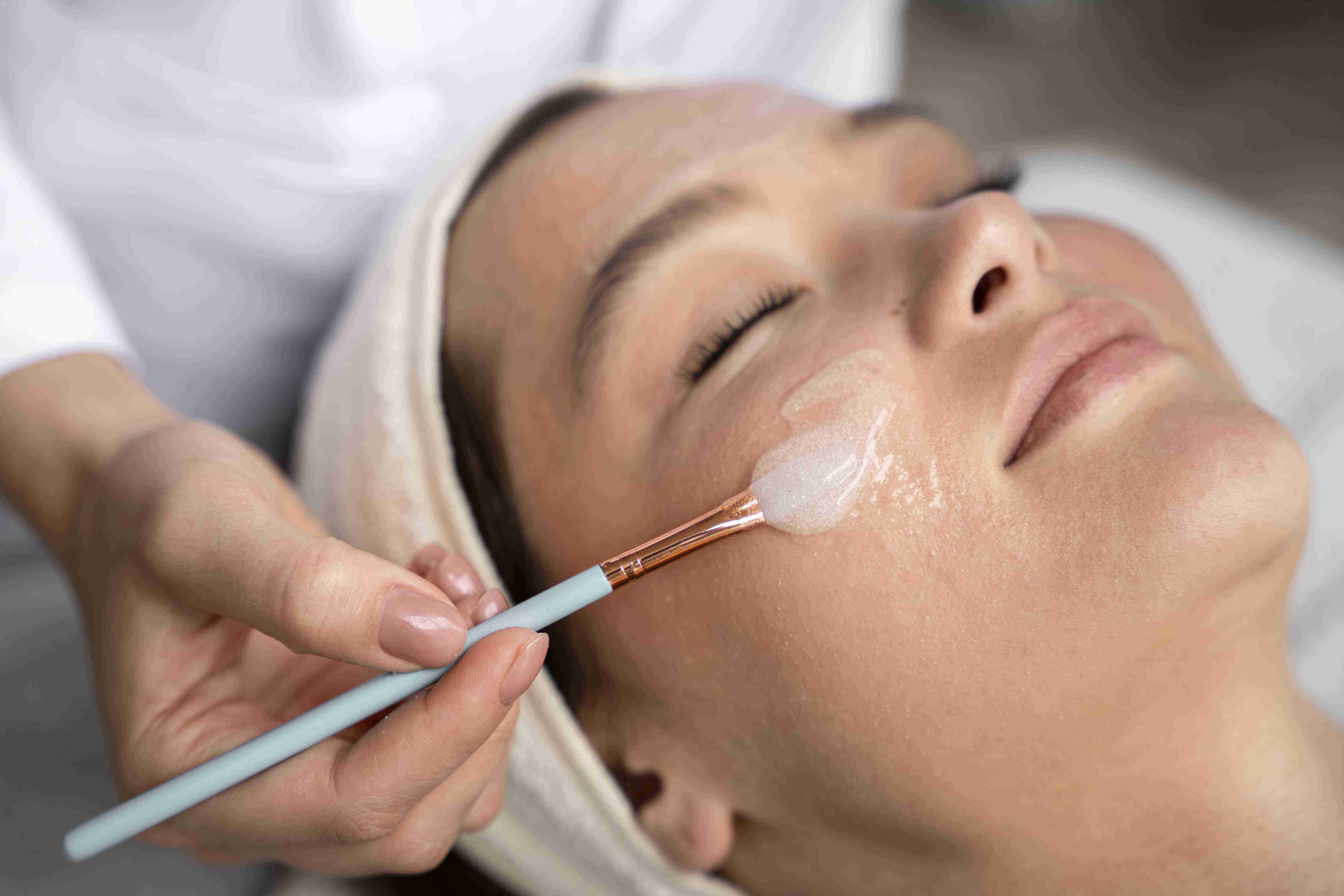
Treating Seborrheic Dermatitis with Anti-Dandruff Treatment
Treatment at Claire Derma for seborrheic dermatitis uses a layered approach targeting each component of the disease. Antifungal agents reduce Malassezia colonisation, keratolytics like salicylic acid at 2 to 3% concentration break down adherent scales to expose the underlying inflamed skin, and barrier-repair formulations restore the damaged stratum corneum that allows irritants to penetrate.
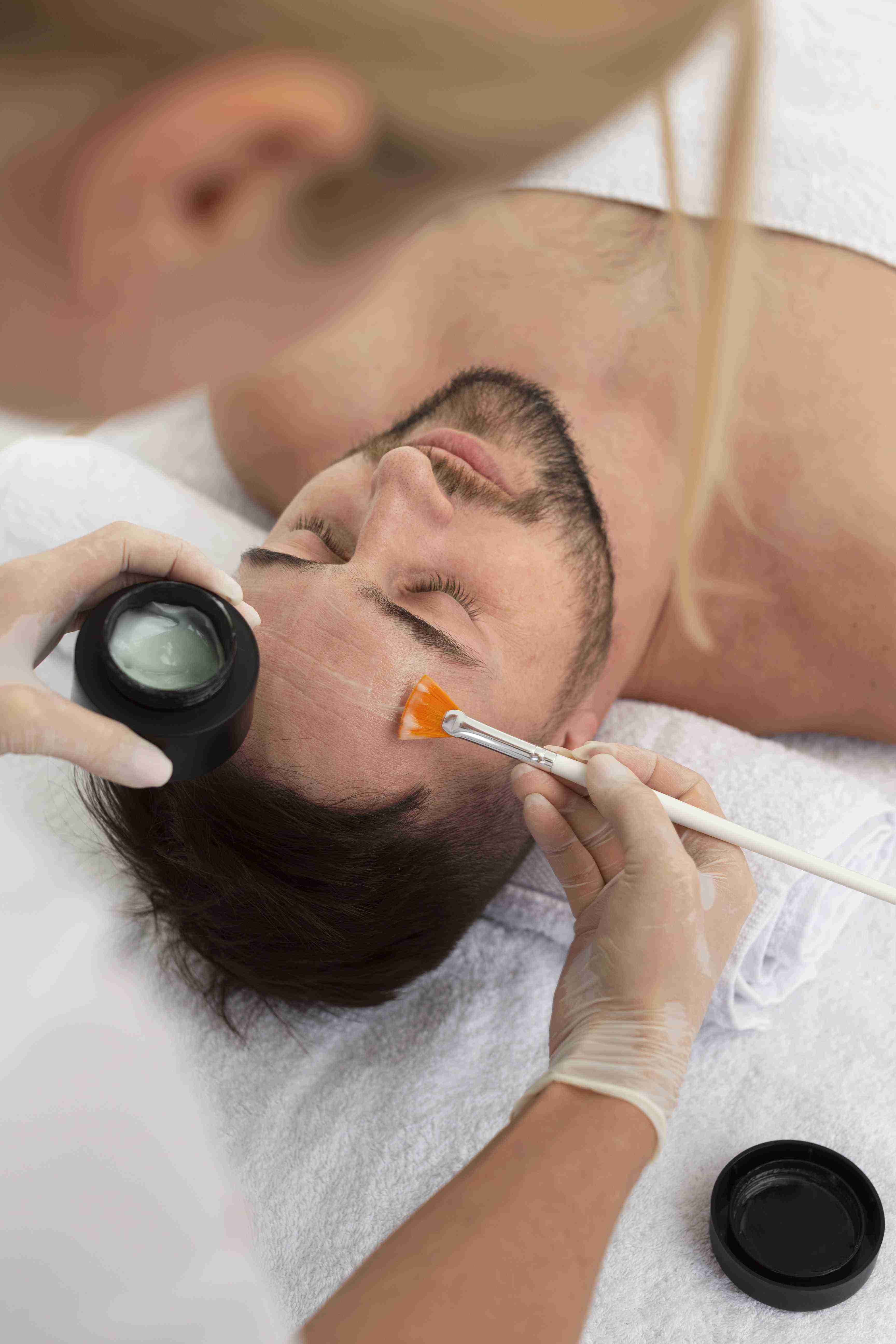
Benefits of Anti-Dandruff Treatment for Seborrheic Dermatitis
Managing seborrheic dermatitis at Claire Derma delivers more consistent results than self-treatment with retail products because we address the condition's multiple pathways at the same time. Many patients cycle through dandruff shampoos for years without lasting improvement because they target only one aspect of the disease — usually the fungal component — while ignoring the inflammation, barrier damage, and lifestyle.
Ideal Candidates for the Treatment
This treatment is ideal for individuals who:
Managing seborrheic dermatitis long term requires understanding that the condition is chronic and controllable rather than curable. At Claire Derma, we teach you to recognise early flare signs — increased scalp itching, oiliness, or fine flaking — so you can intensify your maintenance regimen before a full flare develops. Seasonal changes, stress, and sleep disruption are common triggers that our trichologists help you anticipate.
The Treatment Process
01
Consultation & Skin Analysis
The dermatologist assesses acne severity and selects the best peel formulation. Our trichologist examines your scalp under magnification to assess scale type, erythema severity, and distribution pattern. We classify your seborrheic dermatitis by grade and identify any co-existing conditions such as scalp psoriasis or folliculitis.
02
Preparation
The skin is cleansed, and protective measures are taken for sensitive areas. If thick scales are present, a keratolytic pre-treatment with 3% salicylic acid in an oil base is applied to soften and loosen adherent debris before the therapeutic agents are used.
03
Peel Application
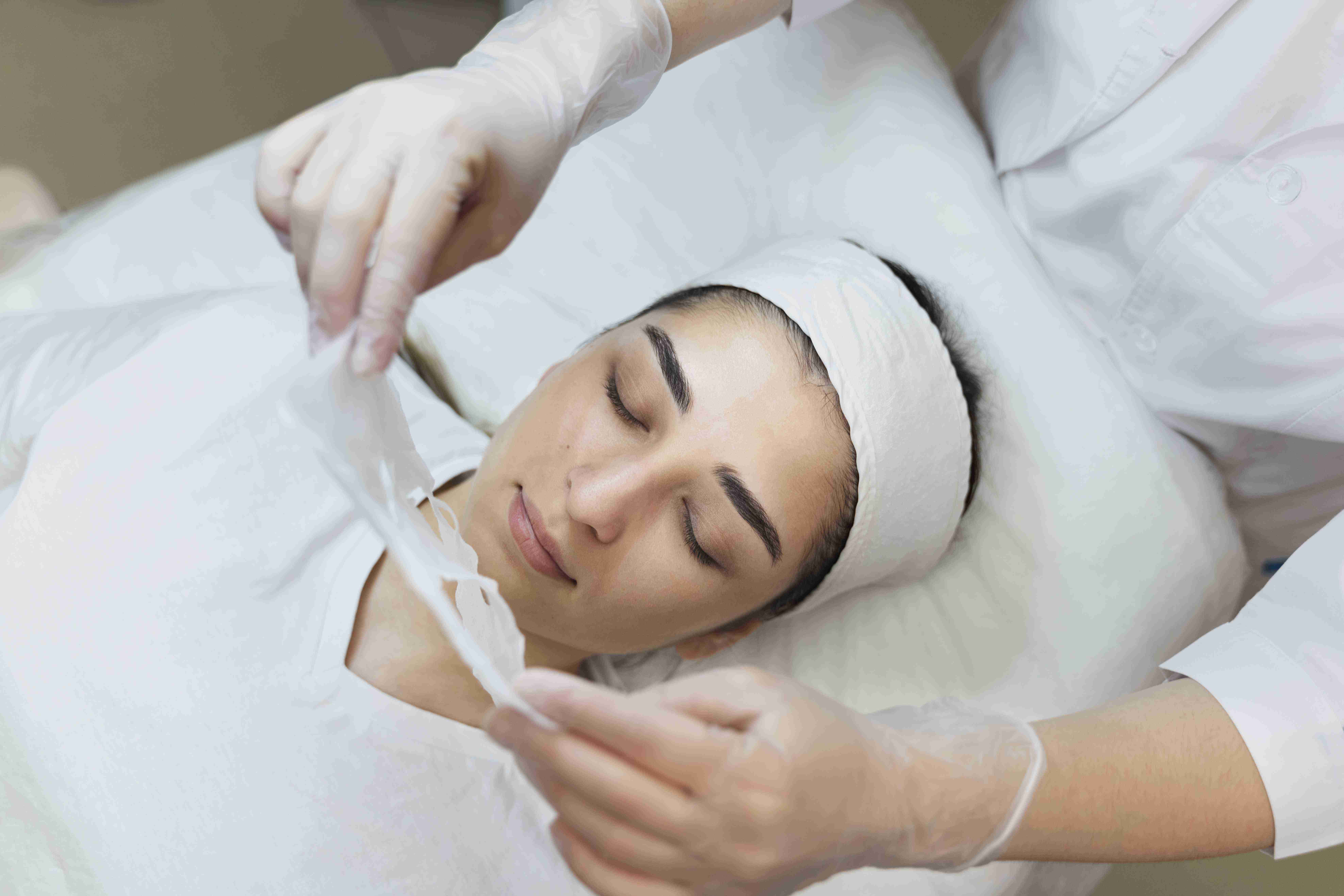
A customized medium or deep peel solution is applied for controlled penetration. Our trichologist applies the prescribed antifungal shampoo or lotion — typically 2% ketoconazole or 1% ciclopirox — with targeted scalp massage to ensure even coverage. For moderate-to-severe cases, a topical corticosteroid solution is applied to inflamed areas.
04
Neutralization & Post-Treatment Care
The peel is neutralized, and a soothing recovery serum is applied. There is no downtime after treatment. You leave the clinic with a clear home regimen including product names, application frequency, and a tapering schedule. We provide written instructions for recognising early flare signs.
Expected Results & Recovery

Visible reduction in dandruff and redness after 2–4 weeks.
Improved scalp condition and reduced itchiness.
Long-term management of seborrheic dermatitis with periodic maintenance.
No downtime required.
Patients can resume daily activities immediately.
Mild scalp dryness or tingling may occur, resolving with continued treatment.
Got Questions?We've Got Answers
Find answers to the most common questions about our treatments, procedures, and recovery process. If you can't find what you're looking for, our support team is always here to help.
Typically, 3–6 sessions, spaced 4–6 weeks apart, yield the best results.
Patients may feel a warm or stinging sensation, but discomfort is manageable.
Peeling and flaking can last between 5–10 days, depending on peel strength.
It significantly reduces acne and breakouts, but maintenance treatments and a proper skincare routine are essential.
Sun exposure must be strictly avoided for at least a week, and broad-spectrum sunscreen is mandatory.
Seborrheic dermatitis recurs because Malassezia yeast is a permanent resident of the scalp microbiome and cannot be eradicated completely. Flares happen when conditions favour its overgrowth — increased sebum production from hormonal shifts, stress, weather changes, or immunosuppression. At Claire Derma, we focus on long-term maintenance therapy that keeps the Malassezia population controlled rather than attempting to eliminate it.
Dandruff and seborrheic dermatitis exist on a spectrum of the same condition, with dandruff being the mildest form. Simple dandruff involves fine white flaking without significant inflammation, while seborrheic dermatitis adds greasy yellowish scales, visible redness, and itching. At Claire Derma, our trichologists assess where you fall on this spectrum because treatment intensity differs.
Seborrheic dermatitis can contribute to temporary hair shedding through chronic inflammation around the follicle, excessive scratching that damages hair shafts, and the buildup of scales that physically obstruct the follicular opening. However, it does not cause permanent follicle destruction. At Claire Derma, we commonly see patients whose shedding improves significantly once the dermatitis is brought under control.
Most patients at Claire Derma notice reduced itching and visible scale reduction within one to two weeks of starting a prescribed antifungal and anti-inflammatory regimen. Full clearance of a moderate flare typically takes three to four weeks. However, achieving long-term control requires maintaining a regular antifungal wash schedule even after symptoms resolve.