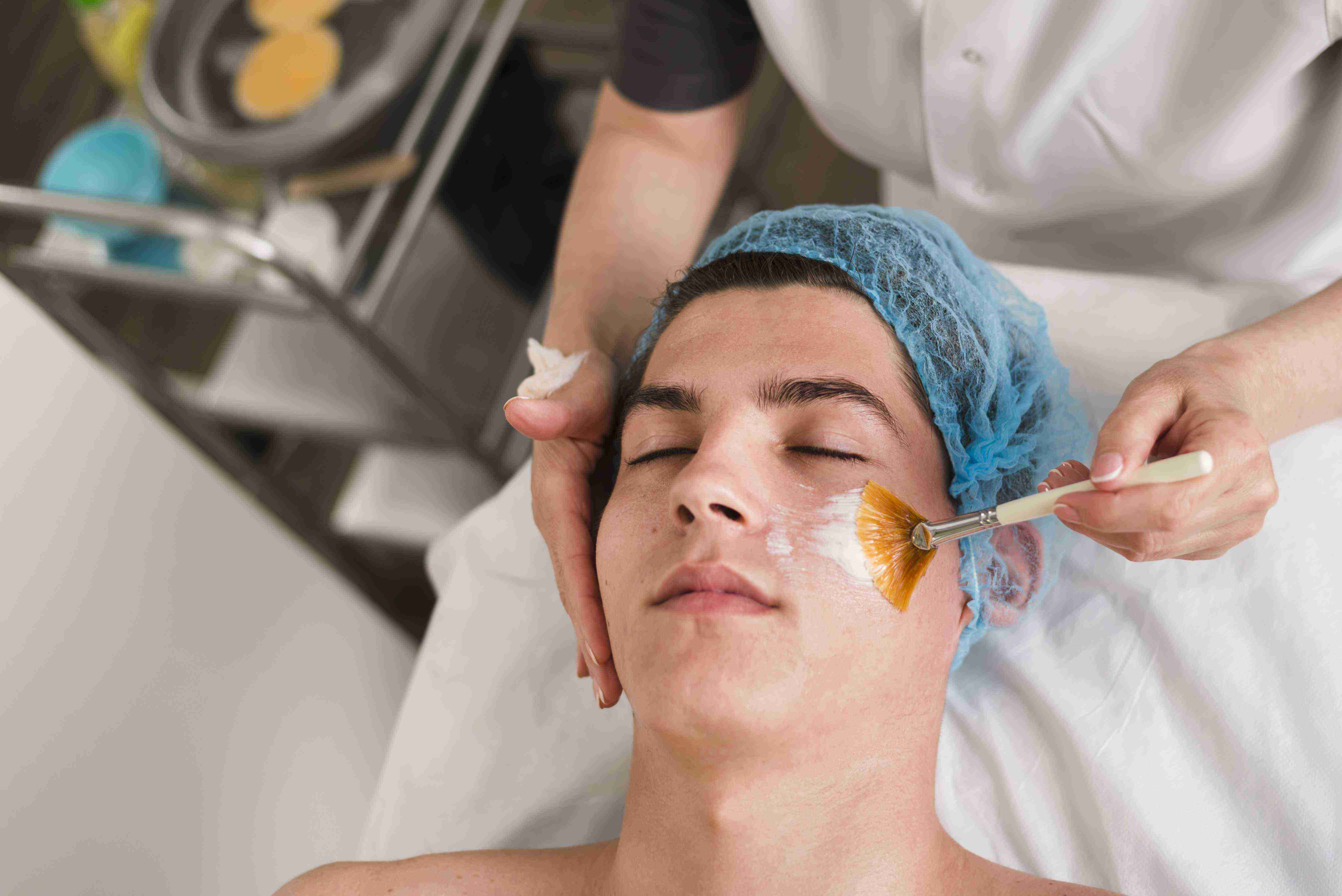
Introduction to Medium to Deep Chemical Peels
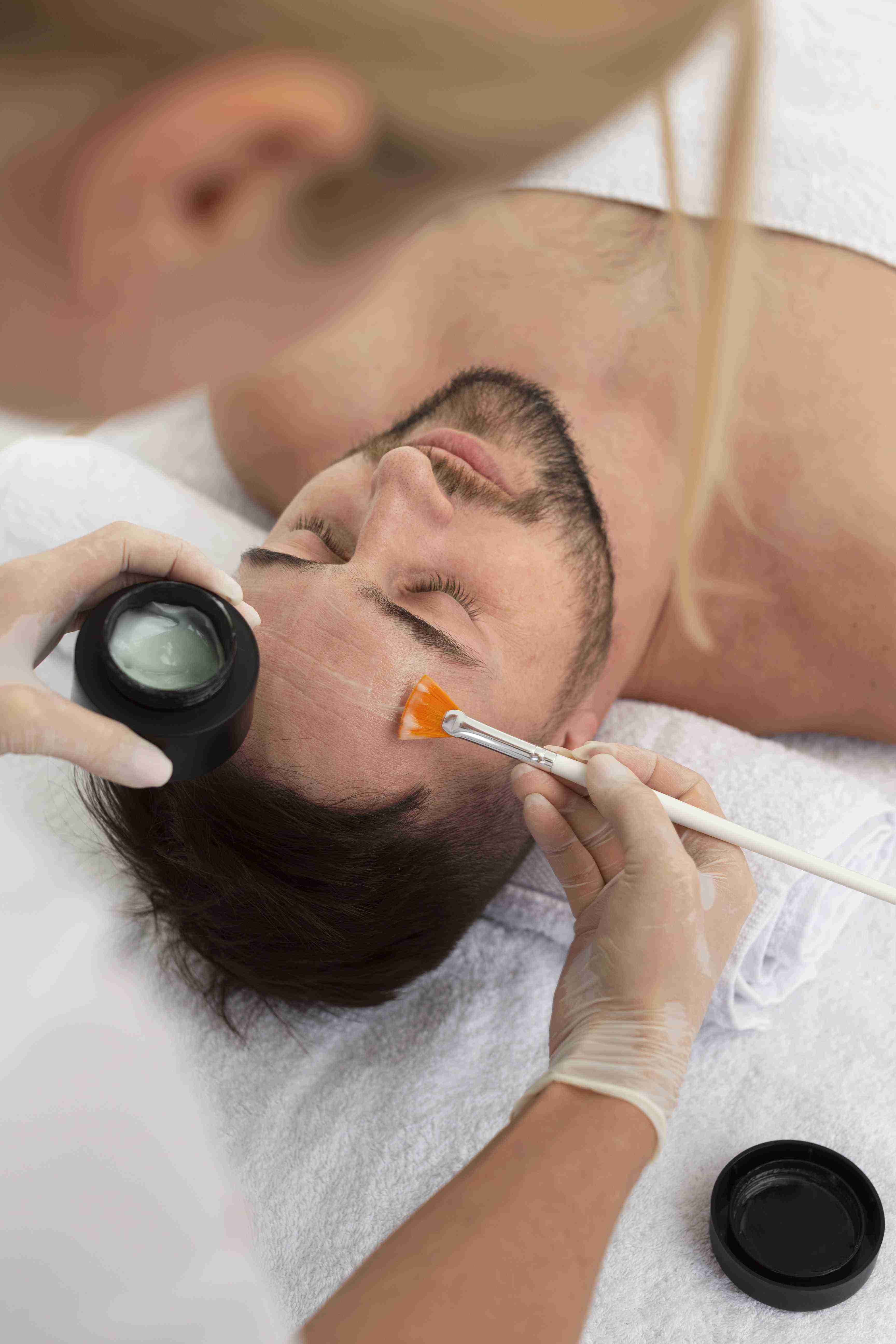
Acne can be persistent and difficult to manage, especially when it leads to scarring, inflammation, and deep breakouts. Medium to deep chemical peels offer an advanced treatment option that targets severe acne, clogged pores, and post-inflammatory hyperpigmentation. These peels penetrate deeper into the skin layers, effectively removing damaged skin cells, regulating oil production, and stimulating skin renewal for a clearer, smoother complexion. Medium to deep peels use stronger exfoliating agents such as trichloroacetic acid (TCA), phenol, or high-strength salicylic acid to reach the mid to lower dermis, making them effective for stubborn acne, deep scars, and long-term skin rejuvenation.
Cryolipolysis — commonly known by the brand name CoolSculpting — uses controlled cooling to destroy subcutaneous fat cells without damaging the overlying skin, nerves, or muscle. The science is rooted in the observation that fat cells (adipocytes) are more vulnerable to cold than surrounding tissue. When cooled to approximately minus 11 degrees Celsius, adipocytes undergo crystallisation and subsequent apoptosis — a controlled cell death that triggers the body's natural inflammatory clearance process.
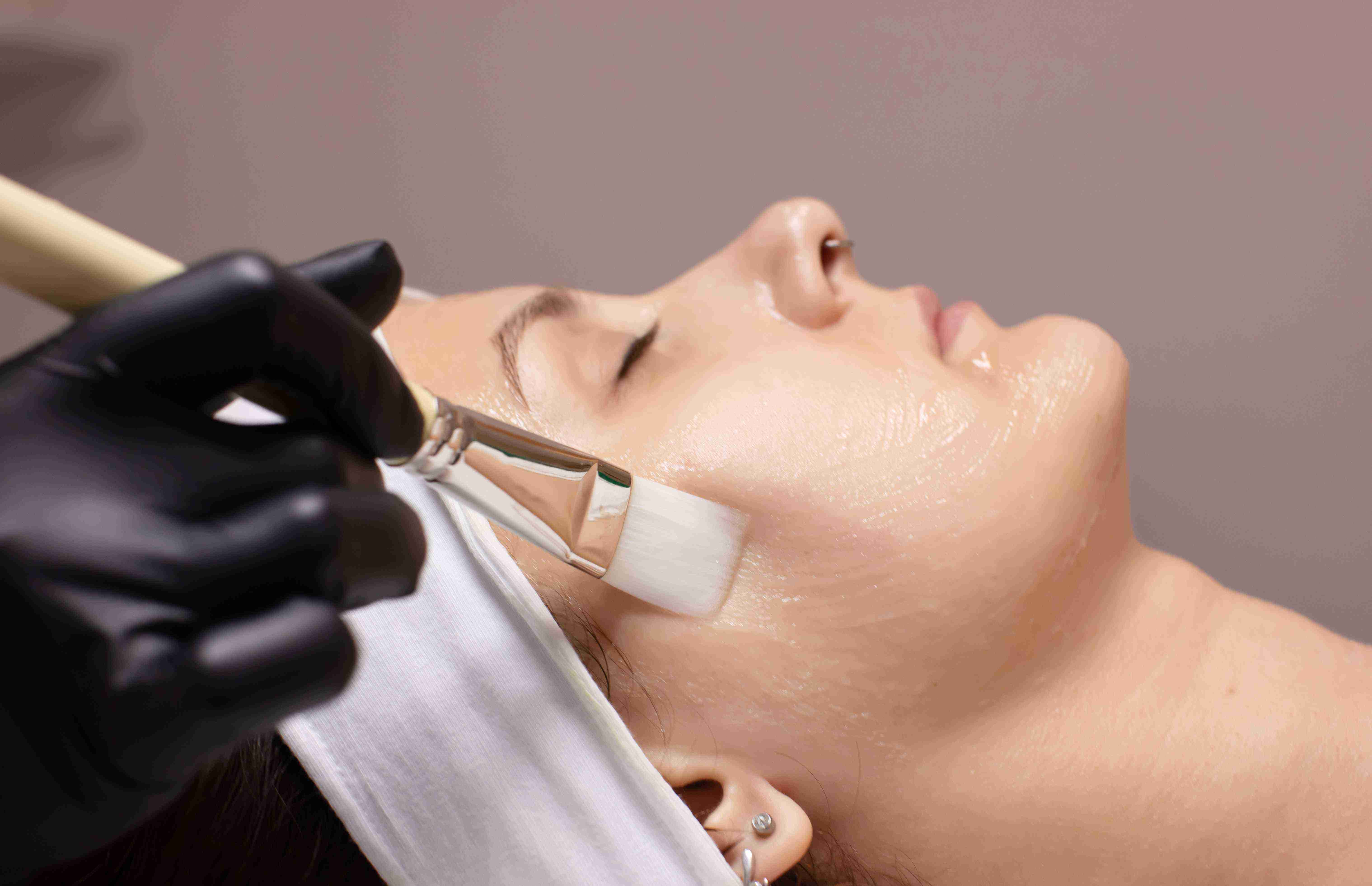
How Medium to Deep Chemical Peels Work
These peels work by deeply penetrating the skin to:

Cryolipolysis is best suited for patients near their target weight who have localised fat pockets they can't shift through lifestyle alone. Common treatment areas include the abdomen, flanks (love handles), inner and outer thighs, upper arms, bra fat, and the submental area (double chin).
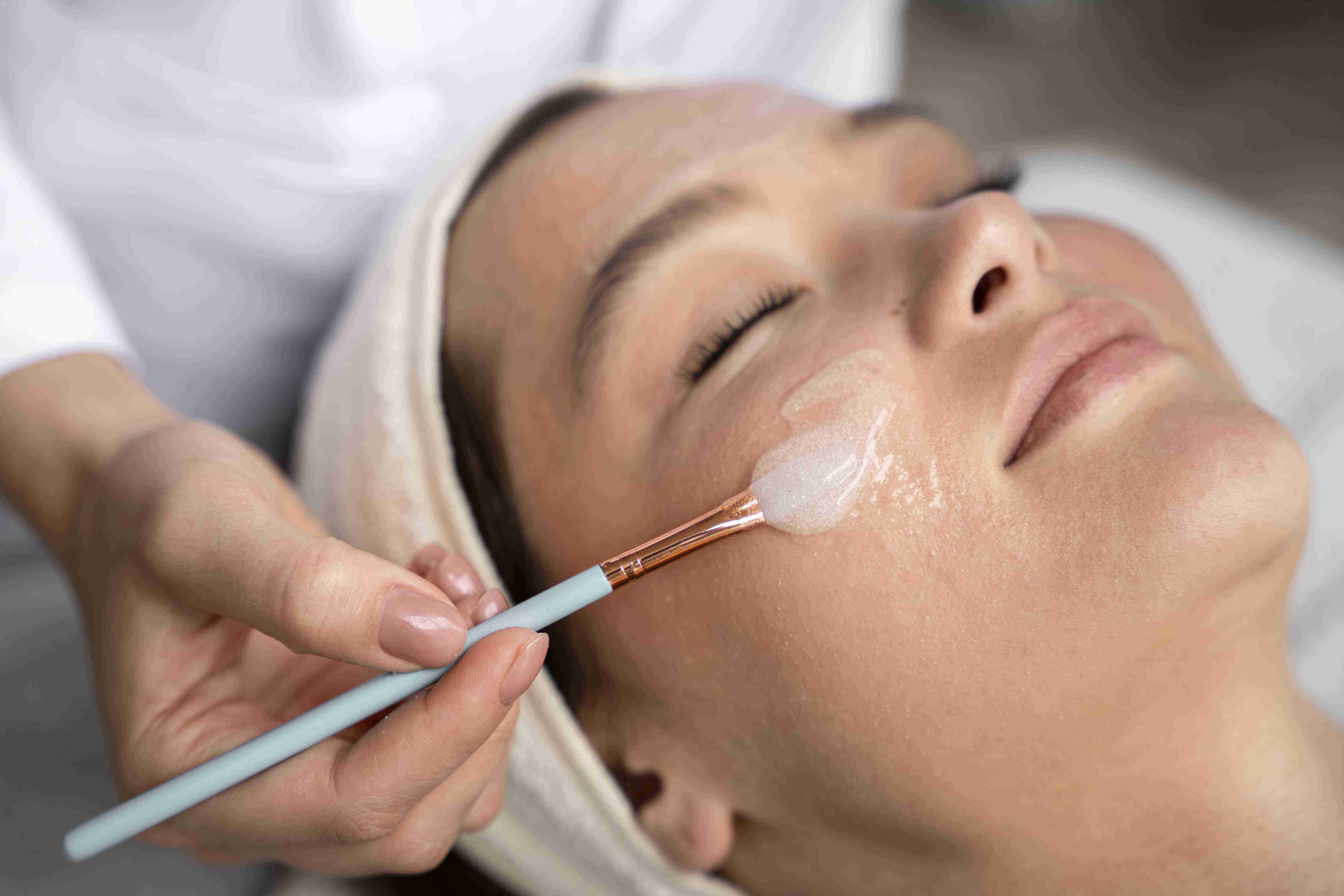
Treating Acne with Medium to Deep Chemical Peels
A cryolipolysis session at Claire Derma begins with marking the treatment area and selecting the appropriate applicator size and shape. A gel pad is placed on the skin to protect it from frostbite, and then the applicator is positioned. A vacuum draws the fat fold into the applicator cup, and controlled cooling begins.
Benefits of Medium to Deep Peels for Acne
Having cryolipolysis performed at a clinical setting like Claire Derma ensures proper patient selection, correct applicator placement, and appropriate follow-up. Poor applicator contact leads to uneven results, and treating candidates who don't have enough pinchable fat wastes their time and money.
Ideal Candidates for the Treatment
This treatment is ideal for individuals who:
Side effects of cryolipolysis are generally mild and temporary. Redness, swelling, bruising, and numbness in the treated area are common for one to two weeks. Some patients experience a deep aching or tingling sensation as sensation returns over the first few days.
The Treatment Process
01
Consultation & Skin Analysis
The dermatologist assesses acne severity and selects the best peel formulation. Your clinician measures the fat layer in target areas using callipers, photographs the treatment zone under consistent lighting, and discusses expected reduction. Contraindications are screened.
02
Preparation
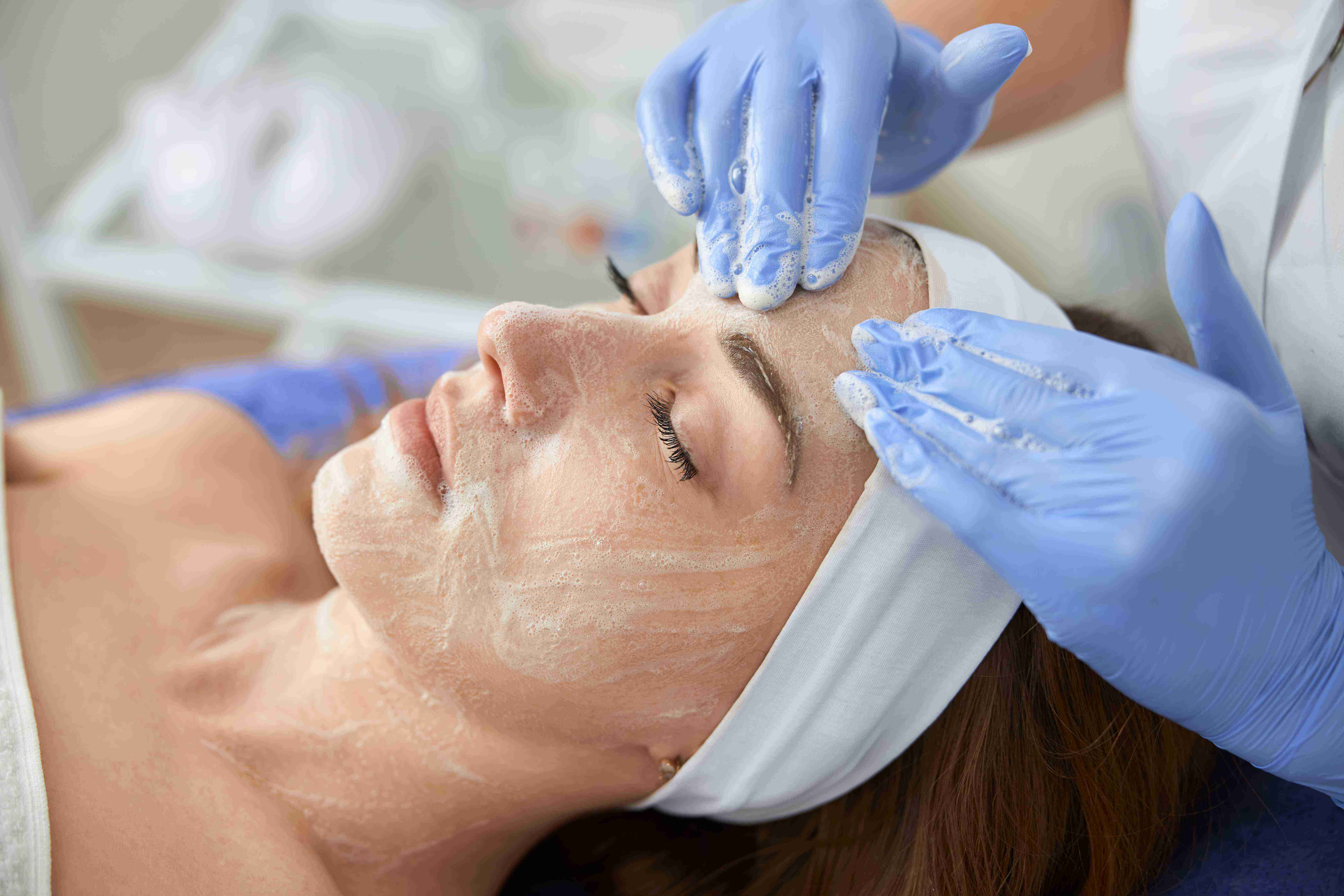
The skin is cleansed, and protective measures are taken for sensitive areas. On treatment day, the target area is marked and a protective gel pad is applied to the skin surface. The applicator is positioned and activated, drawing the tissue into the cooling cup via vacuum suction.
03
Peel Application
A customized medium or deep peel solution is applied for controlled penetration. The applicator cools the fat to approximately minus 11 degrees Celsius for 35 to 45 minutes. You can read, use your phone, or relax during this time.
04
Neutralization & Post-Treatment Care
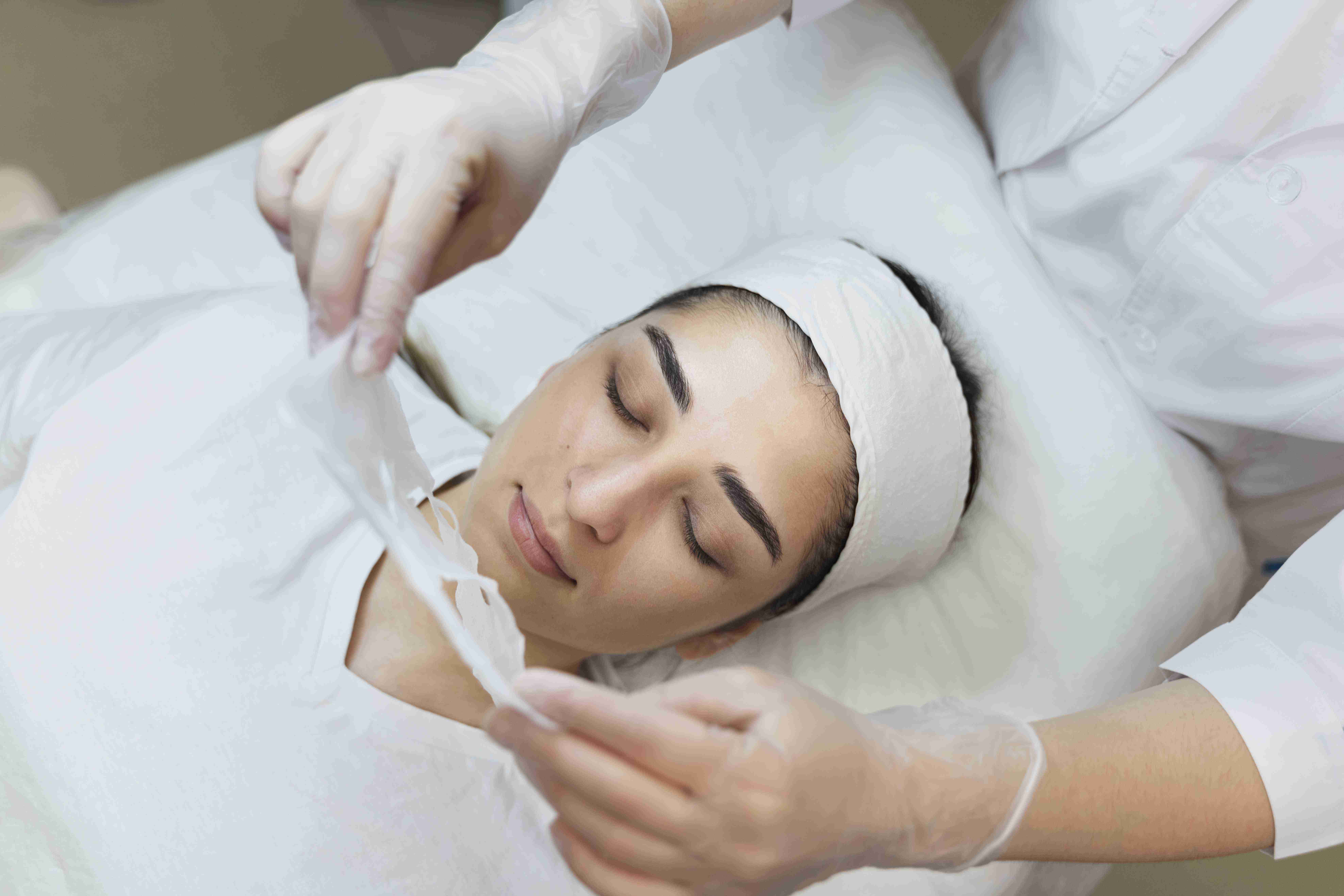
The peel is neutralized, and a soothing recovery serum is applied. You can resume normal activities immediately. Expect redness, mild swelling, and numbness in the treated area for one to two weeks. Tingling and intermittent aching may occur as sensation returns.
Expected Results & Recovery

Visible improvements after one session, with further refinement over multiple treatments.
Fewer blemishes, reduced scarring, and an even complexion.
Expect peeling and skin sensitivity for 5–7 days.
With proper maintenance, results can last several months.
Got Questions?We've Got Answers
Find answers to the most common questions about our treatments, procedures, and recovery process. If you can't find what you're looking for, our support team is always here to help.
Typically, 3–6 sessions, spaced 4–6 weeks apart, yield the best results.
Patients may feel a warm or stinging sensation, but discomfort is manageable.
Peeling and flaking can last between 5–10 days, depending on peel strength.
It significantly reduces acne and breakouts, but maintenance treatments and a proper skincare routine are essential.
Sun exposure must be strictly avoided for at least a week, and broad-spectrum sunscreen is mandatory.
A single treatment cycle reduces the fat layer in the targeted area by approximately 20 to 25 percent. This is a localised reduction — it won't change your overall body weight significantly, but it does reshape the contour of the treated zone.
Most patients describe the first five to ten minutes as uncomfortable — the vacuum suction creates a pulling sensation and the cold is intense before the area numbs. After that, the treatment is tolerable and many patients read or watch videos during the remaining cycle time. The two-minute post-treatment massage on the frozen tissue can be briefly uncomfortable.
The fat cells destroyed during cryolipolysis are permanently eliminated. They don't regenerate. If you gain weight afterward, the remaining fat cells in the treated area (and elsewhere) can still expand, but the treated zone will always have fewer fat cells than it did before. Maintaining a stable weight preserves the contouring result.
The body needs time to process and clear the destroyed fat cells through the lymphatic system. Most patients start noticing a visible change at four to six weeks, with the full result apparent at twelve weeks. Photographs taken at baseline and follow-up make the difference easier to appreciate than the mirror alone, because the change is gradual.