
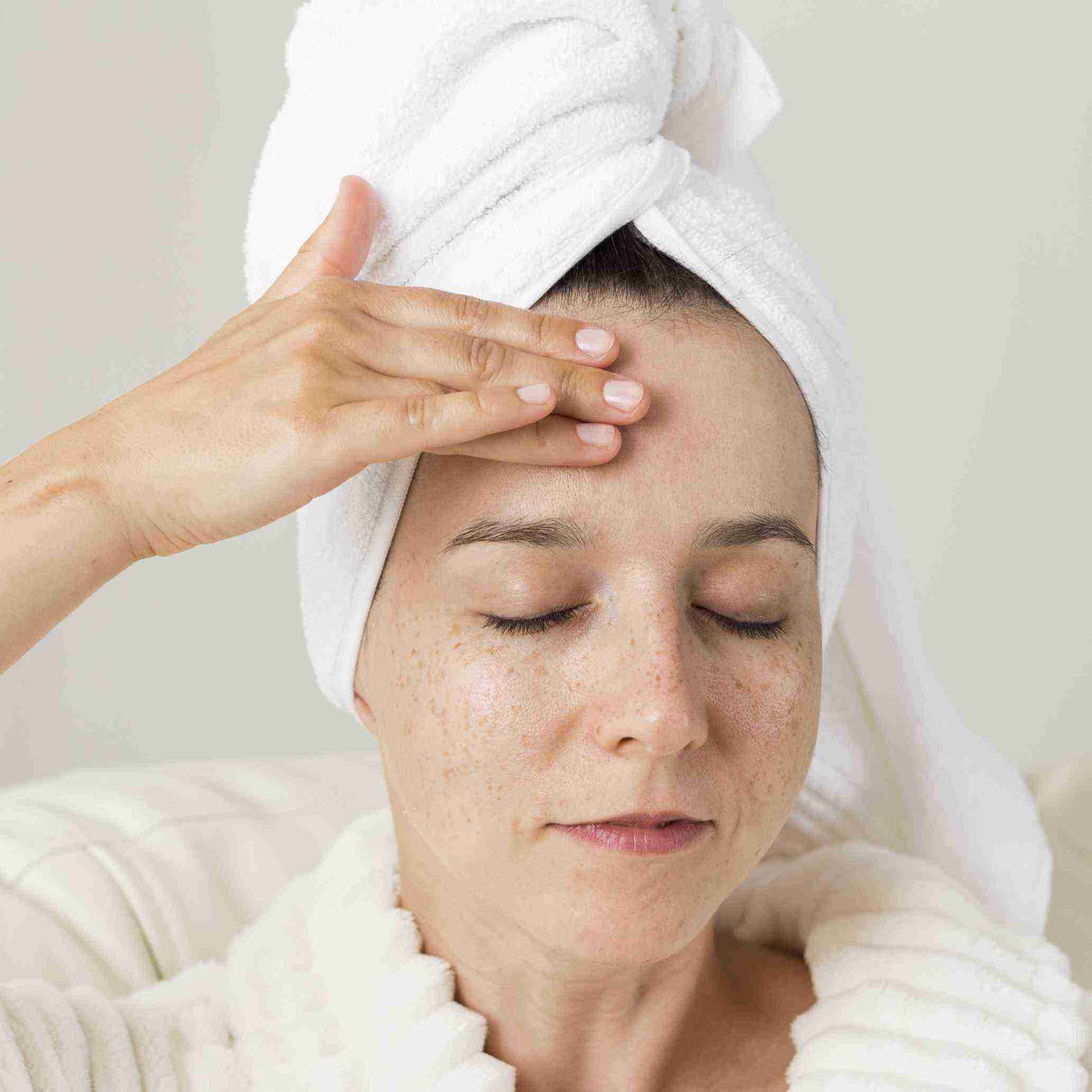
Introduction to Superficial to Medium Chemical Peels
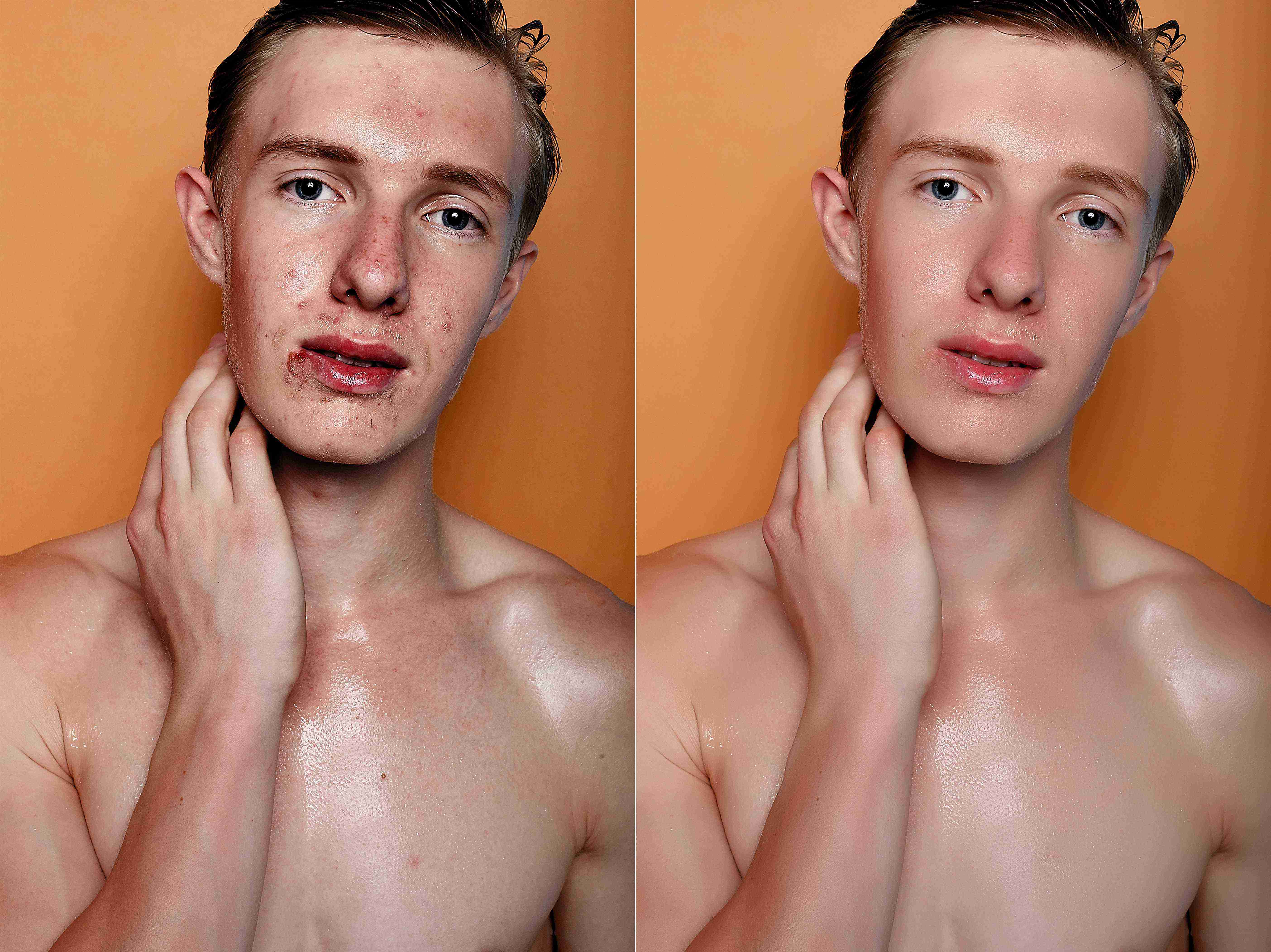
Acne is a common skin condition caused by clogged pores, excess oil production, bacteria, and inflammation. It often leads to pimples, blackheads, whiteheads, and cystic breakouts, which can result in long-term scarring if untreated. Superficial to medium chemical peels are an effective solution for active acne and post-acne marks. These peels work by exfoliating the top layers of the skin, unclogging pores, and reducing oil production, leading to a clearer complexion and fewer breakouts over time.
Radiofrequency (RF) skin tightening delivers controlled electromagnetic energy into the dermal and subdermal layers, heating tissue to between 40 and 45 degrees Celsius. At this temperature range, existing collagen fibres contract and shorten, producing an immediate mild tightening effect. More significantly, the thermal stimulus triggers a wound-healing cascade that stimulates fibroblasts to produce new collagen and elastin over the following weeks and months.
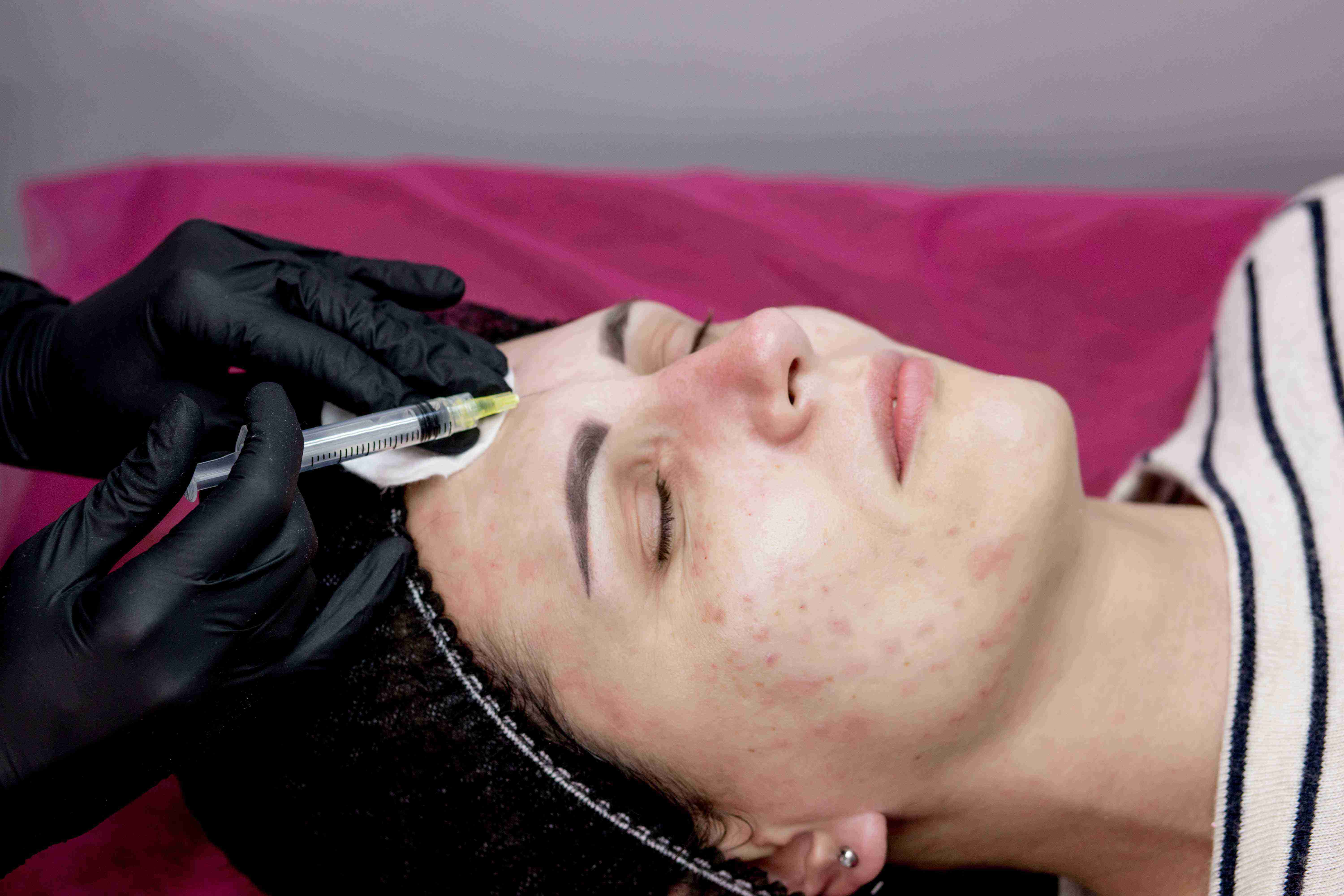
How Superficial to Medium Chemical Peels Work
This treatment targets acne and skin congestion by:

RF skin tightening is effective for mild to moderate skin laxity on both the face and body. Facial applications include jawline definition, jowl reduction, periorbital tightening, and neck firming. On the body, it treats lax skin on the abdomen after weight loss or pregnancy, inner arms, inner thighs, and the area above the knees.
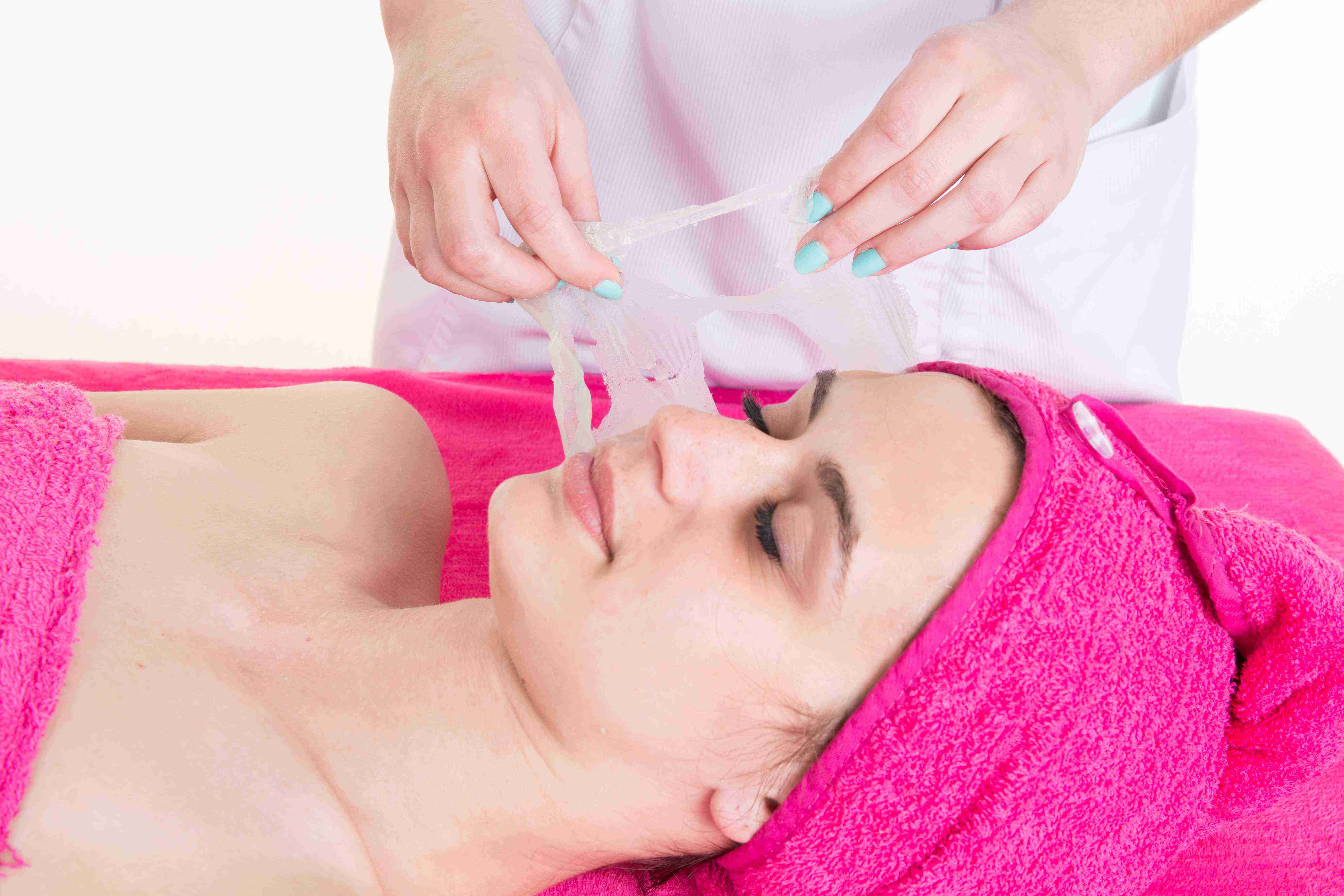
Treating Acne with Superficial to Medium Chemical Peels
During an RF tightening session at Claire Derma, a conductive gel is applied to the treatment area and a handheld RF device is moved across the skin in systematic passes. The device delivers radiofrequency energy — typically in the 1 to 6 MHz range — while a built-in temperature sensor monitors skin surface temperature in real time.
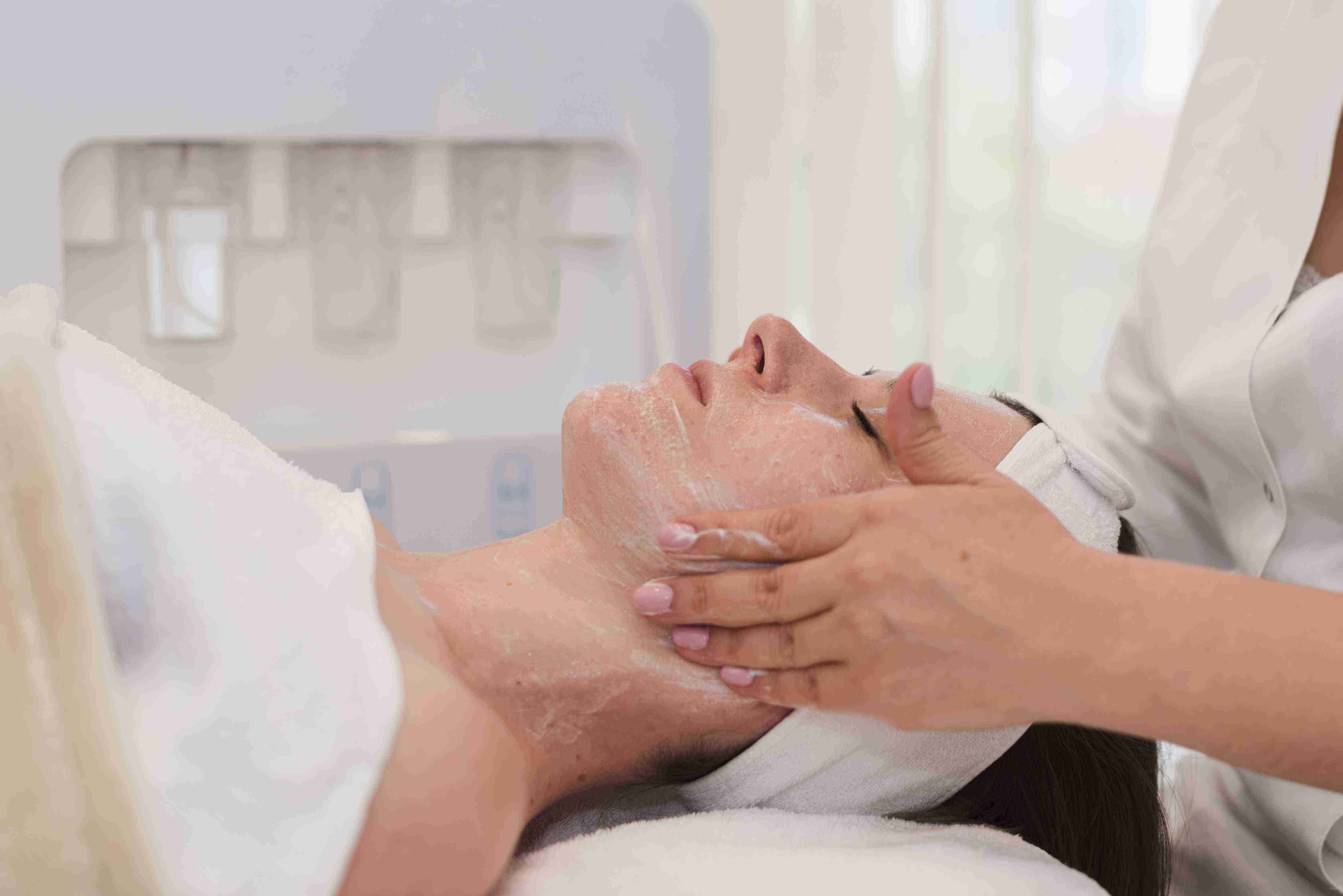
Benefits of Chemical Peels for Acne
Professional RF treatment at Claire Derma offers advantages that home devices cannot match. Clinical-grade RF systems deliver significantly more energy — typically 50 to 200 watts versus the 5 to 10 watts of consumer devices — reaching the dermal temperatures required for genuine collagen contraction and neocollagenesis.
Ideal Candidates for the Treatment
This treatment is ideal for individuals who:
RF skin tightening is not suitable for patients with implanted electronic devices such as pacemakers or defibrillators, as the electromagnetic field can interfere with device function. Metal implants in the treatment zone — plates, screws, or joint replacements — are also a contraindication. Pregnant patients should defer treatment. Active skin infections or open wounds in the area must heal before RF can be performed.
The Treatment Process
01
Consultation & Skin Analysis
The dermatologist assesses acne severity and determines the best peel type. Your clinician assesses skin laxity, thickness, and the treatment area. Contraindications — including implanted electronics and metal hardware — are screened. Photographs are taken for progress comparison. A treatment plan is designed specifying the RF modality, number of sessions, and treatment intervals.
02
Preparation
The skin is cleansed to remove oil and impurities before the treatment. The treatment area is cleansed and a conductive coupling gel is applied. No anaesthesia is needed — the treatment feels like a warm massage. Treatment parameters are set on the device based on the area, skin thickness, and desired depth of heating.
03
Peel Application
A customized chemical peel is applied and left on for controlled exfoliation. The RF handpiece is moved in systematic passes across the skin. Built-in sensors ensure the tissue reaches the target temperature of 40 to 45 degrees Celsius and alert the clinician if it exceeds safe limits. Each area is treated for 20 to 45 minutes.
Expected Results & Recovery

Noticeable improvements in 1–2 sessions.
Fades acne scars over multiple sessions.
Less roughness and irritation.
Skin heals within 3–7 days, depending on the peel depth.
Best results with regular sessions and a good skincare routine.
Got Questions?We've Got Answers
Find answers to the most common questions about our treatments, procedures, and recovery process. If you can't find what you're looking for, our support team is always here to help.
Typically, 3–6 sessions spaced 2–4 weeks apart are recommended.
Chemical peels fade acne scars and dark spots, but deep scars may require microneedling or laser treatments for optimal results.
Most people experience a mild tingling or stinging sensation, but it is tolerable and subsides quickly.
It is recommended to wait at least 24–48 hours before applying makeup to avoid irritation.
Some individuals experience temporary purging before clearing up.
Most patients require four to eight sessions spaced one to two weeks apart, depending on the treatment area and degree of laxity. Facial treatments may show results in as few as four sessions, while body areas with more significant looseness may need six to eight.
RF tightening produces noticeable firming and mild lifting, but it cannot replicate the degree of tissue repositioning that a surgical facelift achieves. It works best for patients with early-to-moderate laxity who aren't candidates for or don't want surgery. For some patients, RF works as a bridge — maintaining skin firmness and delaying the point at which surgical intervention becomes necessary.
Yes, RF is one of the safest tightening technologies for all skin colours, including Fitzpatrick types IV through VI. Unlike laser and light-based devices, radiofrequency energy does not target melanin. It heats tissue based on electrical resistance, so the risk of post-inflammatory hyperpigmentation or burns related to skin colour is essentially absent.
Results from a full treatment course typically last 12 to 18 months. The collagen and elastin produced during treatment are your own tissue — they age naturally, just as your native collagen does. Factors like sun exposure, smoking, and general skin health influence how long the firmness is maintained. At Claire Derma, we recommend one to two annual maintenance sessions to sustain the results.