
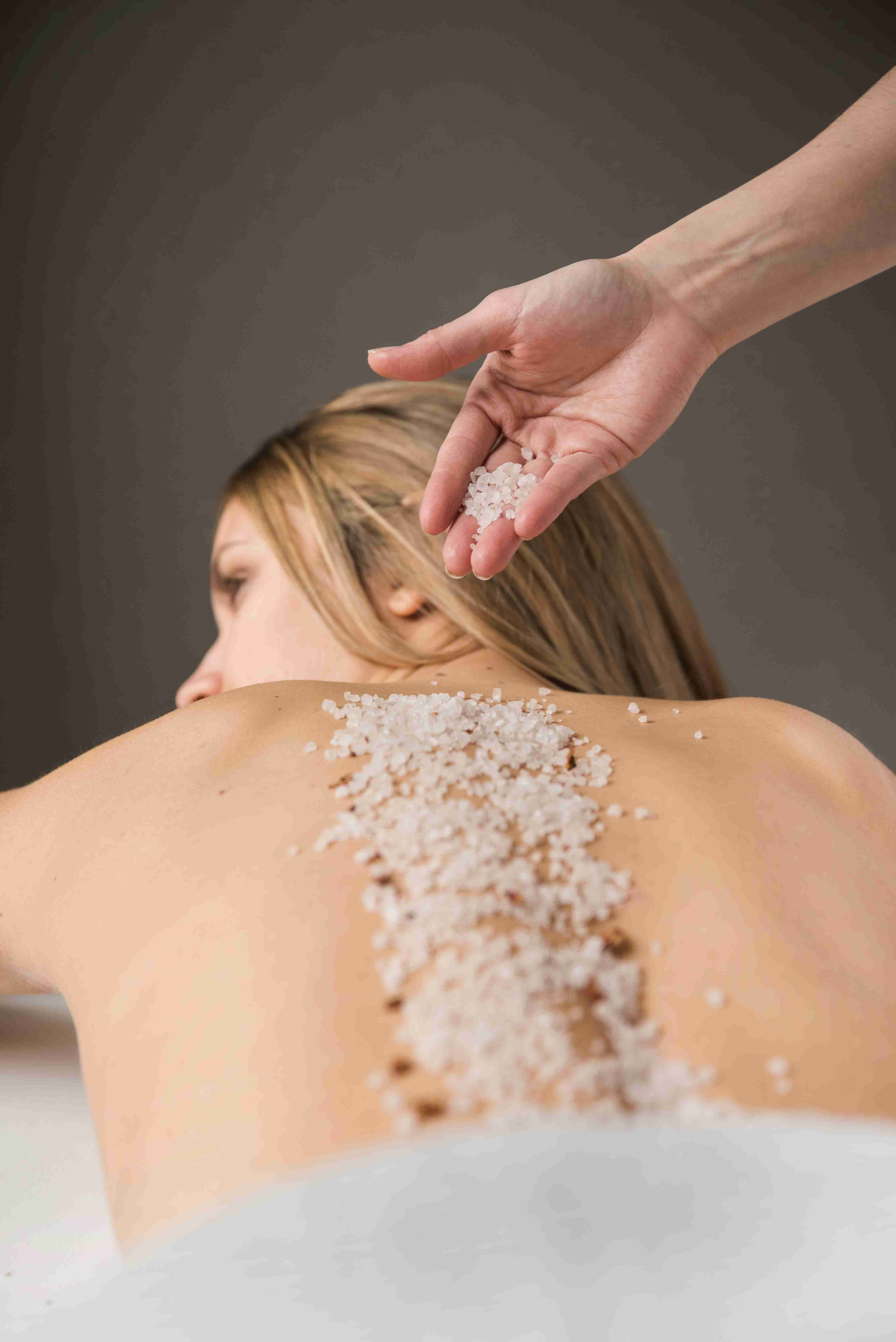
Introduction to Body Polishing
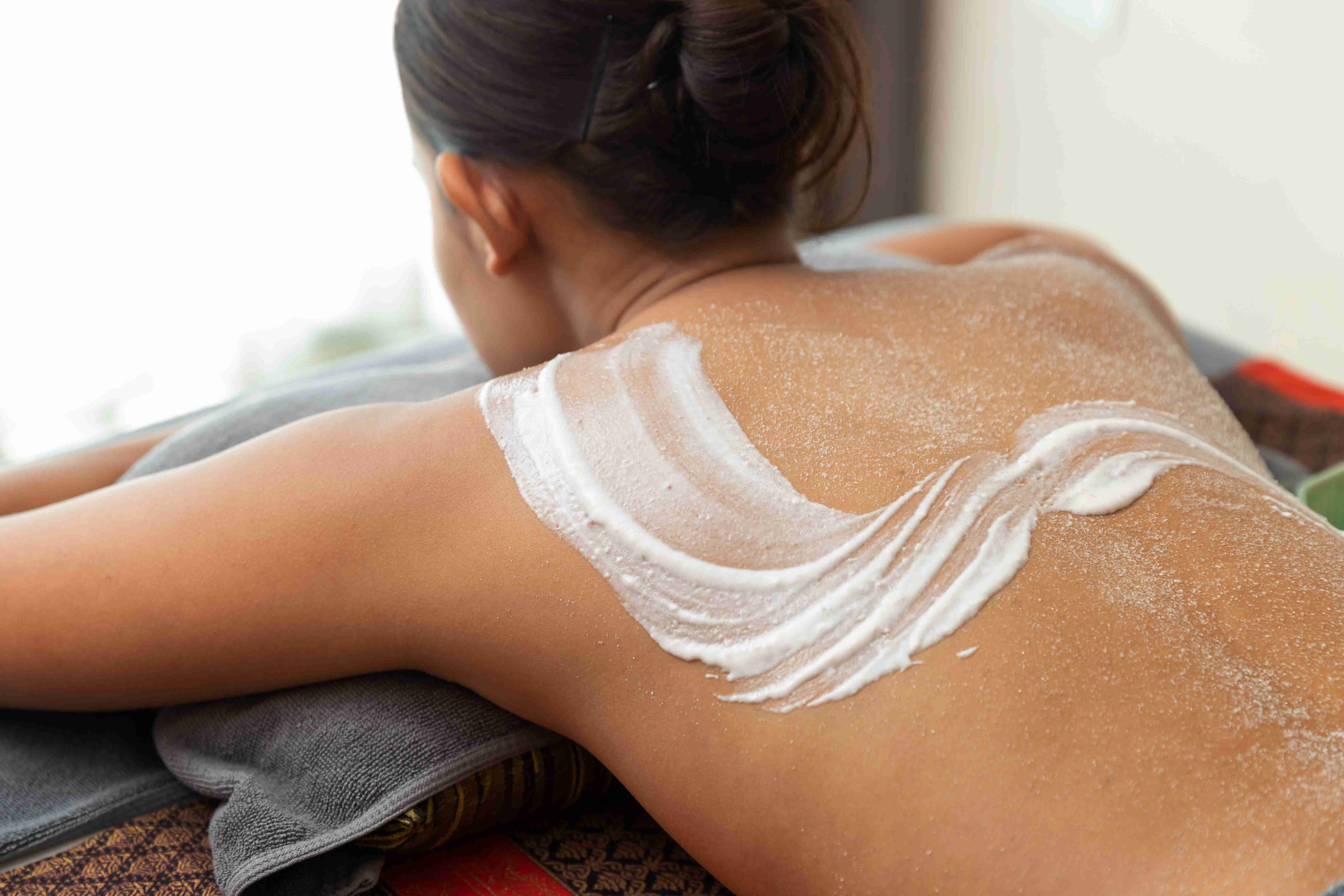
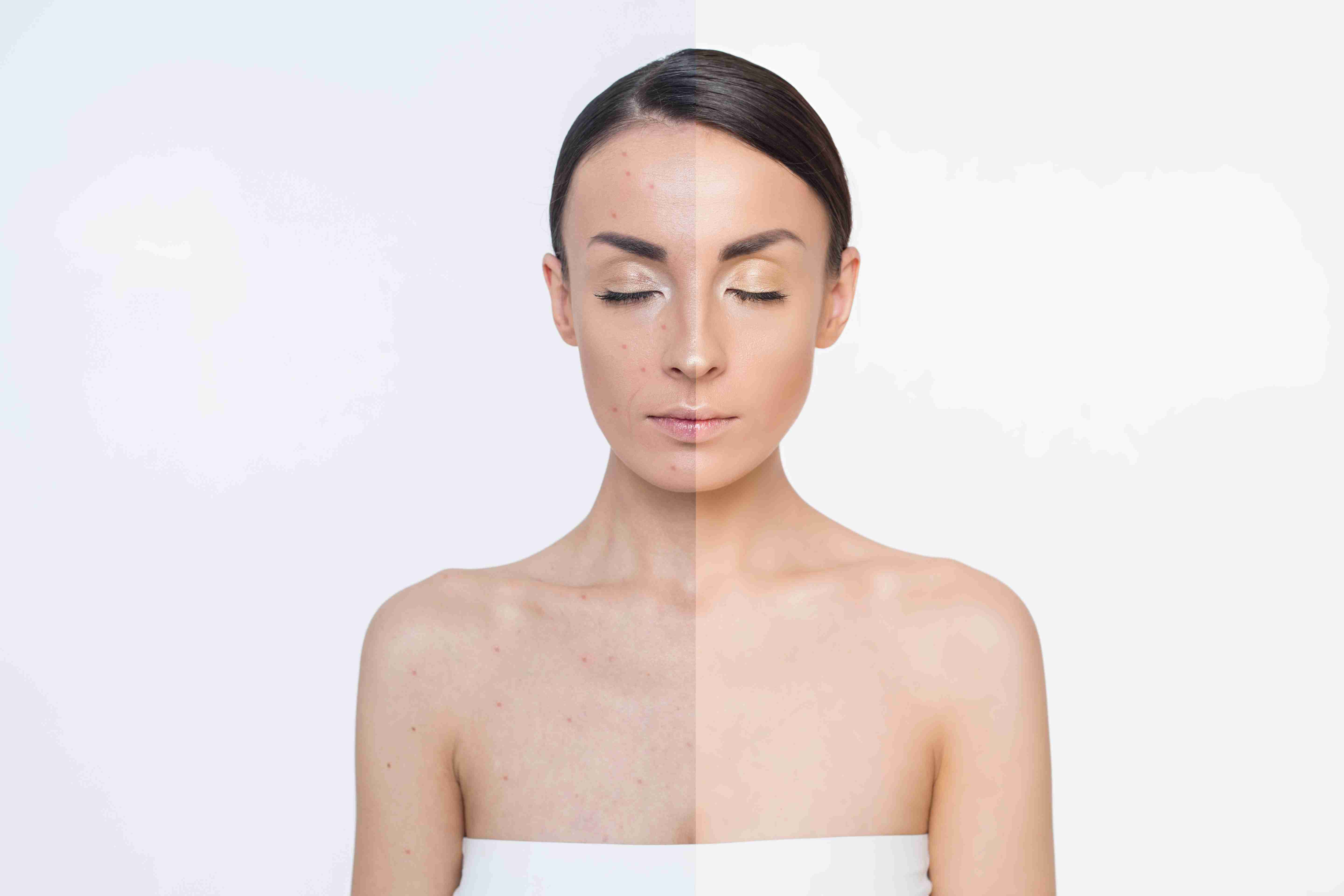
Body polishing is a skin rejuvenation treatment designed to exfoliate, brighten, and even out skin tone by removing dead skin cells and stimulating cell renewal. It is highly effective for addressing pigmentation issues, including dark patches, uneven skin tone, sunspots, and hyperpigmentation caused by sun exposure, hormonal changes, or inflammation. This treatment deeply cleanses the skin, enhances circulation, and promotes a radiant, uniform complexion by encouraging natural skin renewal.
Body polishing for pigmentation is a clinical exfoliation procedure that combines physical and chemical methods to remove pigmented dead skin cells from the body's surface and promote even-toned new skin growth. At Claire Derma, our treatment uses microdermabrasion crystals or diamond-tip exfoliation followed by a chemical exfoliant layer — typically lactic acid at 20 to 40 percent or a glycolic acid blend — to address uneven skin tone across the arms, legs, back, underarms, bikini.
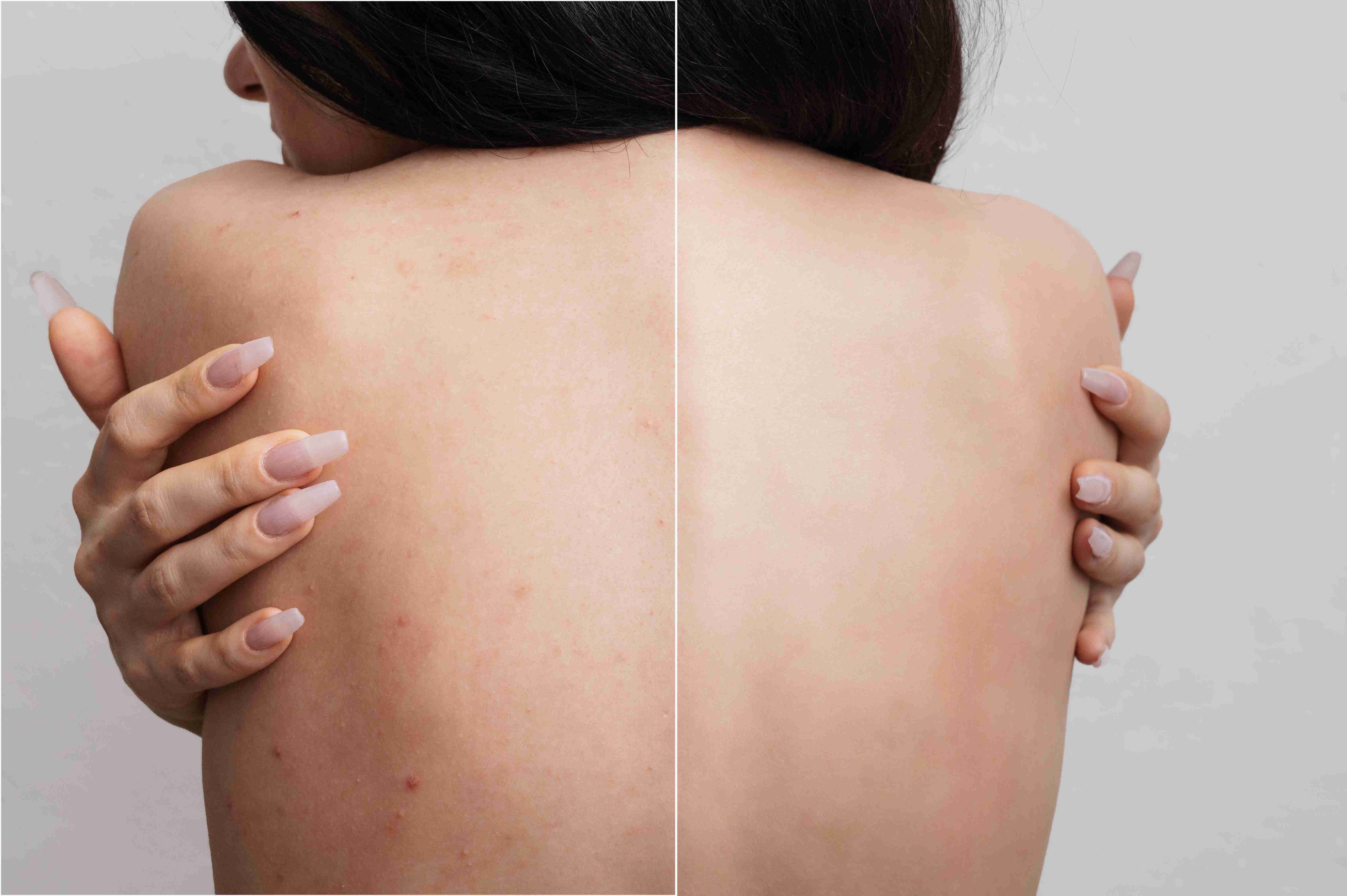
How Body Polishing Works
Body polishing is a multi-step exfoliation process that involves:

The body polishing technique at Claire Derma uses a staged exfoliation approach. Physical exfoliation comes first — either crystal microdermabrasion using aluminium oxide particles or diamond-tip dermabrasion — to remove the outermost compacted layers of dead pigmented cells.
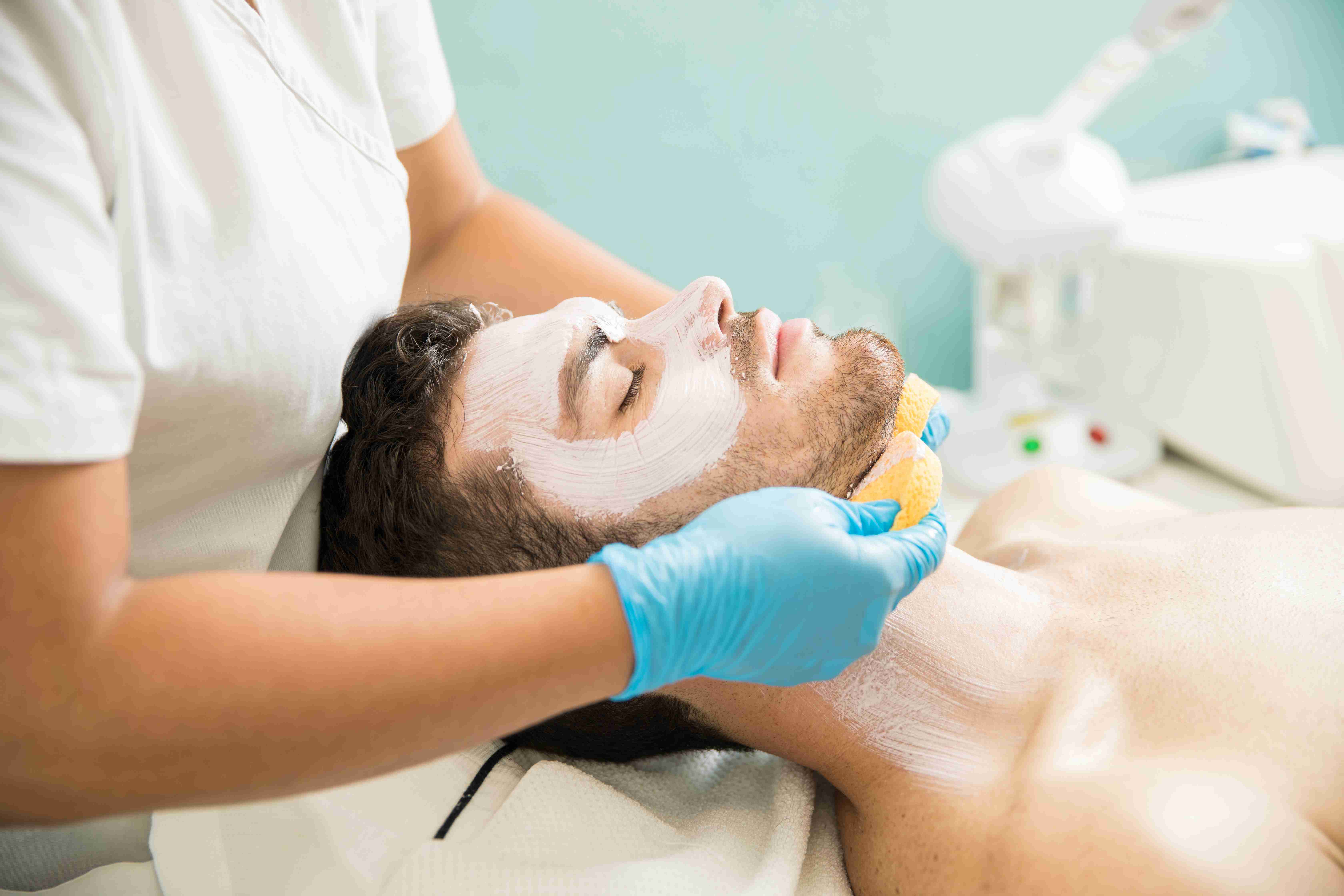
Treating Pigmentation with Body Polishing
A body polishing session at Claire Derma is a multi-step treatment lasting 45 to 75 minutes depending on the areas treated. The session begins with a gentle pre-cleanse to remove oils and residues. The physical exfoliation phase covers each treatment zone methodically — arms, legs, back, underarms, or specific areas of concern.
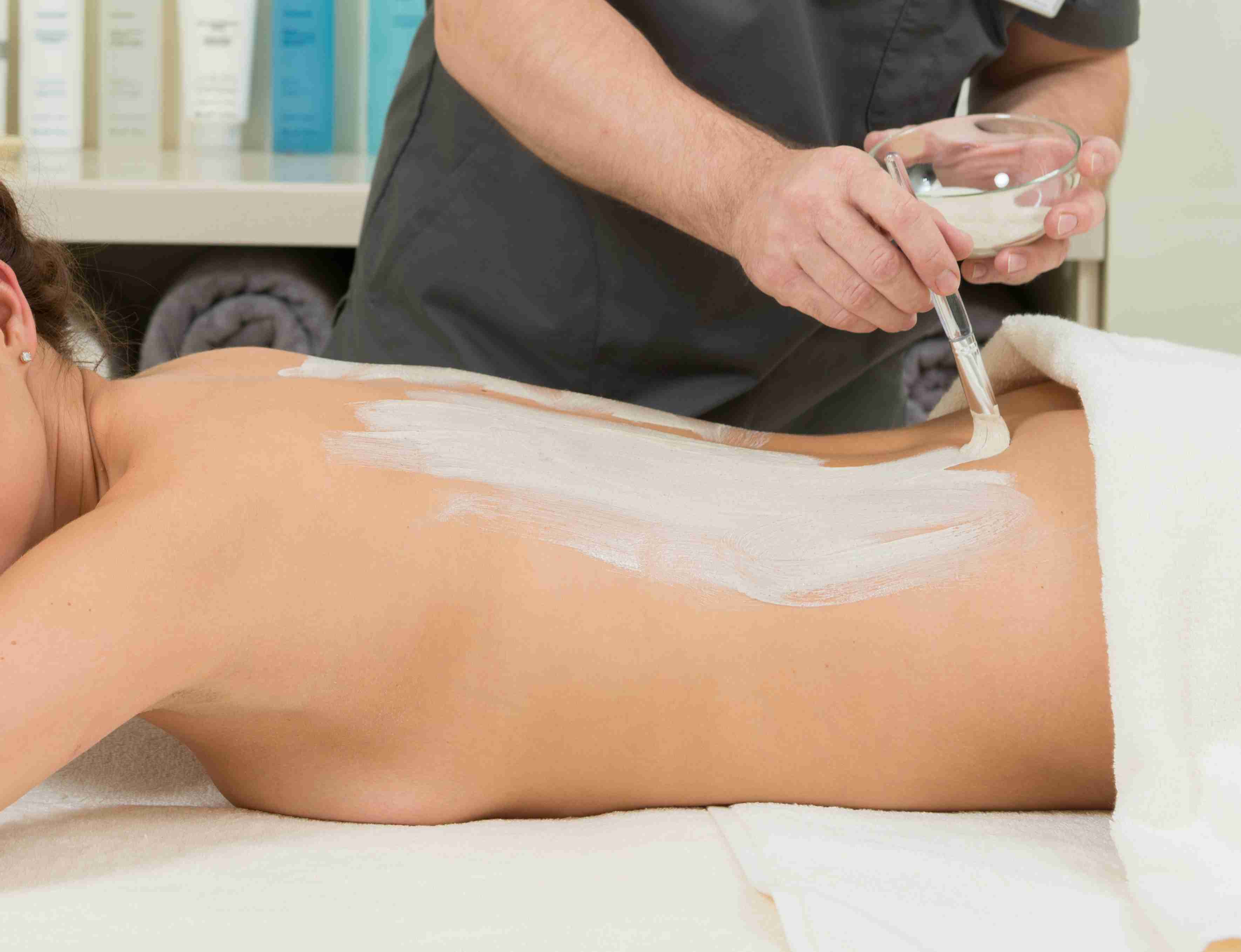
Benefits of Body Polishing for Pigmentation
Body polishing provides pigmentation improvement that home exfoliation products cannot match. Drugstore body scrubs use inconsistent particle sizes that cause micro-tears without controlled exfoliation, and their chemical active concentrations are too low for meaningful pigment removal.
Ideal Candidates for the Treatment
Body polishing is suitable for individuals who:
After a body polishing session, the skin may appear mildly pink for a few hours — particularly in areas that received more aggressive treatment. This resolves within the same day. At Claire Derma, we instruct patients to moisturise the treated areas twice daily for the first week and apply SPF 30 or higher to any body areas regularly exposed to sunlight.
The Treatment Process
01
Skin Assessment & Consultation
The dermatologist evaluates the pigmentation severity and skin type. Your dermatologist evaluates the areas of pigmentation, assesses skin type and thickness, and identifies the primary cause — friction, sun damage, hormonal, or post-inflammatory. We determine which body zones will be treated and select the appropriate physical and chemical exfoliation intensity for each area.
02
Exfoliation
A specialized body scrub or exfoliating agent is applied to remove dead skin. The treatment areas are cleansed with a gentle, residue-free body wash. Any broken skin, active rashes, or irritated areas are identified and excluded from treatment.
Expected Results & Recovery

Immediate skin brightness and smoothness after the first session.
Noticeable reduction in pigmentation over 3–4 sessions.
Minimal downtime, with only mild sensitivity post-treatment.
Long-lasting results, with maintenance sessions every 4–6 weeks.
Got Questions?We've Got Answers
Find answers to the most common questions about our treatments, procedures, and recovery process. If you can't find what you're looking for, our support team is always here to help.
Usually, 4–6 sessions are recommended, spaced 2–4 weeks apart for best results.
Yes, but a patch test is recommended to avoid irritation. Gentle formulas can be customized for sensitive skin.
It significantly reduces pigmentation but may not completely eliminate deep-seated marks.
Immediate skin radiance after one session, with progressive pigmentation reduction over multiple treatments.
No major downtime, but mild redness or sensitivity may occur temporarily.
Yes, it can be combined with chemical peels, laser treatments, or skin brightening therapies for enhanced results.
Results can last 2–3 months, with maintenance sessions every 4–6 weeks for sustained benefits.
Body polishing can be performed on virtually any body area with pigmentation concerns. At Claire Derma, the most commonly treated zones are the arms, legs, back, underarms, inner thighs, elbows, knees, and bikini area. The neck and decolletage can also be included.
Spa body scrubs use manual exfoliation with inconsistent granule sizes and no clinical-grade chemical component. Clinical body polishing at Claire Derma combines diamond-tip microdermabrasion — which provides controlled, uniform exfoliation — with professional-strength acid peels that penetrate deeper into the epidermis than any spa product. The result is more thorough pigment removal, faster cell turnover stimulation, and visibly greater improvement per session.
Most patients at Claire Derma see noticeable brightening after the first session, with progressive improvement over four to six treatments spaced three to four weeks apart. The exact number depends on the severity and depth of pigmentation. Surface-level sun damage and mild friction-related darkening may resolve in three to four sessions.
Yes, when performed with appropriate acid selection and intensity. At Claire Derma, we use lactic acid rather than glycolic for darker skin tones due to its gentler penetration profile and lower risk of triggering post-inflammatory hyperpigmentation. Physical exfoliation pressure is moderated, and chemical contact time is kept conservative during the first session. As your skin demonstrates tolerance, we gradually increase intensity across subsequent sessions.