
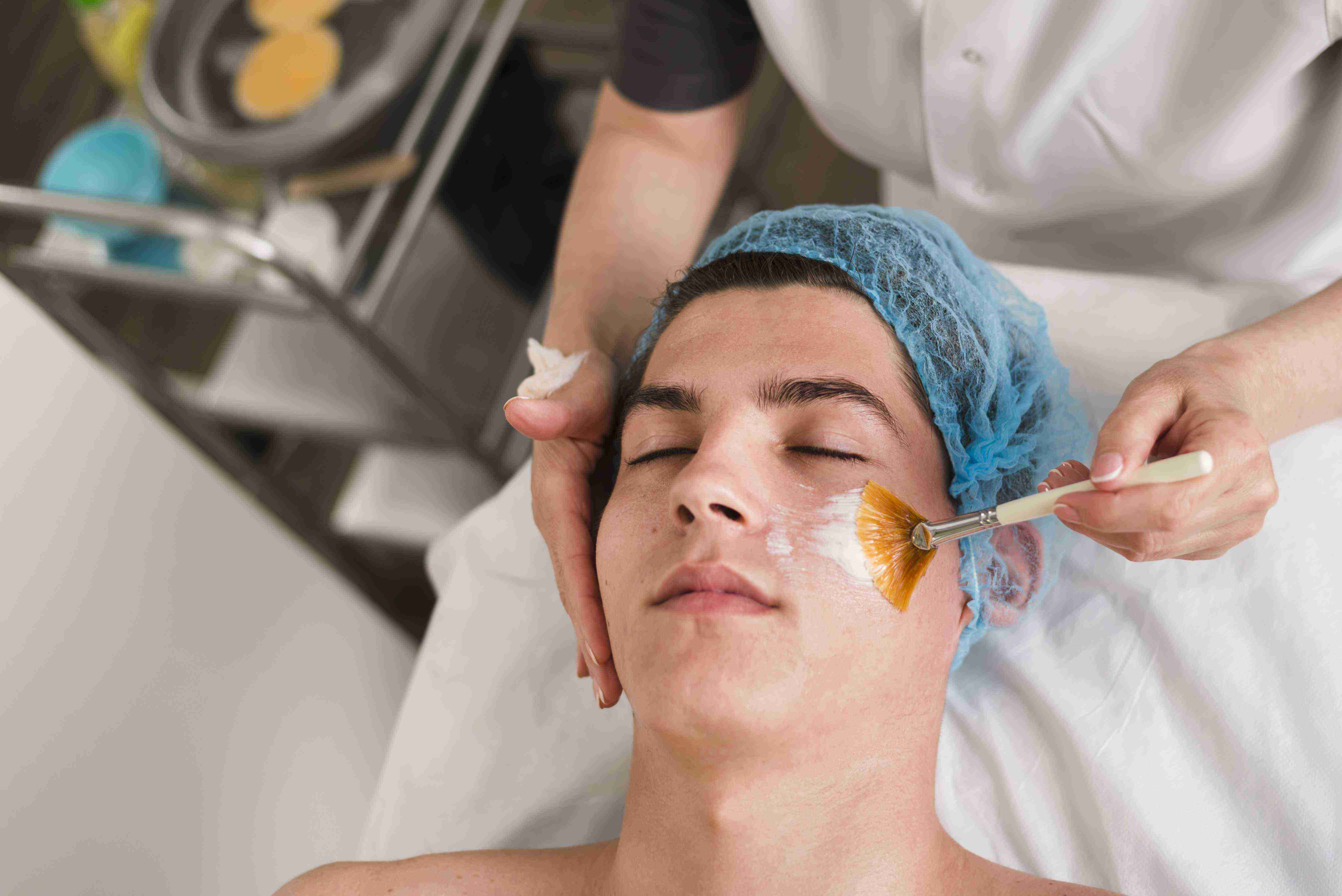
Introduction to Medium to Deep Chemical Peels
Acne can be persistent and difficult to manage, especially when it leads to scarring, inflammation, and deep breakouts. Medium to deep chemical peels offer an advanced treatment option that targets severe acne, clogged pores, and post-inflammatory hyperpigmentation. These peels penetrate deeper into the skin layers, effectively removing damaged skin cells, regulating oil production, and stimulating skin renewal for a clearer, smoother complexion. Medium to deep peels use stronger exfoliating agents such as trichloroacetic acid (TCA), phenol, or high-strength salicylic acid to reach the mid to lower dermis, making them effective for stubborn acne, deep scars, and long-term skin rejuvenation.
Medium to deep chemical peels for acne work at the dermal level, reaching depths that superficial peels simply cannot. At Claire Derma, our dermatologists use agents like trichloroacetic acid (TCA) at 25 to 35 percent concentration and Jessner's solution to penetrate past the epidermis into the papillary dermis.
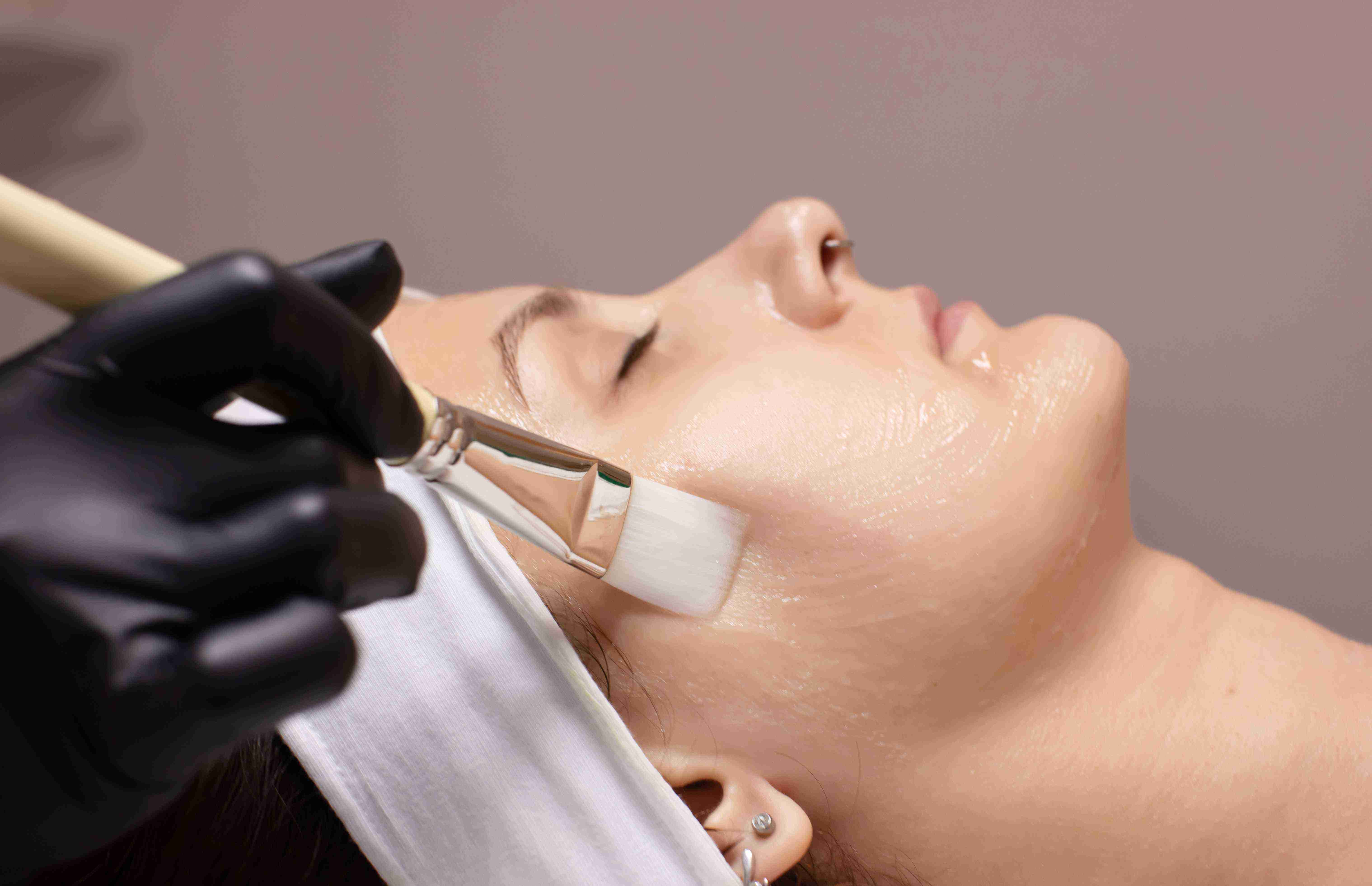
How Medium to Deep Chemical Peels Work
These peels work by deeply penetrating the skin to:

The distinction between a superficial and medium-deep peel lies in the acid type, concentration, and contact time. Glycolic or salicylic acid at low concentrations stays within the epidermis. TCA at 25 to 35 percent or combination peels using Jessner's solution followed by TCA cross the epidermal-dermal junction, reaching the papillary dermis where collagen remodelling begins.
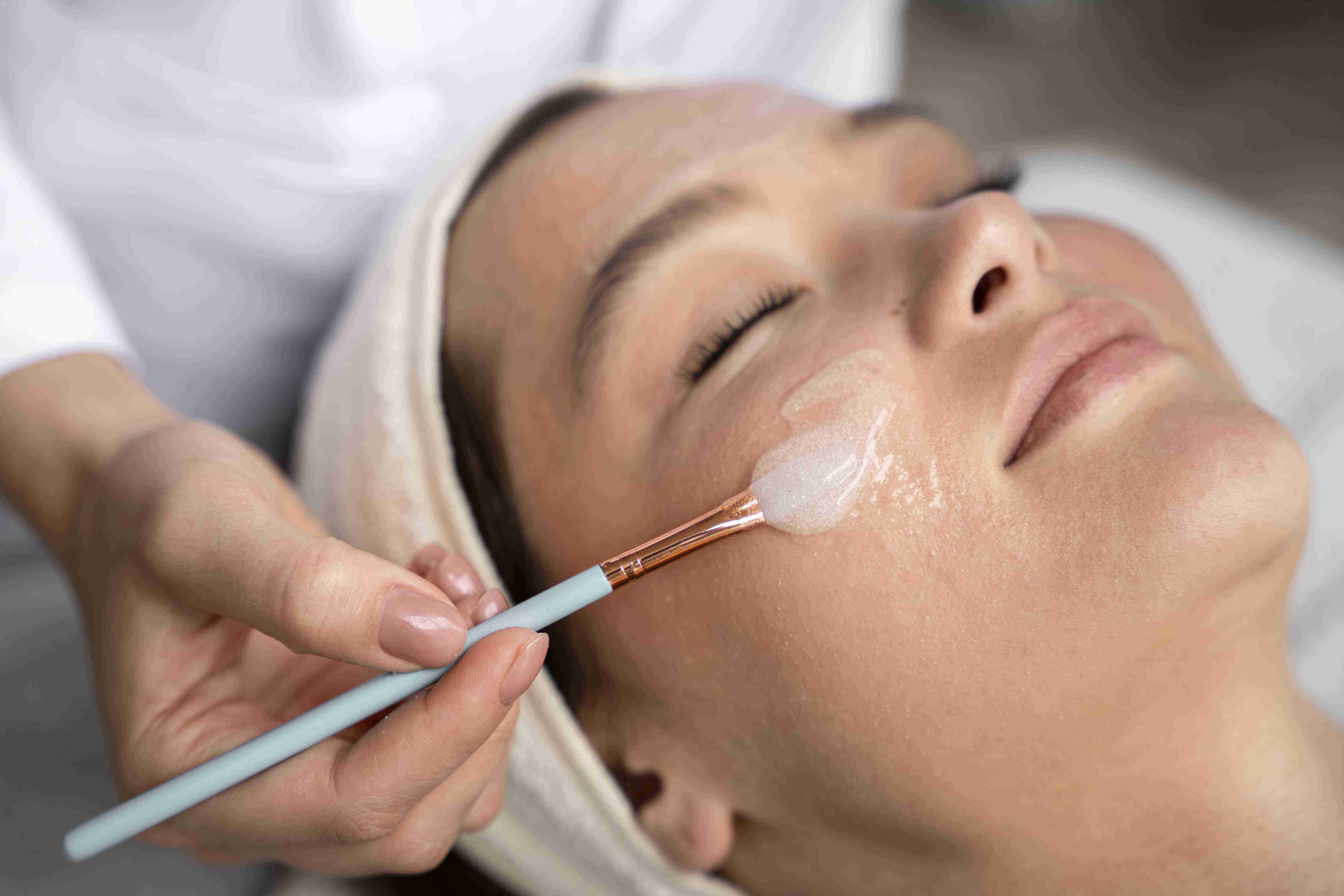
Treating Acne with Medium to Deep Chemical Peels
At Claire Derma, the treatment protocol for medium to deep acne peels follows a staged approach. Two to four weeks before your peel, we start a preparatory regimen — typically tretinoin 0.025% and hydroquinone if post-inflammatory pigmentation is a concern. On treatment day, the skin is thoroughly degreased with acetone, and the selected acid is applied in controlled layers.
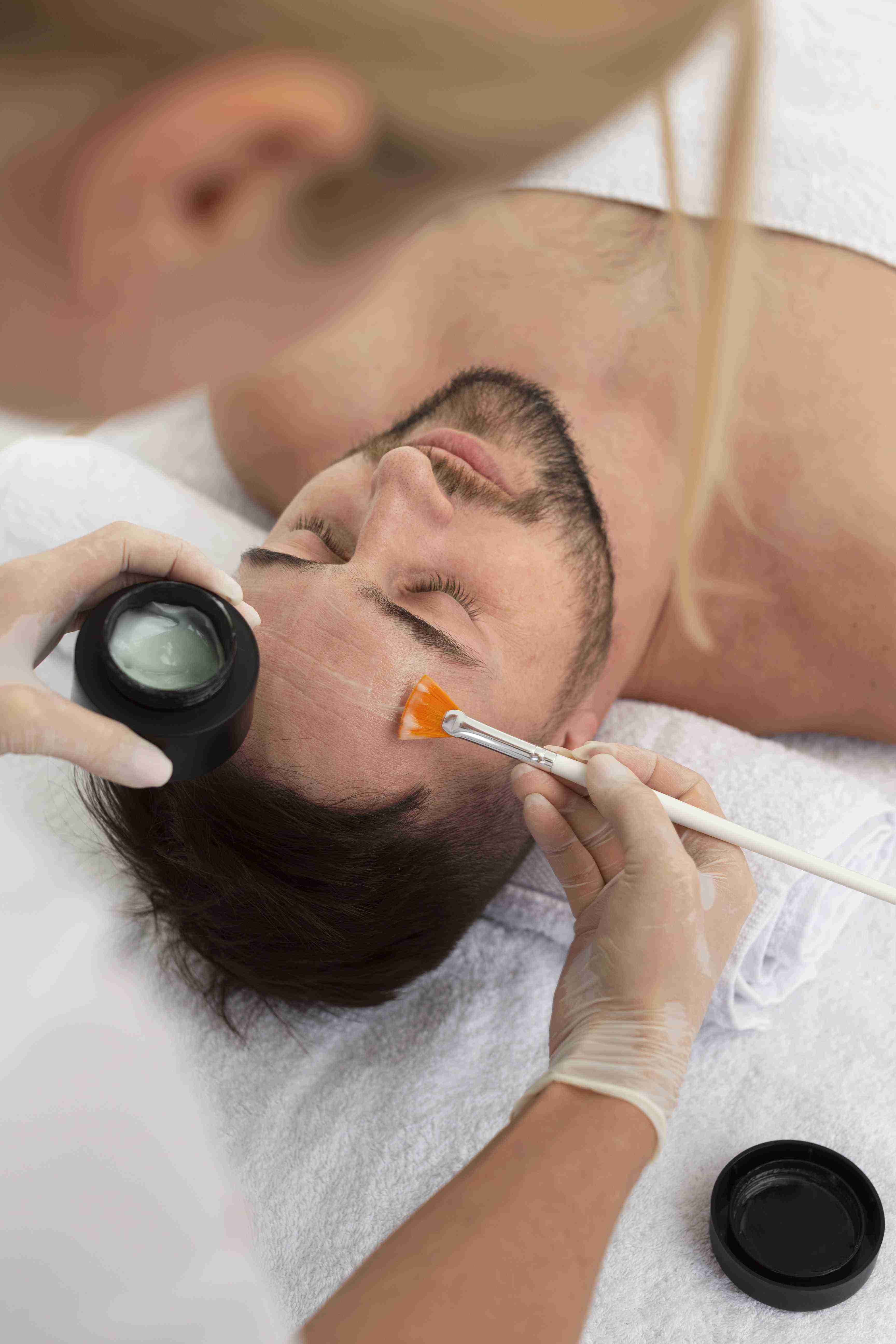
Benefits of Medium to Deep Peels for Acne
Choosing a medium to deep peel over repeated superficial sessions offers distinct advantages for patients with entrenched acne. The single-session depth of treatment produces collagen remodelling that multiple lighter peels cannot replicate — even after several rounds.
Ideal Candidates for the Treatment
This treatment is ideal for individuals who:
Recovery from a medium to deep acne peel follows a predictable timeline. Days one through three involve significant redness and tightness as the treated skin forms a protective crust. By days four through seven, visible peeling begins — this is the damaged tissue shedding to reveal regenerated skin underneath. Full re-epithelialisation typically completes by day ten to fourteen.
The Treatment Process
01
Consultation & Skin Analysis
The dermatologist assesses acne severity and selects the best peel formulation. Your dermatologist assesses your acne grade, Fitzpatrick skin type, and scarring pattern under magnification. We review your medication history — particularly isotretinoin use, which requires a six-month washout before medium-depth peels.
02
Preparation
The skin is cleansed, and protective measures are taken for sensitive areas. Two to four weeks before the peel, you begin a conditioning regimen of tretinoin and a broad-spectrum sunscreen. If hyperpigmentation risk is elevated, hydroquinone 4% may be added. Oral antivirals are prescribed for patients with a history of cold sores.
03
Peel Application
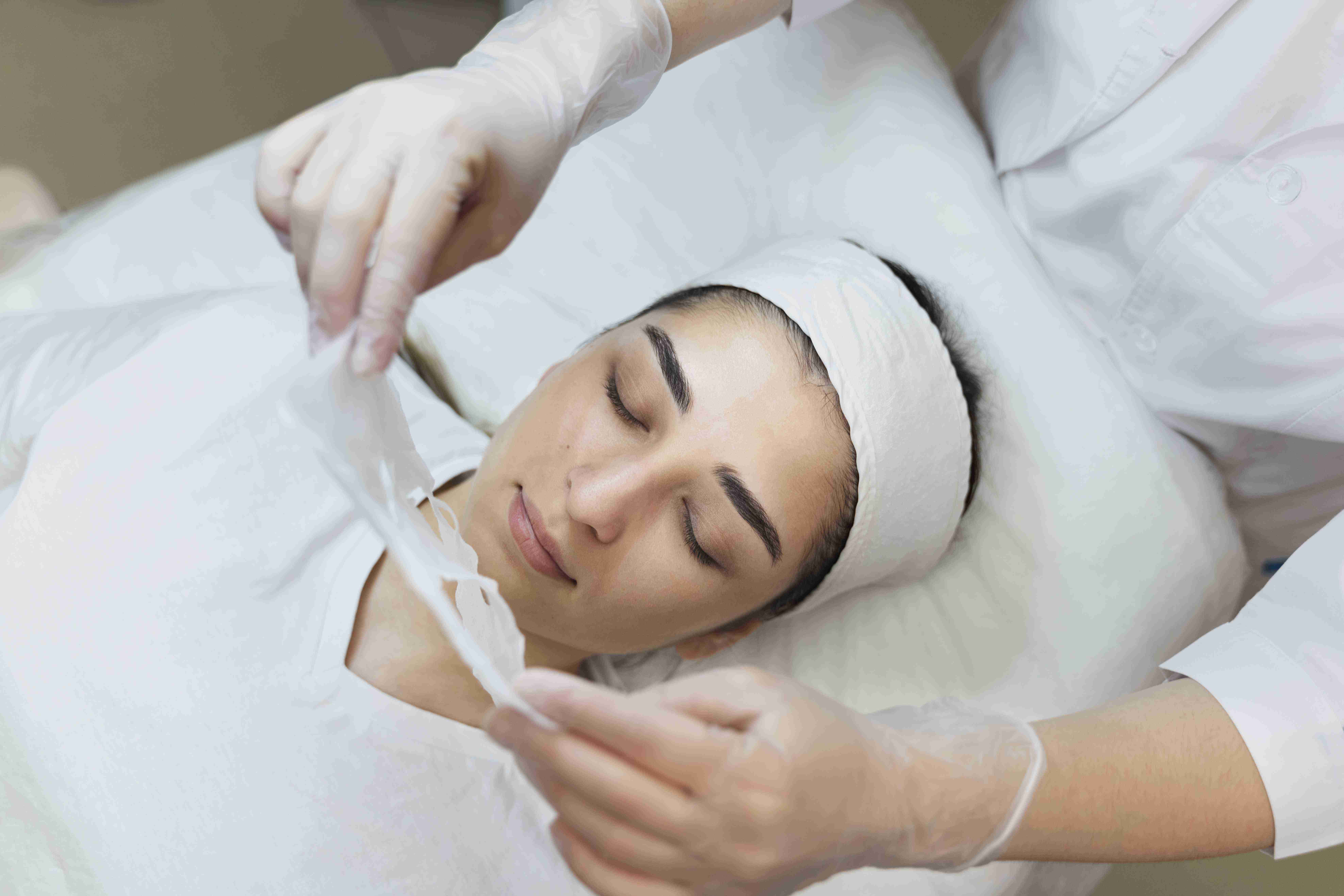
A customized medium or deep peel solution is applied for controlled penetration. The skin is degreased with acetone and the selected acid — TCA, Jessner's combination, or phenol — is applied in measured layers. Our dermatologist monitors frosting patterns across each facial zone, adjusting passes to control depth.
04
Neutralization & Post-Treatment Care
The peel is neutralized, and a soothing recovery serum is applied. Expect five to ten days of visible peeling with redness that fades over two weeks. You receive a recovery kit with gentle cleanser, ceramide moisturiser, and SPF 50. Avoid direct sun, active skincare ingredients, and strenuous exercise for ten days.
Expected Results & Recovery

Visible improvements after one session, with further refinement over multiple treatments.
Fewer blemishes, reduced scarring, and an even complexion.
Expect peeling and skin sensitivity for 5–7 days.
With proper maintenance, results can last several months.
Got Questions?We've Got Answers
Find answers to the most common questions about our treatments, procedures, and recovery process. If you can't find what you're looking for, our support team is always here to help.
Typically, 3–6 sessions, spaced 4–6 weeks apart, yield the best results.
Patients may feel a warm or stinging sensation, but discomfort is manageable.
Peeling and flaking can last between 5–10 days, depending on peel strength.
It significantly reduces acne and breakouts, but maintenance treatments and a proper skincare routine are essential.
Sun exposure must be strictly avoided for at least a week, and broad-spectrum sunscreen is mandatory.
Superficial peels use lower acid concentrations — glycolic at 20 to 30 percent or salicylic at 20 percent — and only remove the outermost epidermal layer. Medium-depth peels use TCA at 25 to 35 percent or Jessner's combination to reach the papillary dermis. This deeper penetration triggers actual collagen remodelling and clears comedonal plugs that sit below the reach of lighter peels.
Active inflamed cysts need to be stabilised before a medium-depth peel. Applying concentrated acid over raw, infected tissue increases the risk of scarring and spreading infection. At Claire Derma, we typically treat active cystic lesions with intralesional corticosteroid injections or a short course of oral antibiotics first.
Most patients at Claire Derma see significant improvement after two to three sessions spaced six to eight weeks apart. The exact number depends on acne severity and whether concurrent scarring is being addressed. Unlike superficial peels that often require six or more monthly sessions, medium-depth peels deliver more clearance per session.
Fitzpatrick types IV through VI have a higher risk of post-inflammatory hyperpigmentation and, less commonly, hypopigmentation after medium-depth peels. At Claire Derma, we mitigate this with extended pre-peel conditioning using tretinoin and hydroquinone, careful acid selection — favouring Jessner's combination over straight TCA — and strict post-peel sun protection.