
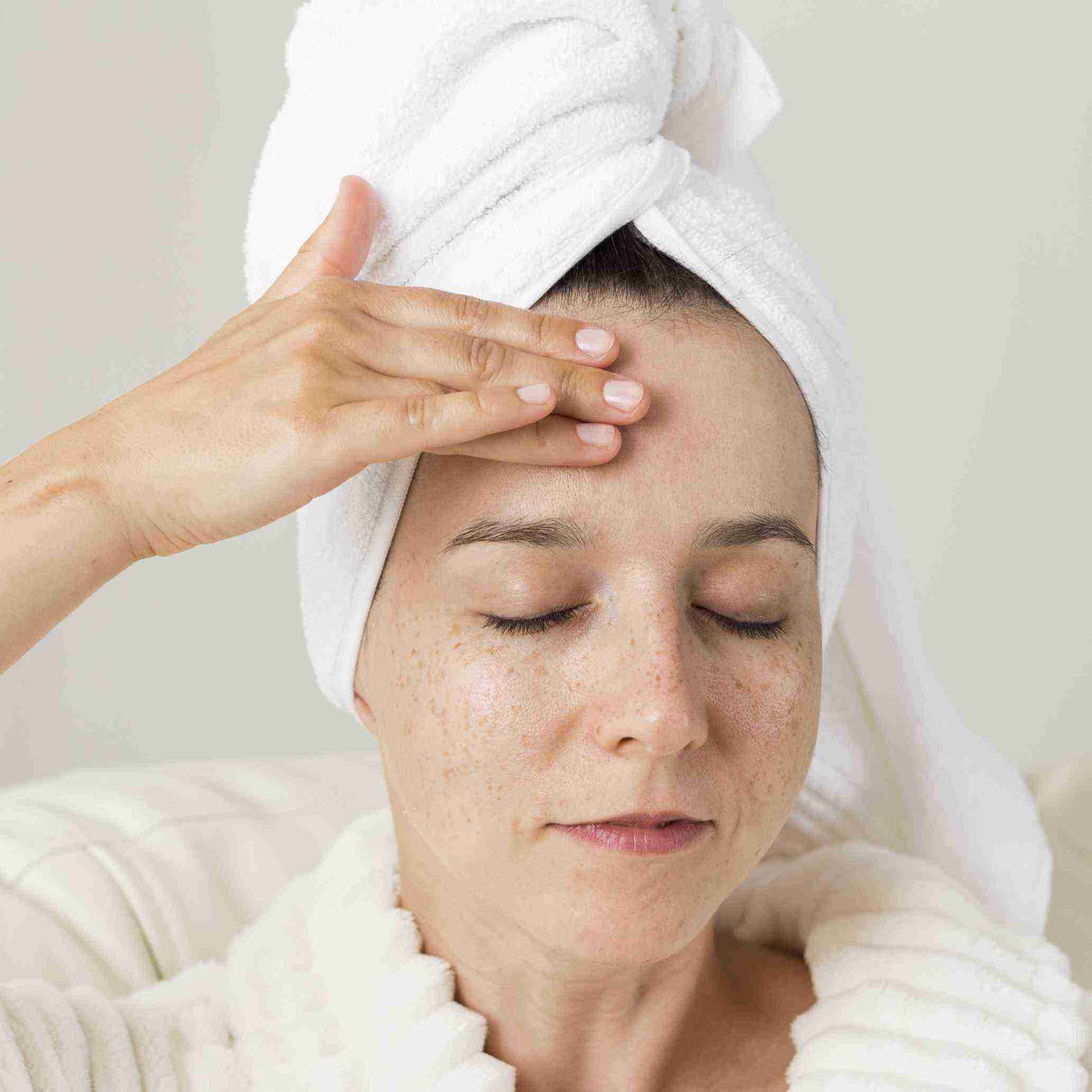
Introduction to Superficial to Medium Chemical Peels
Acne is a common skin condition caused by clogged pores, excess oil production, bacteria, and inflammation. It often leads to pimples, blackheads, whiteheads, and cystic breakouts, which can result in long-term scarring if untreated. Superficial to medium chemical peels are an effective solution for active acne and post-acne marks. These peels work by exfoliating the top layers of the skin, unclogging pores, and reducing oil production, leading to a clearer complexion and fewer breakouts over time.
Superficial chemical peels for acne target the outermost layer of the epidermis using mild acids at low concentrations — typically salicylic acid at 20 to 30 percent, glycolic acid at 20 to 35 percent, or mandelic acid at 30 to 40 percent. At Claire Derma, our dermatologists use these peels to dissolve the keratin plugs blocking follicles, reduce surface bacterial counts, and accelerate the shedding of dead cells that contribute to comedone formation.
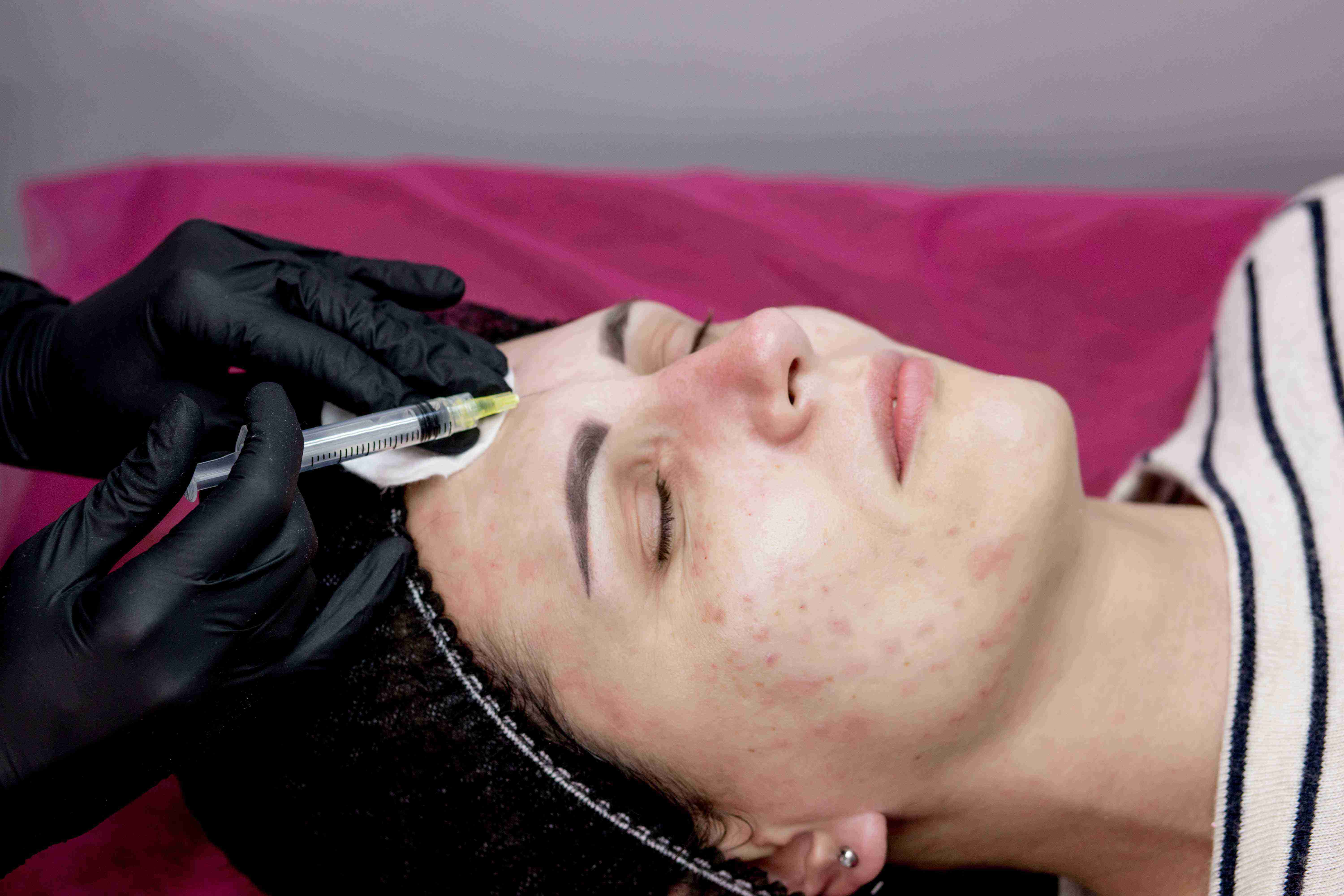
How Superficial to Medium Chemical Peels Work
This treatment targets acne and skin congestion by:

The acid chosen for a superficial acne peel matters because each has distinct properties that address different aspects of the breakout cycle. Salicylic acid is lipophilic — it dissolves in oil and penetrates into sebum-filled pores, making it the preferred choice for oily, congested skin.
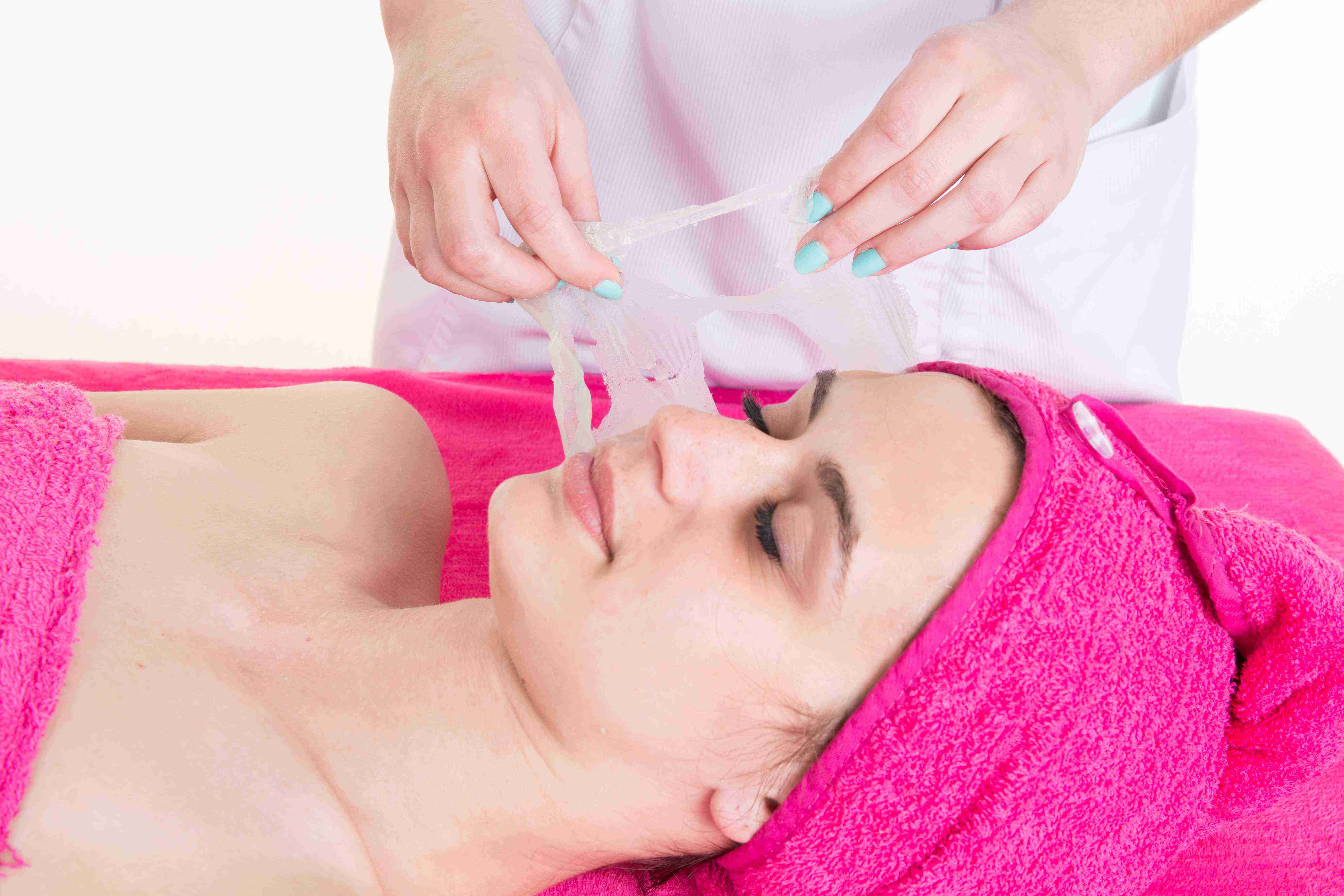
Treating Acne with Superficial to Medium Chemical Peels
A superficial acne peel at Claire Derma is a streamlined procedure designed to fit into a regular skincare maintenance schedule. The treatment begins with thorough cleansing and degreasing of the skin.
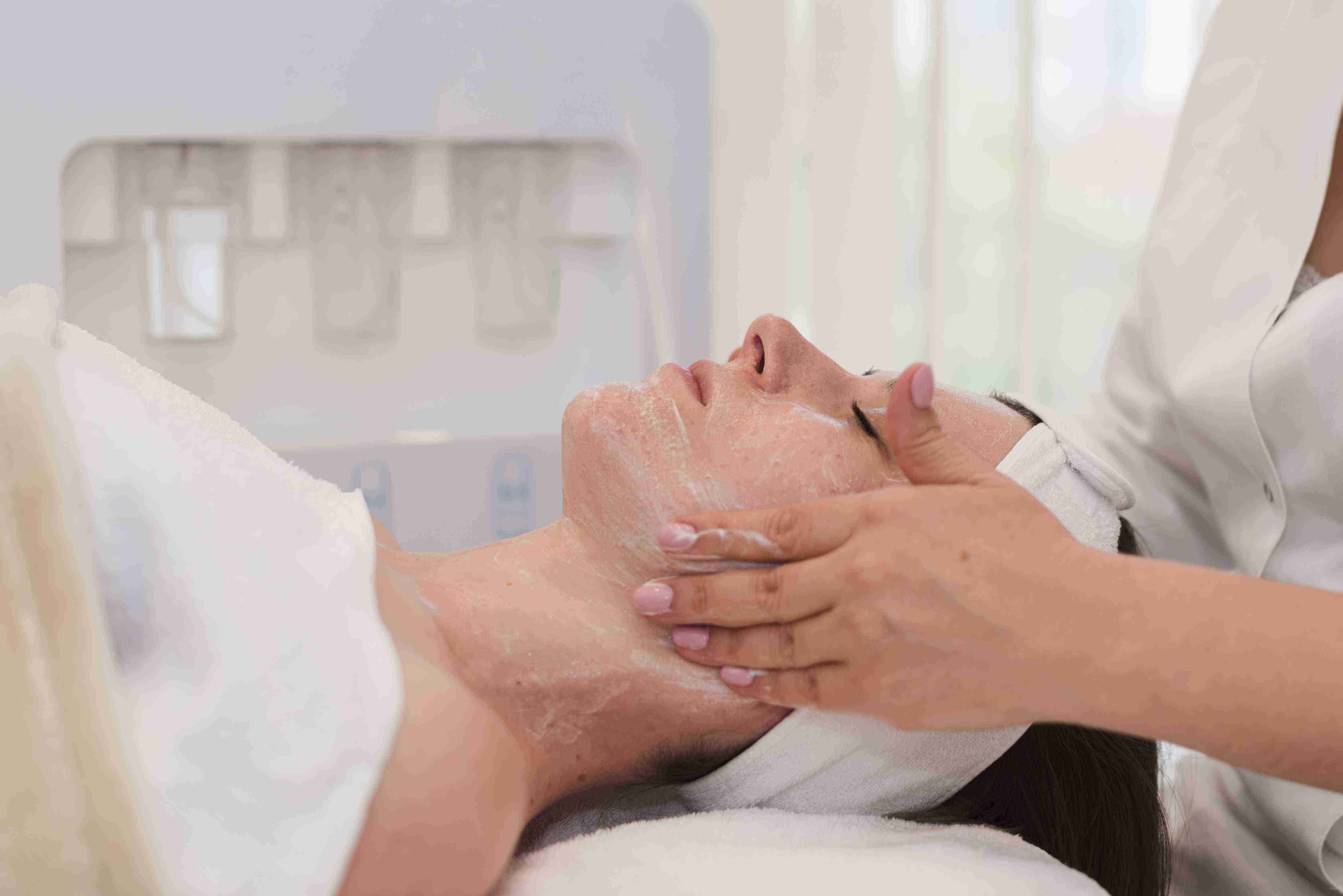
Benefits of Chemical Peels for Acne
Superficial peels fit into acne management as a regular maintenance treatment rather than a one-time fix. Their strength lies in consistency — repeated sessions every two to four weeks create a cumulative effect that keeps pores clear, bacterial counts low, and surface cell turnover steady.
Ideal Candidates for the Treatment
This treatment is ideal for individuals who:
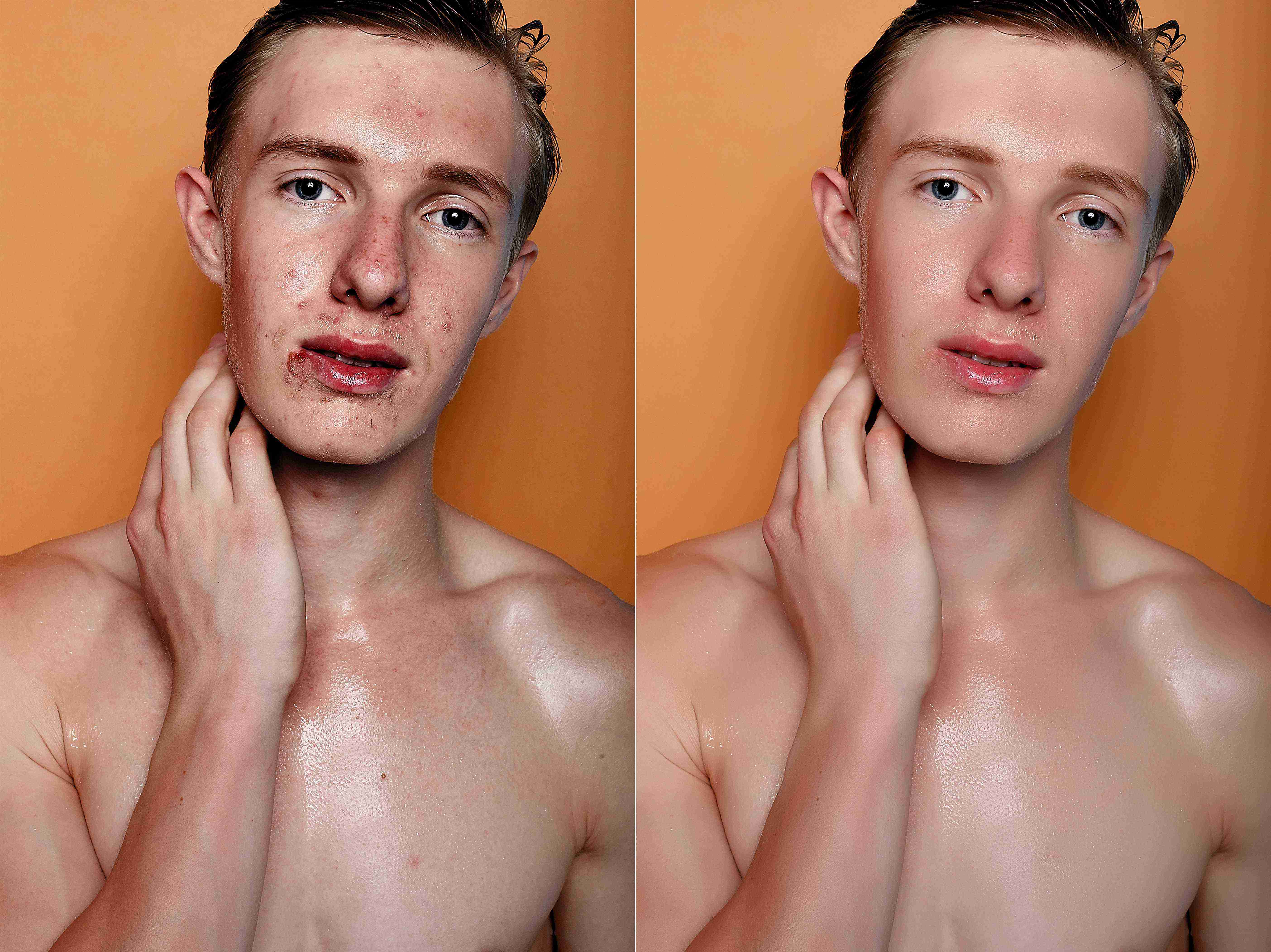
Most patients notice clearer pores and reduced oiliness within 24 to 48 hours of their first superficial peel. The more significant changes — fewer active breakouts, smoother texture, and reduced post-acne redness — become apparent after three to four consistent sessions. At Claire Derma, we photograph your skin at each visit to track progress and adjust the acid type or concentration if results plateau.
The Treatment Process
01
Consultation & Skin Analysis
The dermatologist assesses acne severity and determines the best peel type. Your dermatologist evaluates your acne type, severity, and skin sensitivity. We assess your Fitzpatrick skin type and review any topical products or medications you use.
02
Preparation
The skin is cleansed to remove oil and impurities before the treatment. The treatment area is cleansed with a non-residue cleanser and degreased with an alcohol or acetone solution to remove excess sebum. This ensures even acid contact across the skin surface.
03
Peel Application
A customized chemical peel is applied and left on for controlled exfoliation. The acid solution is applied evenly using gauze pads or a fan brush. Contact time ranges from two to five minutes, during which the dermatologist monitors skin response. The acid is neutralised with sodium bicarbonate solution (for glycolic) or simply washed off (for salicylic).
Expected Results & Recovery

Noticeable improvements in 1–2 sessions.
Fades acne scars over multiple sessions.
Less roughness and irritation.
Skin heals within 3–7 days, depending on the peel depth.
Best results with regular sessions and a good skincare routine.
Got Questions?We've Got Answers
Find answers to the most common questions about our treatments, procedures, and recovery process. If you can't find what you're looking for, our support team is always here to help.
Typically, 3–6 sessions spaced 2–4 weeks apart are recommended.
Chemical peels fade acne scars and dark spots, but deep scars may require microneedling or laser treatments for optimal results.
Most people experience a mild tingling or stinging sensation, but it is tolerable and subsides quickly.
It is recommended to wait at least 24–48 hours before applying makeup to avoid irritation.
Some individuals experience temporary purging before clearing up.
Concentration and application control are the main differences. At-home products use acids at 2 to 10 percent, while clinical superficial peels use 20 to 40 percent — delivering significantly more exfoliation in a single controlled session than weeks of home product use. At Claire Derma, the peel is applied under direct observation, with contact time adjusted in real time based on your skin's response.
Some patients experience a brief purging phase — usually lasting one to two weeks after the first or second session — where existing microcomedones are pushed to the surface and appear as new breakouts. This is a normal response indicating that the peel is clearing deep-seated congestion.
Yes, but timing matters. At Claire Derma, we typically advise pausing retinoid application for 48 to 72 hours before and after a superficial peel to prevent cumulative over-exfoliation that can compromise the skin barrier. Once the mild post-peel flaking resolves, you resume your retinoid.
Most patients at Claire Derma notice visible pore clearance after the first session and meaningful improvement in breakout frequency after three to four sessions spaced two to four weeks apart. A typical initial course is six sessions, after which your dermatologist reassesses and recommends a maintenance frequency — often monthly.