
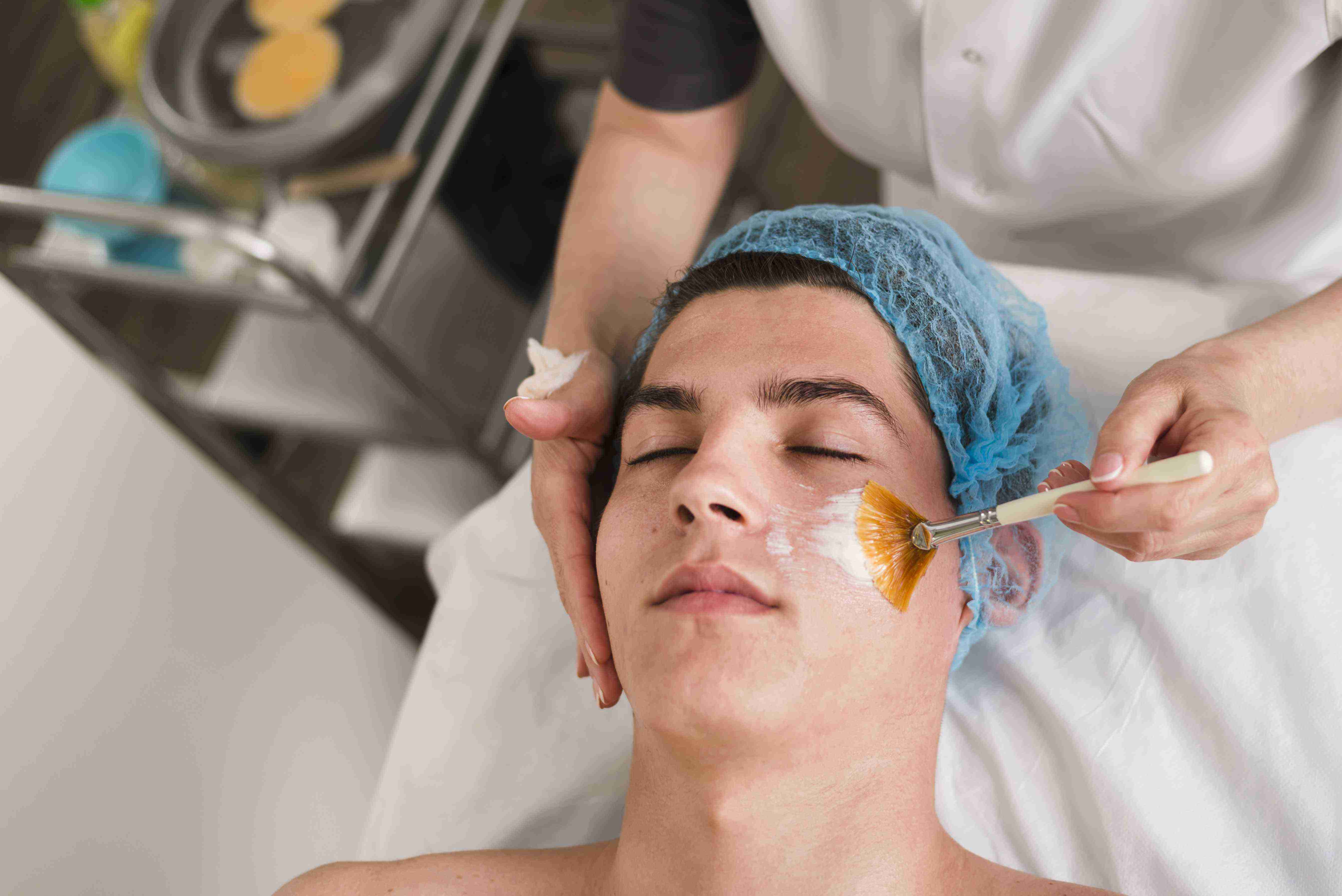
Introduction to Medium to Deep Chemical Peels
As skin ages, collagen production declines, leading to fine lines, wrinkles, skin laxity, and an uneven texture. Medium to deep chemical peels are an advanced skin rejuvenation treatment that helps reverse these signs of aging by removing damaged skin layers, stimulating new collagen growth, and promoting a youthful, radiant complexion. These peels use potent exfoliating agents, such as trichloroacetic acid (TCA), phenol, and high-strength glycolic acid, which penetrate deeper into the skin layers to trigger cell renewal, enhance skin elasticity, and smooth out wrinkles.
Medium to deep chemical peels for anti-aging address the structural decline that occurs in the papillary and upper reticular dermis — where collagen fragmentation and elastin degradation create fine lines, wrinkles, and skin laxity. At Claire Derma, our dermatologists use TCA at 30 to 40 percent concentration and phenol-based formulations to reach these deeper layers.
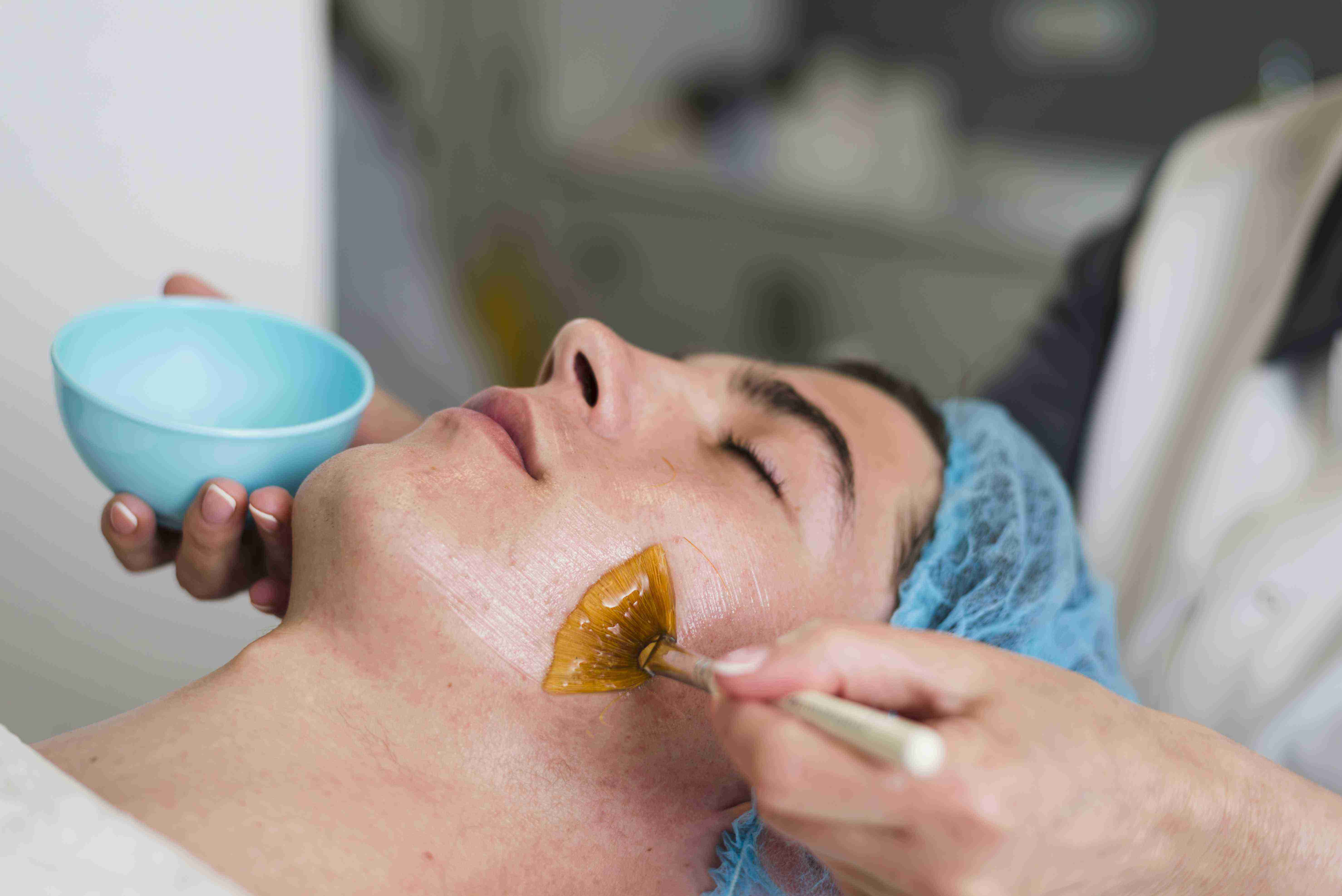
How Medium to Deep Chemical Peels Work
This treatment effectively combats aging by:

The chemistry behind anti-aging peels differs from acne or pigmentation-focused formulations. While TCA remains a core agent, anti-aging protocols at Claire Derma often incorporate higher concentrations or phenol-croton oil combinations that reach the mid-reticular dermis. At this depth, the peel destroys the disorganised collagen and solar elastosis that superficial treatments leave intact.
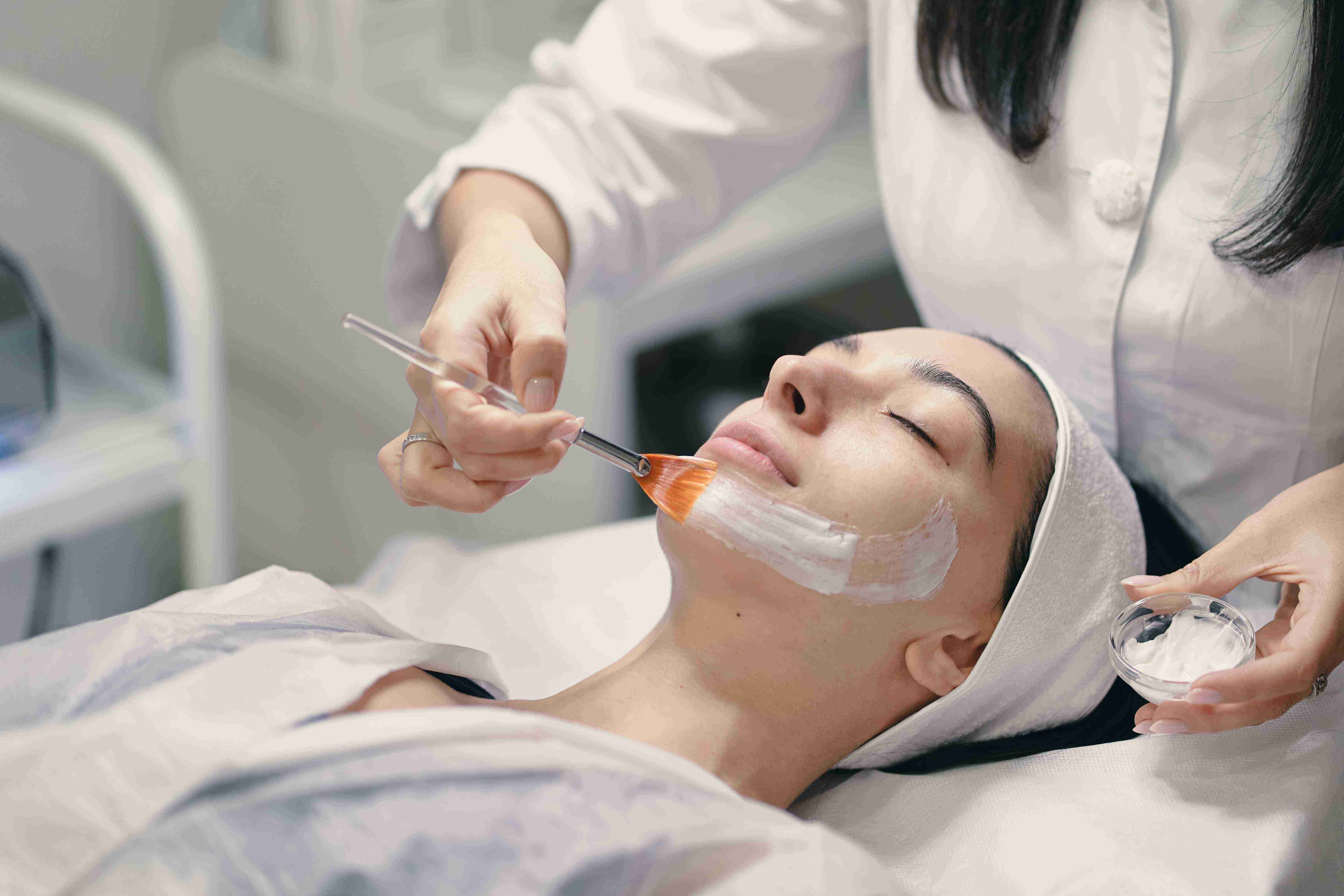
Reversing Signs of Aging with Medium to Deep Chemical Peels
Anti-aging peels at Claire Derma are planned around your specific aging pattern. Perioral rhytides, the vertical lip lines that deepen with age and smoking, respond exceptionally well to focused medium-depth TCA application. Crow's feet and forehead lines require careful depth control given the thinner skin in these regions.
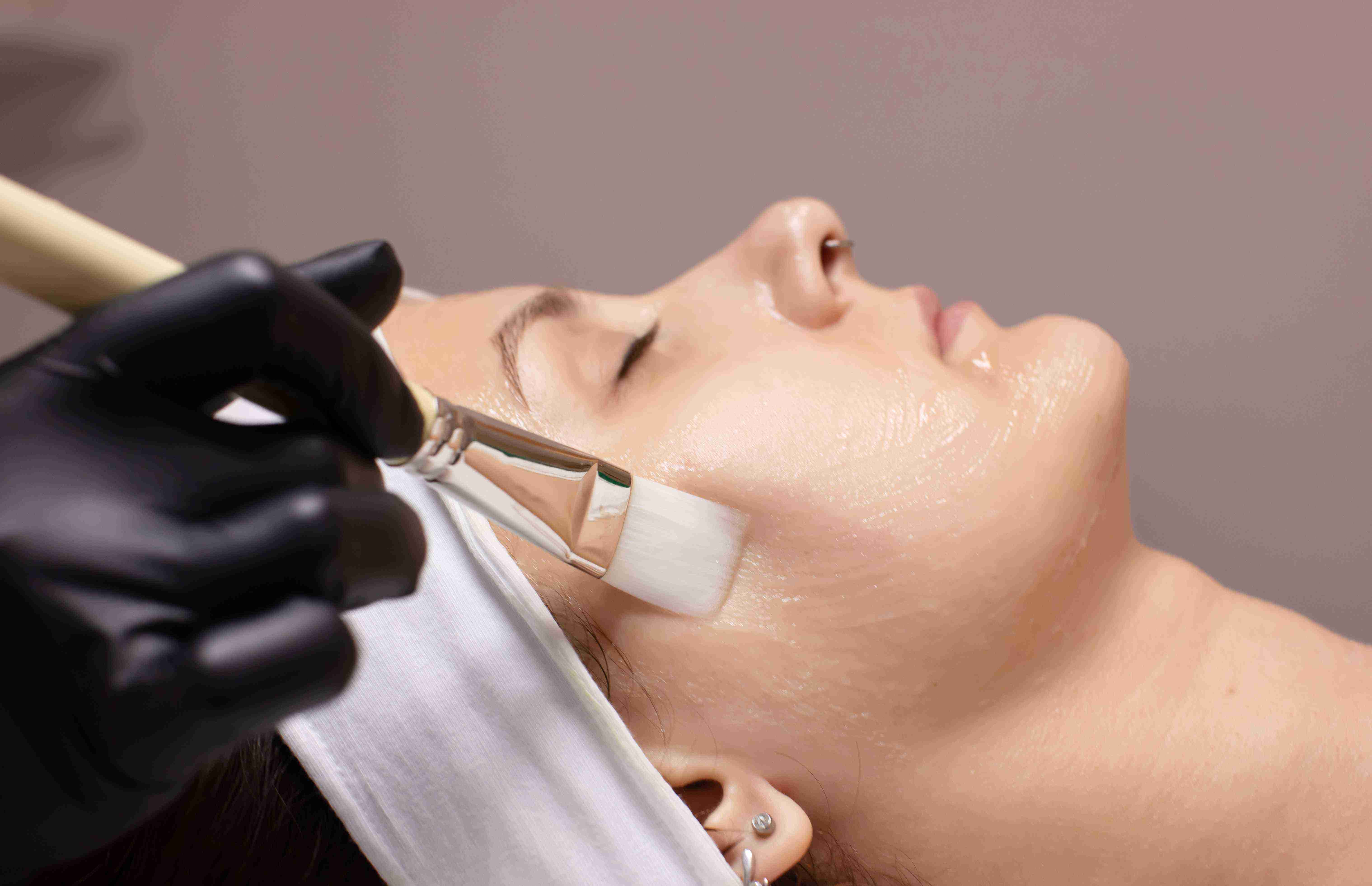
Benefits of Medium to Deep Peels for Anti-Aging
Medium to deep peels produce anti-aging results that topical retinoids, superficial peels, and many device-based treatments cannot match for moderate to advanced wrinkles. The collagen remodelling triggered by dermal-level injury continues for months after treatment, with patients typically noticing progressive improvement from week four through month six.
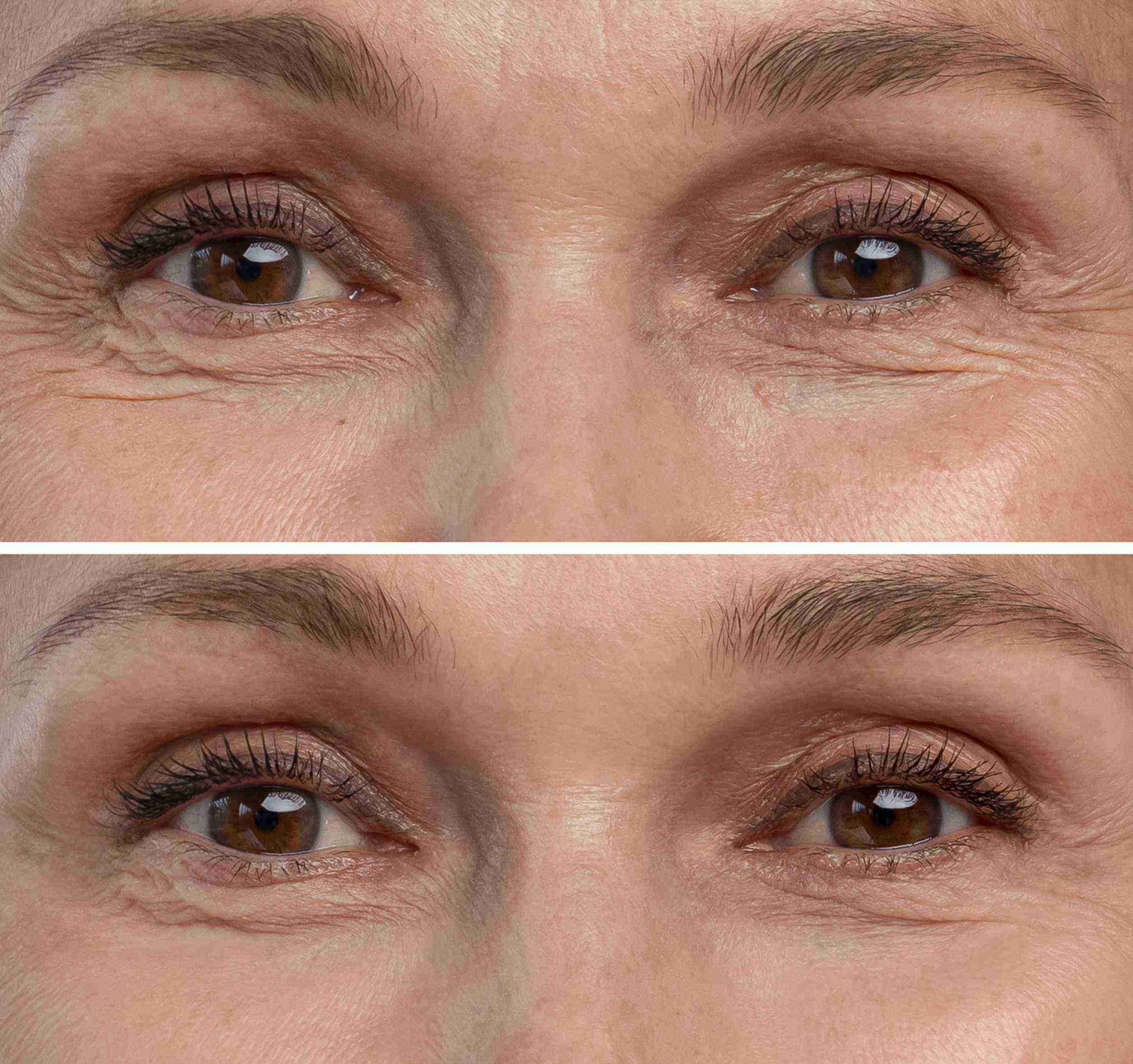
Ideal Candidates for the Treatment
This treatment is ideal for individuals who:
Recovery from a medium to deep anti-aging peel follows a more extended timeline than superficial treatments. The first 48 hours involve swelling, particularly around the eyes and mouth, with skin tightness and a deep red colour. Crusting forms by day three and peeling begins around day five, completing between days ten and fourteen depending on peel depth.
The Treatment Process
01
Consultation & Skin Assessment
The dermatologist examines the skin and selects the appropriate peel strength. Your dermatologist evaluates your aging pattern using the Glogau photoaging scale, assesses skin thickness, and reviews your medical history for contraindications. Baseline photographs under standardised lighting are taken.
02
Preparation
Skin is cleansed, and sensitive areas are protected before applying the peel. A four-week pre-treatment regimen of tretinoin 0.05% and daily SPF 50 conditions your skin for even acid penetration. Hydroquinone may be added for patients with concurrent sun damage.
03
Peel Application
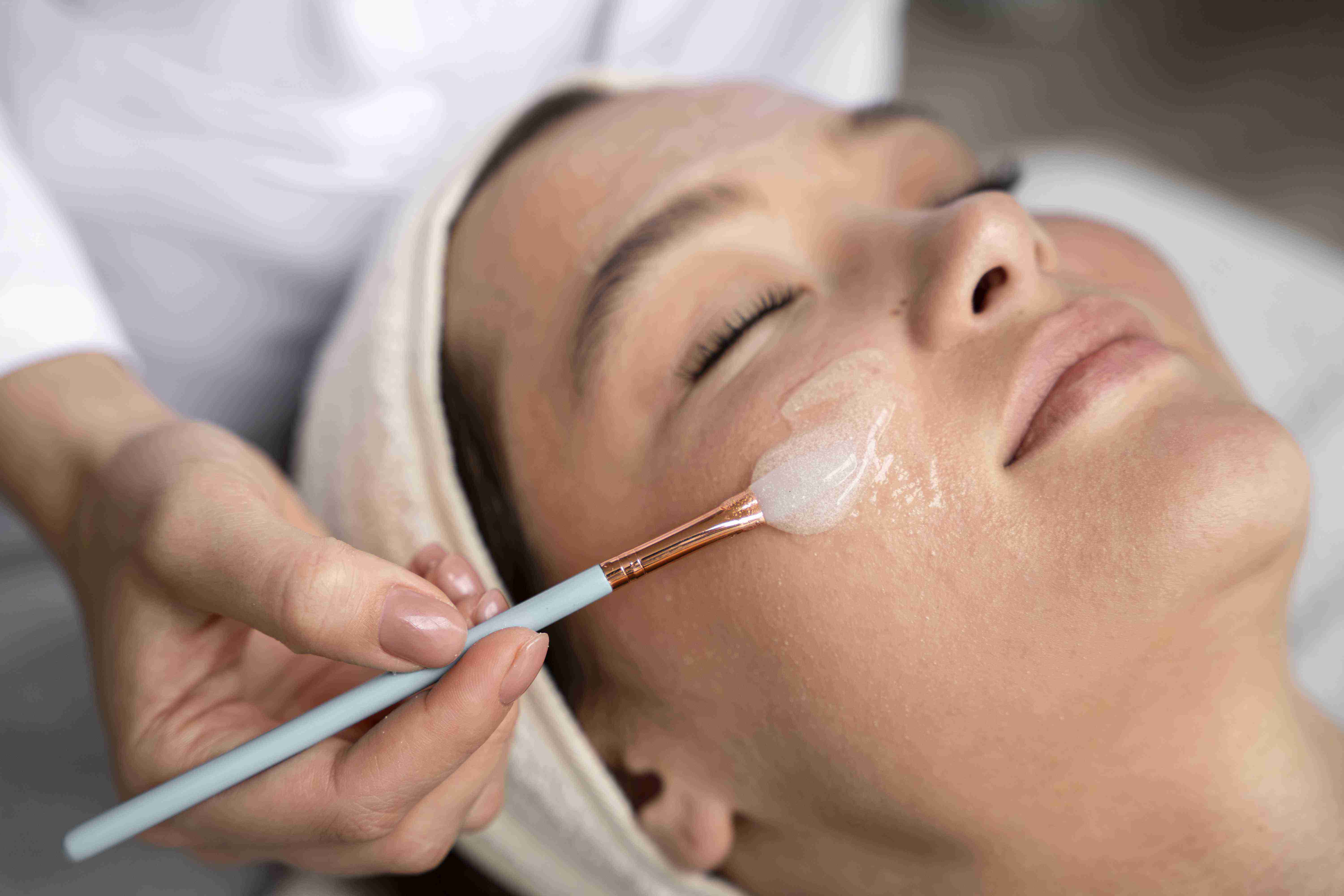
A customized medium or deep chemical peel solution is applied and left on for a set duration. After degreasing with acetone, the selected acid — TCA at 35 to 50 percent or phenol-croton oil formula — is applied zone by zone. Phenol peels require cardiac monitoring and segmental application with fifteen-minute intervals between zones.
04
Post-Treatment Care
Redness and peeling occur for 5–10 days, requiring hydration and strict sun protection. Expect seven to fourteen days of active peeling with swelling concentrated in the first 48 hours. Healing ointments and gentle cleansing are the only skincare used during this period. Residual pinkness resolves over four to eight weeks.
Expected Results & Recovery

Fine lines and wrinkles begin to fade within a few weeks.
Skin looks refreshed and revitalized.
Peeling subsides within 7–10 days, with ongoing improvements over 2–6 months.
Regular treatments enhance collagen production and skin elasticity over time.
Got Questions?We've Got Answers
Find answers to the most common questions about our treatments, procedures, and recovery process. If you can't find what you're looking for, our support team is always here to help.
Typically, 3–5 sessions, spaced 4–6 weeks apart, provide the best rejuvenation.
With proper skincare and sun protection, results can last several months to years.
Mild tingling or warmth may be felt during the peel, but discomfort is temporary.
It’s best to avoid makeup for 5–7 days to allow proper skin healing.
Yes, deep peels are more effective for severe wrinkles and sagging skin, but they require longer recovery time.
Age alone is less important than the degree of photoaging and wrinkle depth. At Claire Derma, we see patients in their forties and fifties who benefit most from medium to deep peels — those with Glogau III or IV photoaging showing visible wrinkles at rest, skin laxity, and rough texture.
Both achieve dermal collagen remodelling, but through different mechanisms. Deep peels use chemical injury to remove damaged layers uniformly, while fractional lasers create microscopic columns of thermal damage surrounded by intact tissue. Peels tend to produce more uniform surface smoothing, making them particularly effective for fine perioral lines.
Medium to deep peels improve skin quality and create modest tightening through collagen contraction and new collagen synthesis. Mild jowling and early jawline laxity can see visible improvement. Significant skin sagging, where the issue is primarily gravitational descent of deeper tissue, responds better to surgical or energy-based tightening procedures.
The collagen remodelling from a medium to deep peel is long-lasting — improvements in wrinkle depth and skin texture typically persist for two to five years with proper skincare maintenance. Sun exposure, smoking, and neglecting daily retinoid and SPF use will accelerate new photoaging.