

Introduction to Medium to Deep Chemical Peels
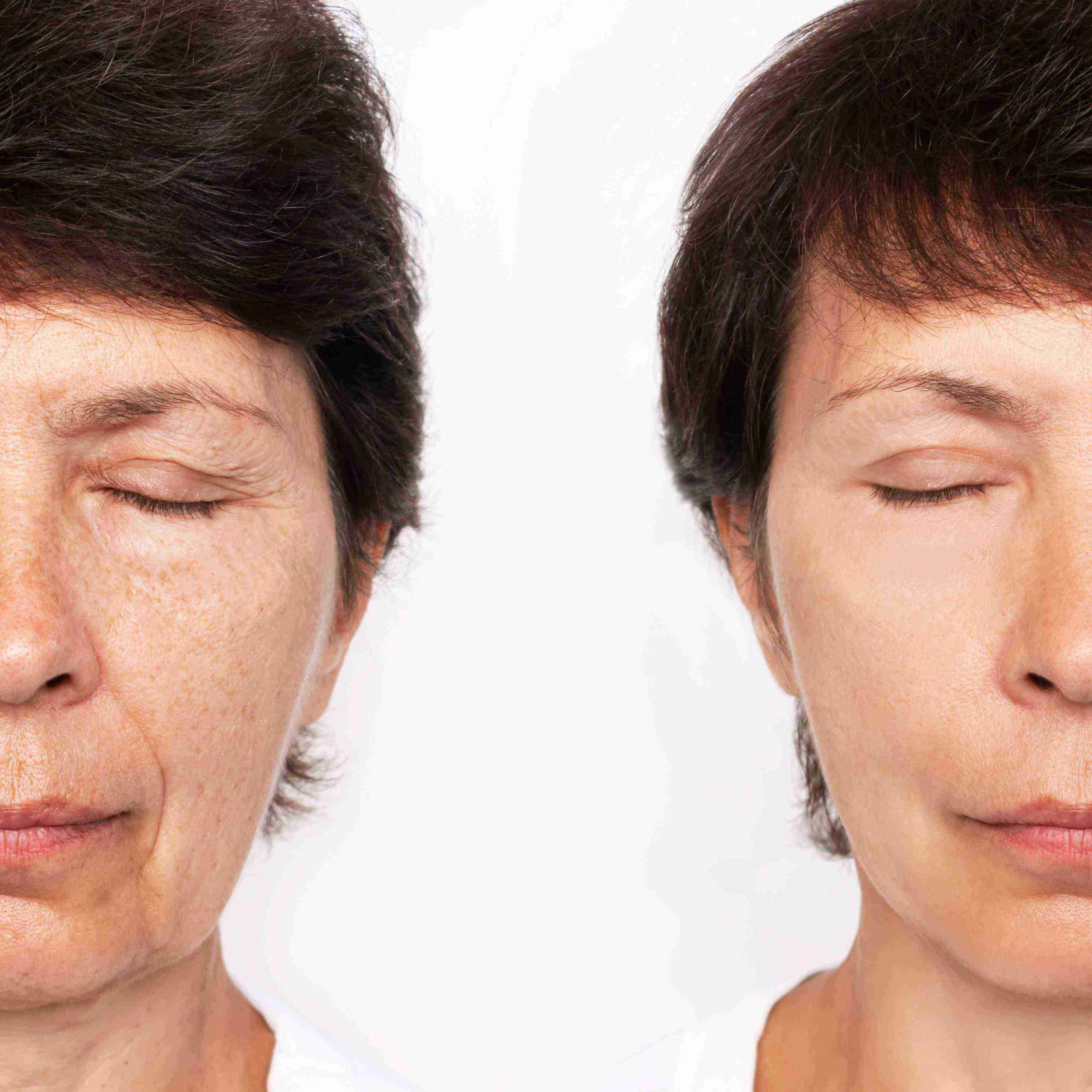
Pigmentation issues such as dark spots, melasma, sun damage, and post-inflammatory hyperpigmentation (PIH) can cause an uneven skin tone, making the skin appear dull and aged. Medium to deep chemical peels provide an advanced skin resurfacing treatment designed to fade stubborn pigmentation, exfoliate damaged skin layers, and promote even-toned skin. These peels utilize powerful exfoliating agents such as trichloroacetic acid (TCA), phenol, glycolic acid, and salicylic acid, which penetrate the mid to deep dermal layers to break down excess melanin and stimulate cell renewal for brighter, more radiant skin.
Medium to deep chemical peels for pigmentation target melanin deposits that sit below the reach of superficial treatments. At Claire Derma, our dermatologists use trichloroacetic acid (TCA) at 25 to 35 percent, often combined with Jessner's solution, to penetrate into the papillary dermis where stubborn melanin clusters reside.
How Medium to Deep Chemical Peels Work
This treatment effectively reduces pigmentation by:

The acid formulations used in medium-depth pigmentation peels differ from those chosen for acne. While TCA remains the workhorse agent, our dermatologists at Claire Derma frequently modify the approach by adding kojic acid or retinoic acid as boosters that specifically inhibit tyrosinase — the enzyme responsible for melanin production.
Treating Pigmentation with Medium to Deep Chemical Peels
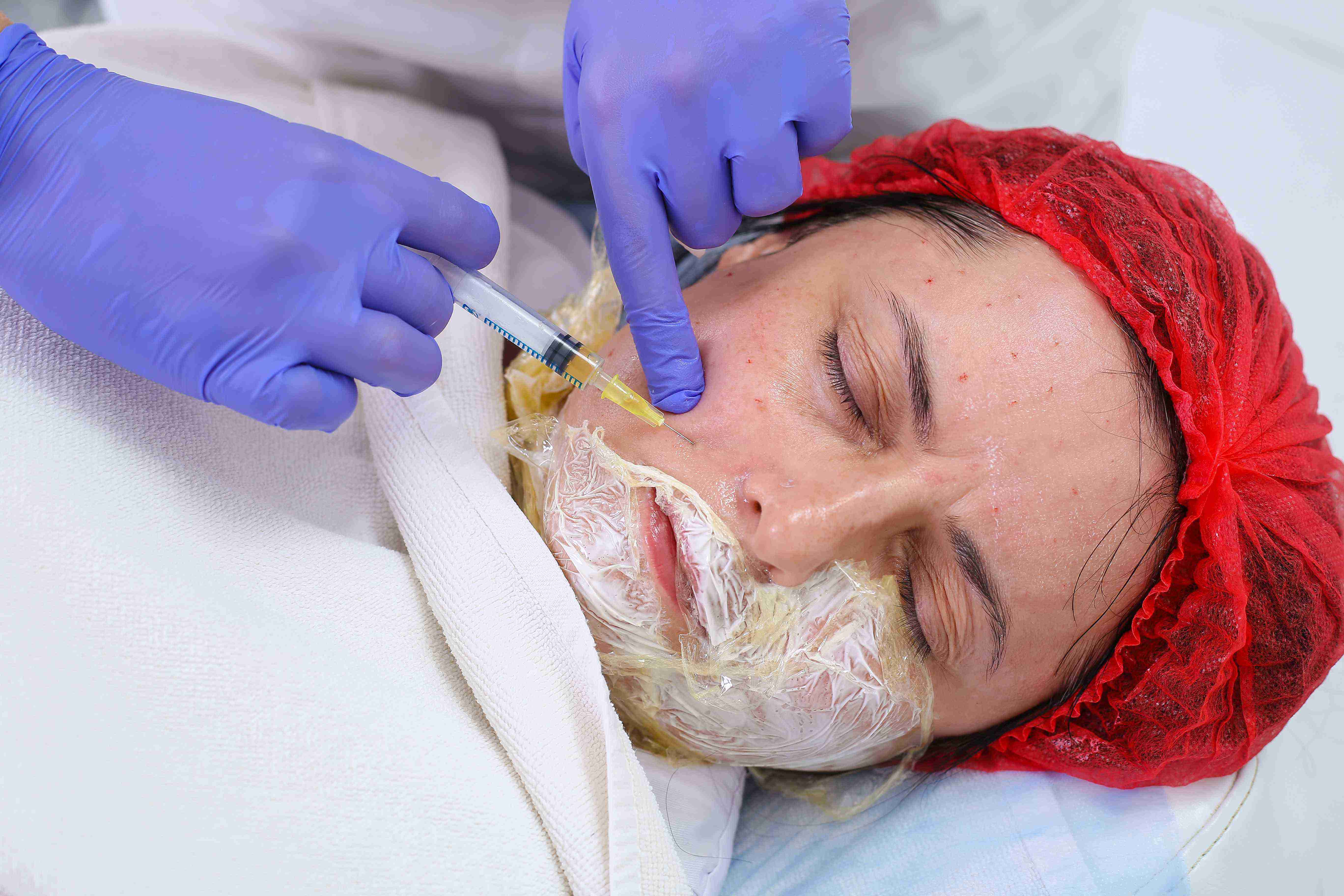
At Claire Derma, the treatment protocol for pigmentation peels involves meticulous pre-treatment to reduce rebound darkening. Four to six weeks before your peel, we prescribe a depigmenting regimen — typically a combination of hydroquinone 4%, tretinoin 0.05%, and a mild topical steroid (the modified Kligman's formula).
Benefits of Medium to Deep Peels for Pigmentation
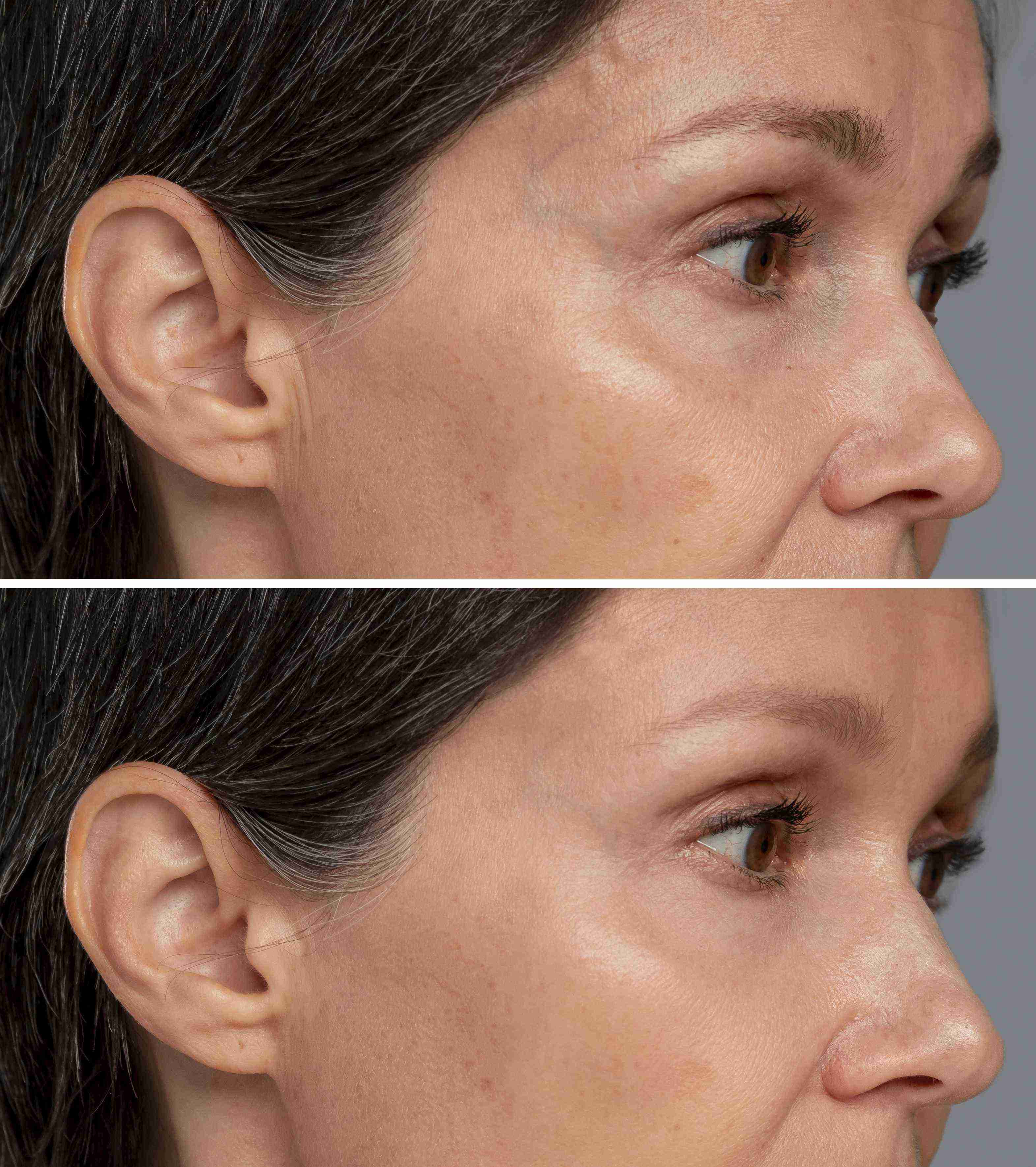
Medium to deep peels offer pigmentation patients a level of correction that topical treatments and superficial peels approach only slowly, if at all. A single TCA peel can remove months' worth of accumulated melanin deposits in one session, particularly for solar lentigines and post-inflammatory marks.
Ideal Candidates for the Treatment
This treatment is ideal for individuals who:
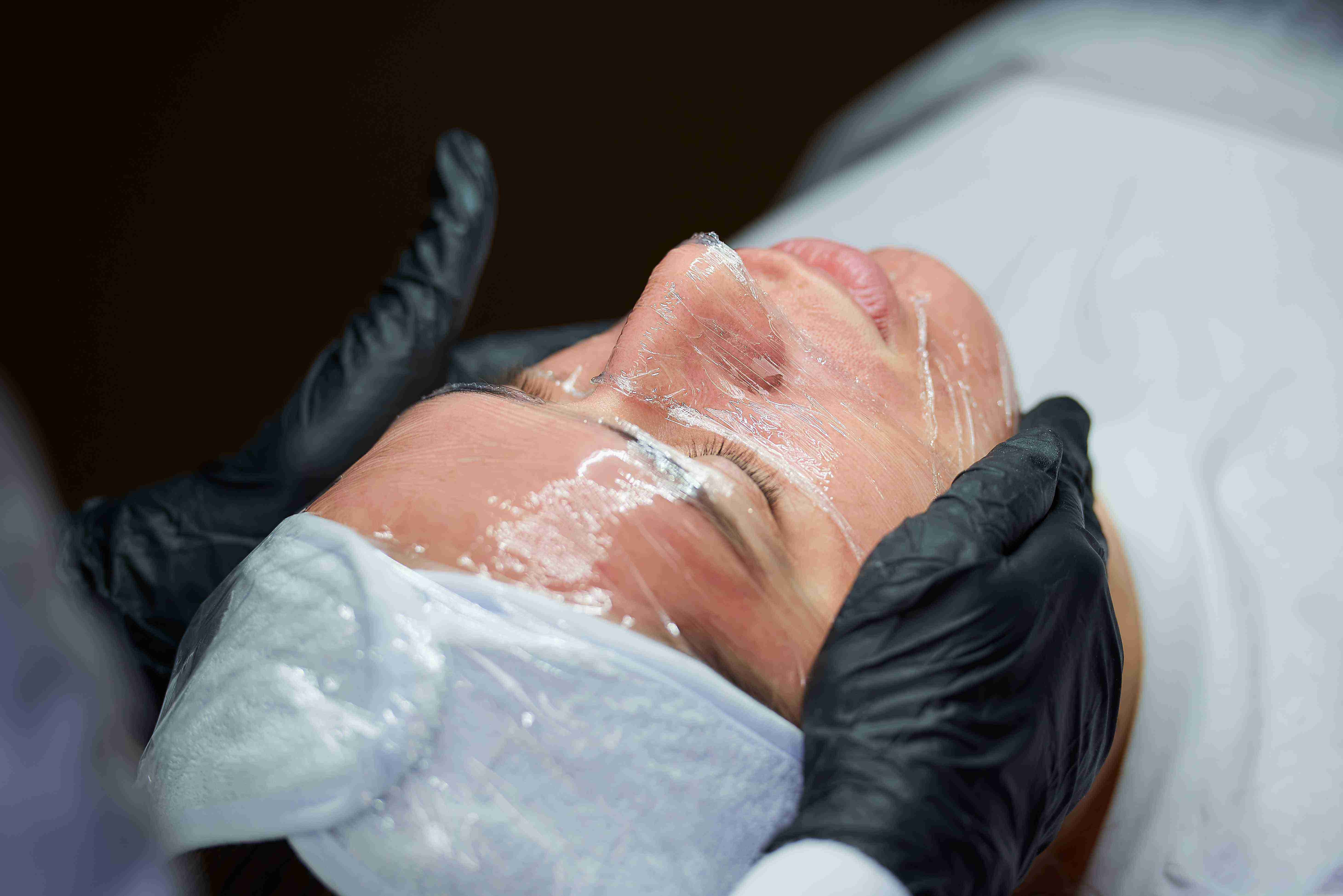
Recovery from a medium-depth pigmentation peel requires strict sun avoidance and consistent use of depigmenting topicals. In the first three to five days, treated skin darkens and tightens — this is the damaged pigmented layer preparing to shed. Peeling begins around day four and completes by day ten. The newly revealed skin is pink and noticeably lighter, but it remains highly susceptible to UV-triggered pigment rebound.
The Treatment Process
01
Consultation & Skin Assessment
The dermatologist evaluates skin type and pigmentation severity. Your dermatologist performs a Wood's lamp examination to classify pigmentation depth as epidermal, dermal, or mixed. We review your medication and supplement history, hormonal status, and sun exposure habits. Baseline photographs under standardised and UV lighting are taken.
02
Preparation
The skin is cleansed, and a pre-peel skincare routine may be recommended. Four to six weeks before the peel, you begin a modified Kligman's regimen — hydroquinone 4%, tretinoin, and a mild steroid. This suppresses melanocyte activity and thins the stratum corneum for uniform acid penetration.
03
Peel Application
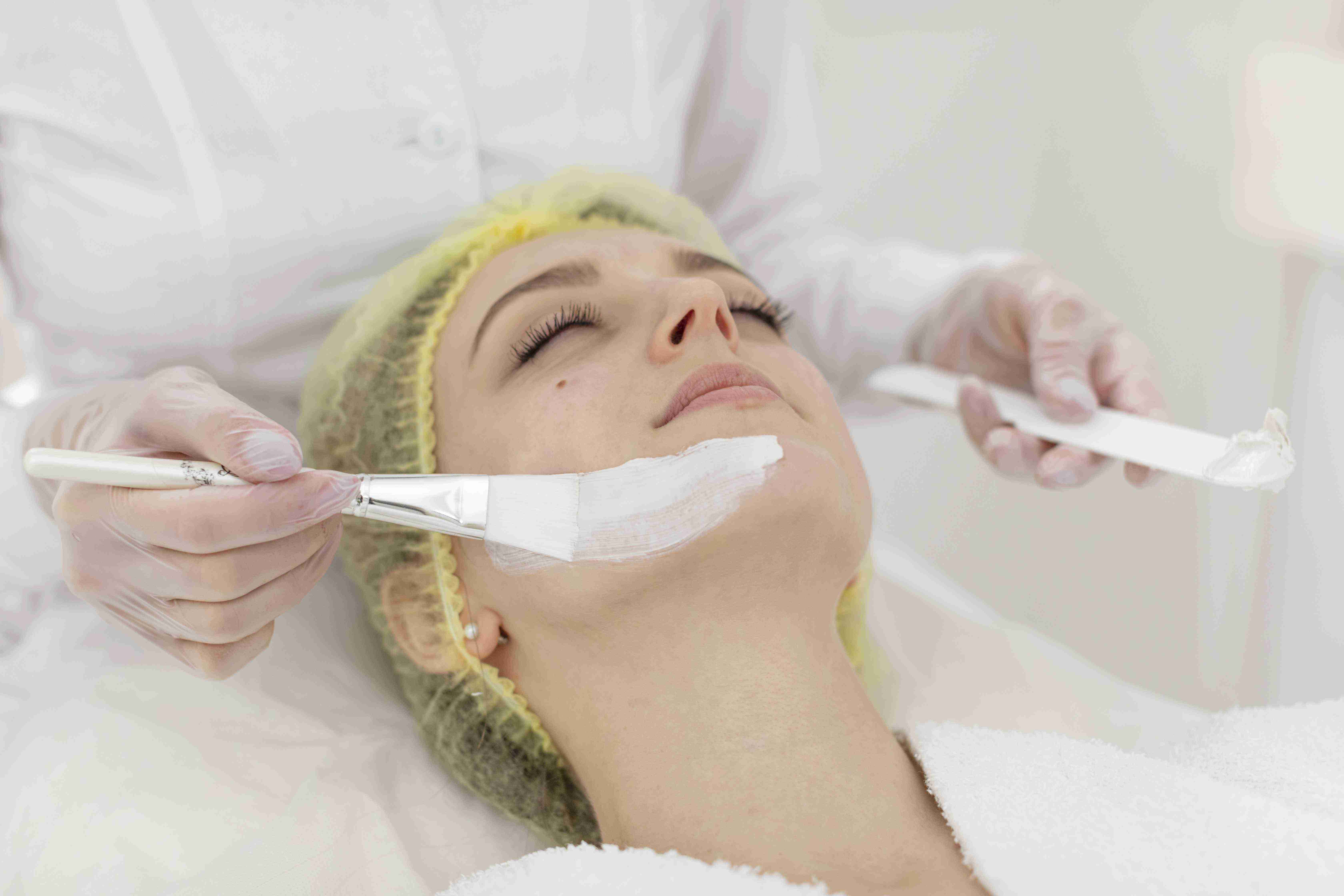
A customized medium or deep peel solution is applied and left on for a specific duration. Skin is degreased with acetone and the selected acid protocol — typically Jessner's followed by TCA at 25 to 35 percent — is applied in controlled layers.
04
Recovery Phase
Peeling, redness, and irritation may occur for 5–10 days; sun protection is essential. Skin darkens and tightens over days one to three, with peeling starting around day four and completing by day ten. You apply barrier cream, gentle cleanser, and mineral SPF 50 exclusively during this period. Depigmenting topicals resume once peeling is complete.
Expected Results & Recovery

Dark spots and uneven tone begin to fade within a few weeks.
A more radiant complexion emerges as peeling subsides.
Peeling lasts around 5–10 days, with visible improvements in 2–4 weeks.
Regular treatments lead to progressive fading of pigmentation.
Got Questions?We've Got Answers
Find answers to the most common questions about our treatments, procedures, and recovery process. If you can't find what you're looking for, our support team is always here to help.
Typically, 3–6 sessions, spaced 4–6 weeks apart, provide the best results.
With proper sun protection and skincare, results can be long-lasting. However, melasma and sunspots may return with excessive sun exposure.
Yes, but the type and strength of the peel should be customized based on skin type and pigmentation level to avoid complications.
Patients may feel a warm or tingling sensation during the peel, but discomfort is temporary.
Makeup should be avoided for at least 5–7 days to allow proper healing.
Melanocytes are permanent residents of the skin — a peel removes accumulated pigment but does not eliminate the cells that produce it. Without ongoing protection and maintenance, pigmentation can return, especially with sun exposure or hormonal fluctuations.
Melasma is notoriously reactive — aggressive treatments can trigger a rebound flare that leaves skin darker than before. At Claire Derma, we mitigate this risk with extended pre-peel preparation using depigmenting agents, careful acid selection favouring Jessner's combination over high-concentration TCA alone, and immediate post-peel tyrosinase suppression. Proper patient selection is critical.
Strict sun avoidance is essential for a minimum of four weeks post-peel, and diligent sun protection should continue indefinitely for pigmentation patients. During the first two weeks, even incidental sun exposure — walking to your car, sitting near a window — can trigger melanocyte activation in freshly peeled skin.
Yes, and combining modalities often produces better results than peels alone. At Claire Derma, we frequently follow a medium-depth peel series with low-fluence Q-switched laser sessions or oral tranexamic acid for patients with mixed-depth melasma. The peel removes the bulk of surface pigment, and adjunct treatments address the deeper or hormonally driven component.