
Introduction to Superficial to Medium Chemical Peels
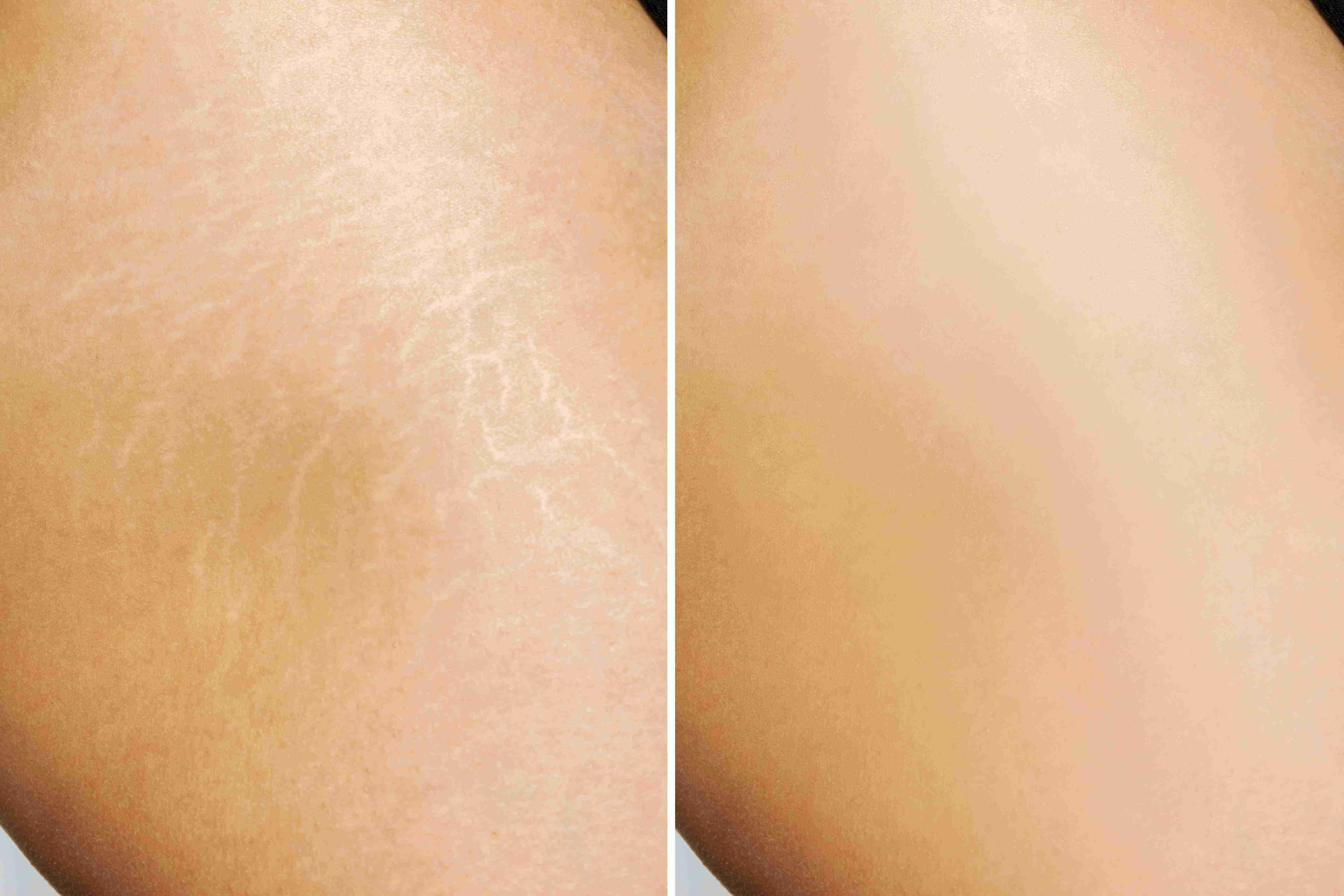
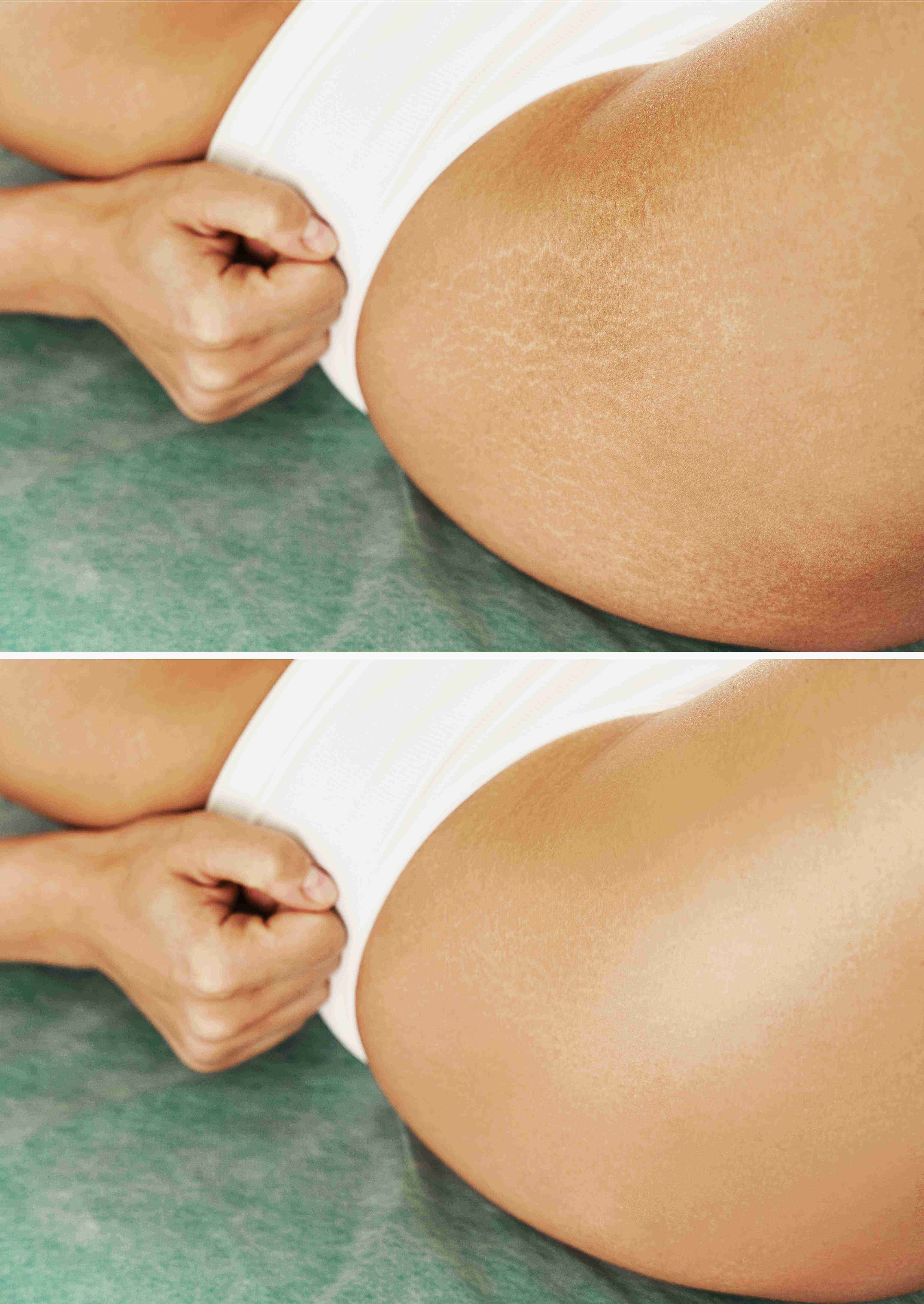
Stretch marks, or striae, form when the skin stretches beyond its natural capacity, causing collagen and elastin fibers to break. This results in thin, scar-like streaks that initially appear red, purple, or dark brown before fading to a lighter shade over time. Superficial to medium chemical peels help improve the appearance of stretch marks by exfoliating damaged skin layers, boosting collagen regeneration, and promoting skin renewal. These peels work by stimulating new skin cell growth, leading to a smoother texture and a more even skin tone.
Chemical peels for stretch marks work by inducing controlled exfoliation and collagen remodelling in the dermal layer where striae form. Stretch marks are essentially scars caused by rapid stretching of the dermis — the collagen and elastin fibres rupture, leaving behind atrophic bands of tissue.
How Superficial to Medium Chemical Peels Work
This treatment targets stretch marks by:

Acid selection for stretch mark peels differs from facial peel protocols because body skin is thicker and heals differently. The trunk, thighs, and upper arms have fewer pilosebaceous units — the hair follicle structures that serve as re-epithelialisation reserves during healing.
Treating Stretch Marks with Superficial to Medium Chemical Peels
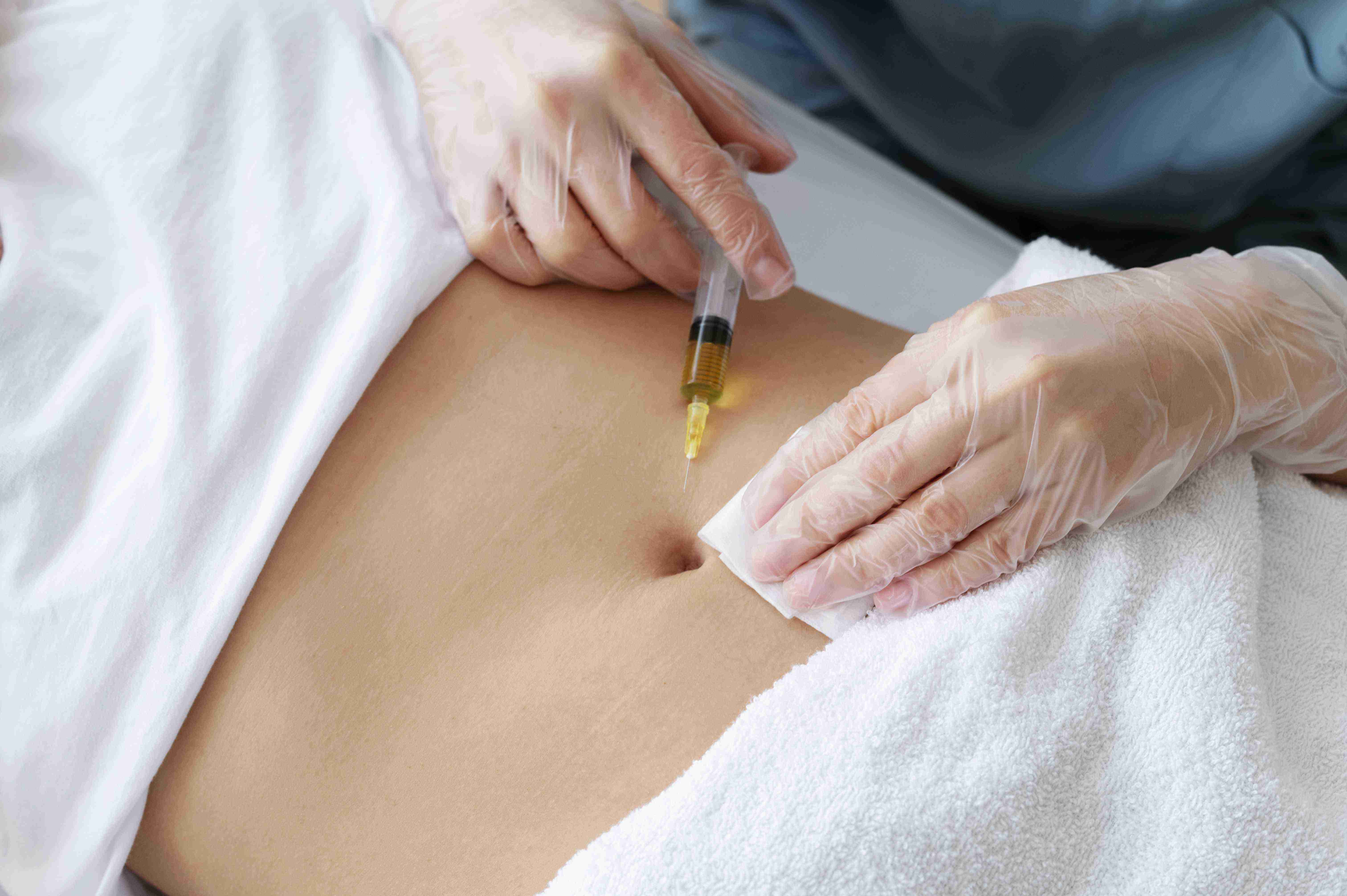
Treatment at Claire Derma follows a multi-session protocol tailored to your stretch mark severity and body location. Sessions are spaced three to four weeks apart, with a typical course involving four to six treatments. At each visit, our dermatologist assesses the response — measuring changes in striae width, depth, and colour against baseline photographs.
Benefits of Chemical Peels for Stretch Marks
Chemical peels offer practical advantages over other stretch mark treatments. Unlike fractional lasers, which carry higher hyperpigmentation risk on darker body skin tones, peels can be titrated carefully for Fitzpatrick types IV through VI.
Ideal Candidates for the Treatment
This treatment is ideal for individuals who:
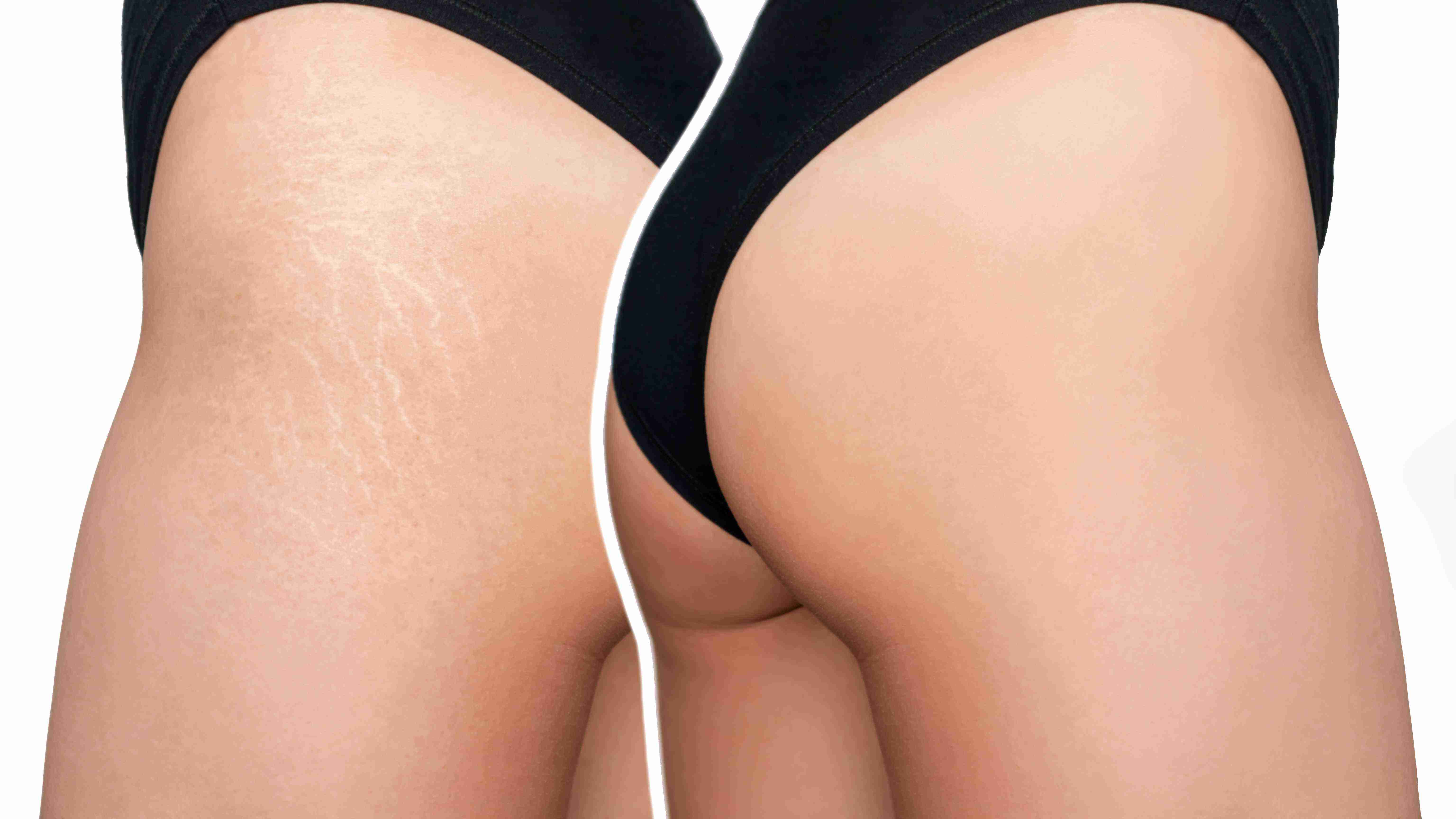
Chemical peels improve the appearance of stretch marks but do not make them disappear. They reduce colour contrast, smooth textural depressions, and narrow the width of striae. Newer red or purple marks typically show 40 to 60 percent improvement after a full treatment series, while mature white marks may improve 20 to 35 percent.
The Treatment Process
01
Consultation & Skin Analysis
The dermatologist evaluates the stretch marks to determine the best peel strength. Your dermatologist examines the stretch marks' colour, width, depth, and distribution. We classify them as striae rubra or striae alba and assess your Fitzpatrick skin type to guide acid selection. Baseline photographs are taken under standardised lighting.
02
Preparation
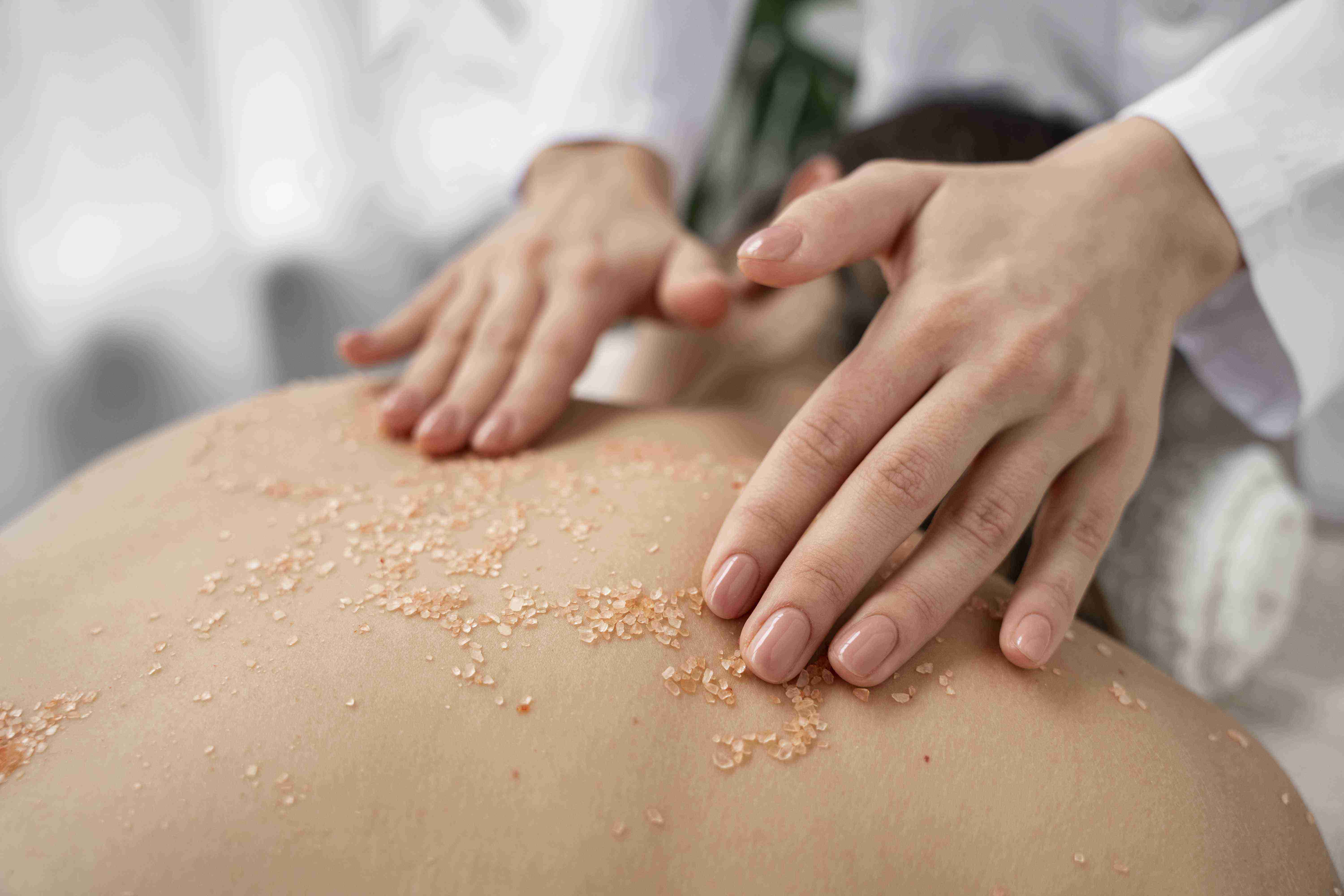
The target area is cleansed, and a mild numbing agent may be applied. Two weeks before your first peel, you begin applying a retinoid cream to the treatment area nightly to prime skin cell turnover. We advise discontinuing any harsh body scrubs or exfoliating products.
03
Peel Application
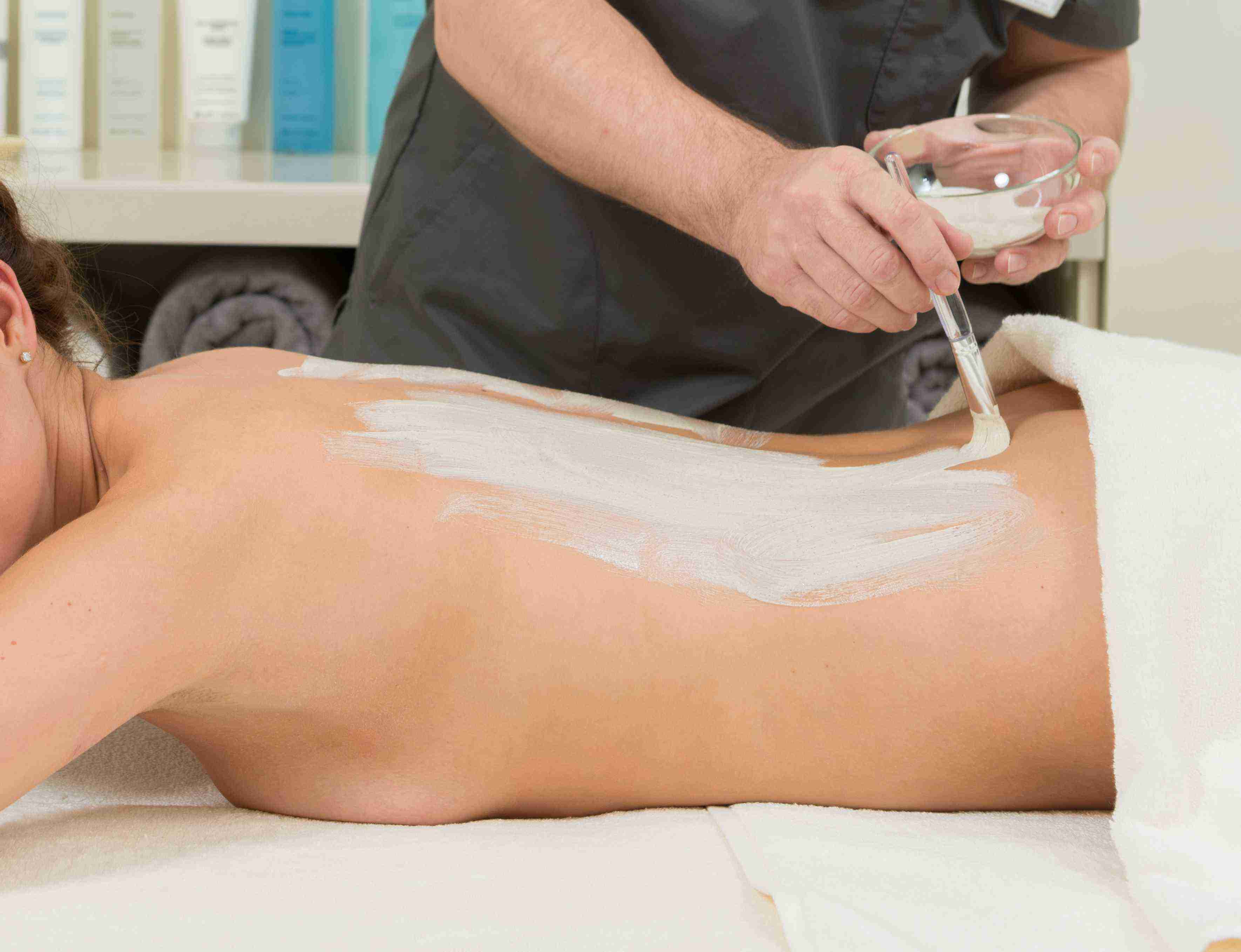
A customized superficial or medium-depth chemical peel is applied to the stretch marks. The selected acid — glycolic at 50 to 70 percent or TCA at 20 to 35 percent — is applied directly to individual stretch marks using gauze or cotton-tipped applicators. Contact time is monitored and adjusted based on skin response.
Expected Results & Recovery

Visible improvement after multiple sessions.
Enhanced texture and elasticity.
Most people resume daily activities within 24–48 hours.
With consistent treatments and proper skincare, results continue improving.
Got Questions?We've Got Answers
Find answers to the most common questions about our treatments, procedures, and recovery process. If you can't find what you're looking for, our support team is always here to help.
4–6 sessions, spaced 3–4 weeks apart, provide the best results.
Chemical peels reduce their appearance but do not remove them entirely.
Yes, but older stretch marks take longer to respond and may require a combination of treatments for the best outcome.
A mild tingling or stinging sensation may occur during application, but it subsides quickly.
Yes, chemical peels work well with microneedling, laser therapy, and collagen-boosting treatments for enhanced results.
No treatment — peels, lasers, or otherwise — can fully erase stretch marks because the underlying dermal rupture is a form of scarring. Chemical peels improve their appearance by stimulating collagen production that thickens the atrophied tissue, reduces colour contrast, and narrows the mark's width.
Newer striae rubra respond better because they still have active blood supply and inflammatory signalling that amplifies the collagen-remodelling effect. Older striae alba — the white, atrophied marks — are more resistant but still improve with treatment. At Claire Derma, we use a longer series of peels for mature marks, sometimes combining them with microneedling to create additional collagen stimulation.
We do not perform chemical peels during pregnancy due to the lack of safety data for many peel agents at clinical concentrations. After delivery, treatment can begin once the skin has stabilised — typically six to eight weeks postpartum, or later if breastfeeding and certain acid restrictions apply.
Most patients at Claire Derma complete four to six sessions spaced three to four weeks apart. The exact number depends on stretch mark maturity, depth, and your skin's response to each treatment. Newer, shallower marks often show good improvement by session three, while deeper or older marks may benefit from extending the series to eight sessions.