
Introduction to Collagen Remodellinging
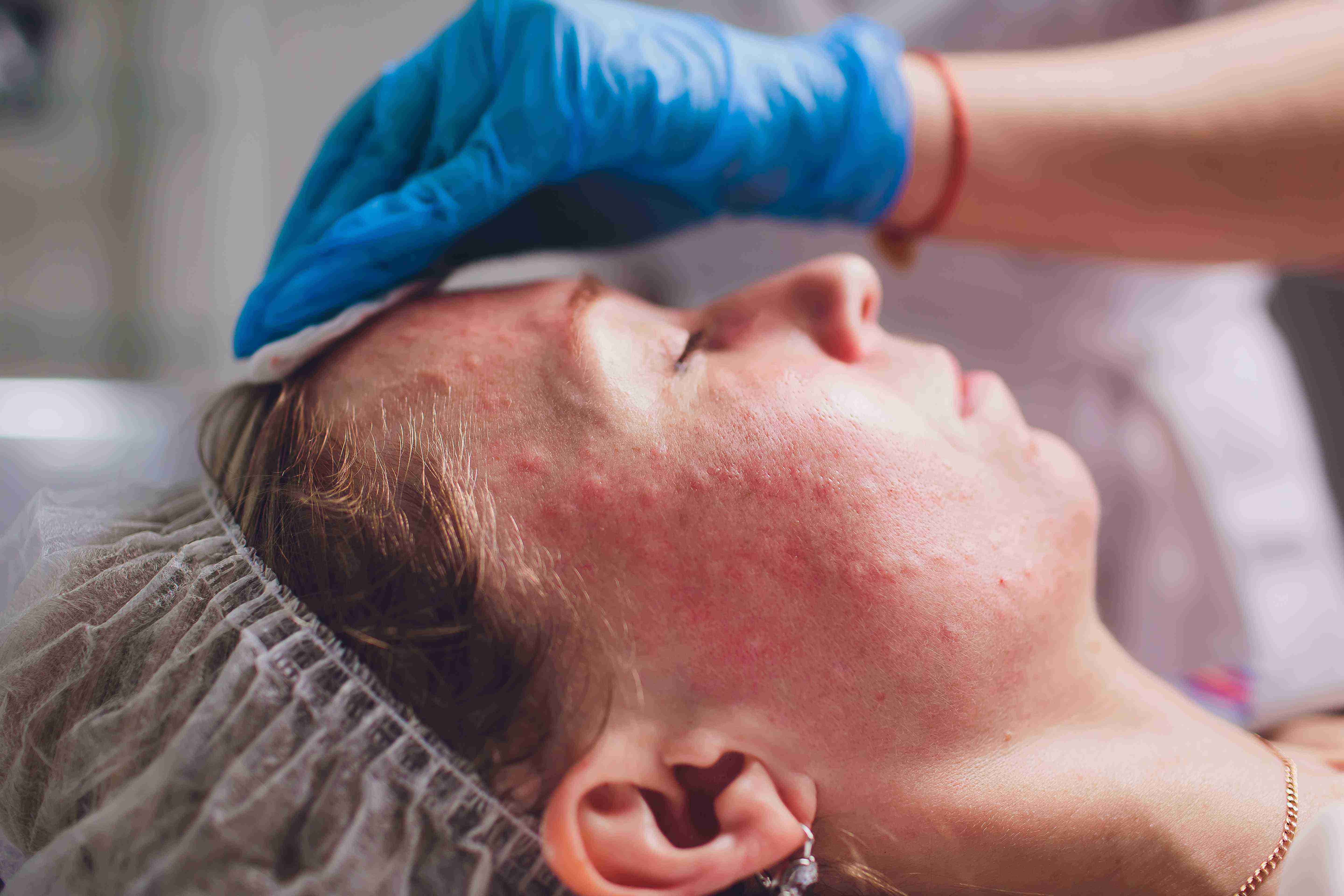
Collagen is a fundamental protein that maintains skin structure, elasticity, and firmness. However, factors such as acne, injuries, and aging can cause collagen depletion, leading to scarring, uneven skin texture, and loss of firmness. Collagen Remodelling Treatment is a non-invasive procedure designed to stimulate collagen regeneration, helping to restore smooth, even, and healthy-looking skin.
Acne scars form when the dermis heals poorly after inflammatory breakouts — producing either too little collagen, which creates depressions, or too much, which raises the skin into hypertrophic ridges. Collagen remodelling therapy uses thermal energy to restructure this damaged tissue at the dermal level.
How Collagen Remodellinging Works
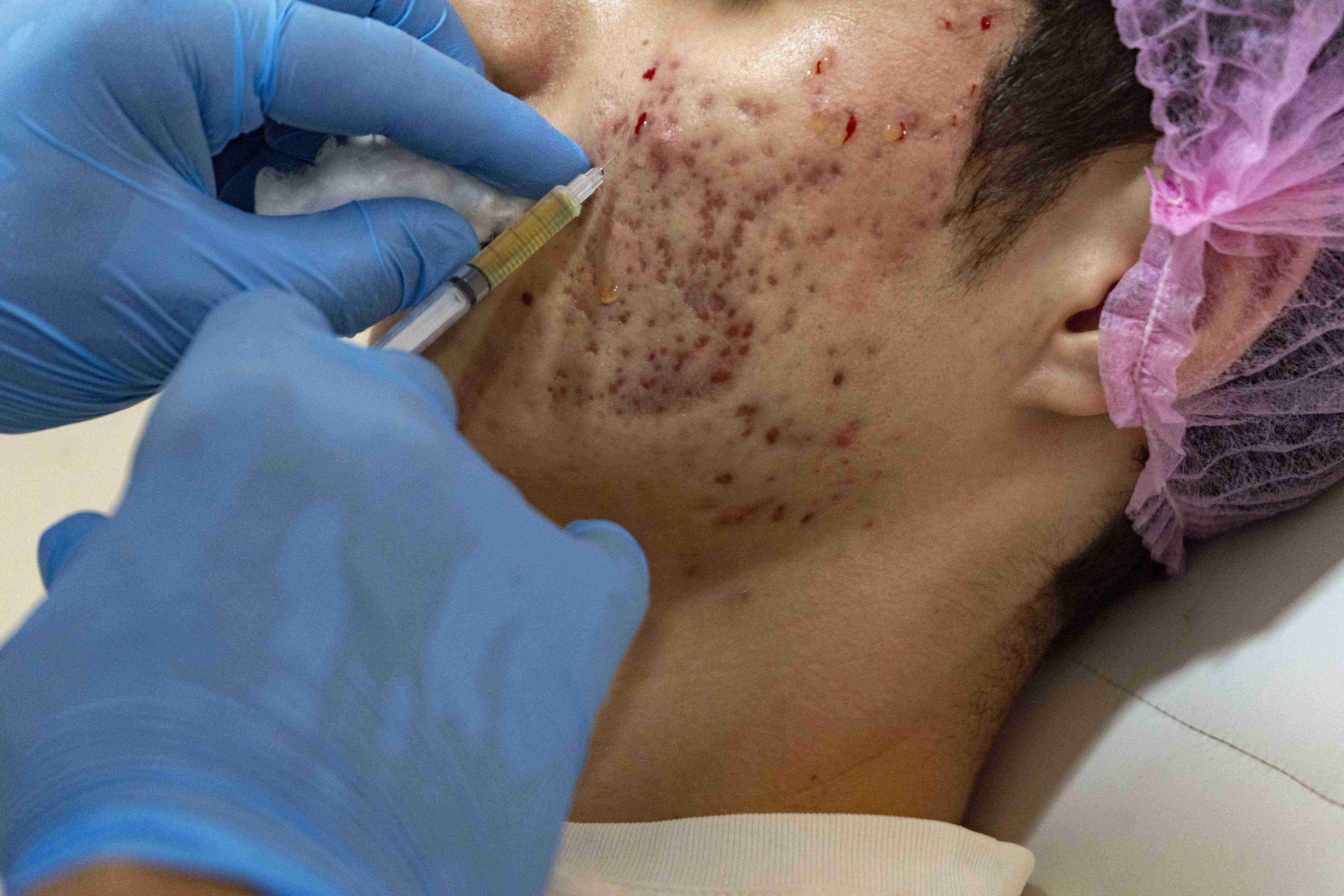
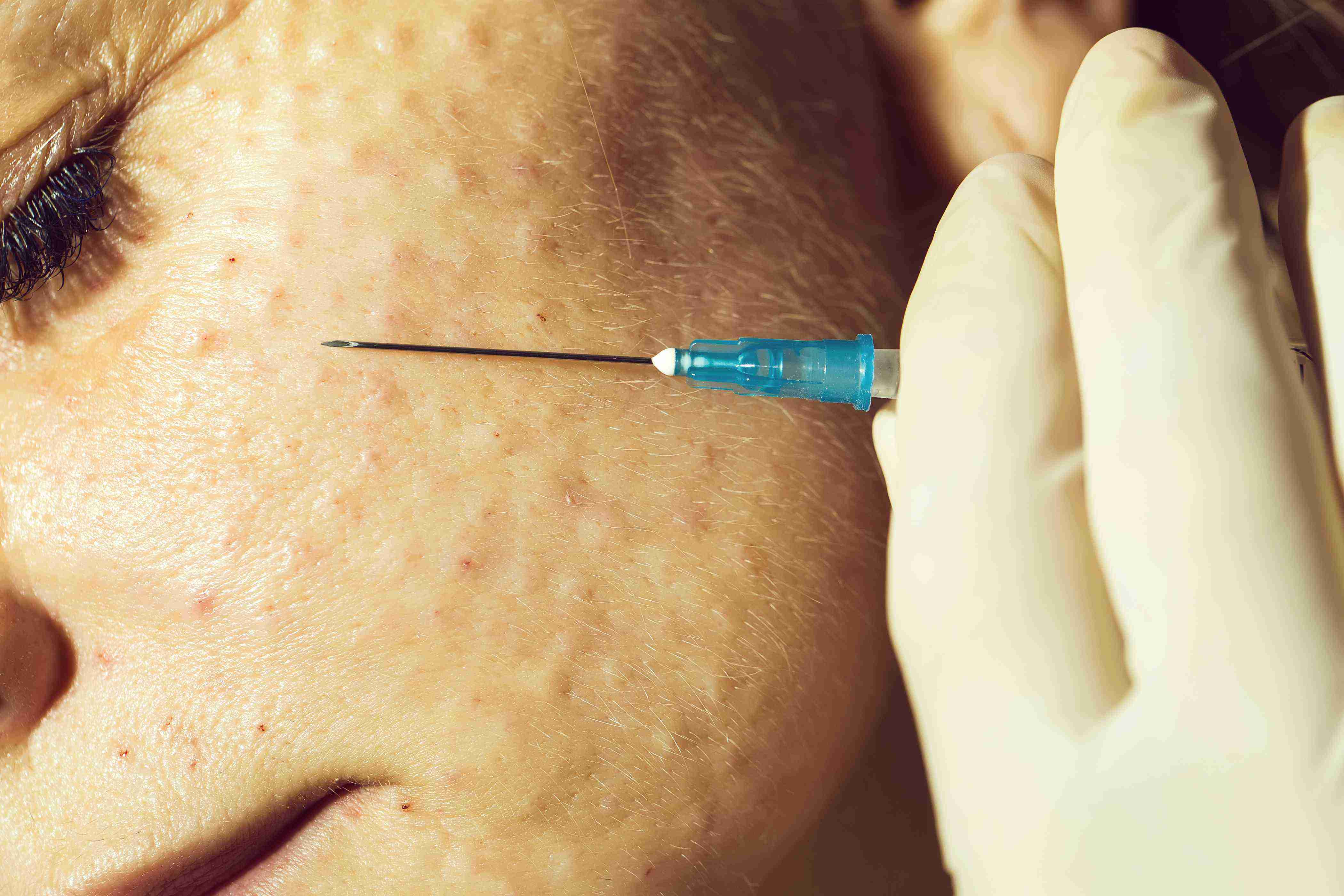
This treatment utilizes microneedling, radiofrequency (RF), and laser therapy to trigger the body’s natural collagen production process. By targeting damaged skin layers, the treatment encourages the growth of new collagen and elastin fibers, which help smooth out scars and improve overall skin texture.
Different acne scar types respond to collagen remodelling in distinct ways. Rolling scars — broad, undulating depressions caused by fibrous tethering — benefit from the collagen-contracting effect that lifts the depressed areas.

Reducing Acne Scars with Collagen Remodellinging
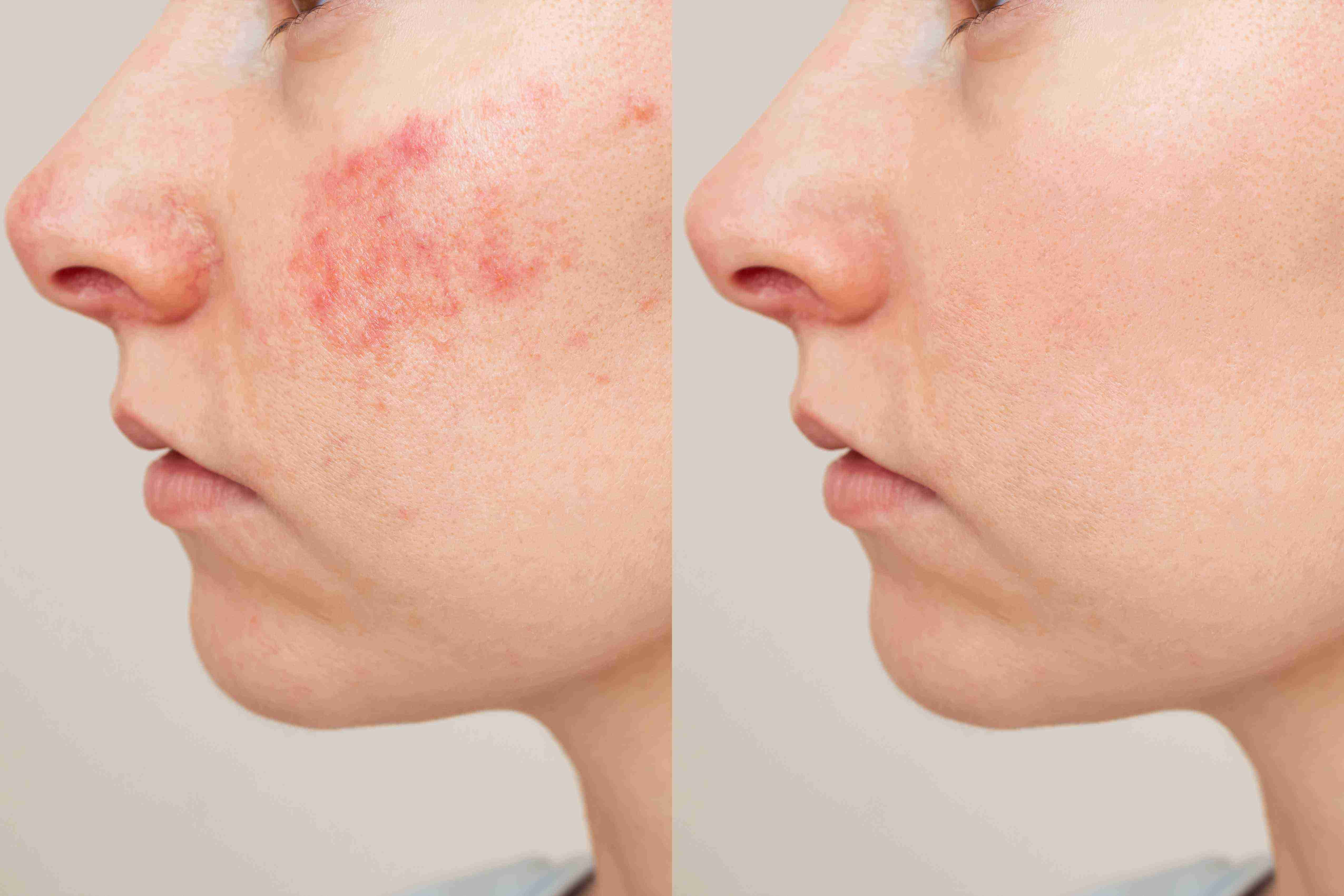
Acne scars form due to deep skin inflammation, collagen loss, and improper healing. Depending on their severity, scars may appear depressed (atrophic scars), raised (hypertrophic scars), or pigmented. Collagen Remodelling Treatment is effective in addressing these concerns by:
At Claire Derma, our collagen remodelling protocol for acne scars uses fractional energy delivery — whether radiofrequency or laser — to create a grid of treated zones within the scar tissue while leaving surrounding skin intact. This fractional approach accelerates healing because the untreated tissue between energy points acts as a reservoir of healthy cells that migrate inward.
Benefits of Collagen Remodelling Treatment
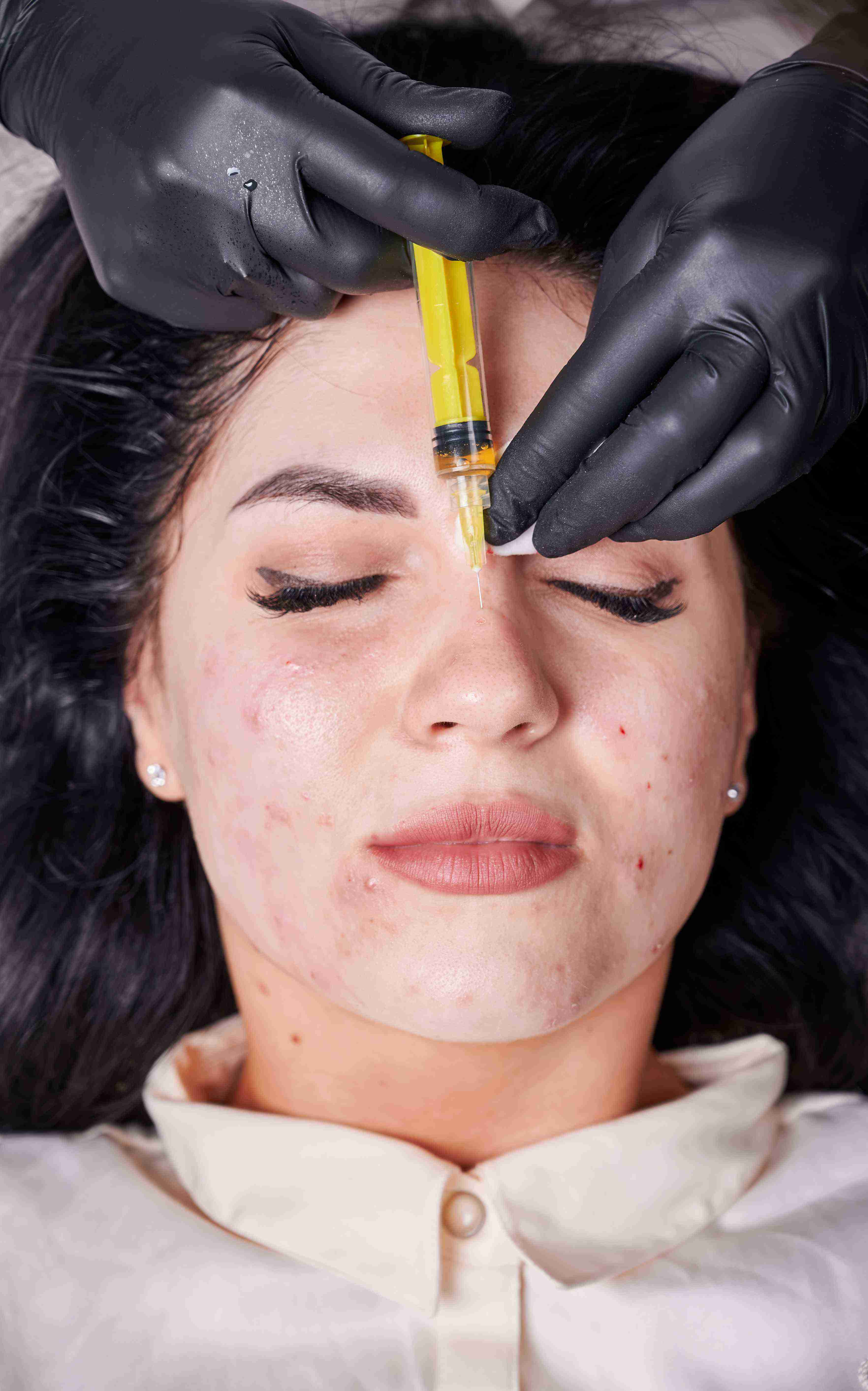
Patients at Claire Derma choose collagen remodelling for acne scars when they want a treatment that works at the structural level of the scar rather than just softening its appearance. The thermal remodelling process physically reorganises the collagen architecture within each scar, creating improvement that is measurable with skin profilometry — not just visually apparent but structurally verified.
Ideal Candidates for the Treatment
This treatment is suitable for individuals who:
Recovery after collagen remodelling for acne scars depends on the modality and energy level used. Fractional radiofrequency typically produces redness and mild swelling for two to four days, with tiny grid-pattern marks from the needle tips that fade within a week. Non-ablative laser creates redness lasting one to three days with minimal swelling. At Claire Derma, our aftercare protocol includes a gentle cleanser, barrier-repair moisturiser, and SPF 50 mineral sunscreen.
The Treatment Process
01
Consultation & Skin Assessment
A specialist evaluates your skin and customizes the treatment plan. Your dermatologist classifies each acne scar by type, depth, and distribution using magnification and cross-lighting. Standardised photographs document the baseline.
02
Pre-Treatment Preparation
The skin is cleansed, and a numbing cream may be applied for comfort. Topical anaesthetic cream is applied to the treatment area 30 to 40 minutes before the session. The skin is thoroughly cleansed and degreased. If fractional radiofrequency is being used, a thin layer of conductive gel is applied.
03
Collagen Stimulation Procedure
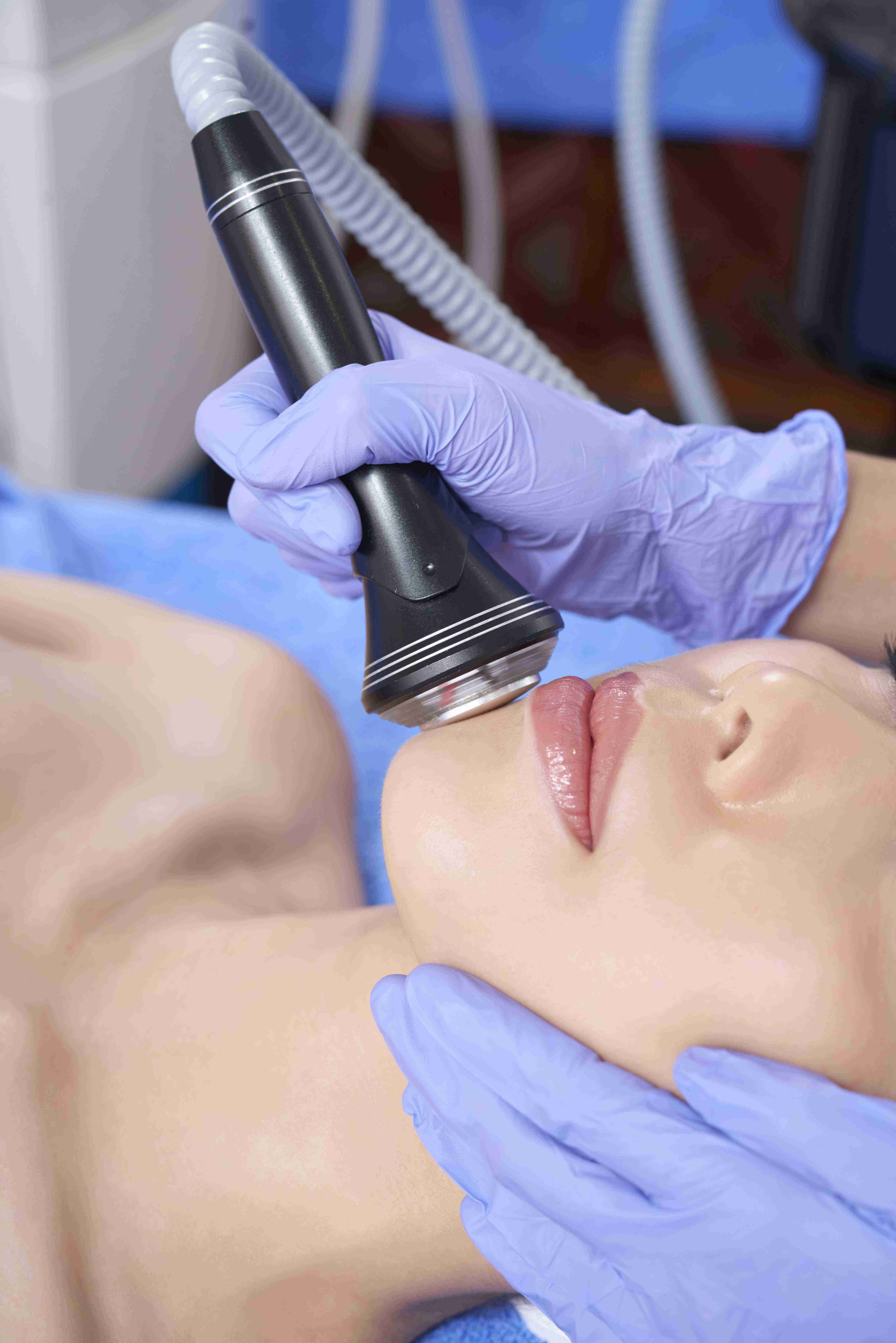
Microneedling, laser therapy, or RF energy is used to trigger collagen production. The device delivers fractional energy across the scarred areas in systematic passes. Your dermatologist adjusts depth and power settings for each scar type — higher energy for deep boxcar scars, more conservative settings for shallow rolling scars. Dense scarring zones receive overlapping passes.
04
Post-Treatment Care
Mild redness or sensitivity may occur but usually resolves within 24–48 hours. Sun protection and hydration are essential for the best results. A calming serum and barrier cream are applied immediately after treatment. Redness and mild swelling peak within the first 24 hours and resolve over two to four days. We provide a post-care kit and schedule a review at two weeks to assess healing.
Expected Results & Recovery

Results start appearing within 2–4 weeks, with continuous enhancement over 3–6 months.
Redness and mild sensitivity typically subside within a couple of days.
With proper care, skin continues improving as collagen rebuilds over time.
Got Questions?We've Got Answers
Find answers to the most common questions about our treatments, procedures, and recovery process. If you can't find what you're looking for, our support team is always here to help.
While it significantly reduces the appearance of scars, deep scars may not disappear entirely but will become much less noticeable.
Most individuals need 3–6 sessions spaced 4–6 weeks apart for optimal results.
Yes, it works on both new and old scars, stimulating fresh collagen growth to smooth the skin.
Some mild peeling or flaking may occur as the skin regenerates, but this is temporary and part of the healing process.
While it does not directly treat acne, it reduces post-acne scars and improves overall skin health, which may help prevent future breakouts.
Yes, but individuals with sensitive or darker skin tones should consult with a dermatologist to determine the best approach.
Initial improvements appear within a few weeks, with full results developing over 3–6 months as collagen continues to rebuild.
With good skincare and sun protection, results can last 1–2 years, though maintenance treatments may be recommended for deeper scars.
Neither is universally better — they work through different mechanisms and often complement each other. Microneedling creates mechanical micro-injuries to trigger wound healing, while collagen remodelling uses thermal energy to contract and reorganise existing scar collagen.
Most patients with moderate acne scarring require four to six sessions spaced four to six weeks apart. Mild scarring may respond in three sessions, while severe or deep ice pick scars often need six or more, sometimes combined with subcision. At Claire Derma, we assess progress at every session and adjust the plan as needed.
Yes. At Claire Derma, we use fractional radiofrequency with insulated microneedles for darker skin tones because this technology delivers thermal energy below the skin surface without heating the epidermis where melanocytes sit. This dramatically reduces the risk of post-inflammatory hyperpigmentation that ablative lasers can cause in Fitzpatrick types IV to VI.
Temporary swelling and redness after treatment can make scars appear more prominent for one to three days. This is a normal inflammatory response and resolves quickly. Some patients also notice tiny grid marks from the fractional device, which fade within five to seven days. By one week post-treatment, most patients look normal or slightly better than baseline due to the early collagen contraction effect.