

Introduction to Collagen Remodellinging
Collagen is an essential protein that maintains skin elasticity and strength. However, factors such as pregnancy, rapid weight fluctuations, and growth spurts can overstretch the skin, leading to stretch marks. Collagen Remodelling Treatment stimulates collagen production to help repair and reduce the appearance of stretch marks, restoring smoother, firmer skin.
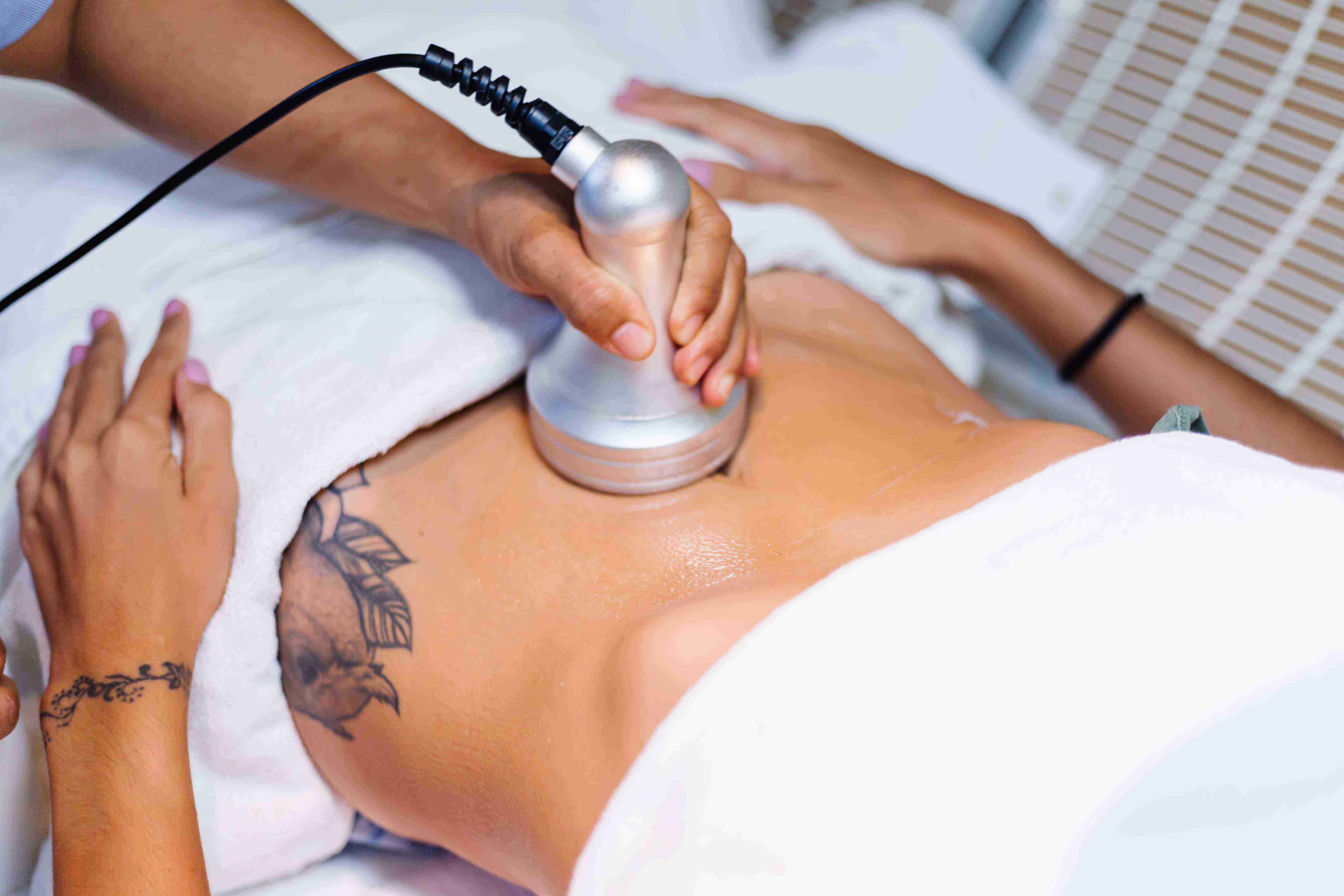
Stretch marks persist because the collagen and elastin fibres torn during rapid skin expansion heal in a disorganised, scar-like pattern that lacks the tensile strength and thickness of normal dermis. Collagen remodelling therapy targets this structural deficiency using controlled energy delivery — typically radiofrequency, ultrasound, or specialised laser wavelengths — to heat the damaged dermal layer to precise temperatures between 55 and 65 degrees Celsius.
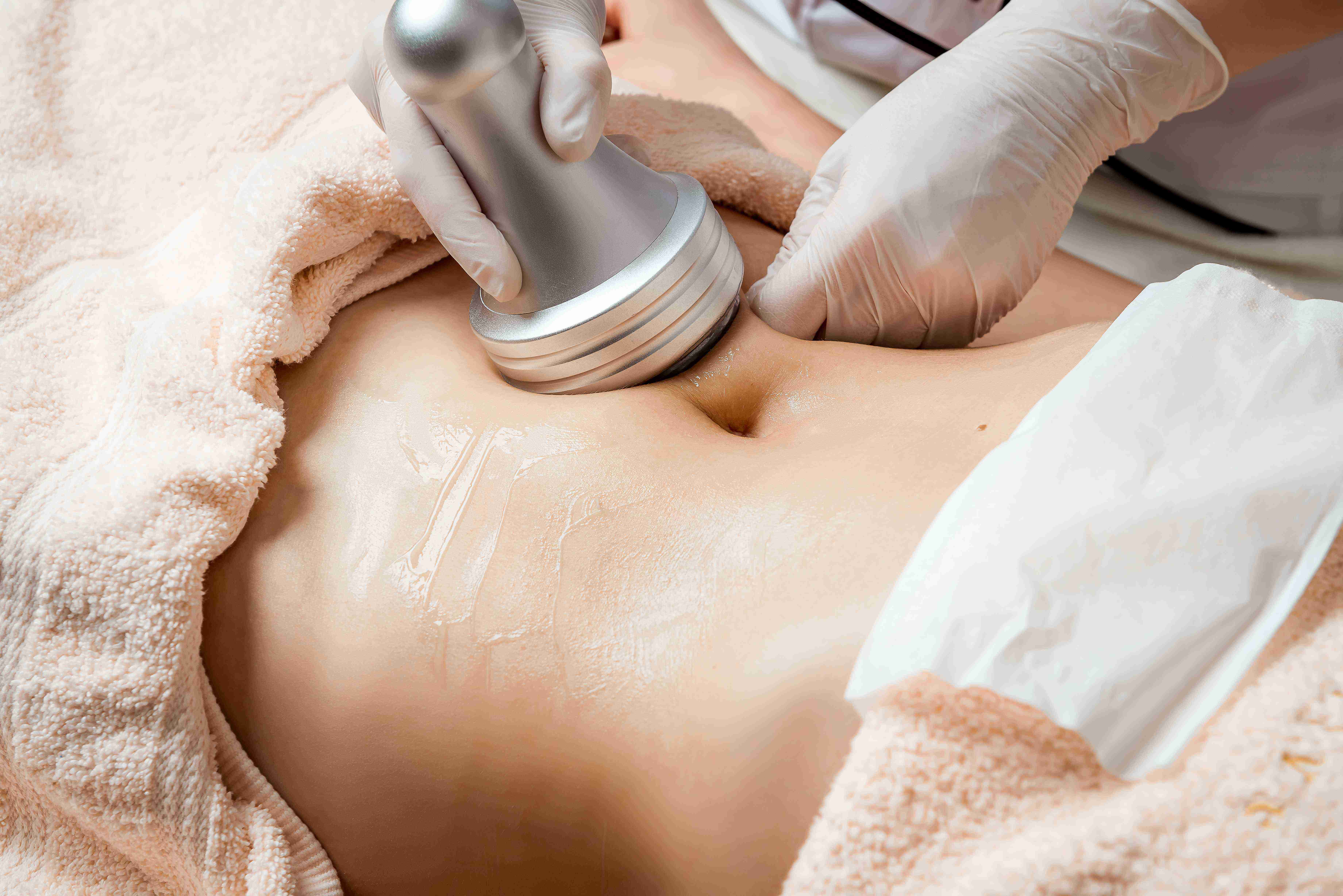
How Collagen Remodellinging Works
This treatment uses advanced techniques such as microneedling, radiofrequency, and laser therapy to trigger the skin’s natural repair process. By stimulating fibroblasts, new collagen and elastin fibers are produced, improving skin texture and reducing stretch mark visibility over time.
Collagen remodelling addresses stretch marks differently depending on whether they are new or mature. Red and purple striae rubrae still contain blood vessels and active inflammatory signals, so the thermal stimulus from collagen remodelling adds to an already active healing environment. These marks often show visible improvement after just two sessions.

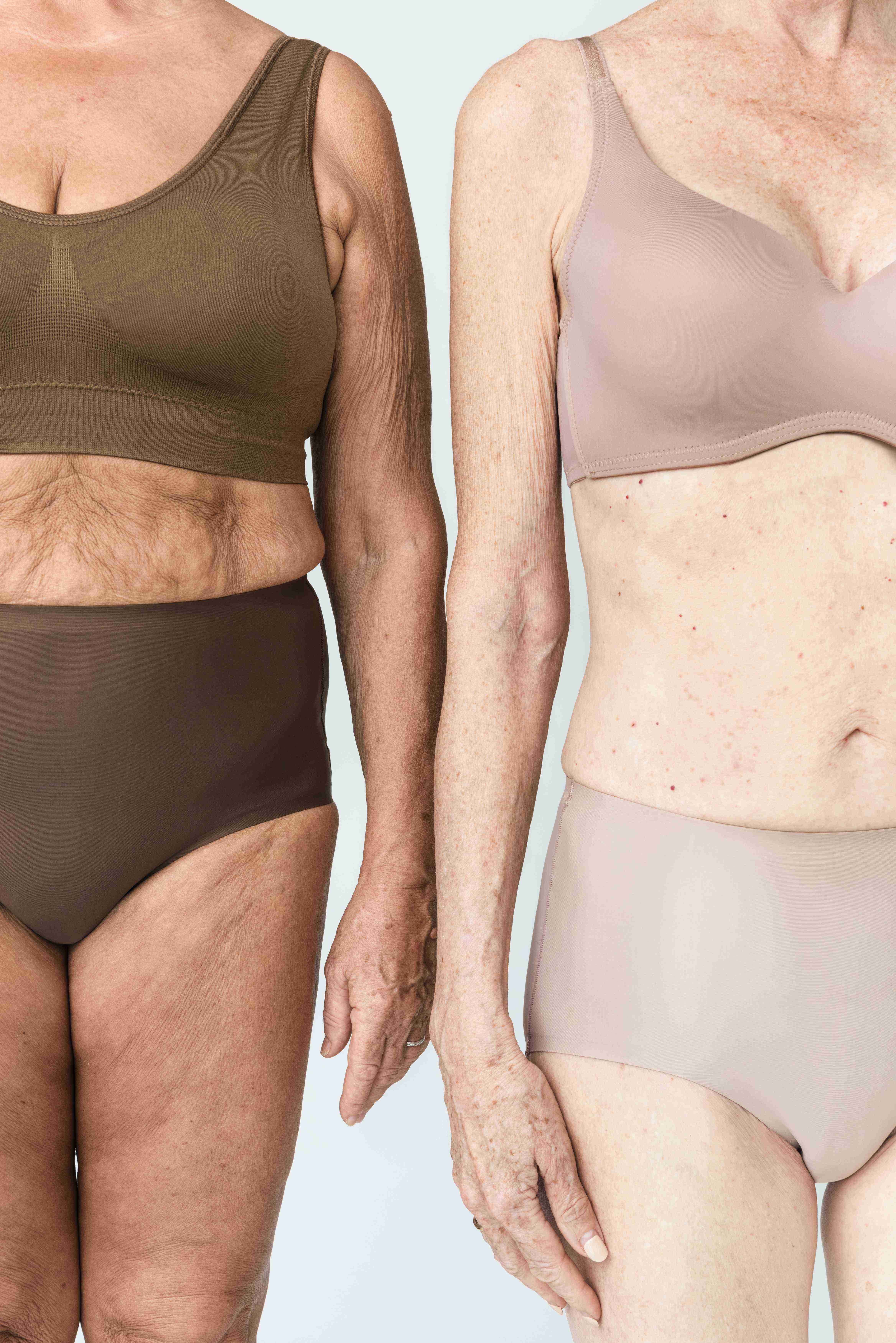
Treating Stretch Marks with Collagen Remodellinging
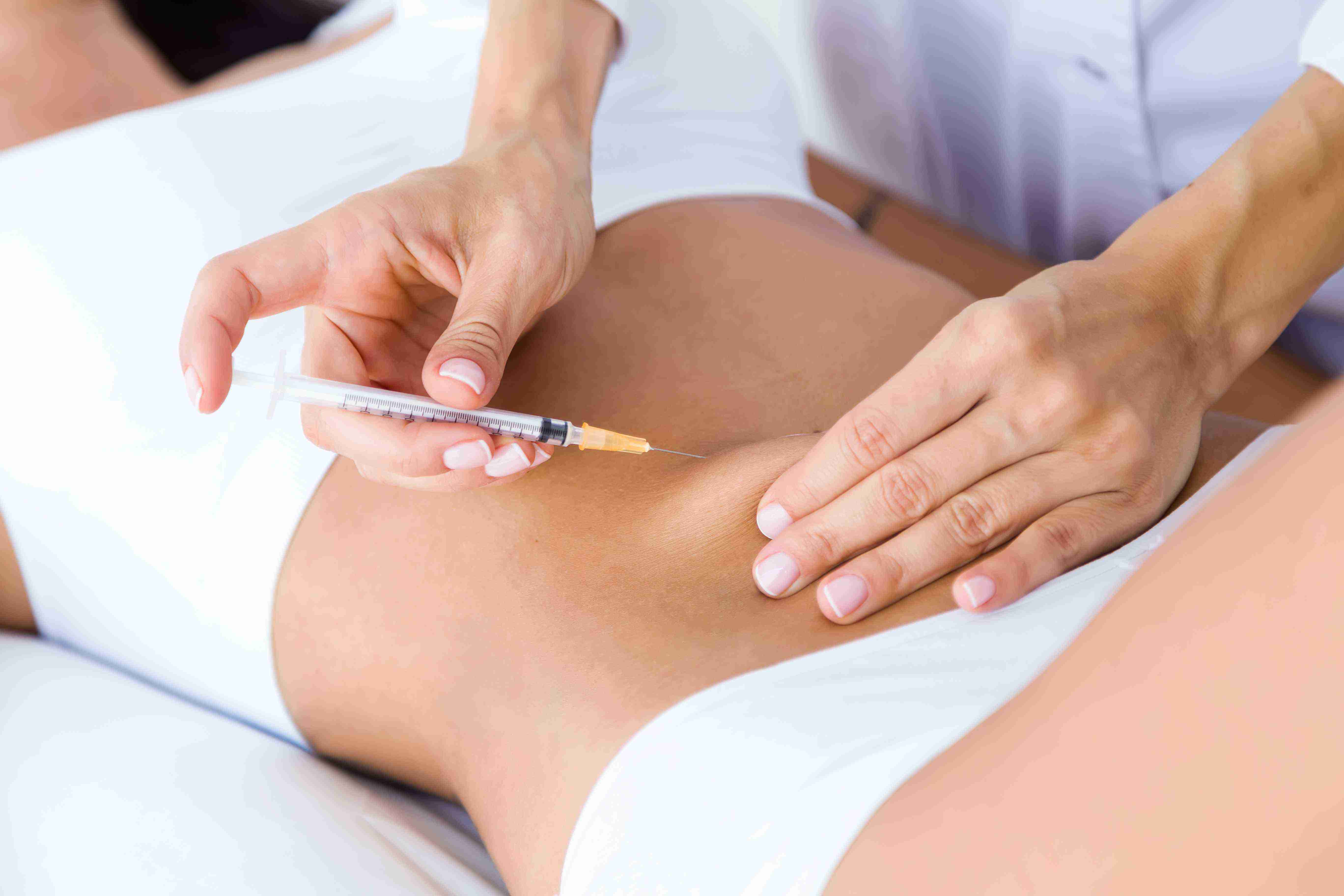
Stretch marks develop when the skin stretches beyond its capacity, causing microscopic tears in the dermis. Collagen remodeling can help by:
Collagen remodelling sessions for stretch marks at Claire Derma follow a protocol designed for body skin, which is thicker than facial skin and requires higher energy to achieve adequate dermal heating. We use devices with integrated temperature monitoring that track the tissue's thermal response in real time, preventing overheating while keeping the target temperature sustained long enough to trigger fibroblast.
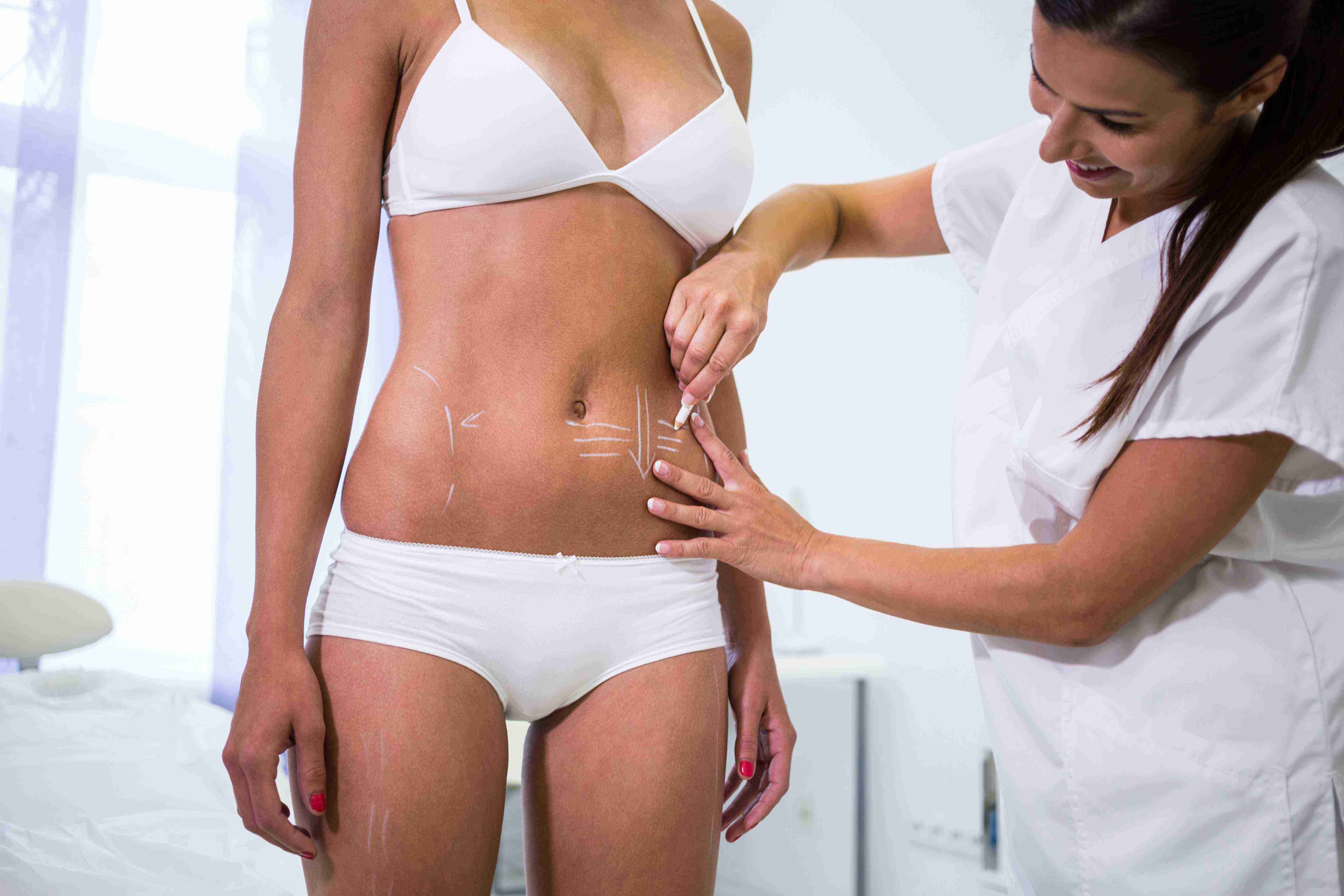
Benefits of Collagen Remodelling Treatment
The advantage of collagen remodelling over topical treatments for stretch marks is that it acts at the structural level where the damage actually exists. No cream can reorganise torn dermal collagen or contract existing fibres — these processes require either mechanical or thermal stimulation that reaches the mid-dermis.
Ideal Candidates for the Treatment
This treatment is ideal for individuals who:
After a collagen remodelling session for stretch marks, expect mild redness and warmth in the treated area that subsides within 24 to 72 hours. Some patients experience light swelling that resolves by day two. The treated skin may feel slightly rough or dry for a few days as the superficial layers turn over. Our team at Claire Derma provides a post-treatment moisturiser with ceramides and a broad-spectrum SPF 50 sunscreen for exposed areas.
The Treatment Process
01
Consultation & Skin Assessment
Your dermatologist will evaluate your skin and determine the best treatment approach. Your dermatologist examines the age, depth, colour, and location of your stretch marks. We photograph the area under standardised conditions and assess your skin type to select the appropriate energy modality — radiofrequency, ultrasound, or non-ablative laser.
02
Preparation
The target area is cleansed, and a numbing cream may be applied. The treatment area is cleansed thoroughly. Depending on the modality selected, a conductive gel may be applied to facilitate energy delivery. Topical anaesthetic is used for fractional radiofrequency treatments where pin-based delivery occurs, applied 30 to 40 minutes before the session begins.
03
Collagen Stimulation
Microneedling, laser therapy, or radiofrequency energy is used to trigger collagen production. Energy is delivered across the stretch marks in systematic passes with real-time temperature monitoring. Your dermatologist adjusts power settings based on your comfort and the tissue's thermal response.
04
Recovery & Aftercare
Mild redness and sensitivity may occur but subside within days. Hydration and sun protection are recommended. A cooling gel and barrier cream are applied immediately after treatment. Mild redness fades within one to three days. We advise gentle moisturising twice daily and strict sun protection for two weeks.
Expected Results & Recovery

Noticeable results appear in a few weeks, with continued improvement over 3–6 months.
Most people resume normal activities within 24–48 hours.
With proper skincare, results can last for years.
Got Questions?We've Got Answers
Find answers to the most common questions about our treatments, procedures, and recovery process. If you can't find what you're looking for, our support team is always here to help.
Most patients experience mild discomfort, but numbing creams help minimize pain.
Typically, 3–6 sessions spaced a few weeks apart yield the best results.
Yes! Collagen remodeling pairs well with chemical peels, PRP therapy, and hydrating facials for enhanced results.
Minimal downtime; some redness or swelling may last a few hours to a couple of days.
Pregnant women, individuals with active skin infections, or those with certain medical conditions should consult their dermatologist before proceeding.
Microneedling creates mechanical micro-injuries using fine needles to trigger a wound-healing response, while collagen remodelling uses thermal energy — from radiofrequency, ultrasound, or laser — to heat and contract existing collagen while stimulating new production. Collagen remodelling produces an immediate tightening effect that microneedling does not, and it can target specific dermal depths with precision.
Yes, with appropriate device selection. At Claire Derma, we choose modalities that are safe for Fitzpatrick skin types IV to VI. Non-ablative lasers at 1540 nm and radiofrequency devices carry lower pigmentation risk than ablative lasers because they spare the epidermis where melanocytes sit.
Yes. Even long-established white stretch marks respond to collagen remodelling, though they require more sessions and patience compared to newer marks. The thermal energy still activates fibroblasts within the old scar tissue, prompting them to produce new collagen. At Claire Derma, we typically plan six to eight sessions for mature striae and set expectations that improvement develops gradually over several months.
Collagen remodelling can safely treat stretch marks anywhere on the body, including the abdomen, thighs, hips, buttocks, upper arms, shoulders, breasts, and lower back. At Claire Derma, the most commonly treated areas are the abdomen after pregnancy and the thighs and hips from weight fluctuation or growth.