
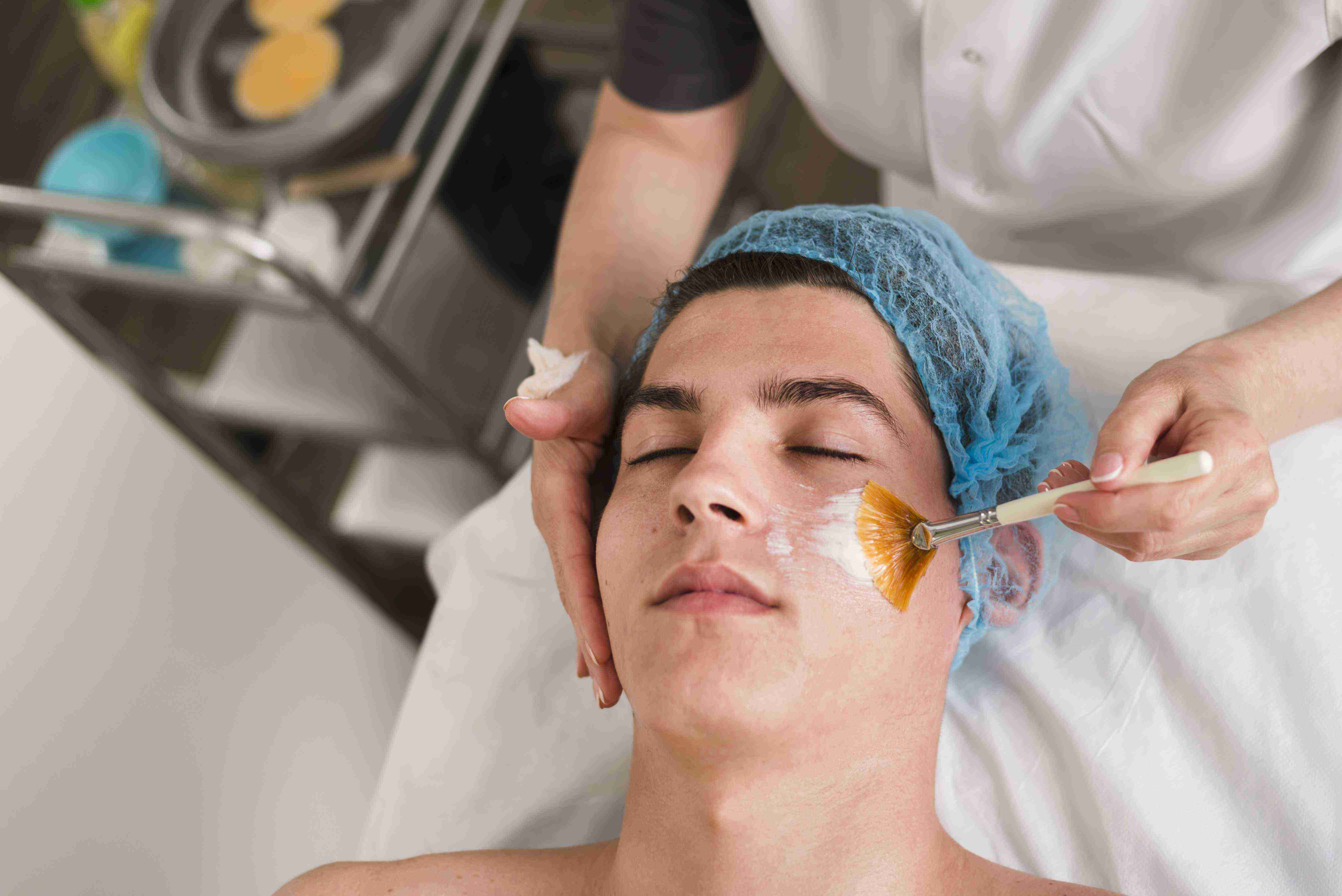
Introduction to Medium to Deep Chemical Peels
Acne can be persistent and difficult to manage, especially when it leads to scarring, inflammation, and deep breakouts. Medium to deep chemical peels offer an advanced treatment option that targets severe acne, clogged pores, and post-inflammatory hyperpigmentation. These peels penetrate deeper into the skin layers, effectively removing damaged skin cells, regulating oil production, and stimulating skin renewal for a clearer, smoother complexion. Medium to deep peels use stronger exfoliating agents such as trichloroacetic acid (TCA), phenol, or high-strength salicylic acid to reach the mid to lower dermis, making them effective for stubborn acne, deep scars, and long-term skin rejuvenation.
Effective cyst and lipoma removal at Claire Derma means complete excision of the growth including its capsule or sac wall, which is the single most important factor in preventing recurrence. Epidermoid cysts contain a keratin-filled sac lined by squamous epithelium — if any portion of that lining is left behind during removal, the cyst will almost certainly refill over the following months.
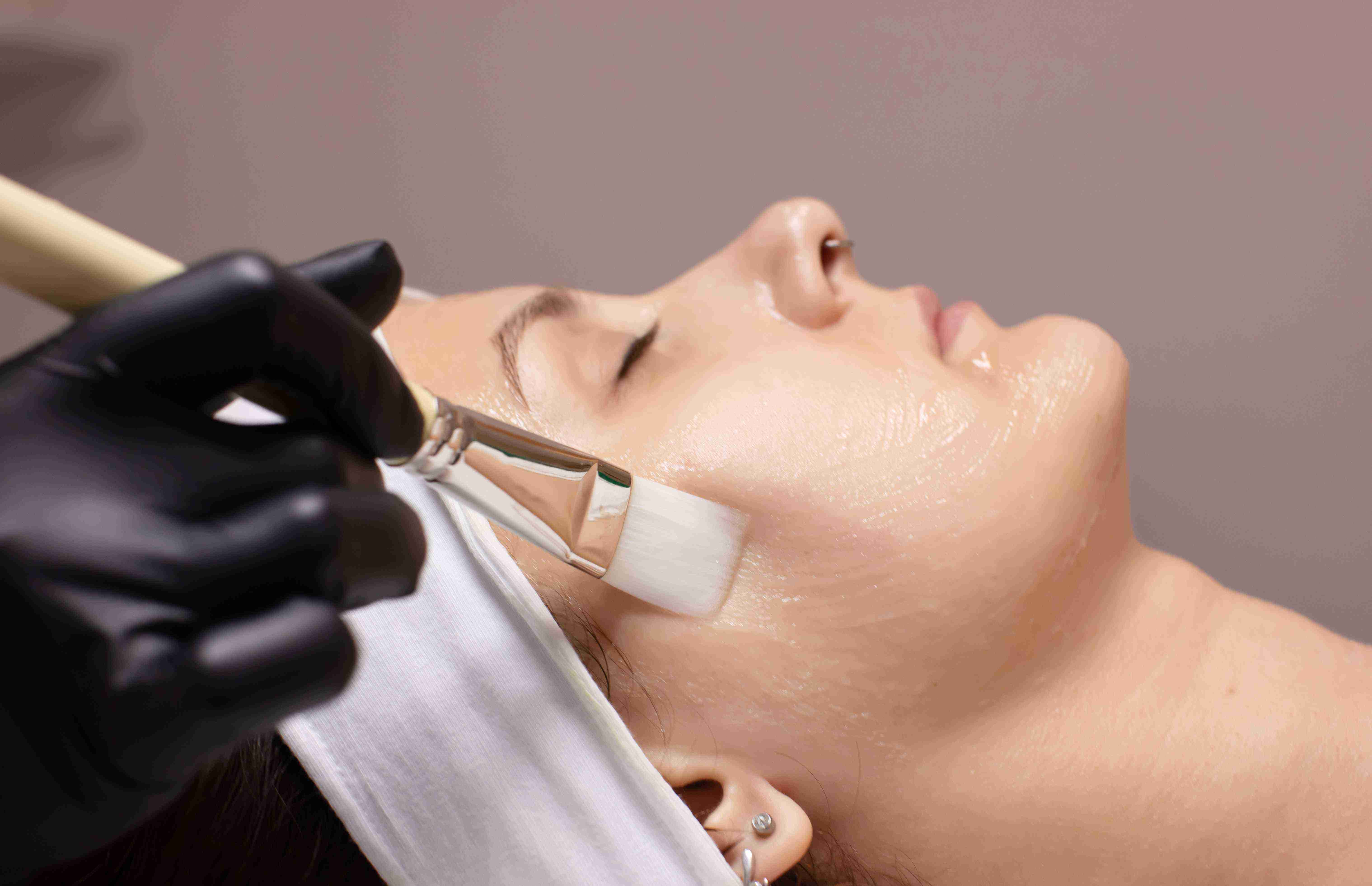
How Medium to Deep Chemical Peels Work
These peels work by deeply penetrating the skin to:

Accurate pre-operative diagnosis guides the surgical approach. At Claire Derma, we differentiate between epidermoid cysts, pilar cysts, dermoid cysts, and lipomas based on clinical examination and, when needed, ultrasound imaging. Epidermoid cysts have a visible central punctum and are tethered to the overlying skin, while lipomas are mobile, soft, and sit deeper in the subcutaneous fat.
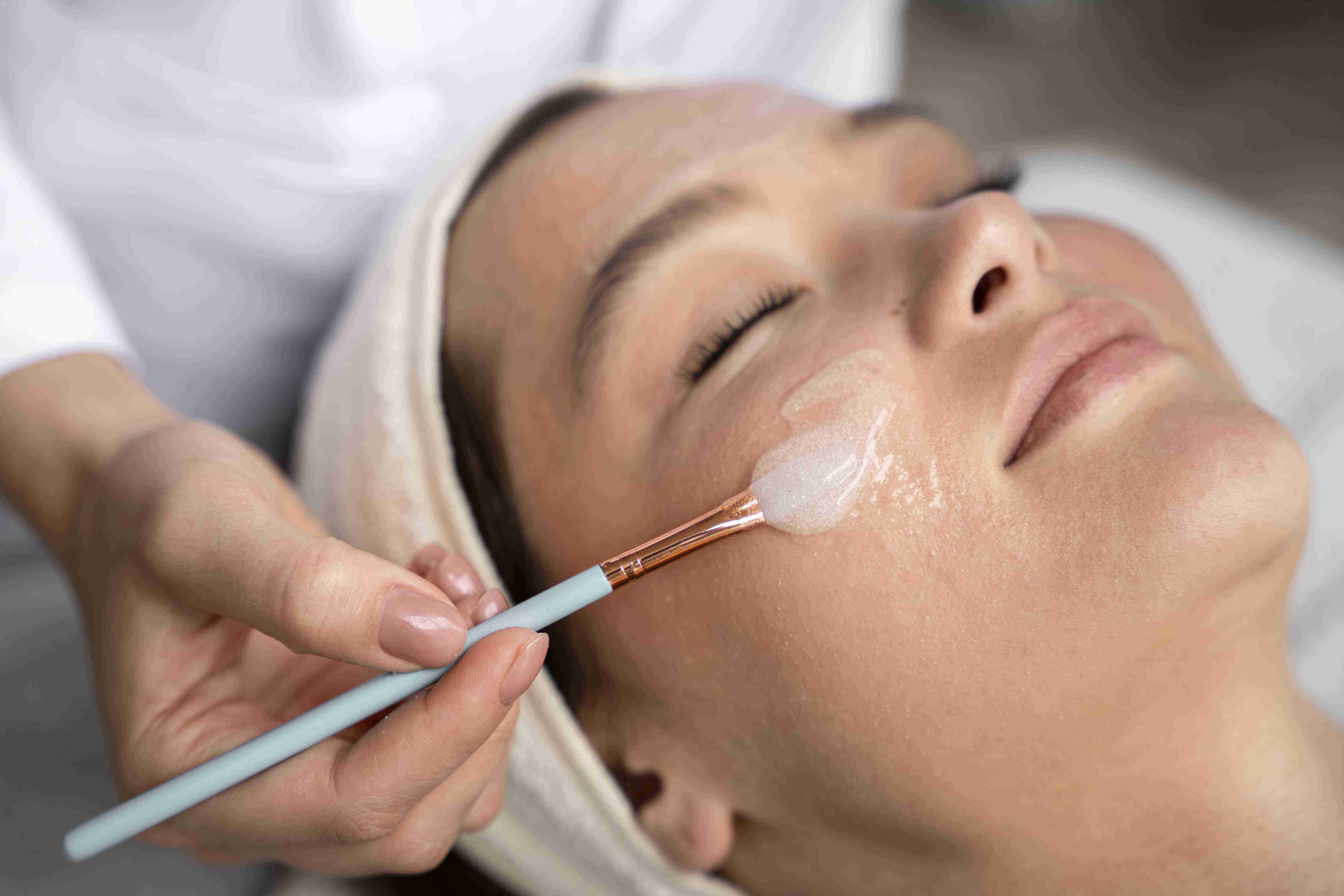
Treating Acne with Medium to Deep Chemical Peels
Surgical technique at Claire Derma is tailored to the growth type and size. Epidermoid cysts are removed through an elliptical incision that includes the punctum and a thin cuff of attached skin, followed by blunt dissection to enucleate the sac intact.
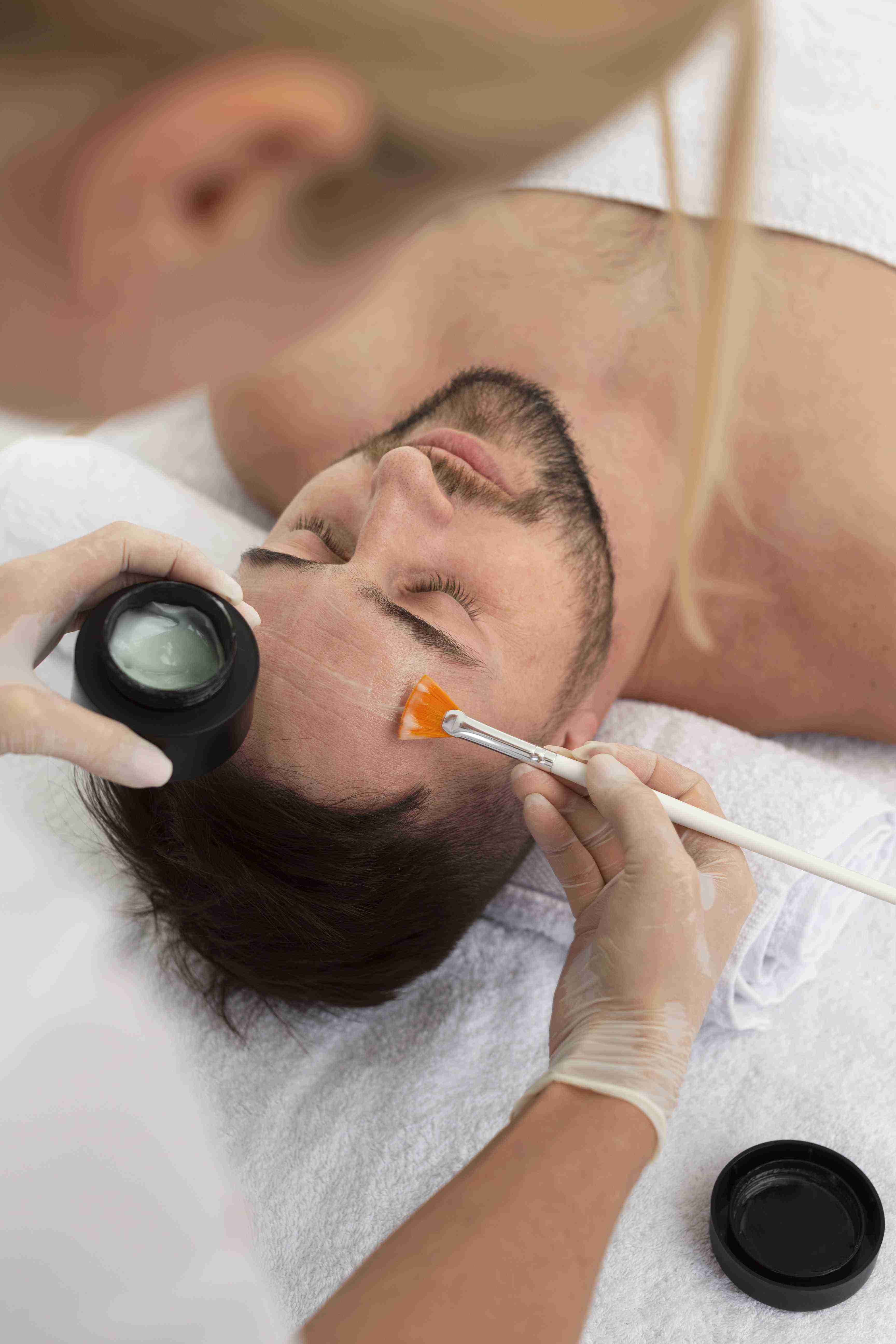
Benefits of Medium to Deep Peels for Acne
Professional excision at Claire Derma delivers results that aspiration, steroid injection, and watchful waiting cannot. Aspirating a cyst with a needle removes the fluid content temporarily but leaves the sac lining intact, guaranteeing recurrence. Similarly, lipomas do not respond to injection therapy — they are structural growths that require physical removal.
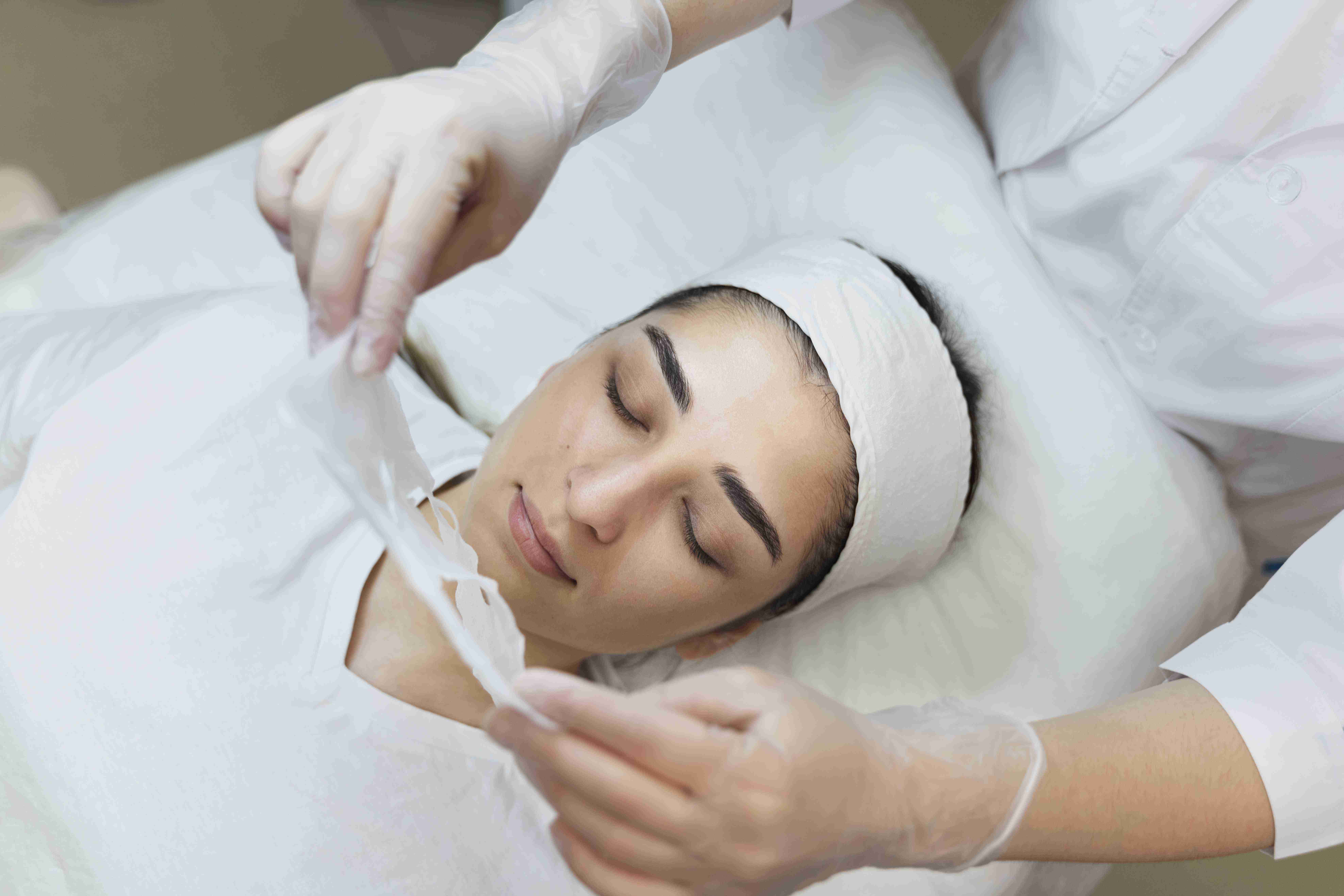
Ideal Candidates for the Treatment
This treatment is ideal for individuals who:
Post-operative care after cyst or lipoma removal at Claire Derma focuses on wound protection and dead-space management. A pressure dressing is worn for 24 to 48 hours to reduce the risk of haematoma in the cavity left by the growth. After this period, the dressing is replaced with a lighter non-adherent pad.
The Treatment Process
01
Consultation & Skin Analysis
The dermatologist assesses acne severity and selects the best peel formulation. Your dermatologist examines the lump through palpation, transillumination, and dermoscopy. Ultrasound may be ordered for deeper or larger growths. The type, size, and depth are determined, and a surgical plan is outlined including incision approach, anaesthesia method, and expected recovery timeline.
02
Preparation
The skin is cleansed, and protective measures are taken for sensitive areas. The overlying skin is cleaned with chlorhexidine and draped with a sterile field. Local anaesthesia — lidocaine with adrenaline — is injected around the growth. For larger lipomas or anxious patients, a ring block or field block provides broader coverage.
03
Peel Application
A customized medium or deep peel solution is applied for controlled penetration. The incision is made and the growth is dissected free from surrounding tissue using blunt technique. Cyst sacs are delivered intact whenever possible. Lipomas are expressed through minimal incisions with finger dissection.
04
Neutralization & Post-Treatment Care
The peel is neutralized, and a soothing recovery serum is applied. A pressure dressing is applied and worn for 24 to 48 hours. Sutures are removed at the scheduled interval based on body site. Histopathology results are reviewed at the follow-up visit.
Expected Results & Recovery

Visible improvements after one session, with further refinement over multiple treatments.
Fewer blemishes, reduced scarring, and an even complexion.
Expect peeling and skin sensitivity for 5–7 days.
With proper maintenance, results can last several months.
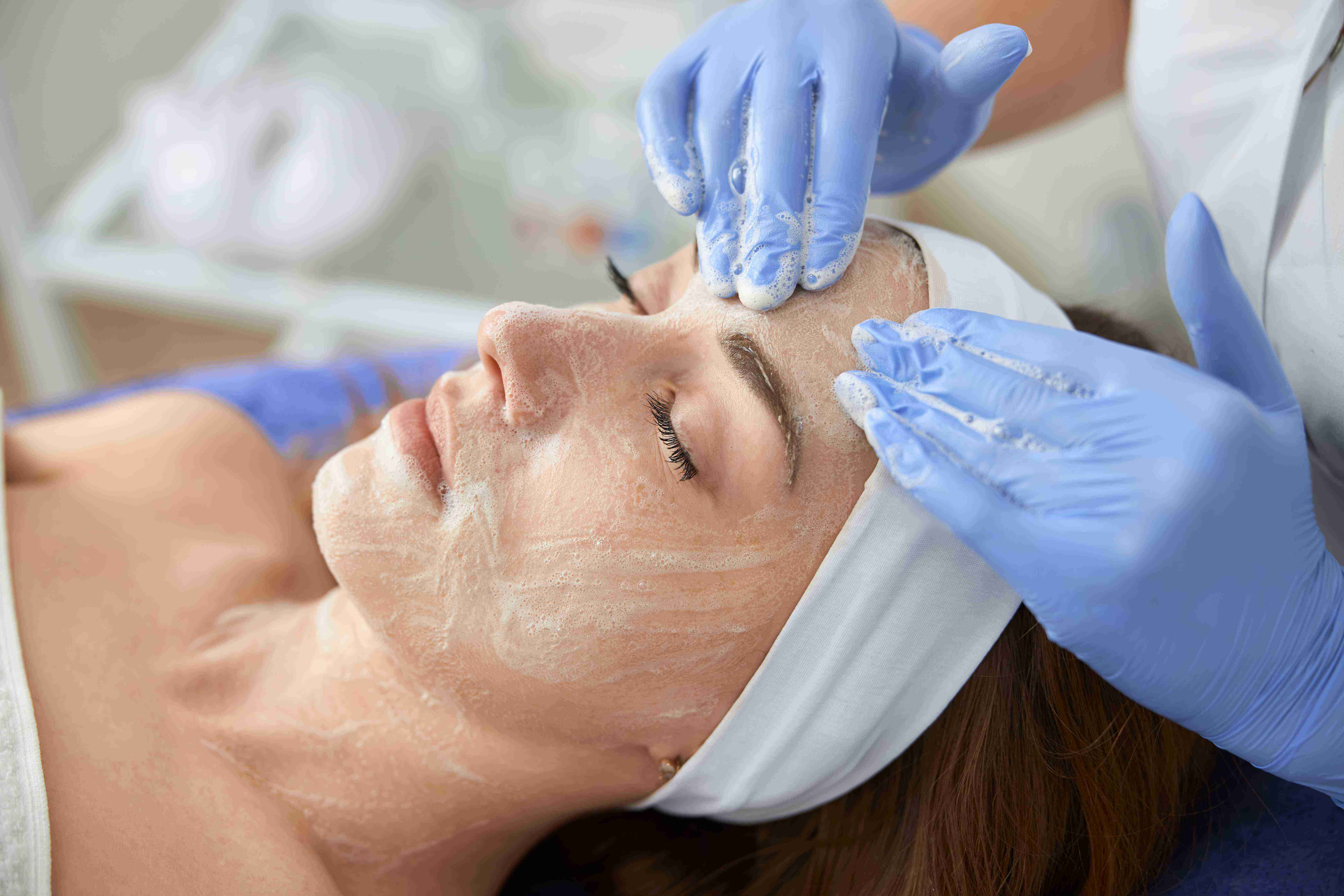
Got Questions?We've Got Answers
Find answers to the most common questions about our treatments, procedures, and recovery process. If you can't find what you're looking for, our support team is always here to help.
Typically, 3–6 sessions, spaced 4–6 weeks apart, yield the best results.
Patients may feel a warm or stinging sensation, but discomfort is manageable.
Peeling and flaking can last between 5–10 days, depending on peel strength.
It significantly reduces acne and breakouts, but maintenance treatments and a proper skincare routine are essential.
Sun exposure must be strictly avoided for at least a week, and broad-spectrum sunscreen is mandatory.
An epidermoid cyst is a sac filled with keratin — a cheese-like material produced by the sac's squamous epithelial lining. It is usually tethered to the overlying skin and may have a visible central pore. A lipoma is a soft, encapsulated collection of fat cells that sits deeper in the subcutaneous tissue and moves freely under the skin.
Draining a cyst with a needle or small incision provides temporary relief but does not remove the sac lining. Because the epithelial wall remains intact beneath the skin, the cyst will refill — often within weeks to months.
For cysts, the incision is typically an ellipse slightly longer than the cyst's diameter, because the overlying skin including the punctum must be removed with the sac. For lipomas, our minimal-incision technique uses an opening of one to two centimetres regardless of the lipoma's size — the soft capsule is squeezed through the small opening.
Some patients are predisposed to developing multiple cysts or lipomas over their lifetime. Conditions like Gardner syndrome, familial lipomatosis, and steatocystoma multiplex involve recurrent growth formation. Removing one cyst or lipoma does not cause new ones to appear, but it also does not prevent the underlying tendency.