
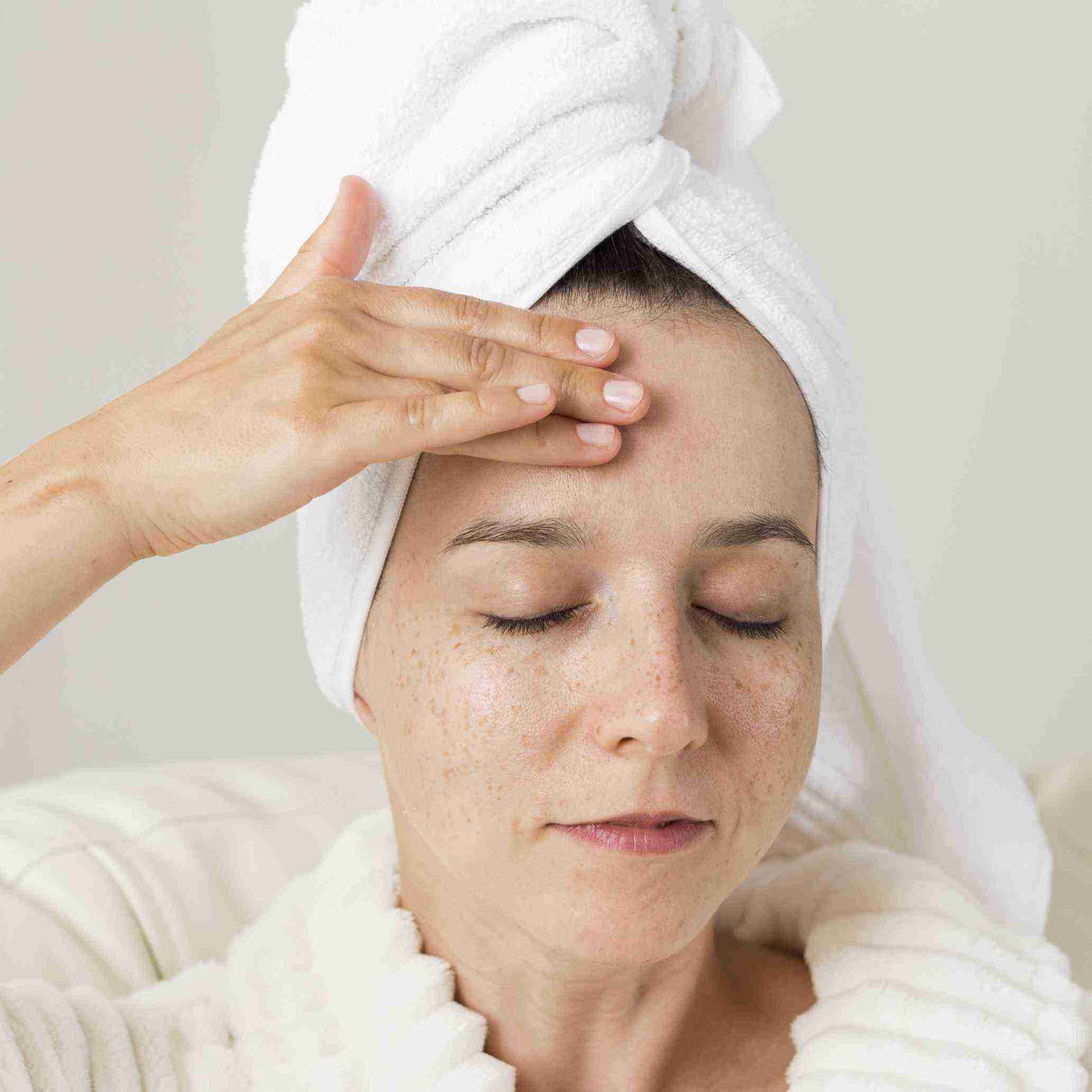
Introduction to Superficial to Medium Chemical Peels
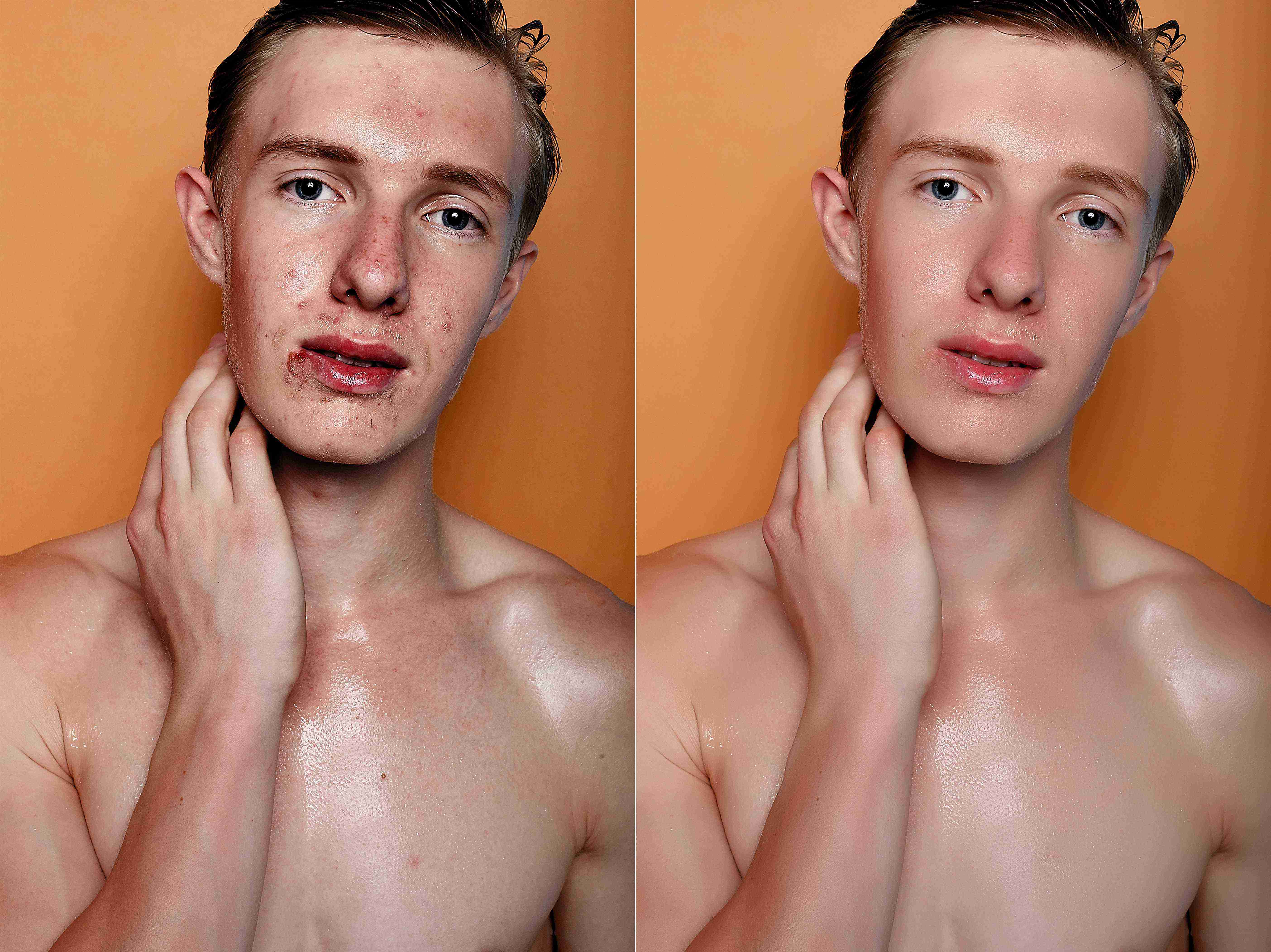
Acne is a common skin condition caused by clogged pores, excess oil production, bacteria, and inflammation. It often leads to pimples, blackheads, whiteheads, and cystic breakouts, which can result in long-term scarring if untreated. Superficial to medium chemical peels are an effective solution for active acne and post-acne marks. These peels work by exfoliating the top layers of the skin, unclogging pores, and reducing oil production, leading to a clearer complexion and fewer breakouts over time.
Minimising the scar from cyst and lipoma removal is a priority at Claire Derma because patients deserve both a permanent solution and a cosmetically acceptable result. Traditional wide excision produces unnecessarily long scars relative to the growth's actual size. Our dermatologists use advanced techniques — minimal-incision extraction for lipomas and punch excision for smaller cysts — that achieve complete removal through openings far smaller than the growth itself.
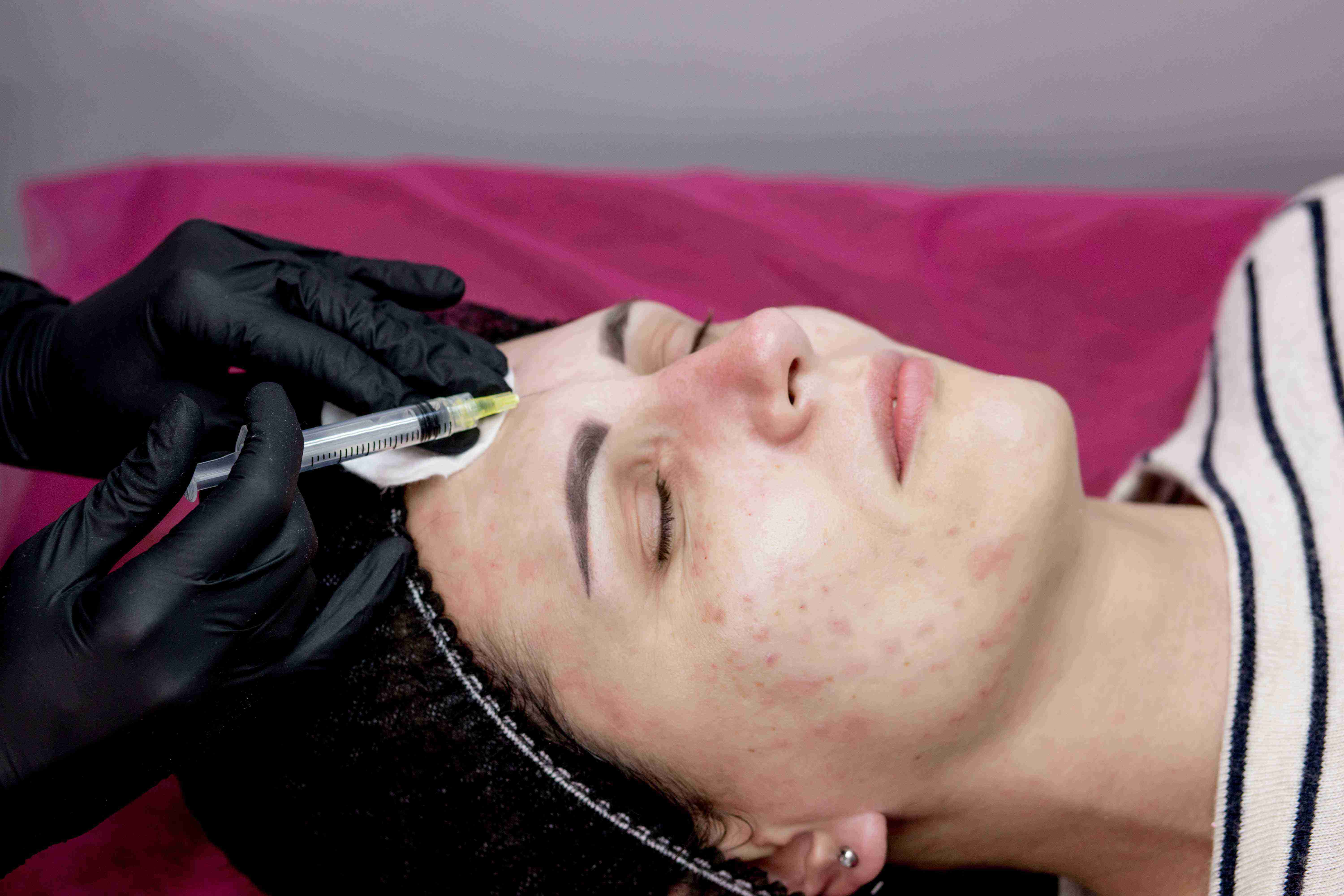
How Superficial to Medium Chemical Peels Work
This treatment targets acne and skin congestion by:

Pre-operative planning for minimal-scar removal requires precise knowledge of the growth's size, depth, and relationship to the overlying skin. At Claire Derma, every patient undergoes clinical examination with palpation to assess mobility, and ultrasound is used when the growth exceeds two centimetres or sits deep in the subcutaneous tissue.
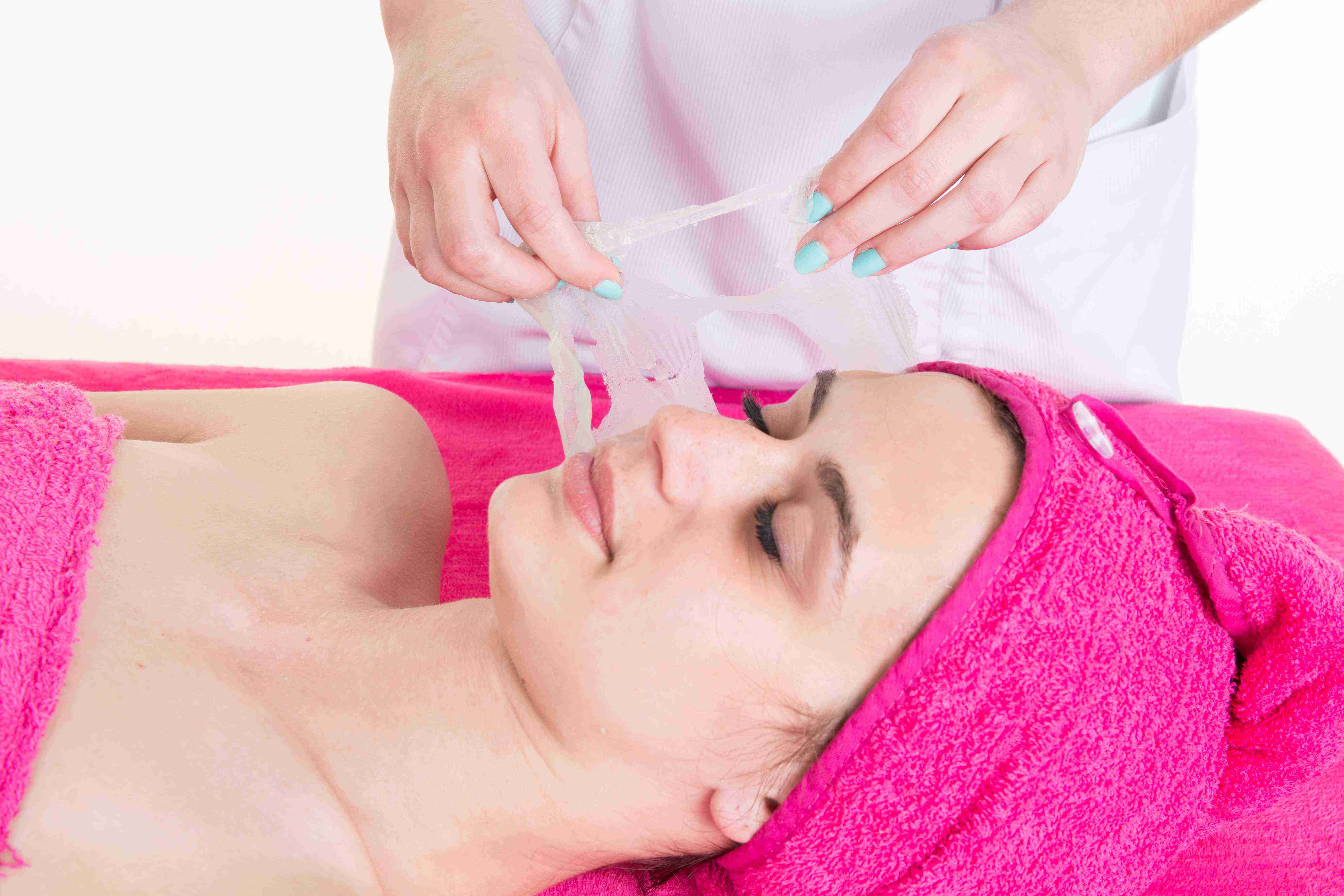
Treating Acne with Superficial to Medium Chemical Peels
Minimal-scar surgical technique at Claire Derma adapts to the specific growth. For epidermoid cysts under two centimetres, a punch excision technique uses a circular biopsy punch to create a small opening over the cyst's punctum. The cyst contents are expressed through this opening, and the deflated sac is then extracted with fine forceps.
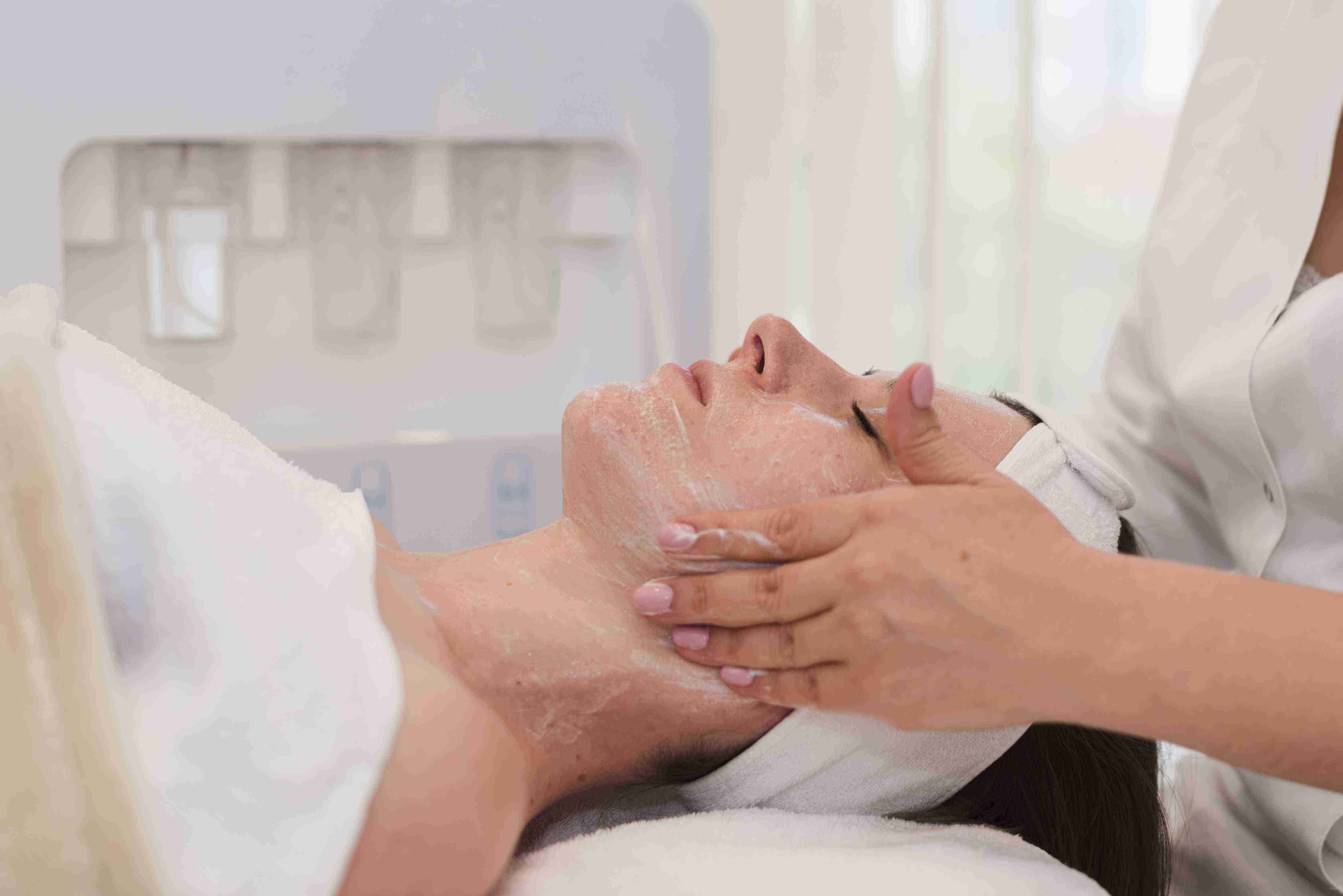
Benefits of Chemical Peels for Acne
Choosing minimal-scar removal at Claire Derma means patients get a definitive outcome without a disproportionate surgical footprint. The growth is gone permanently, the diagnosis is confirmed by histopathology, and the scar is smaller than most patients expect.
Ideal Candidates for the Treatment
This treatment is ideal for individuals who:
Aftercare for minimal-scar procedures at Claire Derma begins with a light pressure dressing worn for 24 hours to prevent haematoma formation in the residual cavity. After this, the wound is cleaned daily with saline or a gentle cleanser and covered with a simple non-adherent dressing. Avoid lifting heavy objects or performing strenuous upper-body exercise for seven to ten days — increased blood pressure can cause bleeding into the cavity.
The Treatment Process
01
Consultation & Skin Analysis
The dermatologist assesses acne severity and determines the best peel type. Your dermatologist examines the growth by palpation and may arrange ultrasound imaging for deeper or larger lumps. The type, size, capsular integrity, and prior treatment history are documented.
02
Preparation
The skin is cleansed to remove oil and impurities before the treatment. The overlying skin is cleaned with chlorhexidine and a sterile drape is applied. Local anaesthesia with buffered lidocaine and adrenaline is injected around the growth.
03
Peel Application
A customized chemical peel is applied and left on for controlled exfoliation. The incision is made and the growth is dissected free using blunt technique. Cyst sacs are delivered intact through the smallest feasible opening. Lipomas are expressed through a short linear incision with finger pressure.
Expected Results & Recovery

Noticeable improvements in 1–2 sessions.
Fades acne scars over multiple sessions.
Less roughness and irritation.
Skin heals within 3–7 days, depending on the peel depth.
Best results with regular sessions and a good skincare routine.
Got Questions?We've Got Answers
Find answers to the most common questions about our treatments, procedures, and recovery process. If you can't find what you're looking for, our support team is always here to help.
Typically, 3–6 sessions spaced 2–4 weeks apart are recommended.
Chemical peels fade acne scars and dark spots, but deep scars may require microneedling or laser treatments for optimal results.
Most people experience a mild tingling or stinging sensation, but it is tolerable and subsides quickly.
It is recommended to wait at least 24–48 hours before applying makeup to avoid irritation.
Some individuals experience temporary purging before clearing up.
Using our minimal-incision technique, the scar is typically one to two centimetres regardless of the lipoma's size, because the soft capsule can be compressed and delivered through a small opening. A lipoma measuring five to six centimetres can often be removed through a scar no longer than one-and-a-half centimetres. This is significantly shorter than the traditional approach where the incision matches the lipoma's diameter.
If the sac ruptures during dissection, our dermatologist carefully removes all visible fragments of the sac wall from the wound cavity using fine forceps and thorough irrigation. While an intact sac delivery is ideal, experienced surgeons can achieve complete removal even when the sac tears, provided every fragment is identified and extracted. At Claire Derma, our meticulous dissection technique keeps sac rupture uncommon.
Immediately after removal, there may be a visible indentation where the lipoma sat. This is normal and typically fills in over four to eight weeks as surrounding tissue settles into the space. Deep absorbable sutures placed during closure help approximate the tissue layers and reduce the dead space.
Light daily activities can resume the next day. Avoid heavy lifting, vigorous exercise, and contact sports for seven to ten days after cyst or lipoma removal, as raised blood pressure and mechanical stress can cause bleeding or seroma formation in the wound cavity. Swimming should be avoided for two weeks to protect the wound from waterborne bacteria.