
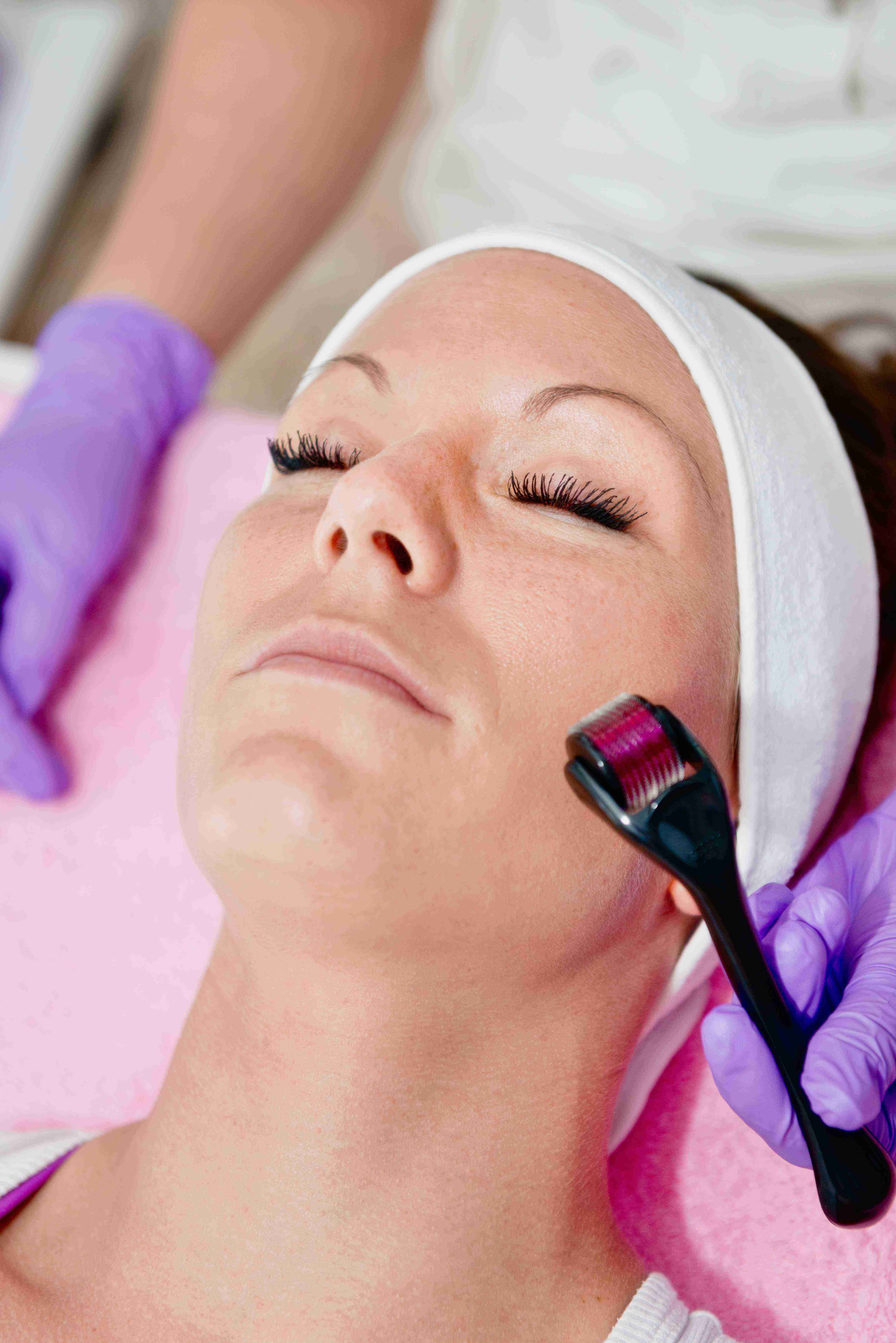
Introduction to Derma Roller Microneedling
Acne scars can leave uneven texture, depressions, and discoloration on the skin, affecting overall appearance and confidence. These scars form due to collagen breakdown during the healing process after acne breakouts. Derma Roller is a microneedling treatment that helps stimulate collagen and elastin production, improving skin texture and reducing the appearance of acne scars over time. This minimally invasive procedure promotes natural skin regeneration, leading to a smoother, more even complexion.
Derma roller treatment for acne scars uses a handheld microneedling device with surgical-grade needles to create controlled micro-injuries across scarred skin, triggering a collagen remodelling response that gradually fills and smooths atrophic scar tissue. The manual rolling action breaks down rigid, disorganised scar collagen and replaces it with new, properly structured fibres through the wound-healing cascade.
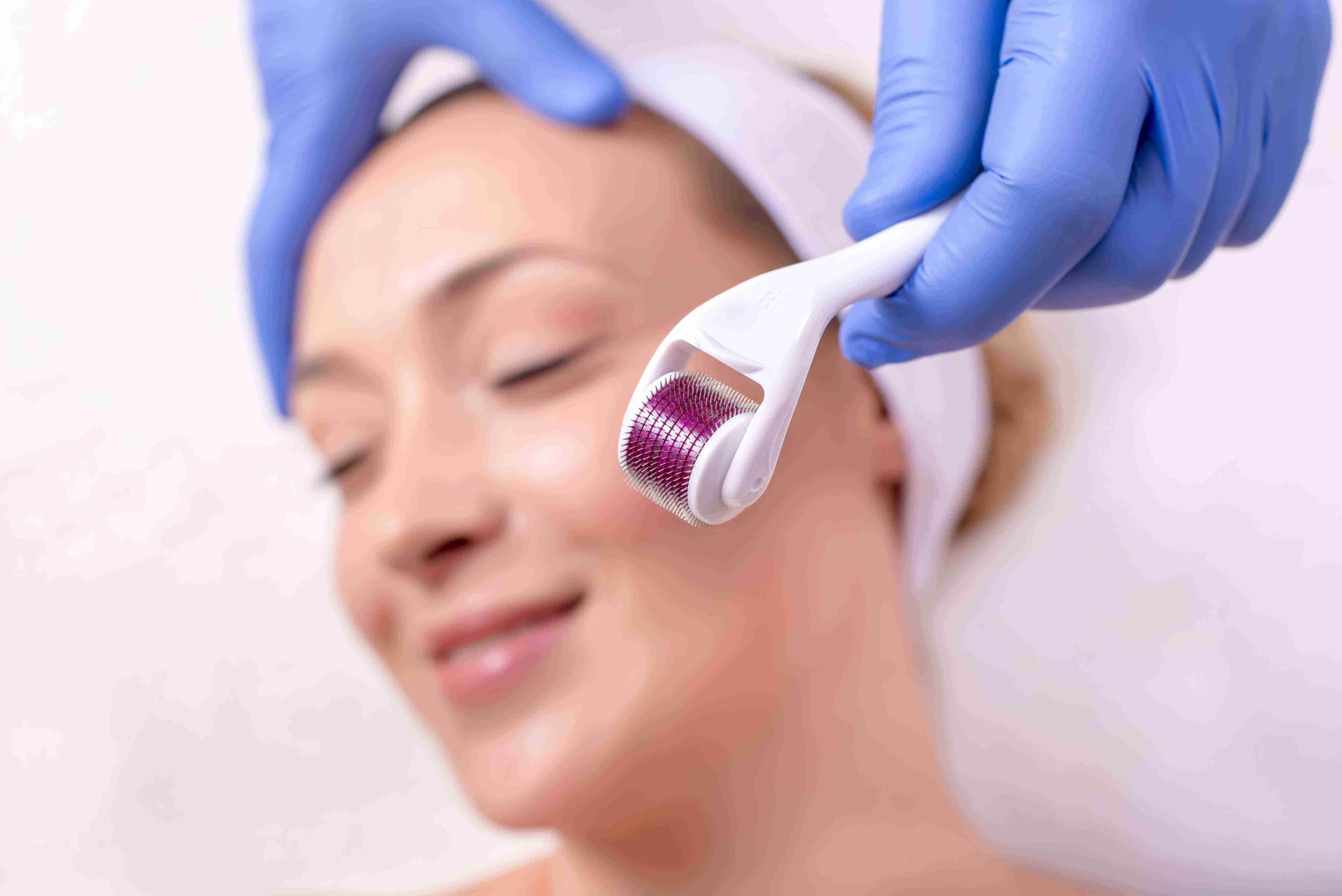
How Derma Roller Microneedling Works
The Derma Roller is a handheld device with fine, medical-grade needles that create micro-injuries in the skin. This process:

Acne scar assessment at Claire Derma determines how the derma roller treatment is planned. Our dermatologists use dermoscopy and cross-polarised lighting to classify each scar and map the overall pattern. Patients with predominantly shallow boxcar scars and rolling scars across the cheeks are excellent candidates for derma roller treatment because the roller's broad coverage efficiently treats these widespread, moderate-depth scars.
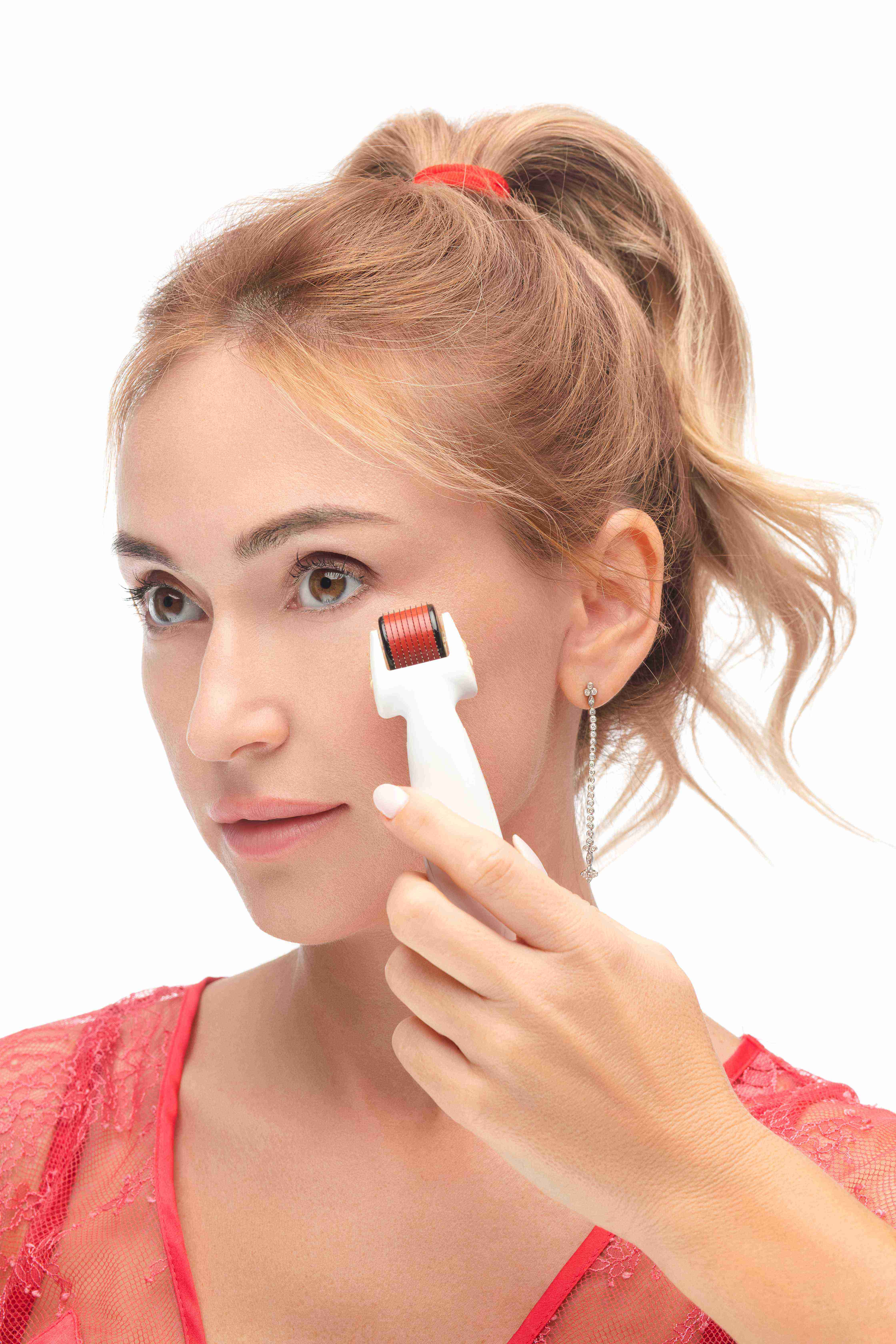
Treating Acne Scars with Derma Roller
Derma roller sessions for acne scars at Claire Derma begin with thorough facial cleansing and 30 minutes of topical anaesthetic application. Our dermatologist selects a 1.0 to 2.0 millimetre medical-grade roller depending on scar depth and skin thickness. A sterile hyaluronic acid serum is applied as the glide medium.
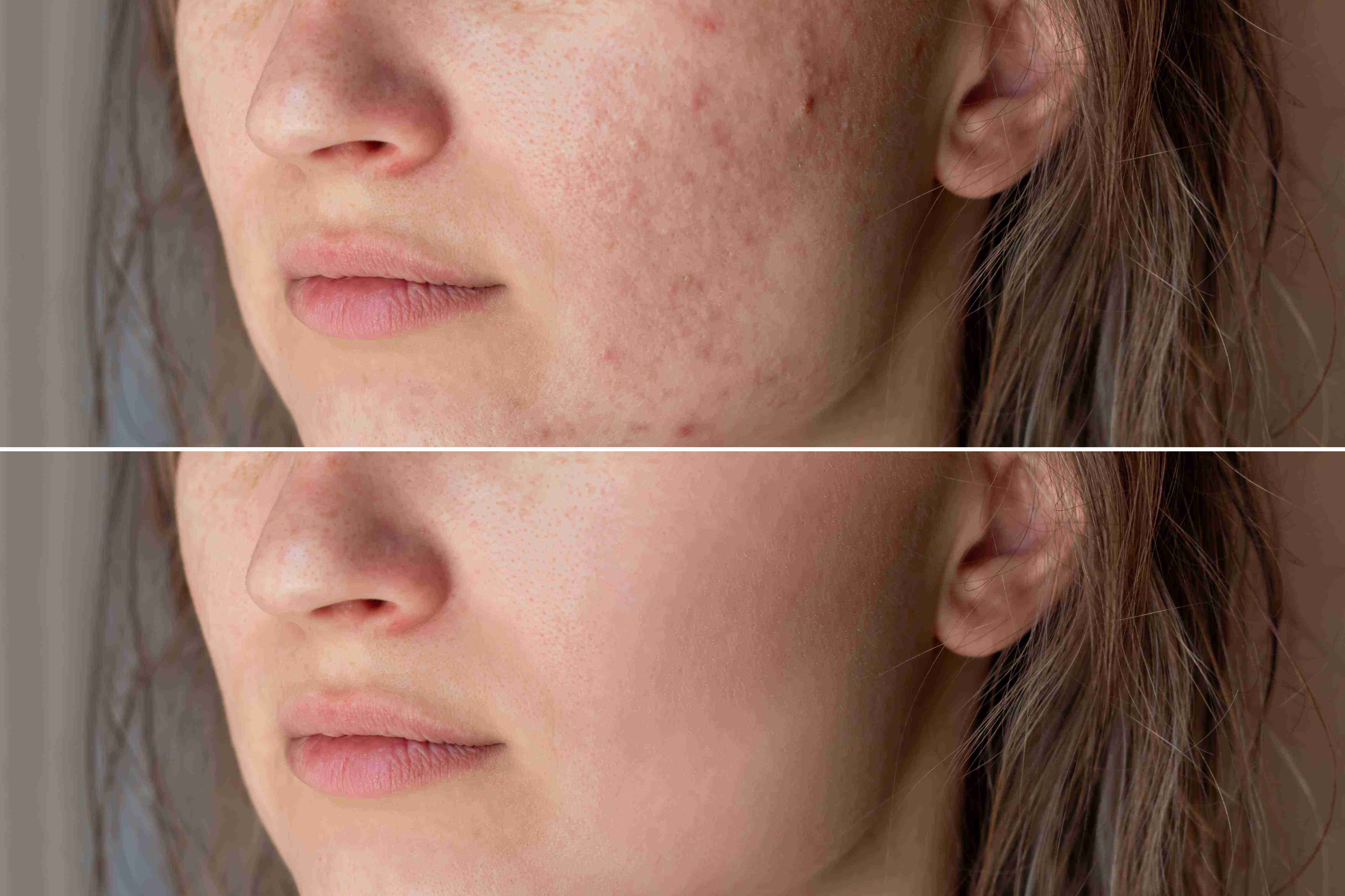
Benefits of Derma Roller for Acne Scars
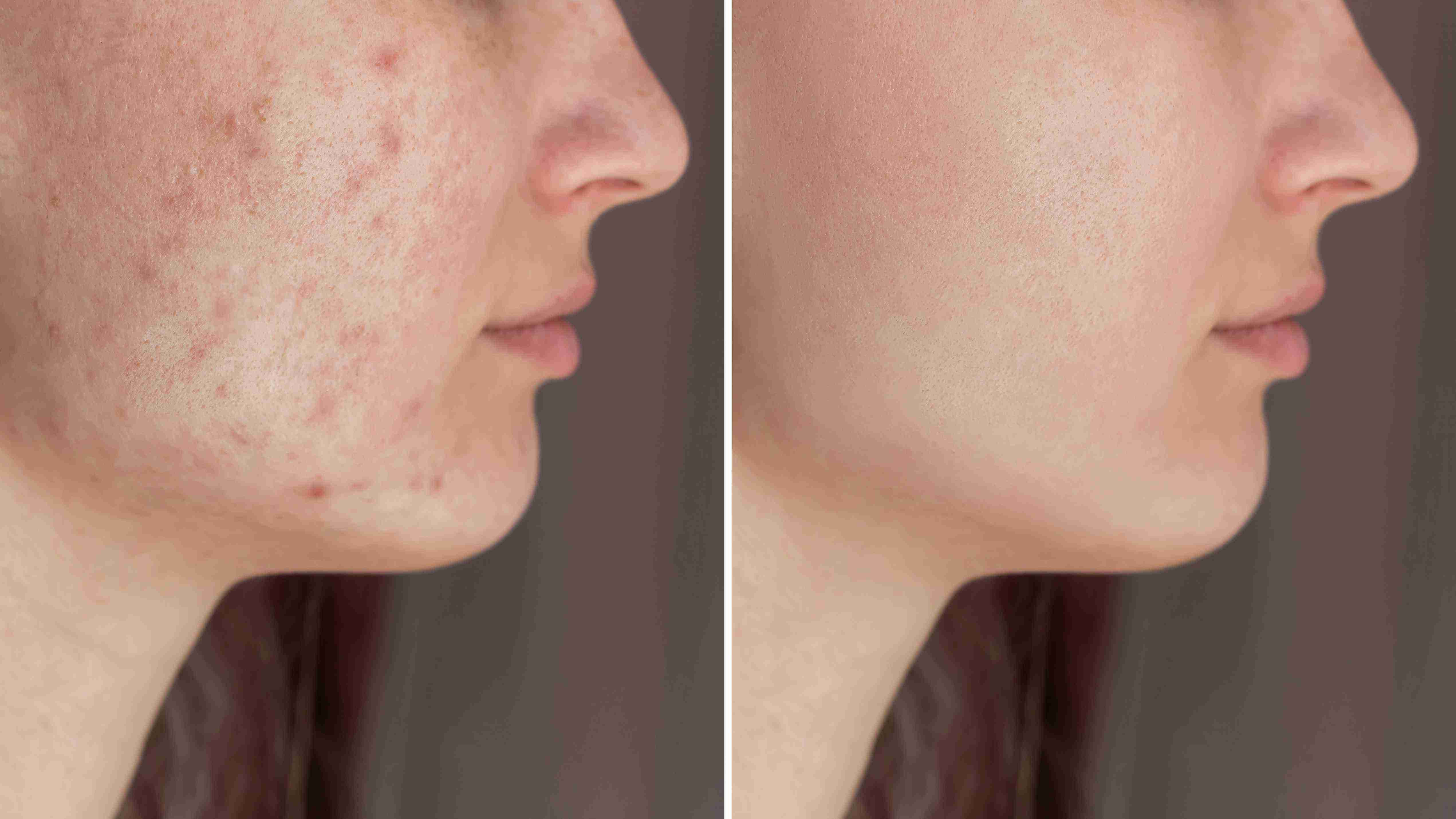
The derma roller provides a reliable, non-ablative approach to acne scar treatment that works well for patients with widespread moderate scarring. It does not generate heat, eliminating the post-inflammatory hyperpigmentation risk that makes fractional lasers problematic for darker skin tones. Recovery is manageable — two to four days of redness without the week-long downtime of ablative procedures.
Ideal Candidates for the Treatment
This treatment is ideal for individuals who:
Recovery after derma roller acne scar treatment lasts two to four days. The face appears red and mildly swollen, resembling a moderate sunburn. Pinpoint bleeding during treatment is normal and stops within minutes. For the first 48 hours, use only the prescribed gentle cleanser and barrier repair cream — no retinoids, benzoyl peroxide, AHAs, BHAs, or vitamin C. Sun protection with SPF 50 is mandatory for two weeks.
The Treatment Process
01
Consultation & Skin Assessment
The dermatologist evaluates the severity of acne scars. Your dermatologist maps your acne scars by type, depth, and distribution using dermoscopy and cross-polarised lighting. We photograph under standardised conditions, discuss previous treatments, and determine whether the derma roller alone or a combination approach is most appropriate.
02
Preparation
The skin is cleansed, and a numbing cream is applied for comfort. The face is cleansed with antiseptic solution and topical anaesthetic cream is applied for 30 minutes. Our dermatologist selects the medical-grade roller with 1.0 to 2.0 millimetre needles based on scar depth and skin thickness.
03
Derma Roller Treatment
The roller is gently applied across the targeted areas. The roller passes across each scarred zone in three directions with four to eight passes per direction at firm, consistent pressure. Subcision is performed on tethered scars before rolling if needed. Growth factor serum is applied after rolling while micro-channels remain open.
04
Post-Treatment Care
Hydration and sun protection are essential for optimal healing. Redness and mild swelling last two to four days. Use only gentle cleanser and barrier cream for 48 hours. Avoid all active ingredients for five days and direct sun for two weeks.
Expected Results & Recovery

Visible improvement after a few sessions.
Increased collagen helps even out rough areas.
Mild redness usually fades within a day or two.
Collagen production continues for months post-treatment.
Got Questions?We've Got Answers
Find answers to the most common questions about our treatments, procedures, and recovery process. If you can't find what you're looking for, our support team is always here to help.
Typically, 4–6 sessions spaced 4 weeks apart provide the best results.
A numbing cream is applied before treatment, making discomfort minimal.
It is most effective for mild to moderate scars but can improve the appearance of deeper scars over time.
Mild redness and dryness may occur but usually subside within 1–2 days
With proper skin care and maintenance, results can last for years.
The derma roller works best for shallow to moderate-depth scars — rolling scars, shallow boxcar scars, and diffuse textural irregularity. For deep ice pick scars or deep boxcar scars, the fixed needle length of a manual roller may not penetrate enough to stimulate adequate remodelling at the scar base.
Yes. Rolling over active inflammatory acne can spread bacteria, worsen breakouts, and potentially create new scarring. We recommend at least three months of well-controlled skin before starting derma roller treatment. If you are taking isotretinoin, wait at least six months after your final dose because the medication suppresses the healing response that microneedling depends on.
Fractional laser resurfacing typically produces slightly faster results for moderate to severe acne scarring because the thermal injury triggers a more intense remodelling response. But that intensity comes with trade-offs: five to fourteen days of downtime, higher cost per session, and meaningful hyperpigmentation risk for darker skin tones.
Clinical studies on medical-grade microneedling for acne scars report 50 to 70 percent improvement in scar depth and texture after a full course of four to six sessions. Individual results depend on scar type, depth, and your skin's healing capacity. Shallow rolling scars and diffuse textural irregularity tend to show the most dramatic improvement.