
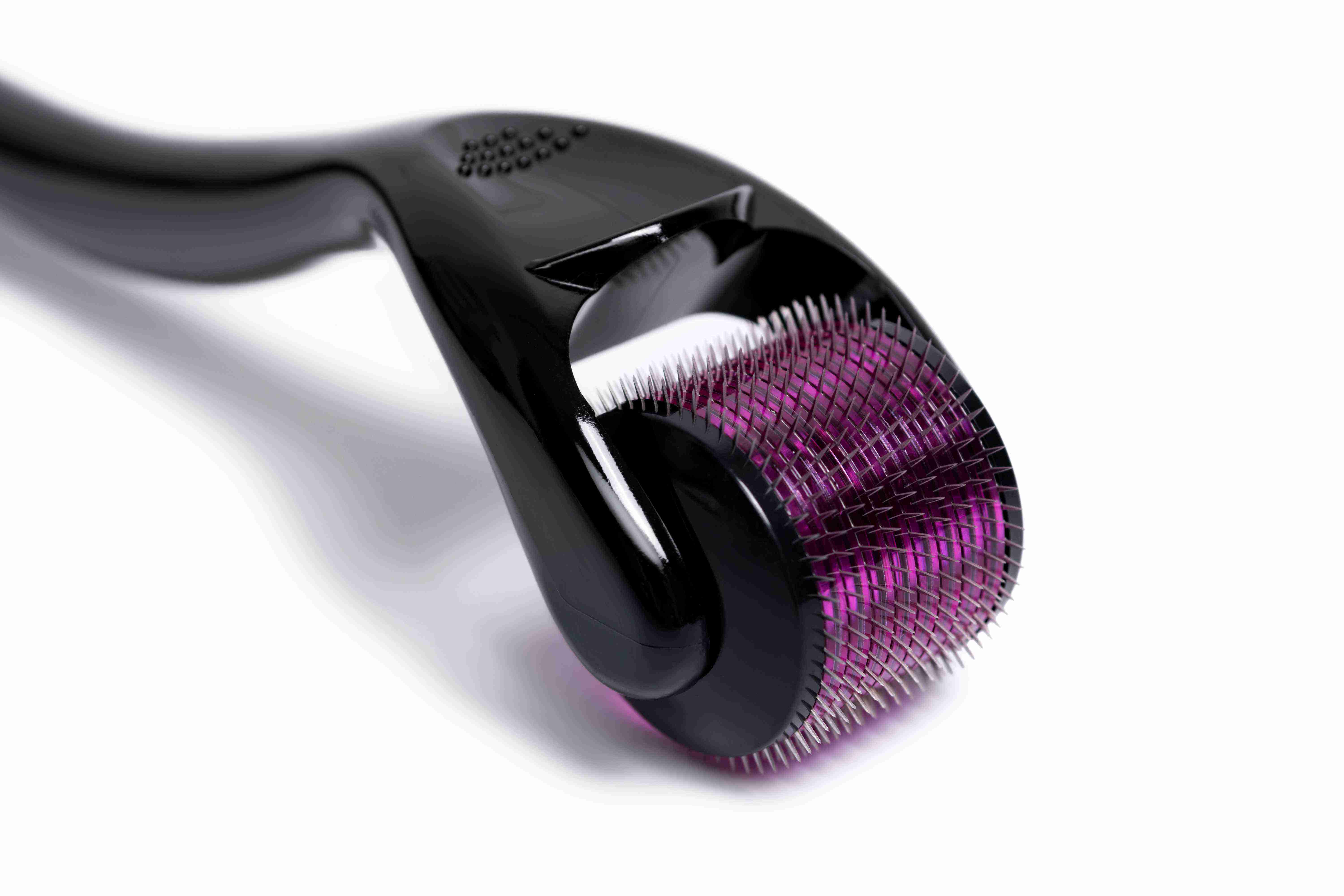
Introduction to Derma Roller Microneedling
Skin pigmentation issues such as hyperpigmentation, melasma, sunspots, and uneven skin tone occur due to excess melanin production triggered by sun exposure, hormonal changes, aging, or acne scars. Derma Roller is a microneedling treatment that helps reduce pigmentation by stimulating collagen production and enhancing skin cell turnover. The treatment promotes smoother, more even-toned skin by allowing better absorption of skin-brightening serums.
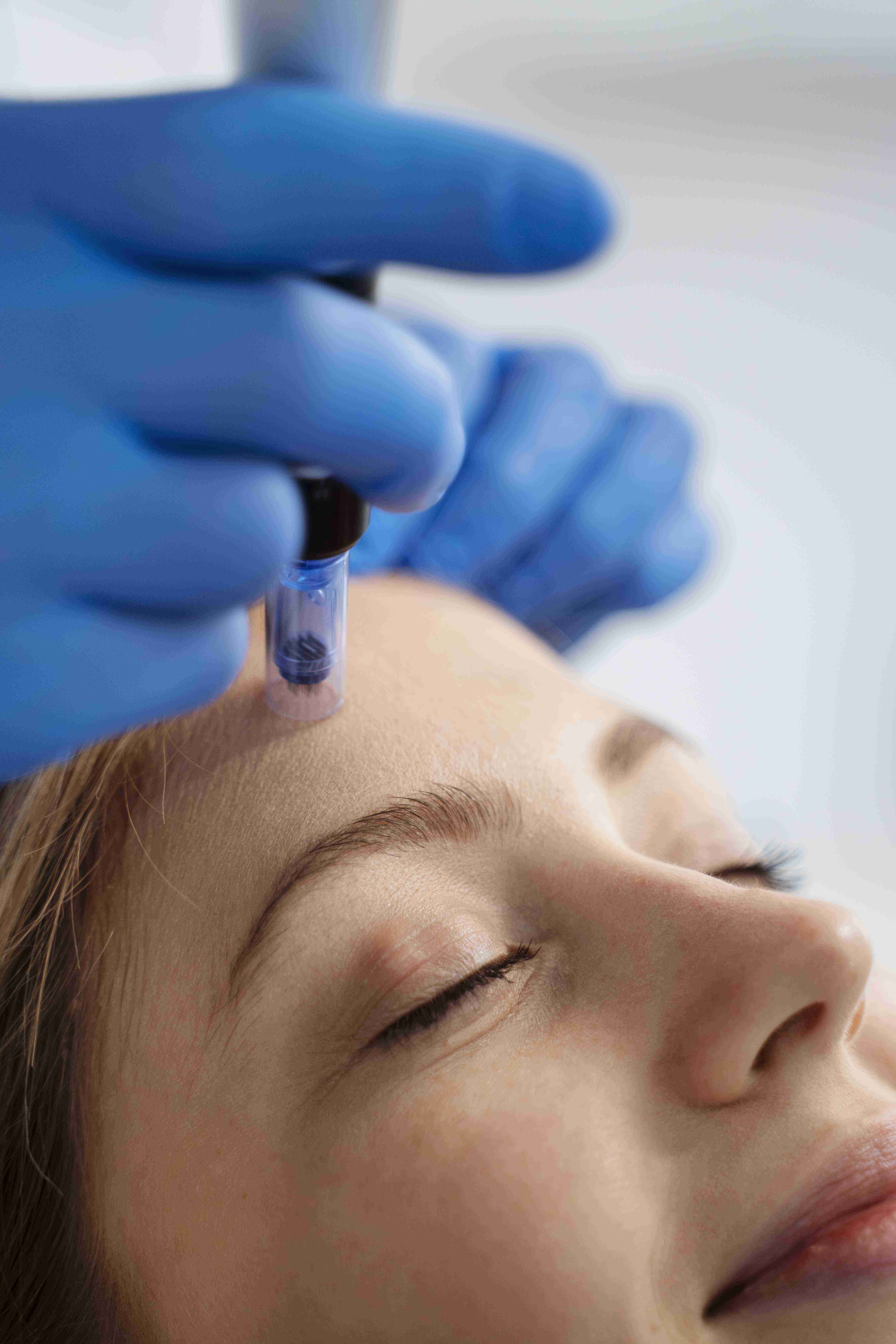
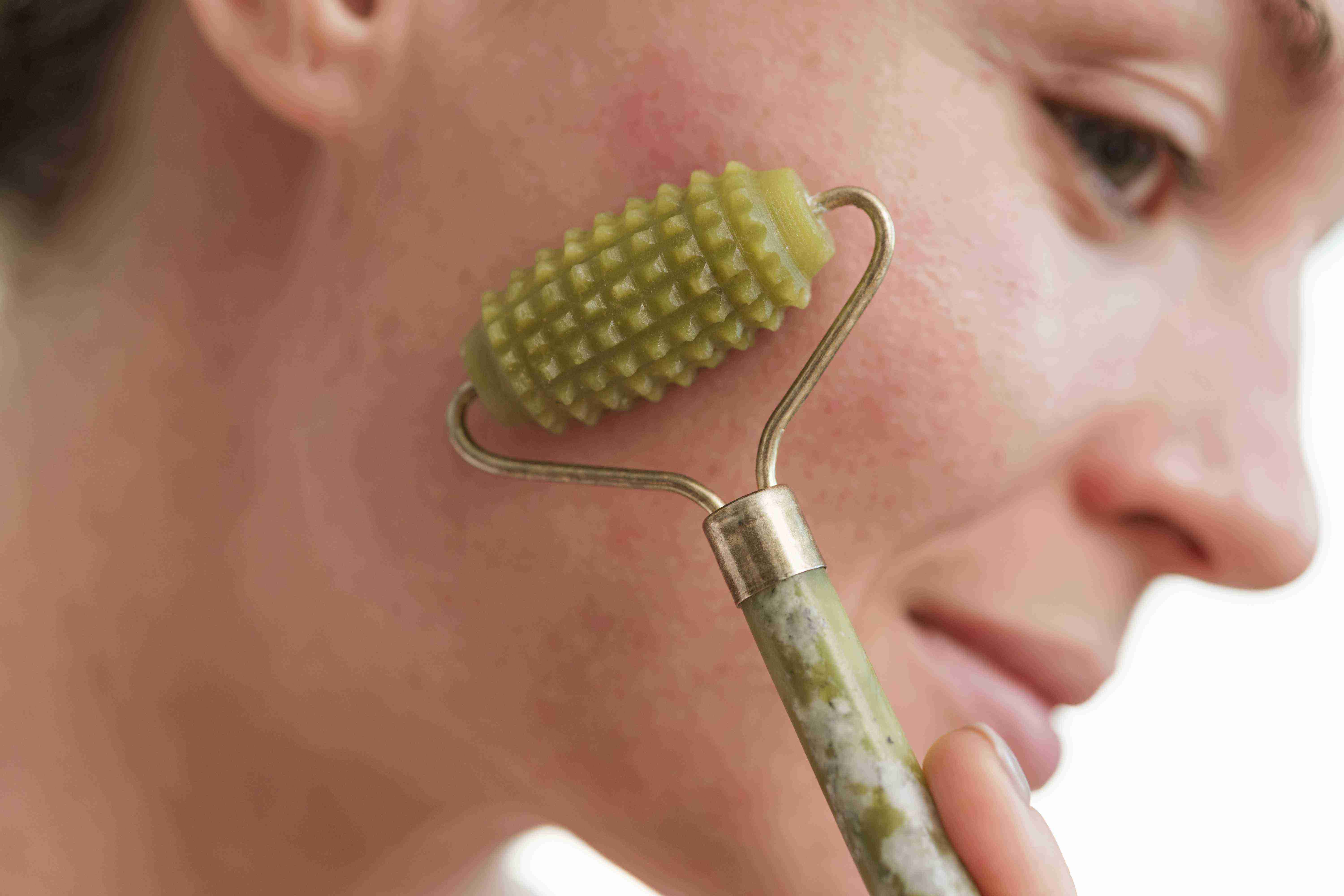
Derma roller treatment for pigmentation uses controlled microneedling to accelerate epidermal turnover and create micro-channels that dramatically improve the delivery of depigmenting agents to the melanocyte layer. The manual rolling device creates thousands of tiny punctures that disrupt melanin-laden keratinocytes at the skin surface while triggering a renewal cycle that replaces pigmented cells with fresh, evenly-toned skin.
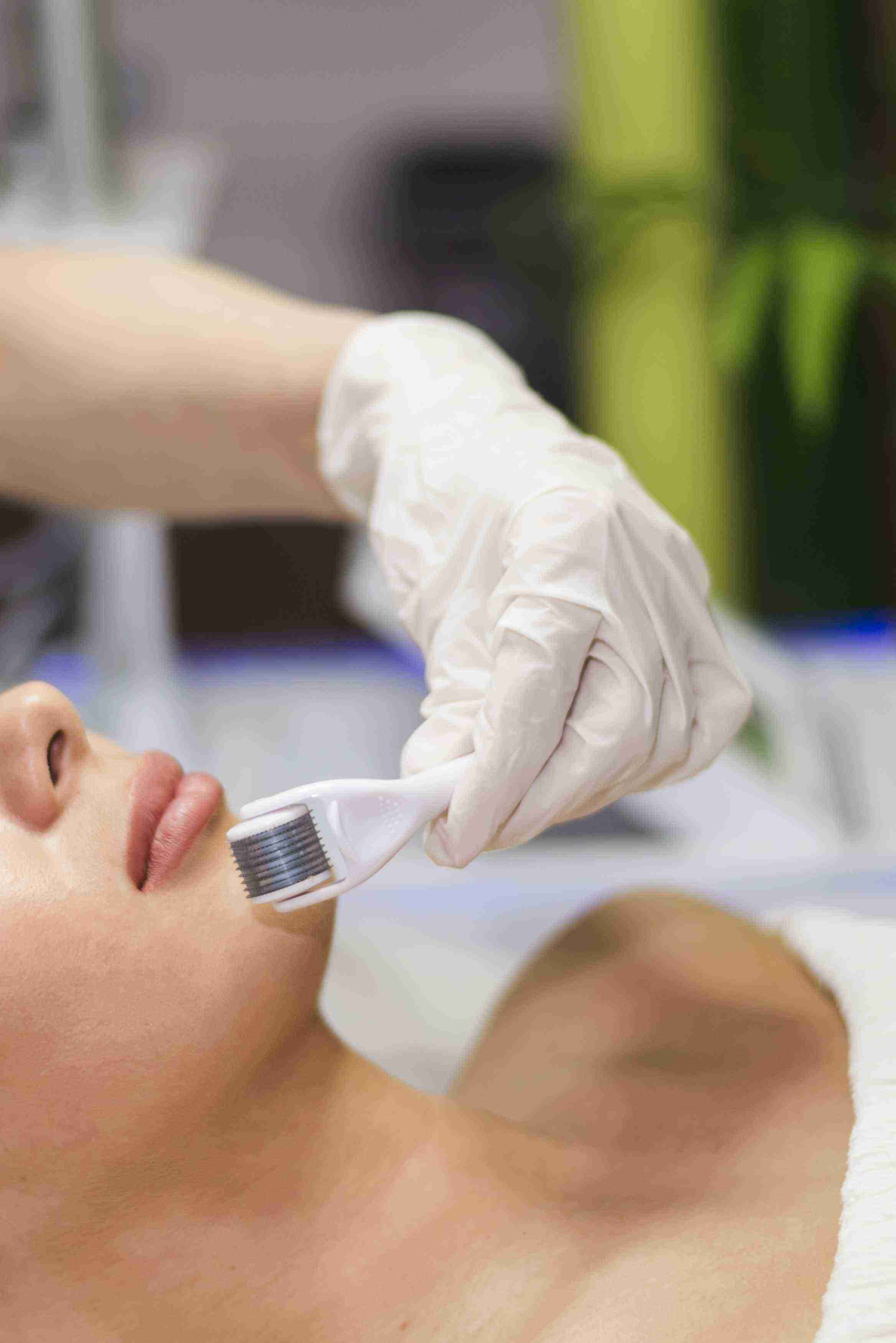
How Derma Roller Microneedling Works
The Derma Roller contains tiny, medical-grade needles that create micro-injuries in the skin, triggering the body's natural healing process. This results in:

Pigmentation treatment with the derma roller requires a deliberately restrained approach. Aggressive microneedling generates inflammation, and inflammation is the very trigger that activates melanocytes in pigmentation-prone skin. At Claire Derma, our dermatologists use shorter needle lengths (0.5 to 1.0 millimetre), lighter pressure, and fewer passes than we would for anti-aging or scar treatment.
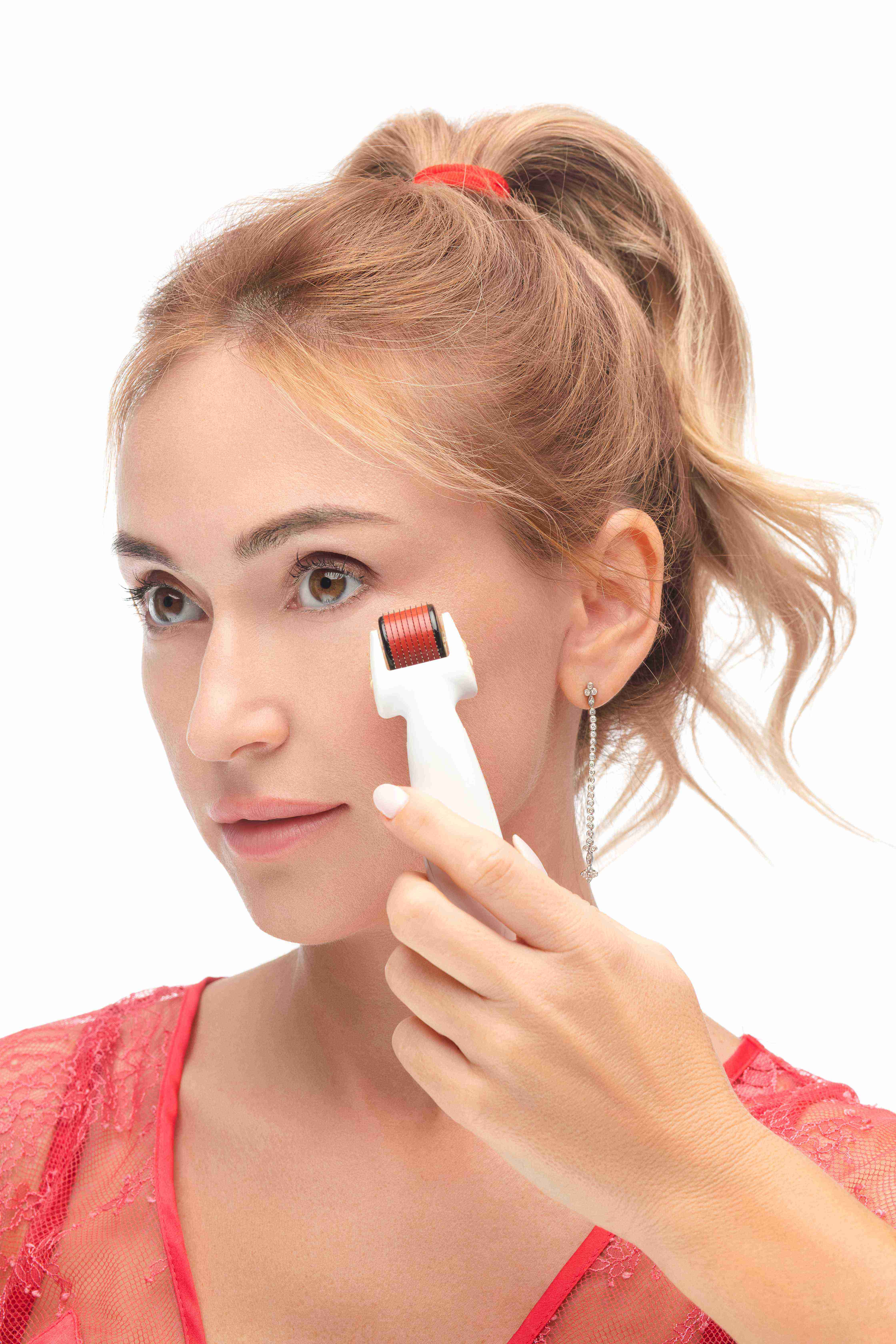
Treating Pigmentation with Derma Roller
The derma roller pigmentation protocol at Claire Derma prioritises serum delivery above collagen induction. After cleansing and 20 minutes of topical anaesthetic application, our dermatologist selects a 0.5 to 1.0 millimetre roller and prepares a customised depigmenting serum — typically containing tranexamic acid, niacinamide, and vitamin C.
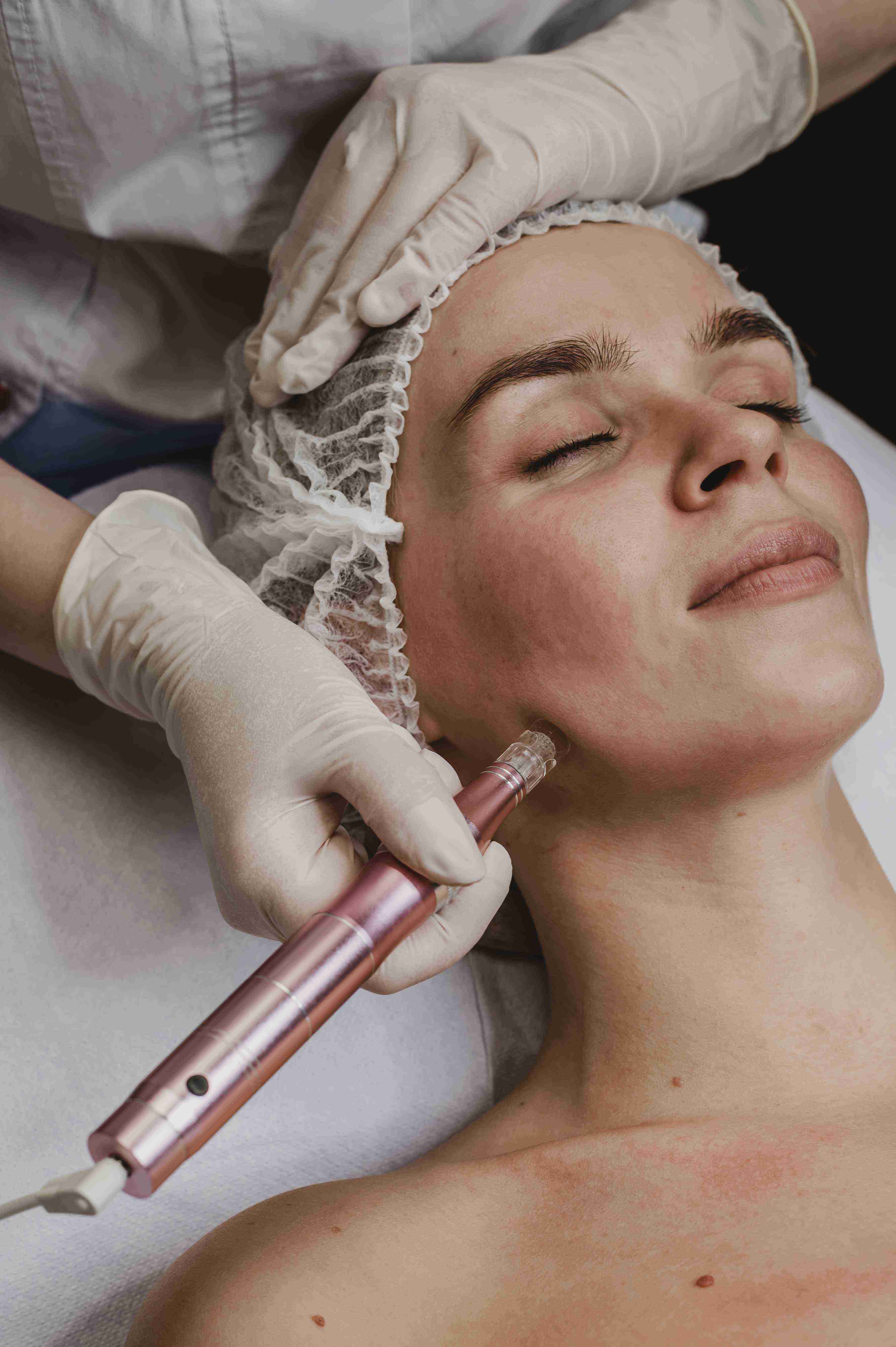
Benefits of Derma Roller for Pigmentation
The derma roller's conservative approach to pigmentation treatment offers a meaningful safety advantage for the patient populations most affected by hyperpigmentation. Darker skin tones — Fitzpatrick types III through VI — experience melasma and post-inflammatory hyperpigmentation at higher rates yet face the greatest treatment risks from lasers and aggressive peels.
Ideal Candidates for the Treatment
This treatment is ideal for individuals who:
Aftercare for derma roller pigmentation treatment centres on sun protection — the single most important factor in maintaining treatment results. At Claire Derma, we require daily broad-spectrum SPF 50 application throughout the treatment course, reapplied every two hours during sun exposure. For the first 48 hours after treatment, use only the prescribed gentle cleanser and barrier cream. Resume your depigmenting home regimen on day three. Avoid retinoids and exfoliating acids for five days post-treatment.
The Treatment Process
01
Consultation & Skin Analysis
The dermatologist evaluates pigmentation concerns. Your dermatologist examines pigmentation using Wood's lamp to assess melanin depth and identifies the condition type — melasma, post-inflammatory hyperpigmentation, or sun damage.
02
Preparation
The skin is cleansed, and a numbing cream is applied for comfort. The face is cleansed and topical anaesthetic cream is applied for 20 minutes. Our dermatologist selects a 0.5 to 1.0 millimetre medical-grade roller based on your pigmentation type and skin sensitivity.
03
Derma Roller Treatment
The roller is applied across the pigmented areas, creating micro-injuries. The roller passes gently across pigmented zones in two directions with two to three passes per direction using light pressure. Depigmenting serum is applied as the glide medium during rolling and again after treatment while channels remain open.
04
Post-Treatment Care
Hydration and sun protection are crucial for maintaining results. Mild pinkness fades within 12 to 24 hours. Apply barrier cream and SPF 50 from day one. Use only gentle cleanser for 48 hours, resume depigmenting home products on day three, and avoid retinoids and acids for five days.
Expected Results & Recovery

Visible improvements within a few sessions.
Enhanced radiance with continued treatment.
Redness subsides within 1–2 days.
With proper skincare, results can last for years.
Got Questions?We've Got Answers
Find answers to the most common questions about our treatments, procedures, and recovery process. If you can't find what you're looking for, our support team is always here to help.
Most individuals require 4–6 sessions, spaced 4 weeks apart, for noticeable improvement.
Yes, but it must be combined with proper skincare and sun protection to prevent worsening.
A numbing cream is applied, making the treatment comfortable with minimal discomfort.
Yes, but it must be combined with proper skincare and sun protection to prevent worsening.
Initial improvements appear within a few weeks, with full results developing over 3–6 months as skin renews.
When performed with the conservative protocol used at Claire Derma — short needles, light pressure, limited passes — the risk is very low. Pigmentation worsens when microneedling creates enough inflammation to stimulate melanocyte activity, which is why our dermatologists deliberately limit treatment intensity for pigmentation cases.
Both work through the same principle — creating micro-channels for better serum delivery while accelerating cell turnover. The Dermapen offers adjustable depth in 0.25-millimetre increments and vertical needle action, allowing precise control zone by zone. The derma roller uses a fixed needle length with manual pressure control. For pigmentation, where treatment depths are shallow and uniform (0.5 to 1.0 millimetre), both produce comparable results.
A consistent daily depigmenting regimen between sessions is essential for optimal results. Our dermatologists at Claire Derma typically prescribe tranexamic acid or azelaic acid in the morning under broad-spectrum SPF 50, and a low-concentration retinoid at night to maintain accelerated cell turnover. Niacinamide serum provides additional melanin inhibition and skin barrier support.
Most patients notice visible lightening after two to three sessions, which translates to approximately six to twelve weeks from the start of treatment. Post-inflammatory hyperpigmentation tends to respond faster than melasma because the pigment deposits are more superficial and the underlying trigger (inflammation) has already resolved.