
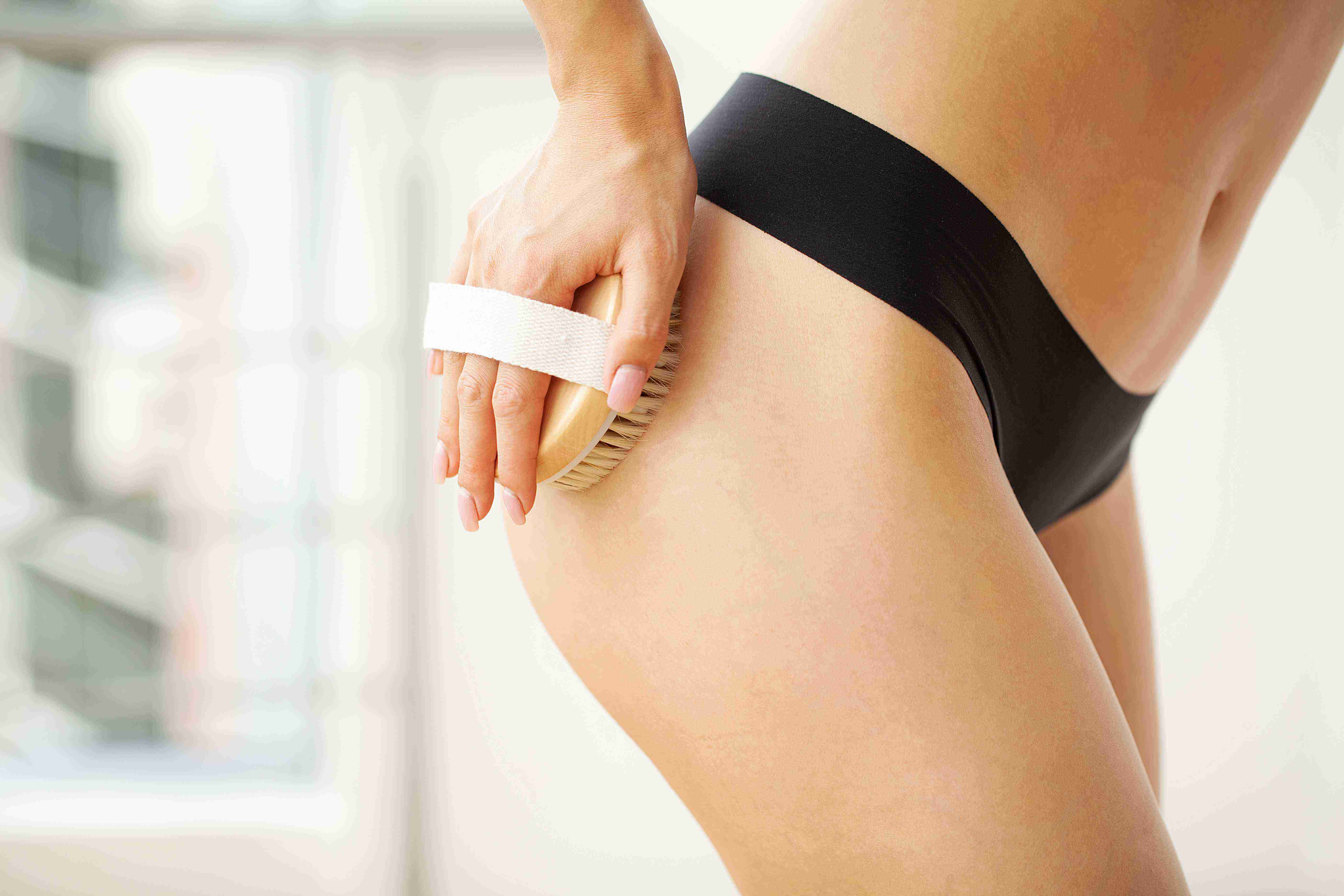
Introduction to Derma Roller Microneedling
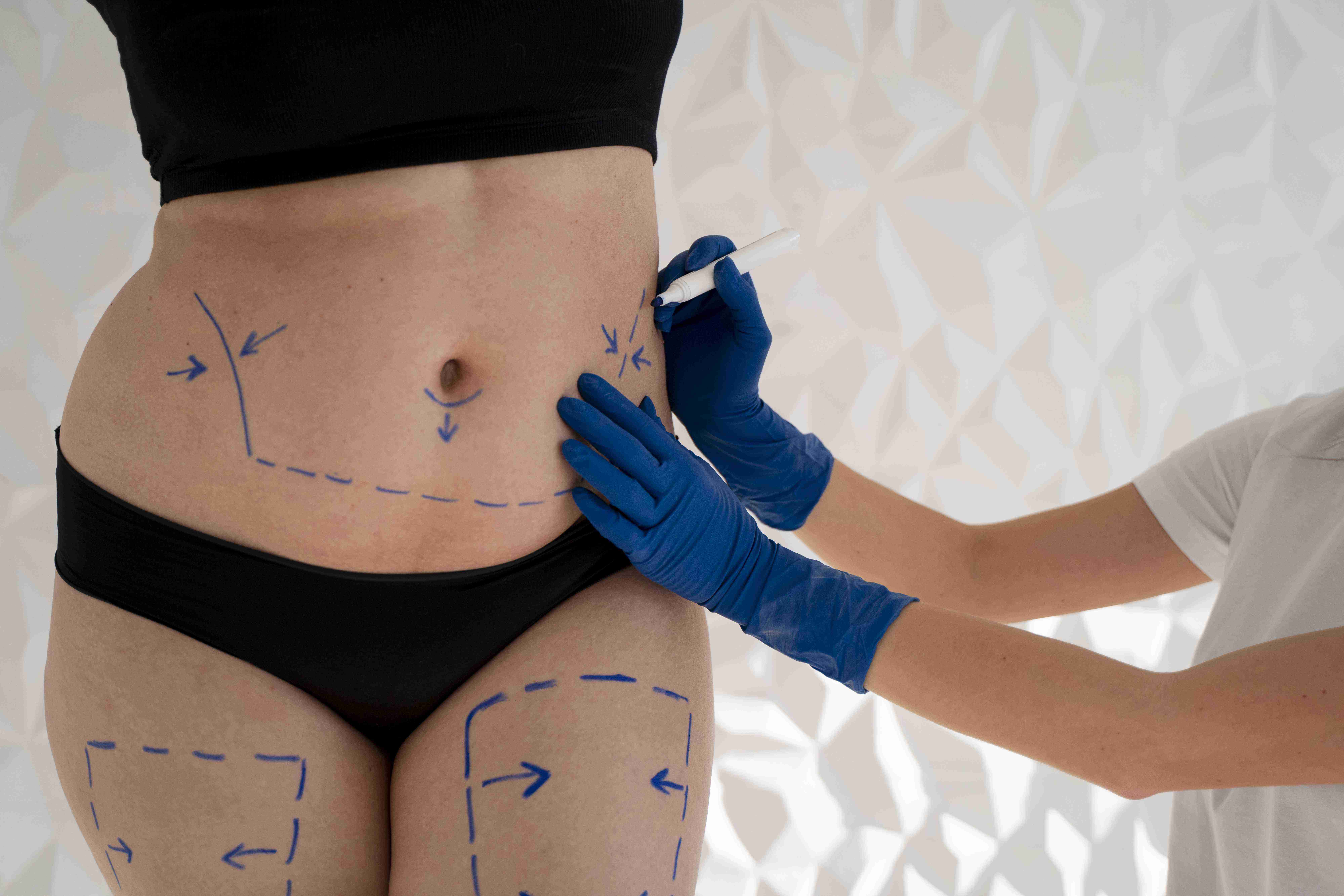
Stretch marks are caused by rapid skin stretching, which damages collagen and elastin fibers. They commonly occur due to pregnancy, weight fluctuations, growth spurts, or hormonal changes. Derma Roller is a microneedling treatment that helps reduce the appearance of stretch marks by stimulating collagen production. This process encourages skin regeneration, leading to smoother, firmer, and more even-toned skin.
Derma roller treatment for stretch marks uses a handheld cylindrical device studded with fine surgical-grade needles that create micro-injuries as it rolls across the skin surface. These controlled punctures trigger the body's wound-healing response — activating fibroblasts, recruiting growth factors, and initiating new collagen and elastin synthesis in the damaged dermis where stretch marks originate.
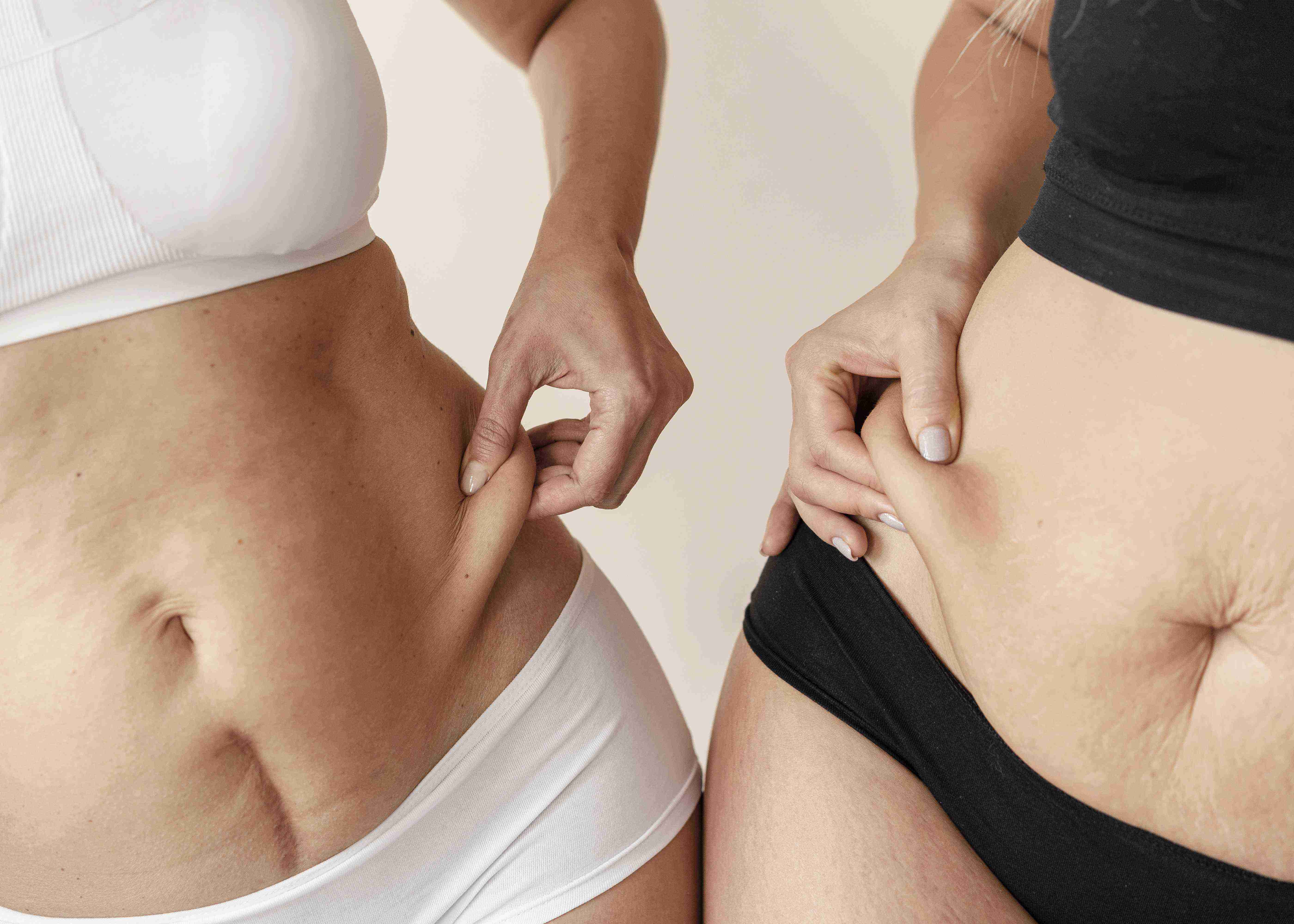
How Derma Roller Microneedling Works
The Derma Roller has tiny, medical-grade needles that create micro-injuries in the skin. This triggers a healing response, resulting in:

Stretch mark severity and location determine the derma roller needle length and treatment intensity at Claire Derma. Wider, deeper abdominal striae from pregnancy require 1.5 to 2.0 millimetre needles and firm, controlled pressure to reach the mid-dermis where collagen architecture was disrupted.
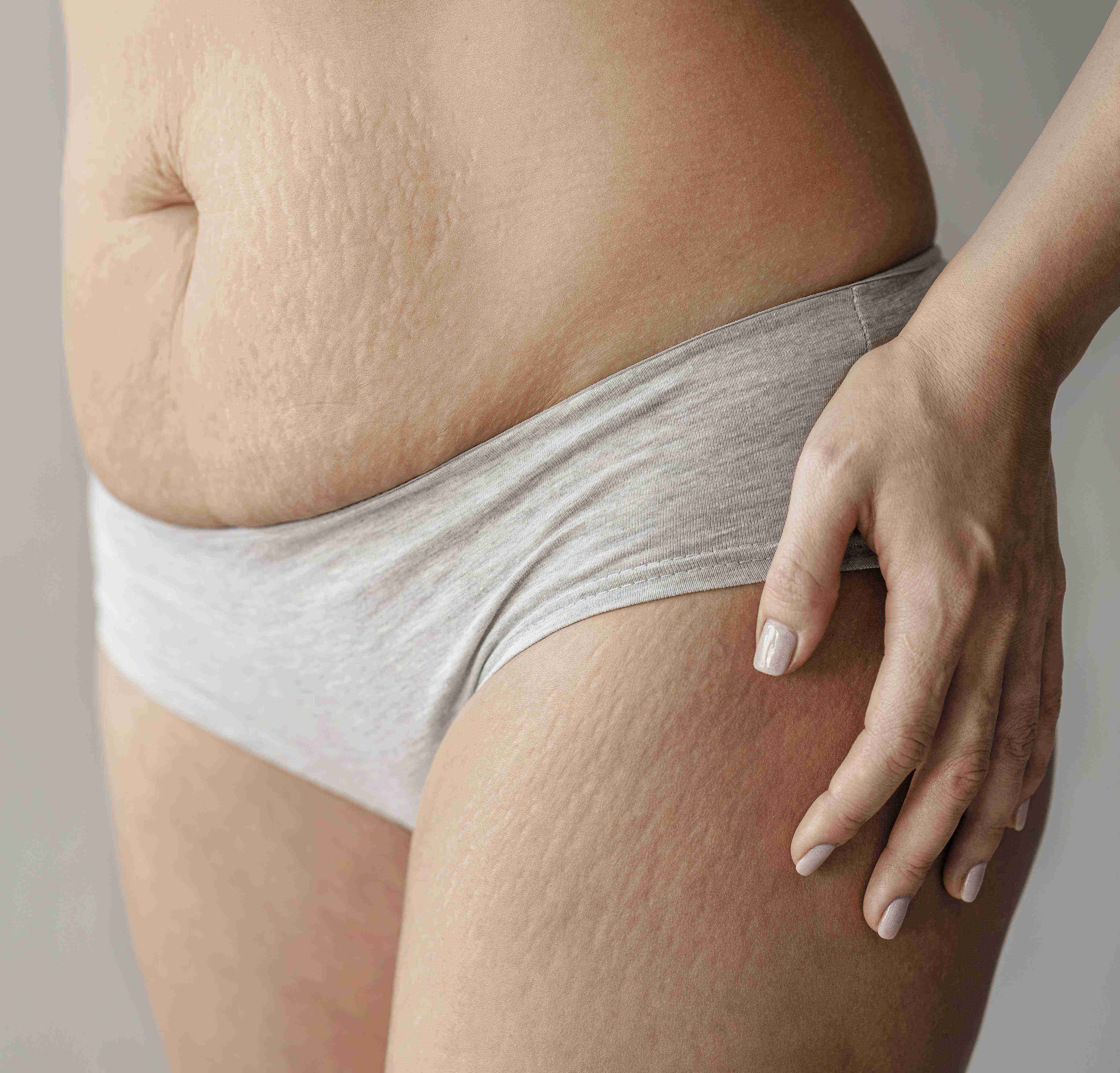
Treating Stretch Marks with Derma Roller
At Claire Derma, derma roller sessions for stretch marks begin with thorough cleansing and application of topical anaesthetic cream 30 minutes before treatment. Our dermatologist selects the appropriate needle length for each body zone and applies a sterile hyaluronic acid serum to the skin surface.
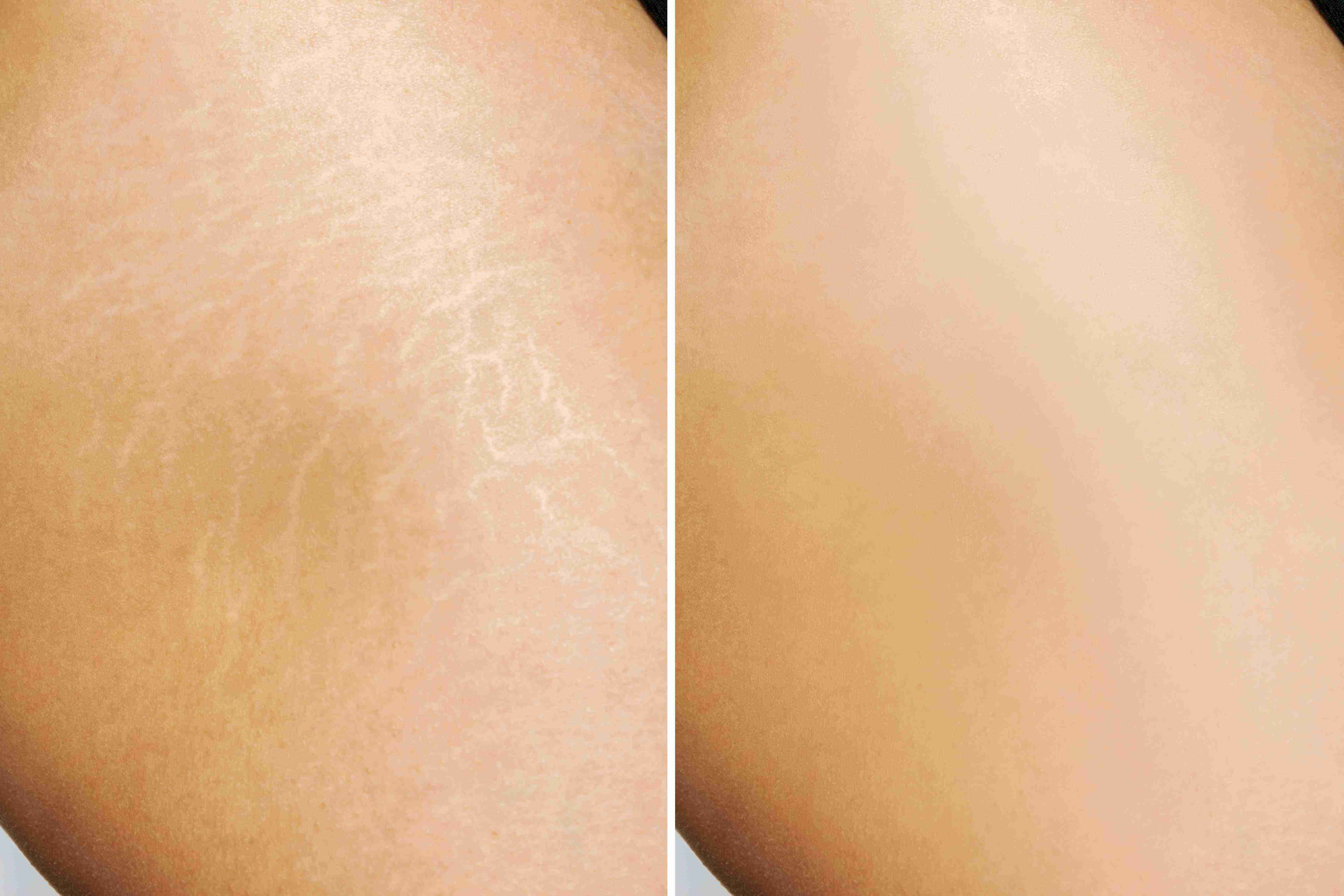
Benefits of Derma Roller for Stretch Marks
The derma roller provides an effective and accessible entry point for microneedling treatment of stretch marks. Its straightforward mechanism makes it a predictable procedure with well-understood outcomes backed by decades of clinical use.
Ideal Candidates for the Treatment
This treatment is ideal for individuals who:
Recovery from derma roller treatment for stretch marks follows a predictable timeline. The treated area will appear red and feel warm for 24 to 72 hours — slightly longer than automated microneedling recovery because the roller's angled needle entry creates wider micro-channels at the surface. Mild swelling is normal for one to two days.
The Treatment Process
01
Consultation & Skin Assessment
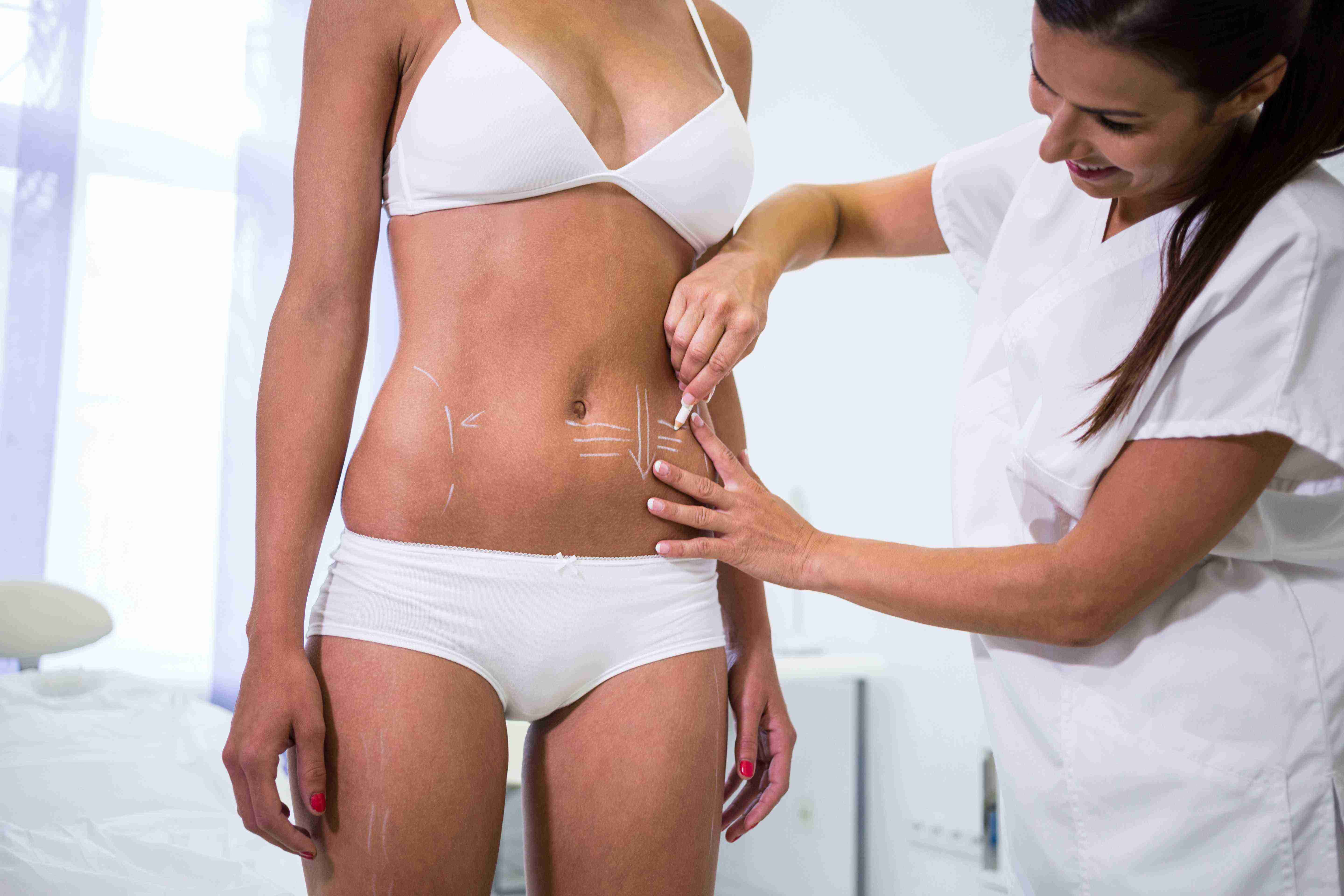
The dermatologist examines the stretch marks. Your dermatologist examines stretch marks by location, width, depth, and colour. We photograph each treatment zone, assess skin thickness, and select the appropriate derma roller needle length — typically 1.0 to 2.0 millimetres for stretch marks.
02
Preparation
The area is cleansed, and a numbing cream is applied for comfort. The treatment area is cleaned with antiseptic solution and topical anaesthetic cream is applied 30 minutes before the procedure. Our dermatologist selects the medical-grade derma roller with the appropriate needle length for each body zone.
03
Derma Roller Treatment
The roller is applied over the stretch marks, creating micro-injuries. The derma roller is passed across the stretch mark area in three directions — vertical, horizontal, and diagonal — with four to six passes per direction. Firm, even pressure ensures consistent needle penetration. Hyaluronic acid serum is applied during rolling as a glide medium.
04
Post-Treatment Care
Moisturization and sun protection are recommended for optimal healing. Redness and warmth last 24 to 72 hours with mild swelling for one to two days. Apply barrier repair cream twice daily. Avoid scented products, tight clothing on treated areas, pools, saunas, and heavy exercise for 48 hours.
Expected Results & Recovery

Visible improvement after a few sessions.
Increased collagen smooths the skin.
Redness usually fades within 1–2 days.
With maintenance, results can last for years.
Got Questions?We've Got Answers
Find answers to the most common questions about our treatments, procedures, and recovery process. If you can't find what you're looking for, our support team is always here to help.
Most people require 4–6 sessions, spaced 4 weeks apart, for noticeable improvement.
Yes, but newer stretch marks (red or purple) respond faster than older ones (white or silver).
A numbing cream is applied, so discomfort is minimal.
Yes, but newer stretch marks (red or purple) respond faster than older ones (white or silver).
Skin texture and tone improve within a few weeks, with full results appearing over 3–6 months as collagen builds up.
Medical-grade derma rollers used at Claire Derma have needle lengths of 1.0 to 2.0 millimetres — significantly longer than at-home devices which typically range from 0.2 to 0.5 millimetres. This difference matters because stretch mark damage sits in the mid-dermis, which shorter needles cannot reach. Medical-grade rollers are also manufactured to tighter tolerances with sharper, more uniform needles that create cleaner micro-channels.
Both are effective, but they have different strengths. The derma roller excels at covering large, relatively uniform stretch mark areas efficiently — its wide drum treats the abdomen or thighs quickly with consistent micro-channel density.
Most patients require four to six sessions spaced four to six weeks apart. Red or purple stretch marks (striae rubra) typically respond more quickly — visible improvement often appears after two to three sessions. White or silver stretch marks (striae alba) generally require the full course and may benefit from additional sessions.
The treated area appears red and feels warm for 24 to 72 hours — the roller's angled needle entry creates slightly wider surface channels than automated devices, so recovery runs a day or two longer than Dermapen treatment. Mild swelling resolves within one to two days. Most patients return to normal activities within 48 hours. There is no crusting, peeling, or wound care required.