
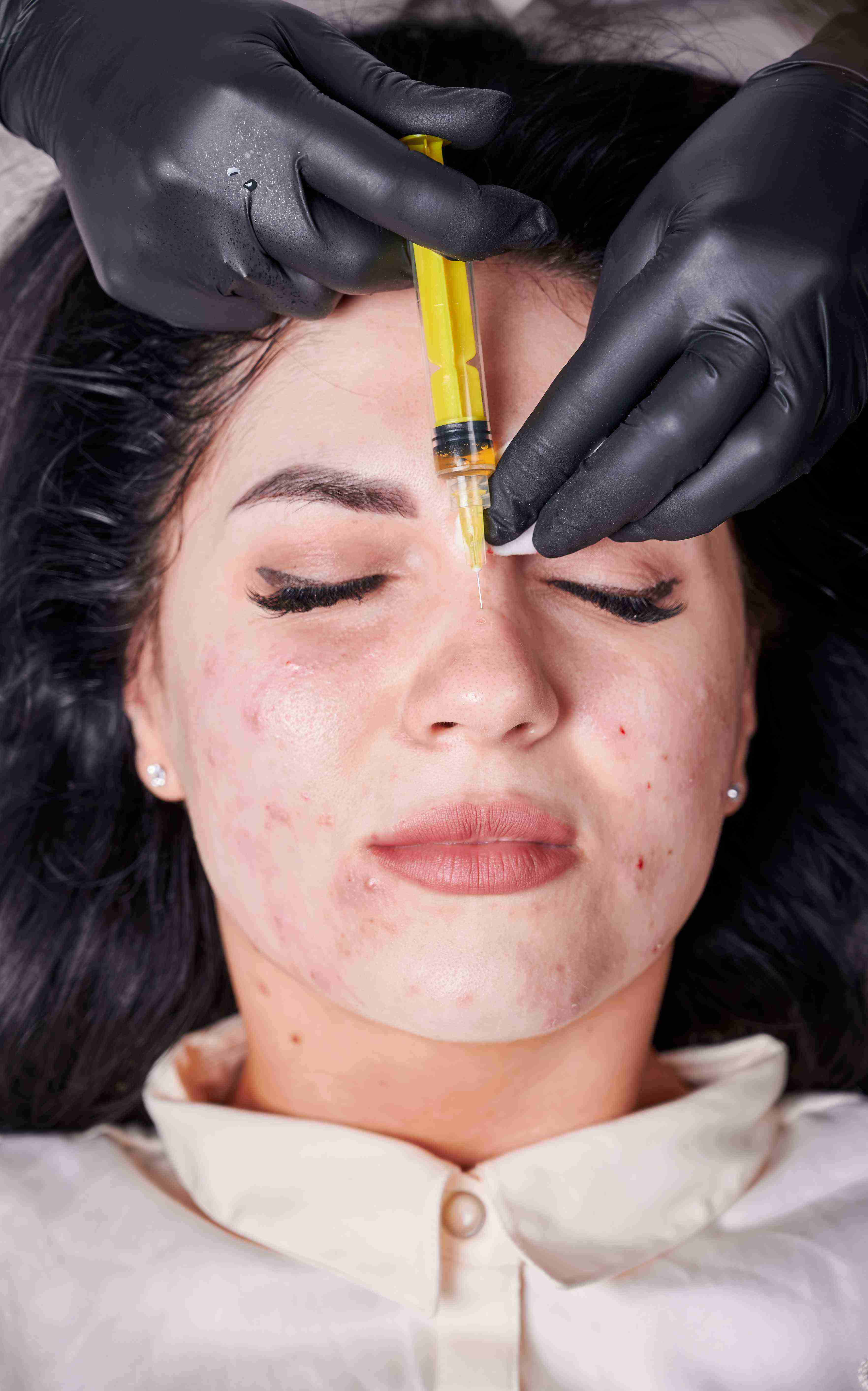
Introduction to Dermapen Microneedling
Dermapen is an advanced microneedling treatment designed to stimulate collagen production, improve skin texture, and reduce acne scars. It uses a pen-like device with fine needles to create controlled micro-injuries in the skin, triggering a natural healing response. Acne scars form due to inflammation and collagen loss following breakouts. Dermapen microneedling promotes skin renewal by breaking down old scar tissue and encouraging the production of new, healthy skin cells.
Dermapen microneedling is one of the most effective non-ablative treatments for acne scars because its automated, depth-adjustable needle cartridge can target the specific dermal layer where each scar type originates. Acne scars form when the dermis fails to heal properly after severe inflammation — producing either too little collagen (atrophic scars like ice pick, boxcar, and rolling scars) or too much (hypertrophic and keloid scars).
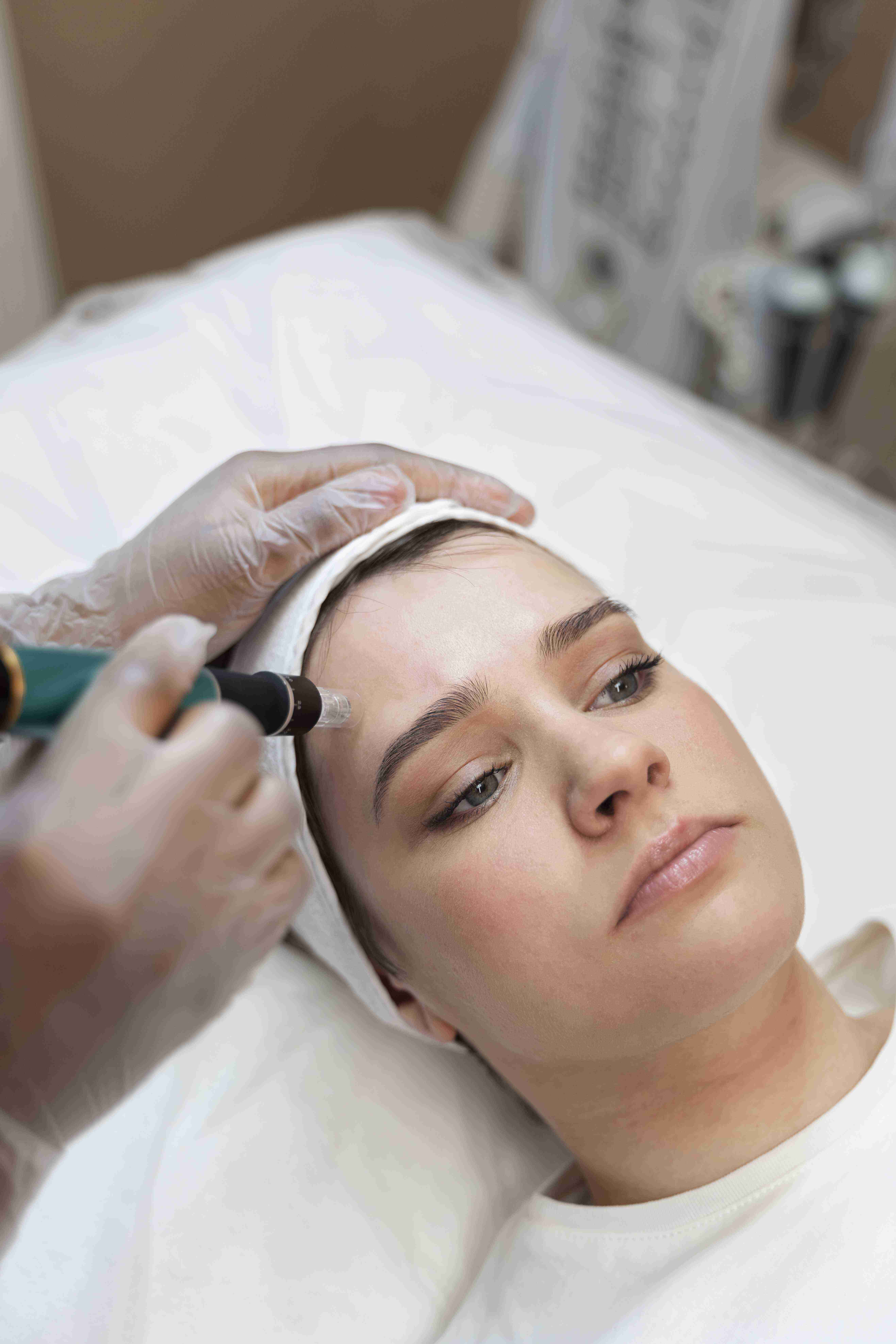
How Dermapen Microneedling Works
Dermapen uses automated microneedling technology to deliver tiny punctures into the skin’s surface. This process:

Effective acne scar treatment requires identifying and addressing each scar type specifically. At Claire Derma, our dermatologists use cross-polarised lighting and dermoscopy during consultation to map the distribution, depth, and type of every scar across the treatment area.

Treating Acne Scars with Dermapen
The Dermapen treatment protocol for acne scars at Claire Derma begins with thorough cleansing followed by 30 minutes of topical anaesthetic application. Our dermatologist maps the treatment zones, notes the depth settings for each area, and selects the needle cartridge — typically a 12- or 16-needle configuration for targeted scar work.
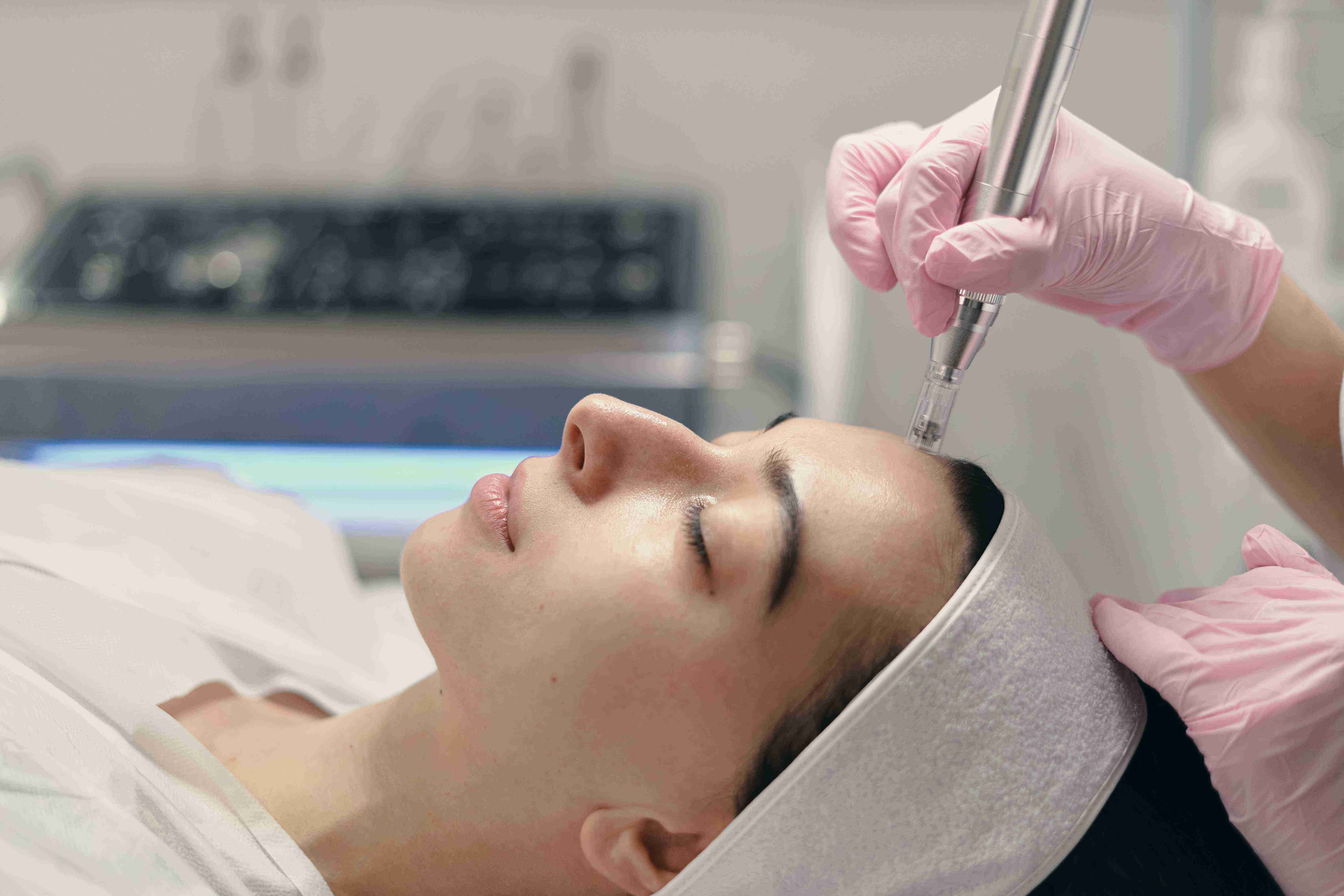
Benefits of Dermapen Microneedling for Acne Scars
For acne scar patients, the Dermapen's combination of efficacy and safety makes it a first-line treatment recommendation at Claire Derma. Compared to fractional CO2 laser, the Dermapen produces comparable textural improvement for mild to moderate scarring with significantly less downtime — two to four days versus seven to fourteen days.

Ideal Candidates for the Treatment
This treatment is ideal for individuals who:
Post-treatment care following Dermapen for acne scars requires attention but is manageable. Expect redness and mild swelling for two to four days — slightly longer than anti-aging sessions because scar treatment uses deeper needle settings. Pinpoint bleeding during treatment is normal and stops within minutes. For the first 48 hours, use only the prescribed gentle cleanser and barrier repair cream. Avoid retinoids, AHAs, BHAs, and benzoyl peroxide for five to seven days.
The Treatment Process
01
Consultation & Skin Analysis
A dermatologist assesses acne scar type and severity. Your dermatologist maps every scar by type, depth, and location using dermoscopy and cross-polarised lighting. We photograph under standardised conditions, discuss previous scar treatments and outcomes, and plan a Dermapen course with scar-specific depth settings — typically four to six sessions spaced four to six.
02
Preparation
Skin is cleansed, and a numbing cream is applied for comfort. The face is cleansed with antiseptic solution and topical anaesthetic cream is applied for 30 minutes. Our dermatologist selects the needle cartridge — usually 12- or 16-needle for scar work — and notes the depth settings for each scar zone.
03
Dermapen Microneedling
The Dermapen device is used across the treatment area. The Dermapen moves systematically across scarred zones with two to four passes per area. Deep individual scars receive focused stamping while broader areas get sweeping passes.
04
Post-Treatment Care
Hydrating serums and sun protection are recommended. Redness and swelling last two to four days. Use only gentle cleanser and barrier cream for 48 hours. Avoid active ingredients for five to seven days and direct sun for two weeks.
Expected Results & Recovery

Visible improvement begins after a few weeks, with continued enhancement over 3–6 months.
Redness subsides within 1–3 days.
With maintenance sessions, results can be permanent.
Got Questions?We've Got Answers
Find answers to the most common questions about our treatments, procedures, and recovery process. If you can't find what you're looking for, our support team is always here to help.
Most individuals require 4–6 sessions, spaced 4 weeks apart.
The procedure is well-tolerated, with minimal discomfort due to numbing cream.
While complete scar removal is unlikely, Dermapen can drastically reduce their visibility and smooth the skin.
Mild redness, sensitivity, and slight swelling are common but subside within a few days.
Results are long-term, and with proper skincare and maintenance, acne scars remain significantly improved.
The Dermapen can improve ice pick scars but may not fully resolve the deepest ones as a standalone treatment. At its maximum depth of 2.5 millimetres, the Dermapen reaches the mid-to-lower dermis where ice pick scars extend. Multiple sessions with focused stamping over each scar gradually stimulate collagen filling from the base upward.
We recommend waiting until active acne is well controlled — ideally at least three months without significant breakouts — before starting Dermapen scar treatment. Microneedling over active inflammatory lesions can spread bacteria, worsen breakouts, and cause new scarring. If you are on isotretinoin, wait six months after your last dose because the medication impairs the wound-healing response that Dermapen treatment depends on.
Yes, and this is one of the Dermapen's key advantages. Because it creates mechanical micro-injuries without generating heat, there is no risk of thermal damage to melanocytes — the cells that produce pigment. This makes the Dermapen safe and effective for Fitzpatrick skin types IV through VI, who face significant hyperpigmentation risk with laser treatments.
The Dermapen outperforms manual derma rollers for acne scars in several ways. Its vertical stamping action creates cleaner micro-channels than the roller's angled entry, reducing epidermal tearing. Adjustable depth from 0.25 to 2.5 millimetres allows scar-by-scar customisation — impossible with a roller's fixed needle length. The motorised action at up to 110 cycles per second creates denser, more uniform micro-channel patterns.