
Introduction to Dermapen Microneedling
Uneven skin tone, dark spots, and hyperpigmentation can result from sun exposure, hormonal changes, acne scars, or aging. These pigmentation concerns occur when melanin production becomes uneven, leading to discoloration and dark patches. Dermapen is an advanced microneedling treatment designed to stimulate collagen production and enhance skin cell turnover. By creating controlled micro-injuries, this treatment breaks down excess pigmentation, promoting clearer, more even-toned skin.
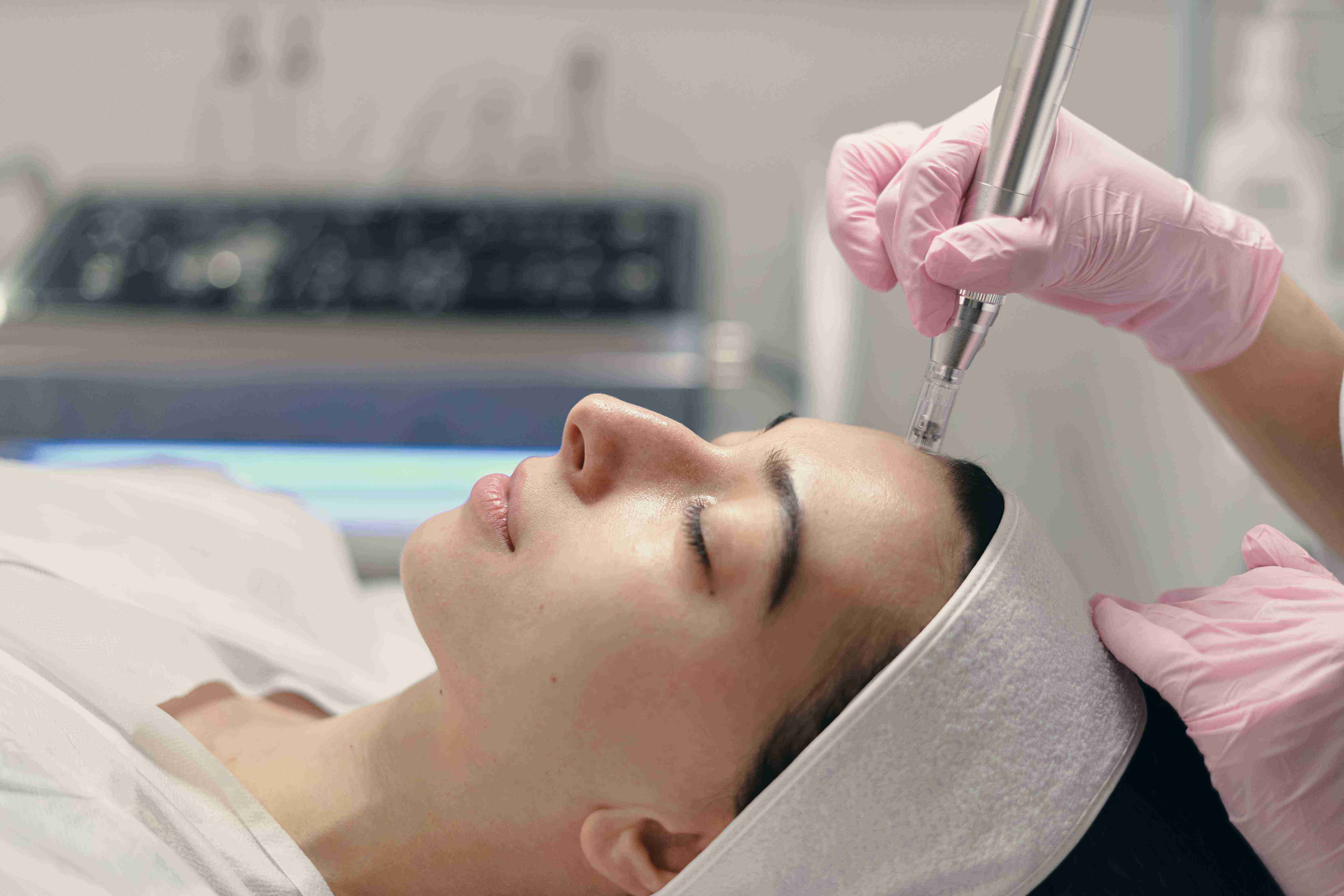
Dermapen microneedling for pigmentation works by accelerating epidermal turnover and improving the delivery of depigmenting agents into the skin layers where melanin accumulates. The device creates thousands of controlled micro-channels that disrupt the melanin-laden upper skin layers while triggering a renewal response that replaces pigmented cells with fresh, evenly-toned keratinocytes.
How Dermapen Microneedling Works
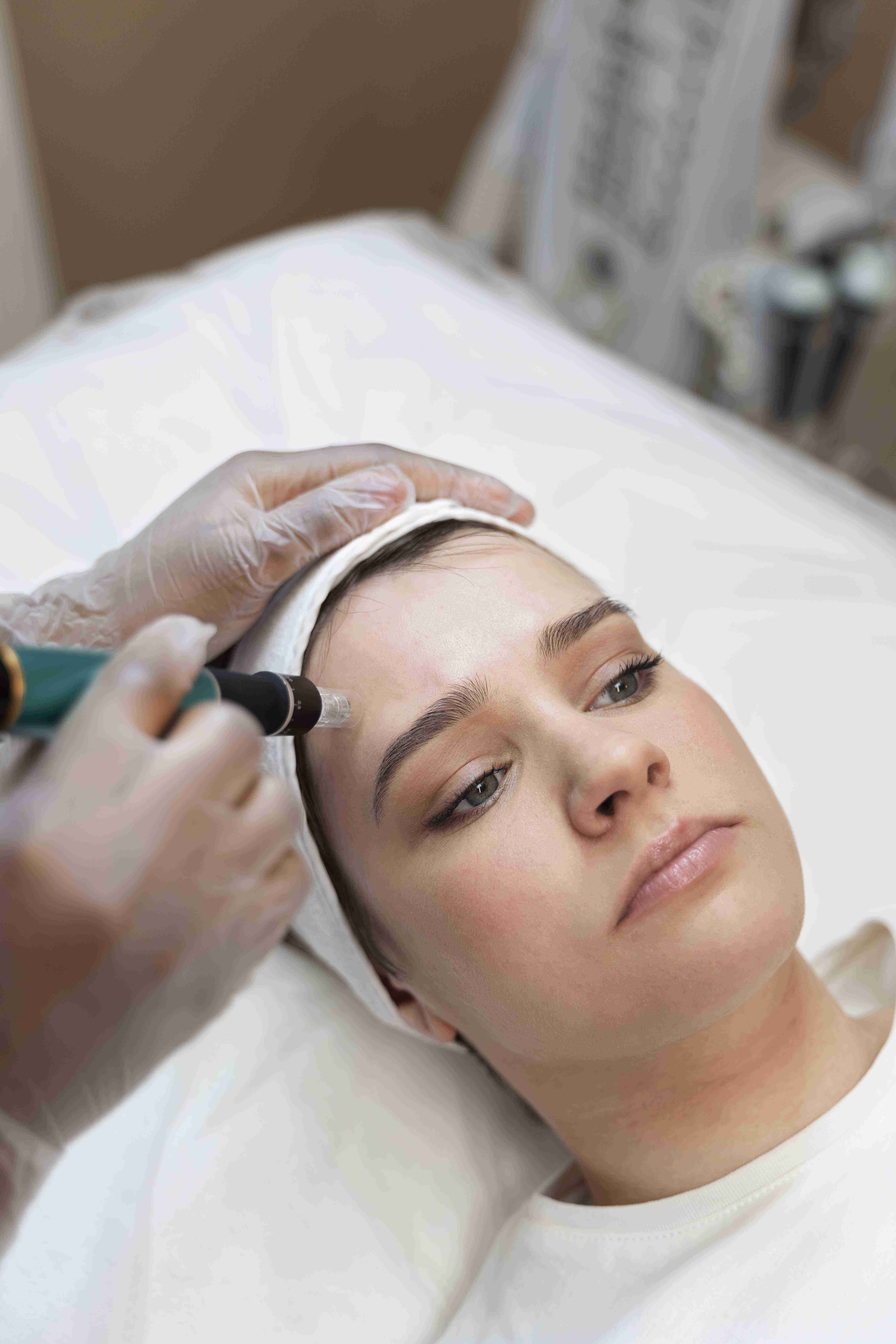
Dermapen uses tiny, sterile needles to create microchannels in the skin, which:

Pigmentation conditions vary significantly in their depth, cause, and treatment response. Melasma involves melanin deposits in both the epidermis and dermis, driven by UV exposure, hormones, and increased dermal vascularity. Post-inflammatory hyperpigmentation sits primarily in the upper layers and results from acne, eczema, or skin injury. Sun damage presents as focal spots with defined borders.
Treating Pigmentation with Dermapen
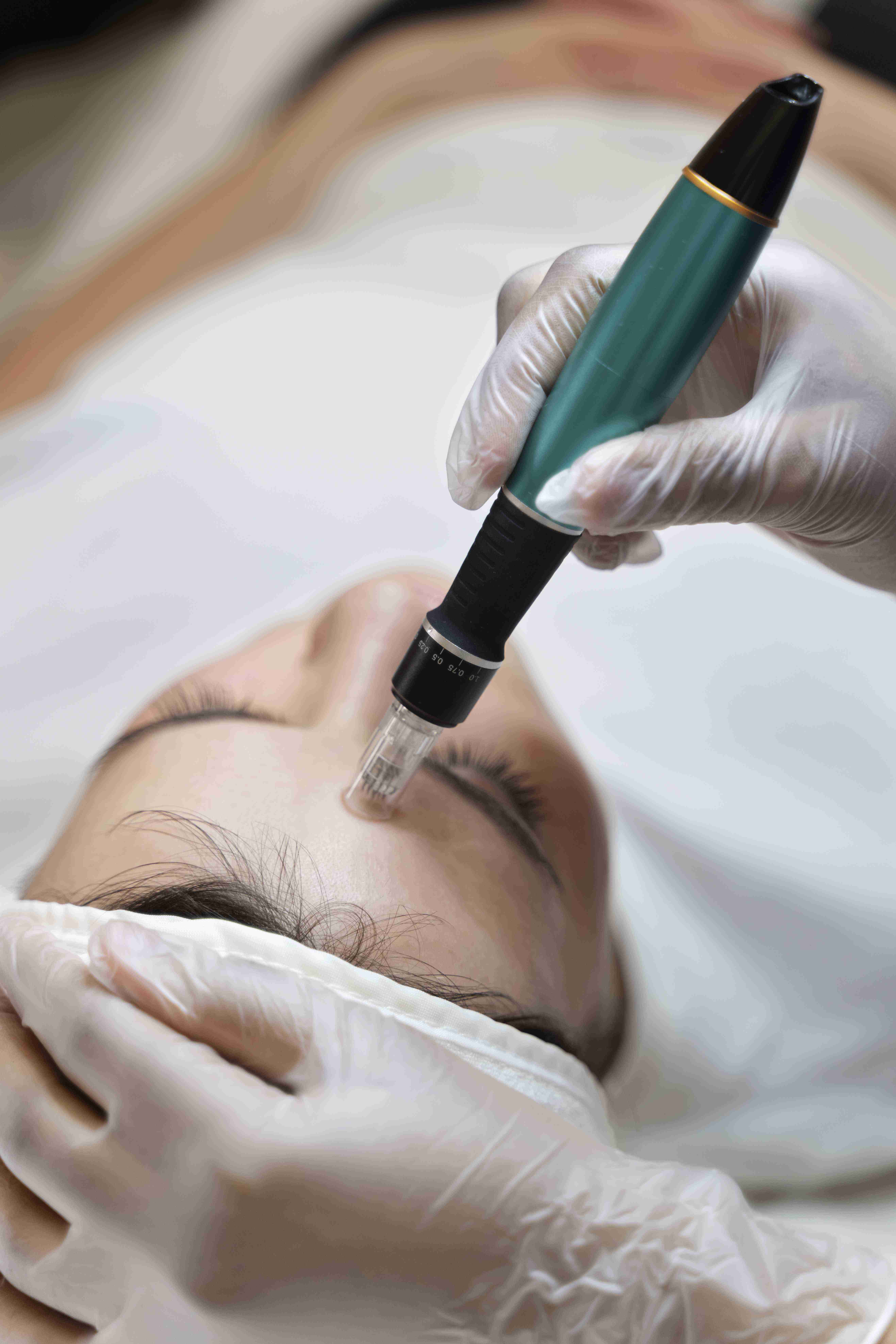
Dermapen treatment for pigmentation at Claire Derma uses a specifically modified protocol compared to standard anti-aging or scar microneedling. Needle depth is kept shallower — 0.5 to 1.0 millimetre — and the number of passes is limited to two per zone to minimise the inflammatory response.
Benefits of Dermapen Microneedling for Pigmentation
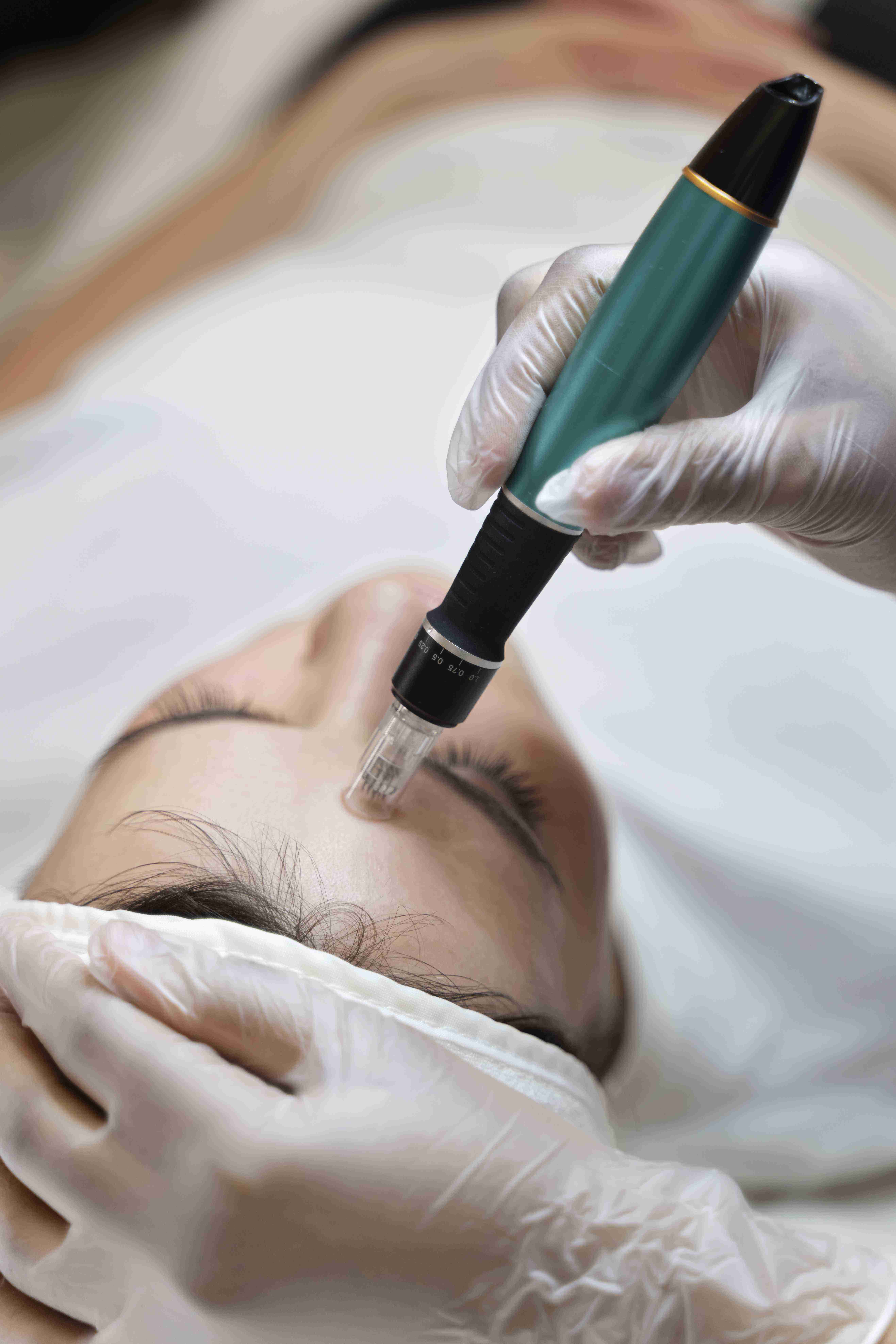
The Dermapen offers a measured approach to pigmentation treatment that sits between gentle topical regimens and aggressive laser interventions. Topical depigmenting creams work slowly because the skin barrier limits how much active ingredient reaches melanocytes. Lasers can produce rapid results but carry pigmentation risks — particularly Q-switched lasers on melasma, which frequently causes rebound darkening.
Ideal Candidates for the Treatment
This treatment is ideal for individuals who:
Aftercare for Dermapen pigmentation treatment is critical because the skin is more vulnerable to UV-triggered melanocyte activation during the healing phase. At Claire Derma, we require daily broad-spectrum SPF 50 application — reapplied every two hours during outdoor exposure — throughout the entire treatment course and beyond. For the first 48 hours post-treatment, use only the prescribed gentle cleanser and barrier repair cream. Resume your depigmenting home regimen on day three.
The Treatment Process
01
Consultation & Skin Assessment
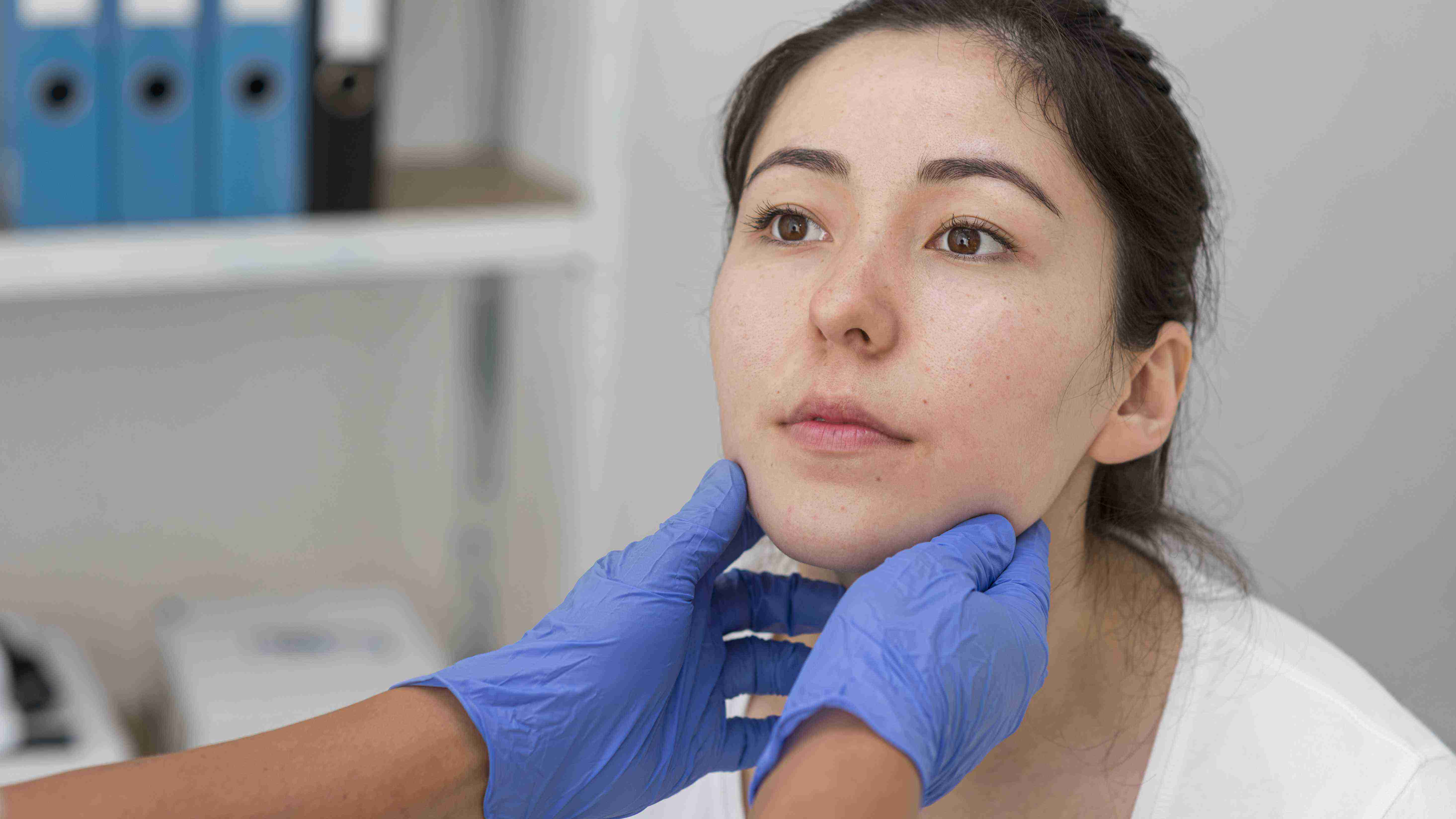
The dermatologist evaluates pigmentation type and severity. Your dermatologist examines pigmentation using Wood's lamp to determine melanin depth — epidermal, dermal, or mixed. We photograph affected areas under standardised lighting, assess your skin type and previous treatment history, and design a Dermapen protocol with shallow depth settings and serum selection tailored to.
02
Preparation
The skin is cleansed, and a numbing cream is applied for comfort. The face is cleansed and topical anaesthetic cream is applied for 20 to 30 minutes. Our dermatologist selects a fine needle cartridge and sets the Dermapen to 0.5 to 1.0 millimetre depth.
03
Dermapen Microneedling
The Dermapen device is applied across affected areas. The Dermapen passes across pigmented zones in two controlled sweeps at shallow depth. Depigmenting serum is applied continuously as the glide medium, penetrating through micro-channels to reach melanocytes directly. The limited-pass strategy minimises inflammation while maximising ingredient delivery. Full-face treatment takes 30 to 40 minutes.
04
Post-Treatment Care
Strict sun protection and brightening skincare are recommended. Mild pinkness lasts 12 to 24 hours. Apply barrier cream and broad-spectrum SPF 50 from day one. Use only gentle cleanser for 48 hours, then resume depigmenting home products on day three. Avoid retinoids and acids for five days.
Expected Results & Recovery

Visible improvements over several weeks.
Reduction in pigmented areas.
Slight redness may last 1–2 days.
Continued improvement for months after treatment.

Got Questions?We've Got Answers
Find answers to the most common questions about our treatments, procedures, and recovery process. If you can't find what you're looking for, our support team is always here to help.
Typically, 4–6 sessions spaced 4 weeks apart show the best results.
Yes, it is safe and effective for all skin tones, including darker skin.
Yes, but it is most effective when combined with brightening serums and SPF protection.
Mild flaking or dryness may occur as the skin renews itself.
With proper sun protection and skincare, results can last for years.
When performed at the conservative depths used for pigmentation (0.5 to 1.0 millimetre) with a limited-pass protocol, the risk of worsening pigmentation is very low. Problems arise when microneedling is performed too deep on pigmentation-prone skin, generating enough inflammation to activate melanocytes.
Chemical peels and Dermapen microneedling both accelerate cell turnover to clear pigmented skin cells, but they work through different mechanisms. Peels use acid solutions to dissolve the upper skin layers — effective but carrying a risk of uneven penetration and inflammatory rebound in darker skin tones. The Dermapen creates uniform micro-channels mechanically, producing consistent results with less inflammation.
Between sessions, a consistent depigmenting home regimen maximises your results. Our dermatologists at Claire Derma typically prescribe a combination of tranexamic acid or azelaic acid in the morning under SPF 50, and a retinoid at night to maintain accelerated cell turnover. Niacinamide and vitamin C serums provide additional melanin-inhibiting support. The specific products and concentrations are adjusted based on your skin type and sensitivity.
Most melasma patients at Claire Derma require four to six sessions spaced three to four weeks apart for initial improvement. Visible lightening typically begins after the second or third session. Because melasma is a chronic condition influenced by hormones and UV exposure, maintenance sessions every two to three months are usually recommended to sustain results.