
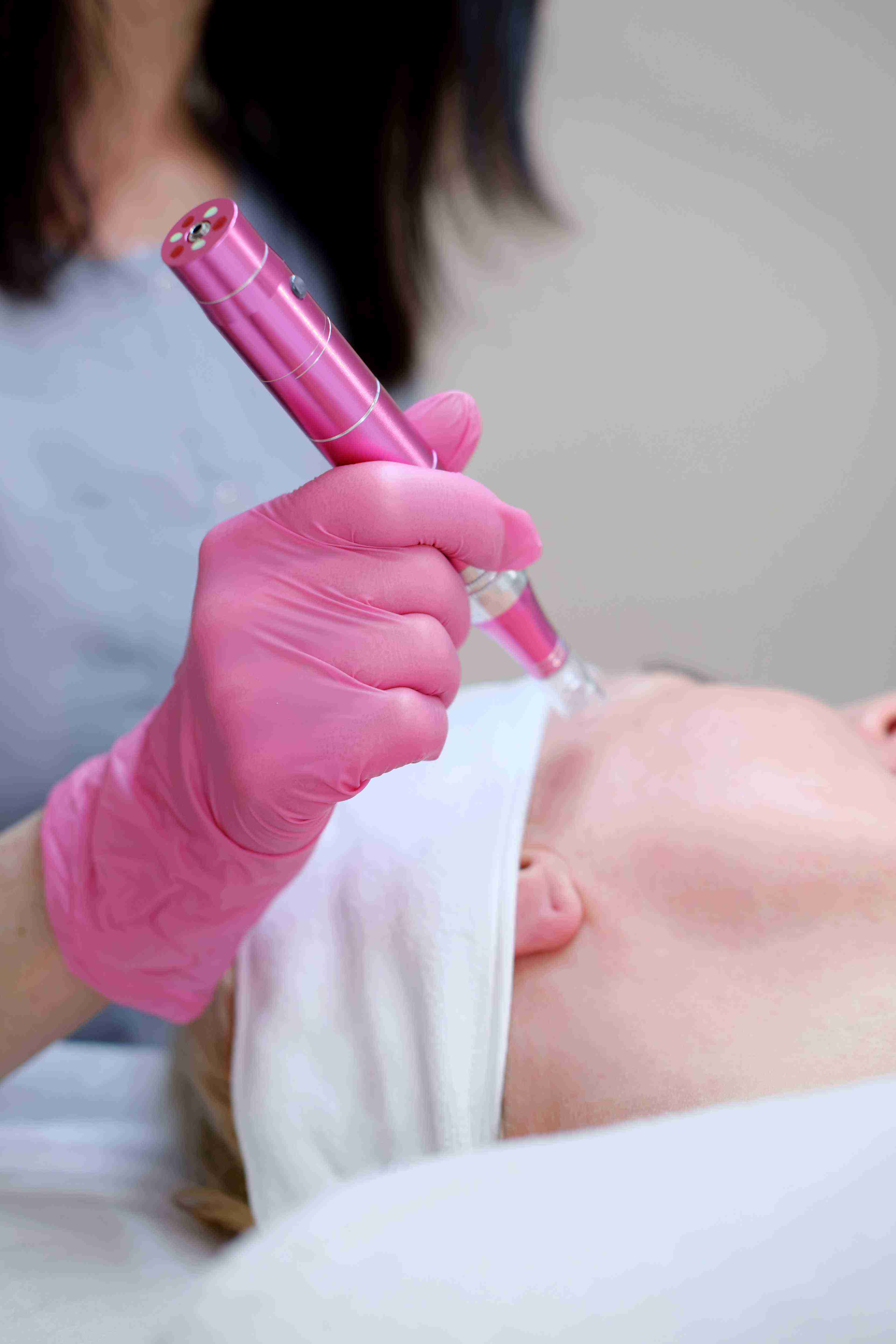
Introduction to Dermapen Microneedling
Stretch marks, or striae, occur when the skin is stretched rapidly due to factors such as pregnancy, weight fluctuations, or growth spurts. These marks develop when collagen and elastin fibers break down, leading to visible streaks on the skin. Dermapen is an advanced microneedling treatment designed to stimulate collagen production and accelerate skin repair. By creating controlled micro-injuries, this treatment reduces the appearance of stretch marks, improving skin texture and tone over time.
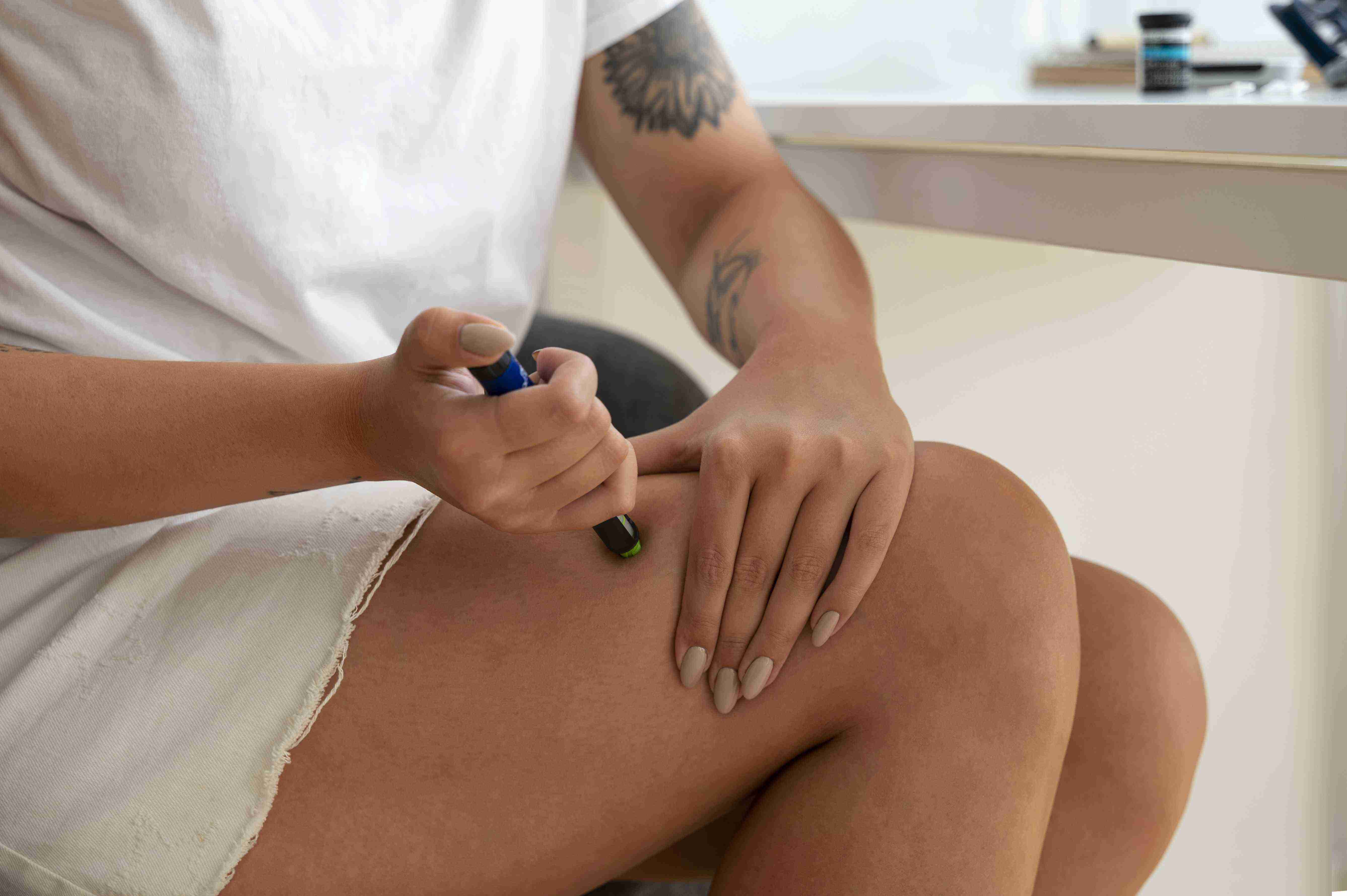
Dermapen treatment for stretch marks uses an automated microneedling device to create thousands of precisely controlled micro-injuries in the scarred dermis, triggering a wound-healing cascade that produces new collagen and elastin fibres. Unlike manual derma rollers, the Dermapen's motorised needle cartridge moves vertically — puncturing the skin straight down and retracting cleanly — which minimises lateral tearing and allows treatment at greater depths (up to 2.5 millimetres) with less surface trauma.
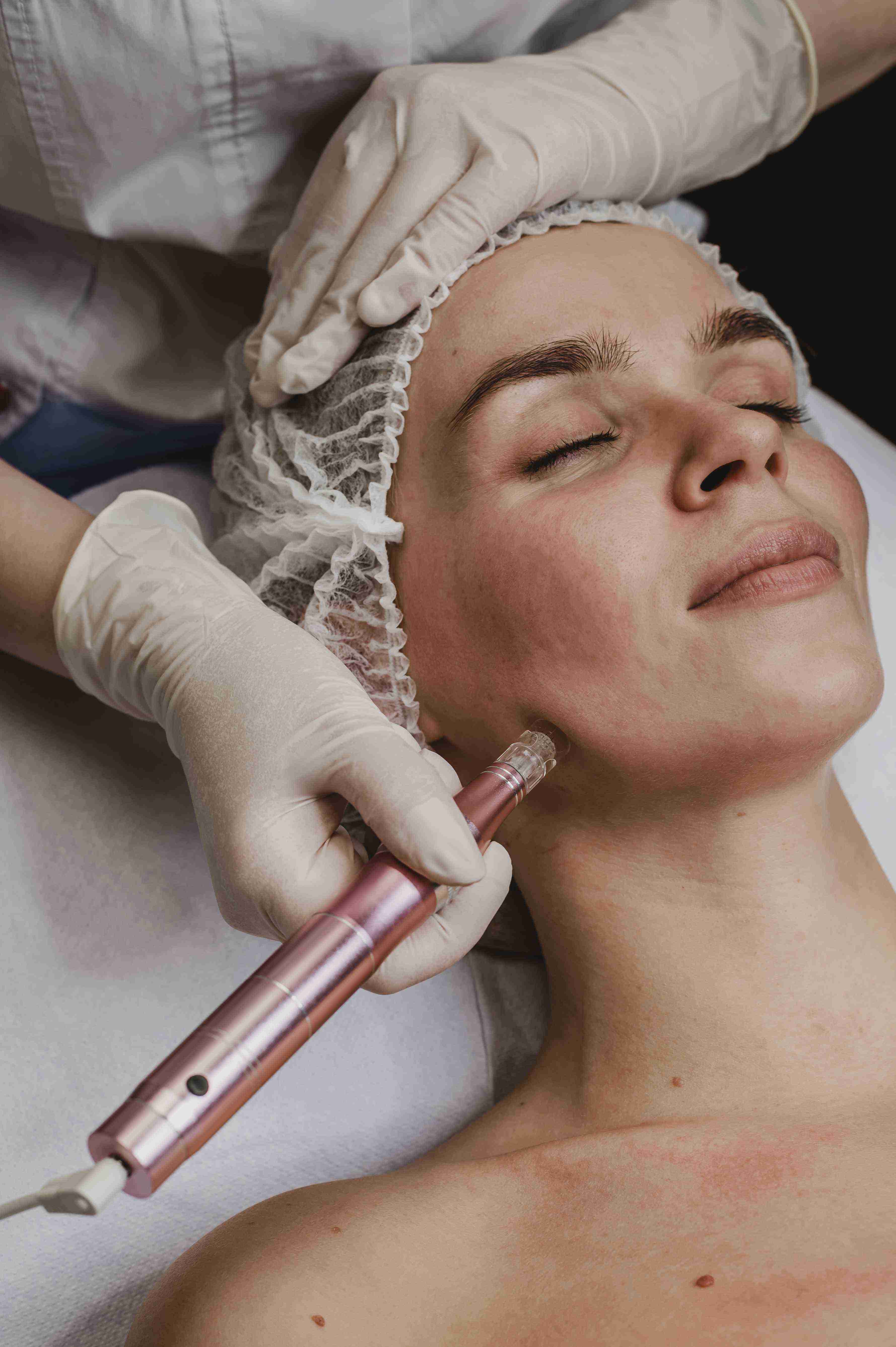
How Dermapen Microneedling Works
Dermapen uses tiny, sterile needles to create microchannels in the skin, which:

The Dermapen's adjustable speed and depth settings make it particularly effective for treating stretch marks across different body zones in a single session. Our dermatologists at Claire Derma adjust parameters as they move between areas — increasing depth on the abdomen and hips where skin is thicker, reducing it on the inner thighs and flanks where skin is thinner and.
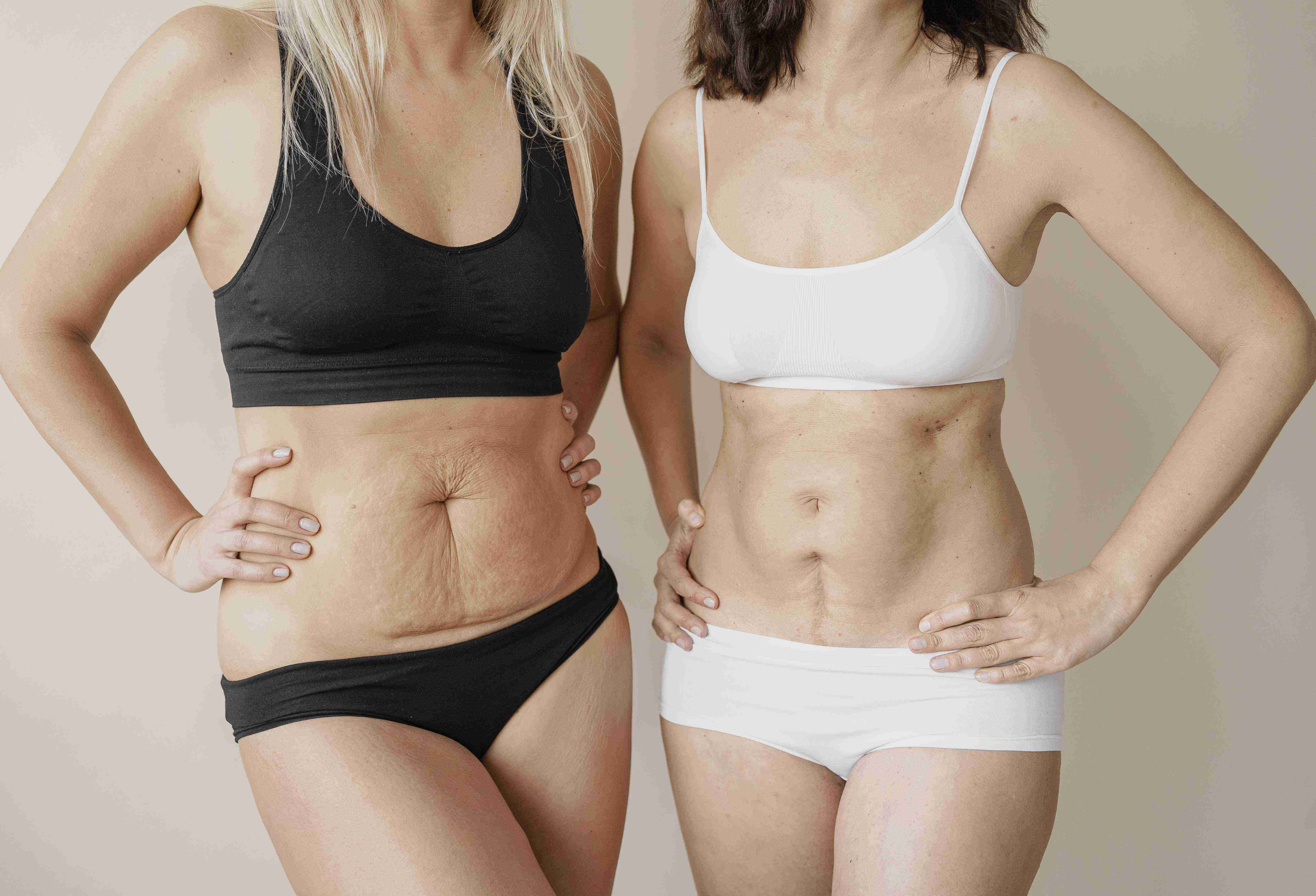
Treating Stretch Marks with Dermapen
At Claire Derma, Dermapen sessions for stretch marks follow a structured protocol that maximises collagen induction while managing patient comfort. The treatment area is cleaned and a topical anaesthetic cream is applied 30 minutes before the procedure.
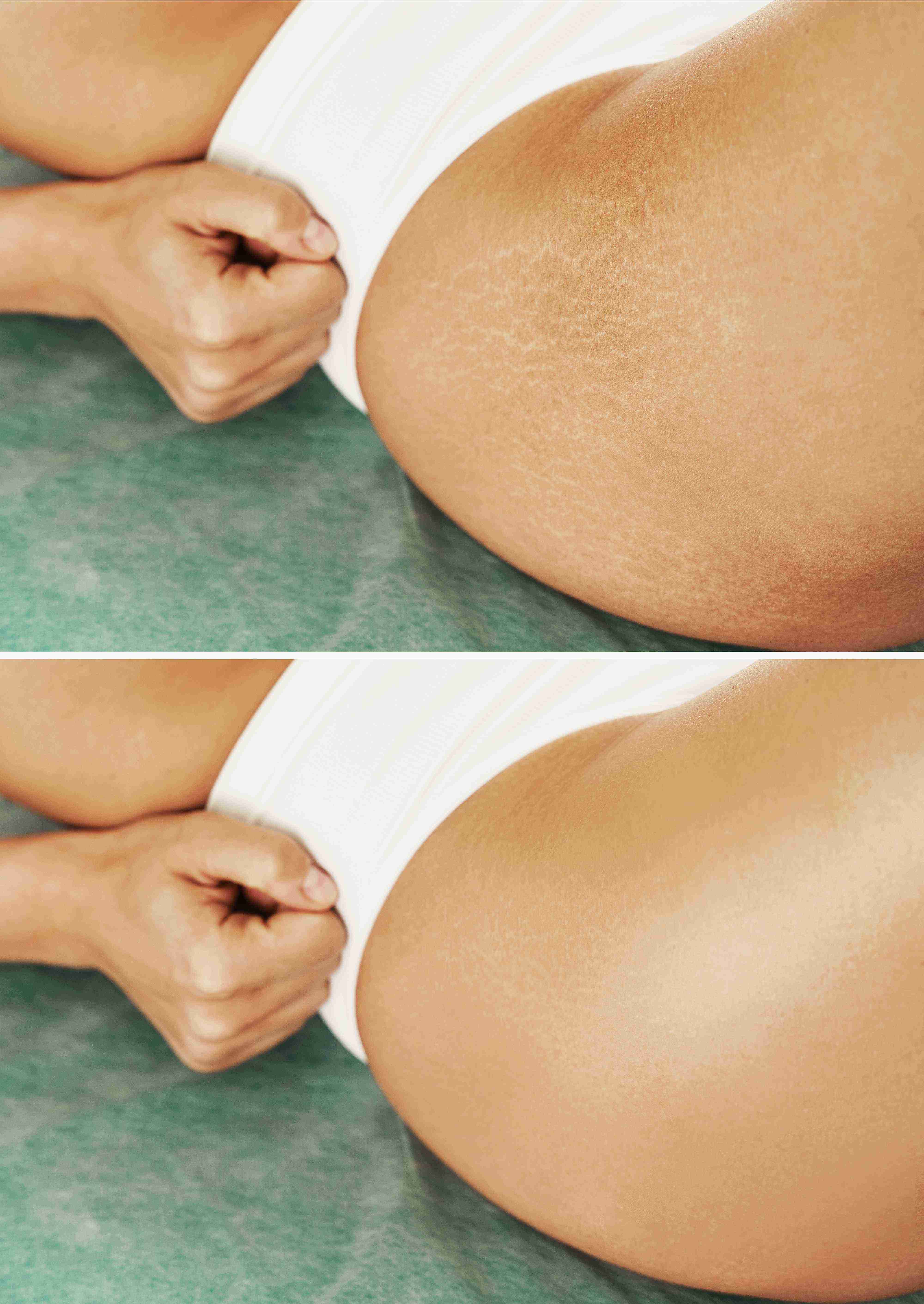
Benefits of Dermapen Microneedling for Stretch Marks
Dermapen microneedling offers distinct advantages over both manual derma rollers and ablative laser treatments for stretch marks. Compared to manual rollers, the automated vertical needle action reaches deeper into the dermis with less epidermal trauma, producing stronger collagen induction with shorter recovery.
Ideal Candidates for the Treatment
This treatment is ideal for individuals who:
Post-treatment care for Dermapen stretch mark sessions is straightforward. The treated skin will appear red and feel warm — similar to moderate sunburn — for 24 to 48 hours. Mild swelling in treated areas is normal and subsides within two to three days. We advise applying the prescribed barrier repair cream twice daily and avoiding scented body products, chlorinated pools, and direct sun exposure on the treated areas for one week.
The Treatment Process
01
Consultation & Skin Assessment
The dermatologist evaluates the stretch marks and tailors the treatment plan. Your dermatologist examines stretch marks by location, width, depth, and colour to classify them as rubra or alba. We photograph each treatment zone under standardised lighting, assess skin thickness in each area, and plan needle depths and session count — typically four to six sessions.
02
Preparation
The skin is cleansed, and a numbing cream is applied for comfort. The treatment area is cleaned with antiseptic solution and topical anaesthetic cream is applied 30 minutes before the procedure. Our dermatologist selects the appropriate needle cartridge and calibrates the Dermapen depth settings for each body zone.
03
Dermapen Microneedling
The Dermapen device is applied across the affected areas. The Dermapen is passed over each stretch mark zone two to three times at the prescribed depth, adjusted between body areas as needed. Hyaluronic acid serum is applied continuously during treatment to facilitate needle gliding and serum absorption. Pinpoint bleeding confirms adequate dermal penetration.
04
Post-Treatment Care
Use hydrating serums and avoid sun exposure for faster healing. Redness and warmth last 24 to 48 hours, with mild swelling subsiding within two to three days. Apply barrier repair cream twice daily and avoid scented products, pools, sun exposure, and heavy exercise for 48 hours. Collagen remodelling continues for eight to twelve weeks.
Expected Results & Recovery

Visible fading of stretch marks over several weeks.
Enhanced skin firmness and smoothness.
Most individuals can resume normal activities within 24–48 hours.
Continued improvement for months after treatment.
Got Questions?We've Got Answers
Find answers to the most common questions about our treatments, procedures, and recovery process. If you can't find what you're looking for, our support team is always here to help.
Typically, 4–6 sessions, spaced 4 weeks apart, yield the best results.
It significantly reduces their appearance, but complete removal is not always possible.
A numbing cream is applied, making it comfortable for most patients.
Common areas include the abdomen, thighs, hips, breasts, and arms.
With proper skincare and occasional maintenance, results can last for years.
The Dermapen uses a motorised cartridge with needles that move vertically — straight in and straight out — at adjustable depths up to 2.5 millimetres. A derma roller uses fixed-length needles on a rotating drum that enter the skin at an angle, creating more lateral drag and epidermal tearing.
Most patients at Claire Derma require four to six sessions spaced four to six weeks apart. Red or purple stretch marks (striae rubra) typically respond faster, showing noticeable improvement after two to three sessions. White or silver marks (striae alba) need the full course and sometimes additional sessions. Results are cumulative — each treatment builds on the collagen gains from previous sessions.
We apply topical anaesthetic cream 30 minutes before treatment, which significantly reduces sensation. Most patients describe the feeling as a vibrating, prickling sensation — uncomfortable but tolerable. Sensitivity varies by body area: the inner thighs and lower abdomen tend to be more sensitive than the hips or outer thighs. Our dermatologists can adjust needle depth and speed if discomfort is significant in any zone.
Yes, and this is one of the most effective combination protocols we offer at Claire Derma. PRP is applied topically to the skin during the Dermapen session, allowing concentrated growth factors to penetrate through the thousands of micro-channels into the mid-dermis where stretch mark damage sits. The PRP amplifies the collagen-building response triggered by the microneedling, producing more significant improvement than either treatment alone.