


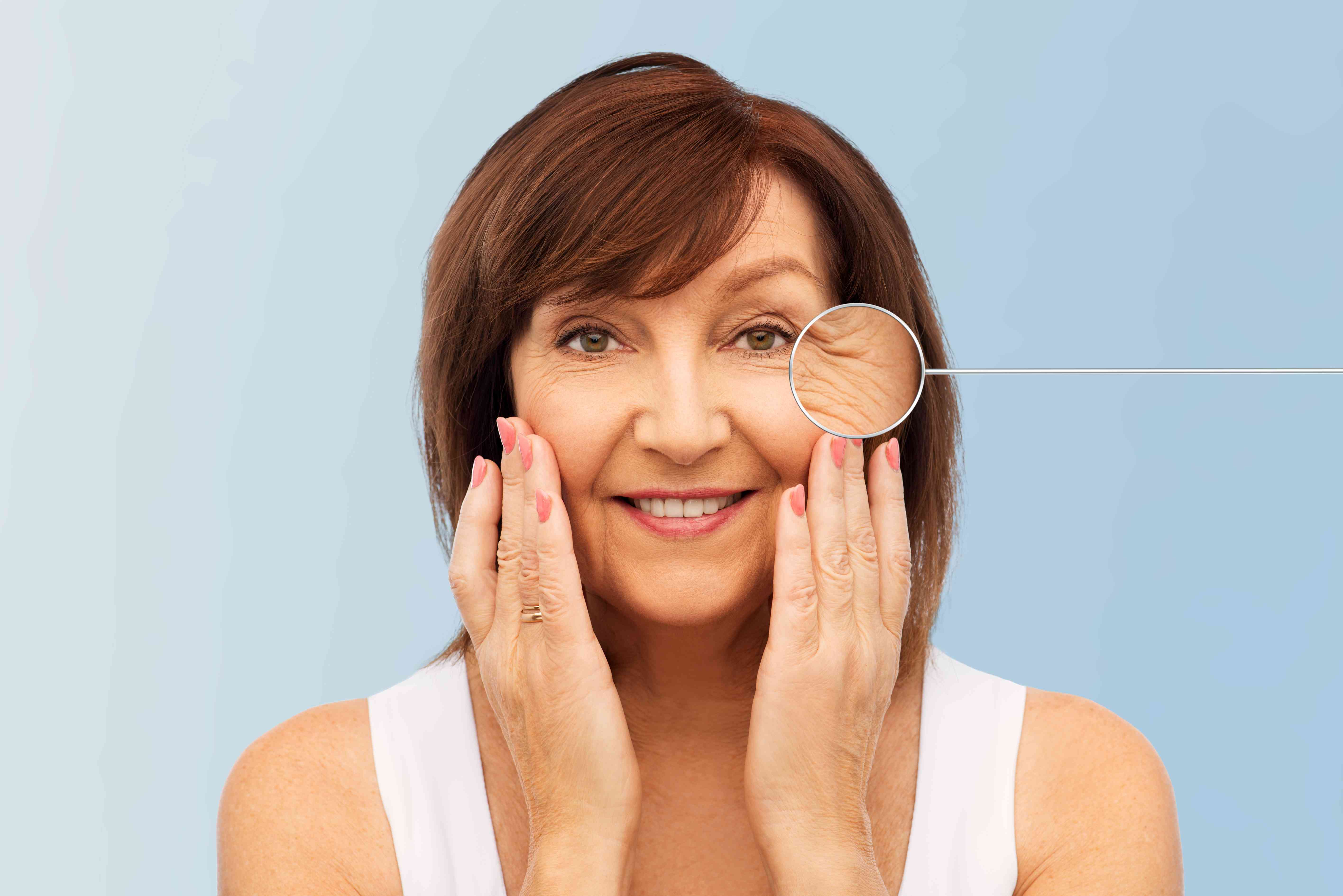




Electrolyte-Infused Skincare: Why Minerals Matter for Healthy, Glowing Skin
Discover how electrolyte-infused skincare supports hydration, barrier repair, and glowing skin. Learn about key minerals like magnesium, potassium, and calcium.
Read article

Recurrent genital warts refer to the reappearance of genital warts after they have previously been treated or cleared. This occurs because the Human Papillomavirus (HPV) can remain dormant in the skin even after visible warts are removed.
Recurrence can vary in frequency, size, and number of lesions. Without proper management, recurrent genital warts may cause ongoing discomfort, anxiety, and cosmetic concerns. Professional care focuses on controlling outbreaks and reducing the chances of repeated flare-ups.
HPV can persist in the skin even when no visible warts are present. Treatment focuses on removing visible lesions while helping control viral activity.
The virus may remain dormant after initial treatment.
Factors such as lowered immunity, stress, or skin irritation may trigger recurrence.
New lesions can appear weeks or months after previous treatment.
Early management helps reduce the severity and frequency of future outbreaks.
Effective control of recurring lesions
Reduced frequency and severity of future outbreaks
Relief from persistent irritation or discomfort
Improved long-term skin health and confidence
Structured follow-up for ongoing monitoring
This treatment may be suitable for individuals who:
Experience repeated episodes of genital warts
Notice new lesions after previous successful treatment
Develop multiple or spreading warts over time
Want long-term management instead of one-time removal
Seek professional evaluation for recurring symptoms
A confidential consultation is conducted to review symptoms and previous treatment history.
A detailed examination helps assess the recurrence pattern and current lesion status.
Appropriate topical therapies or in-clinic procedures are selected based on current lesions and recurrence severity.
Patients receive guidance on skin care, immune health, and scheduled follow-up visits.

Gradual reduction and removal of recurrent lesions
Minimal downtime following treatment
Temporary redness or mild sensitivity may occur
Reduced recurrence rates with consistent monitoring and care
Treatment aims to remove visible warts, control viral activity, and reduce the risk of recurrence. Depending on the condition, management may include…
At Claire Derma, we provide comprehensive evaluation and treatment for bacterial STIs, focusing on accurate diagnosis, targeted antibiotic therapy…
At Claire Derma, we provide accurate diagnosis and personalized treatment for fungal genital infections, focusing on eliminating the infection…
Discover how electrolyte-infused skincare supports hydration, barrier repair, and glowing skin. Learn about key minerals like magnesium, potassium, and calcium.
Read article
Find out how the skinminimalism trend can make your skincare routine easier in 2025. Find out how using fewer products that do more than one thing can help your skin, save you money, and make you less irritated.
Read article
Discover how chemical peels can transform your skin. Learn about different types, benefits, and aftercare tips for the best results.
Read articleFind answers to the most common questions about our treatments, procedures, and recovery process. If you can't find what you're looking for, our support team is always here to help.
5 questions
HPV can remain dormant in the skin and reactivate under certain conditions such as stress or lowered immunity.
The virus cannot always be completely eliminated, but proper management can effectively control recurrences.
Yes. Recurrent cases often require a more tailored treatment approach and closer follow-up.
No. Recurrence is common with HPV infections and does not mean the previous treatment was ineffective.
Yes. Regular monitoring helps detect early recurrence and maintain better long-term results.