
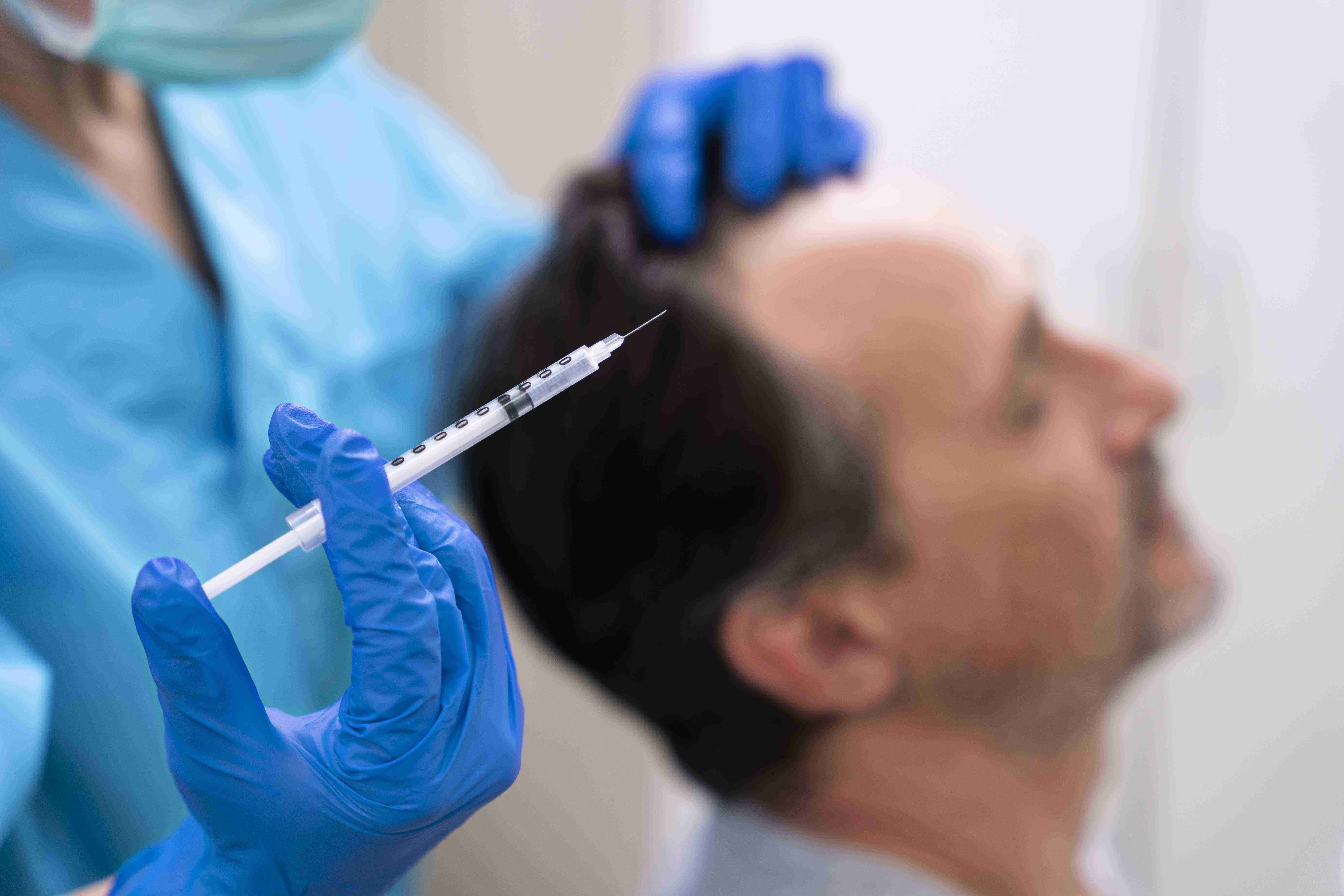
Introduction to GFC & PRP for Hair Restoration
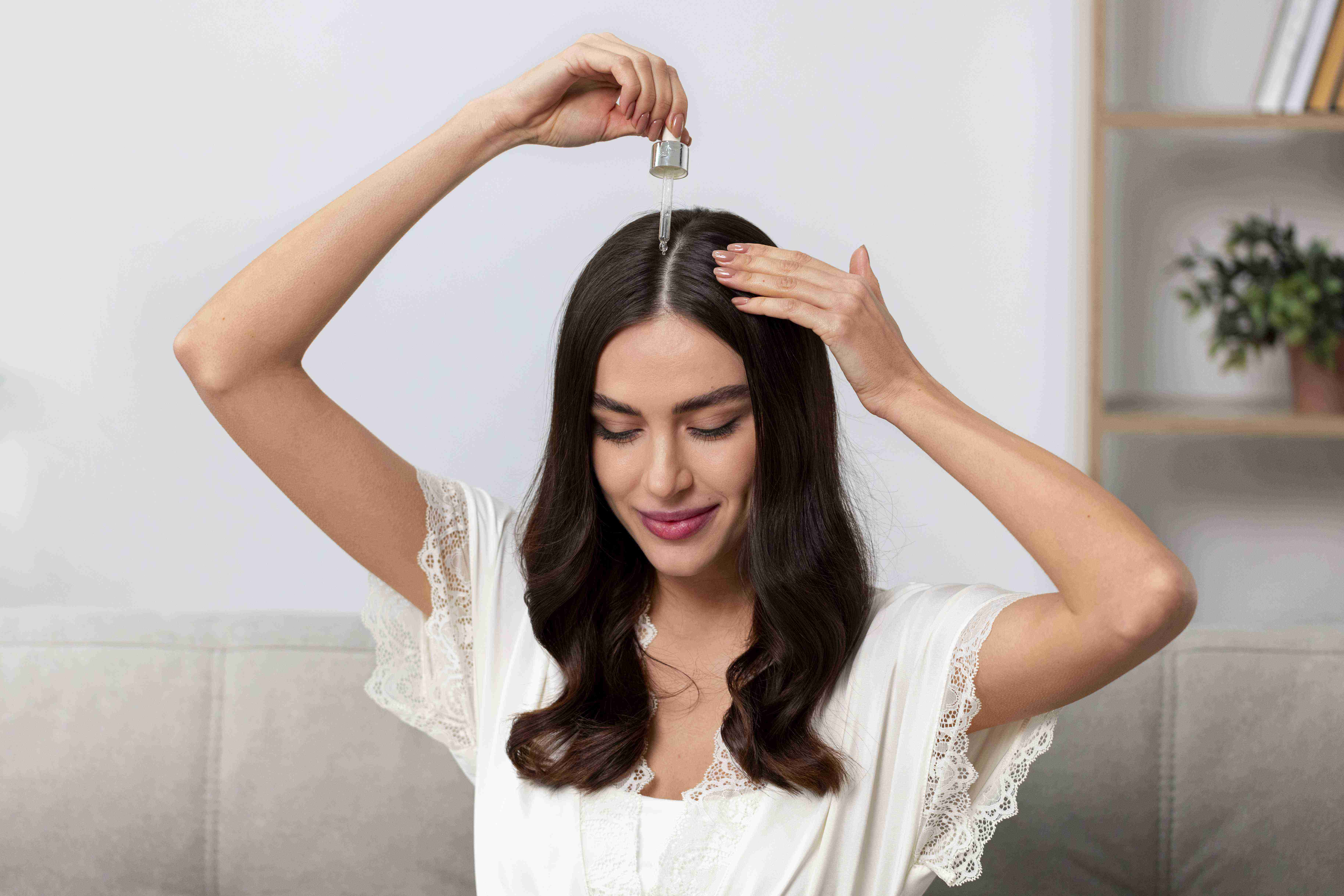
Hair loss can occur due to genetics, aging, hormonal imbalances, stress, and lifestyle factors. Growth Factor Concentrate (GFC) and Platelet-Rich Plasma (PRP) therapies are advanced, non-surgical treatments designed to stimulate hair regrowth, strengthen hair follicles, and improve scalp health. Both treatments use natural growth factors from the patient’s own blood to repair damaged hair follicles, enhance blood circulation to the scalp, and promote the regrowth of thicker, healthier hair.
Growth factor therapy for hair loss uses concentrated bioactive proteins derived from platelet-rich plasma (PRP) or commercially prepared growth factor serums to stimulate dormant hair follicles and prolong the active growth phase (anagen) of the hair cycle. At Claire Derma, our dermatologists inject these growth factor preparations directly into the scalp at the level of the dermal papilla — the structure at the base of each follicle responsible for regulating hair growth.
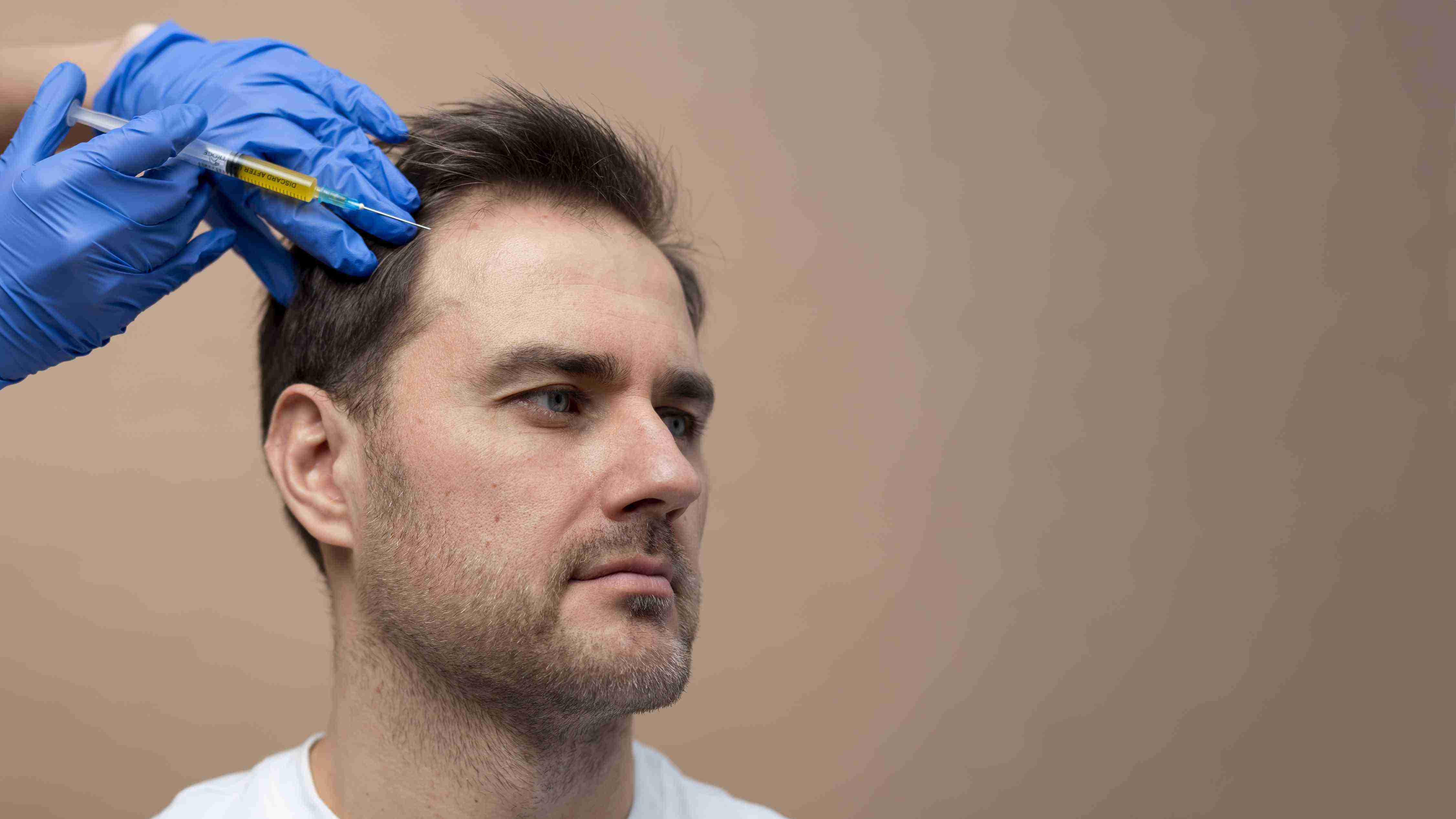
How GFC & PRP Work
These treatments harness the power of the body’s own growth factors and platelets to rejuvenate the scalp and stimulate hair follicles.

The growth factors used in hair restoration therapy each have a distinct biological function. Platelet-derived growth factor (PDGF) stimulates cell proliferation around the hair bulb. Vascular endothelial growth factor (VEGF) promotes new blood vessel formation, improving the oxygen and nutrient supply that sustaining follicles need. Fibroblast growth factor (FGF) supports the dermal papilla cells that control the hair cycle.
Treating Hair Loss with GFC & PRP
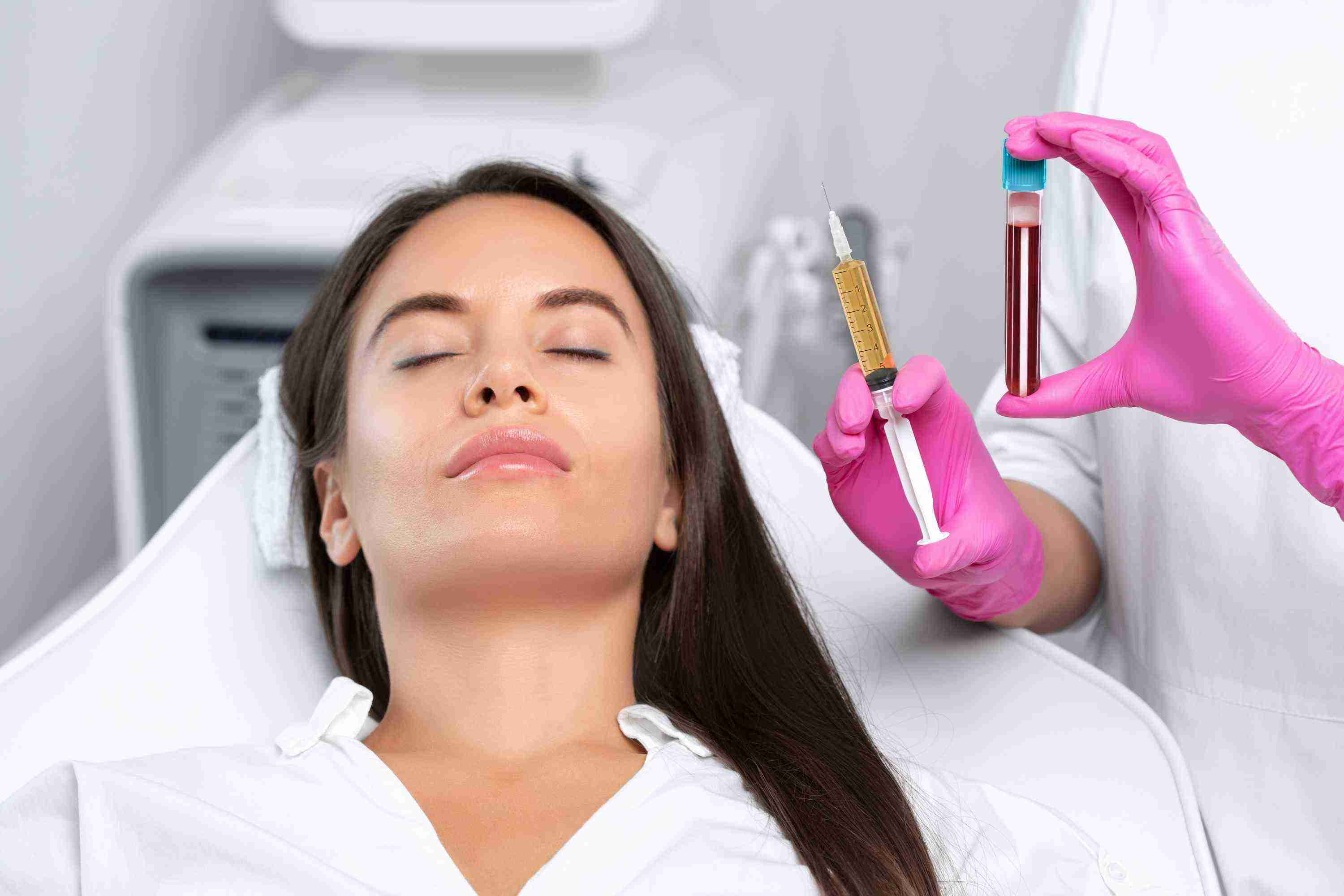
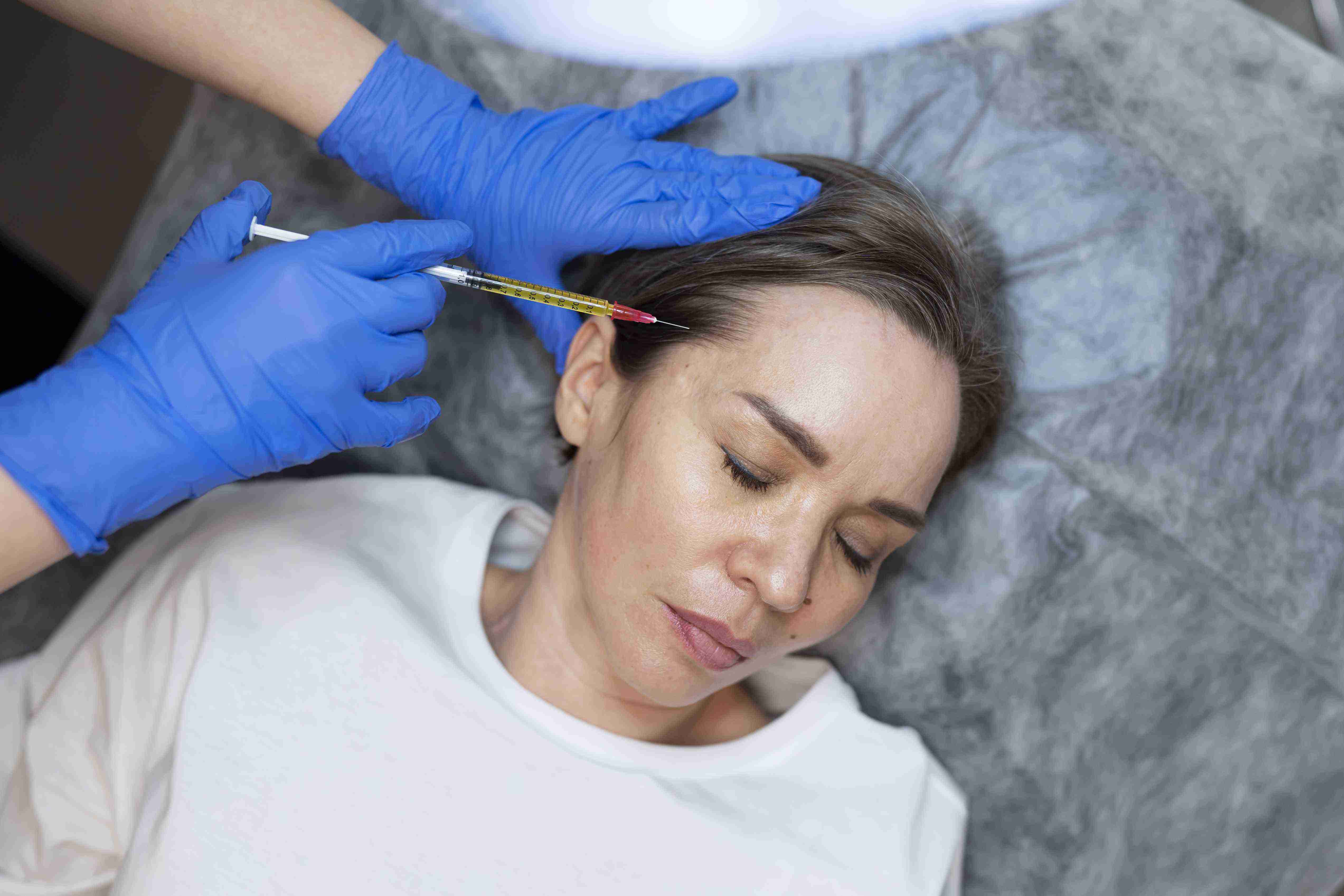
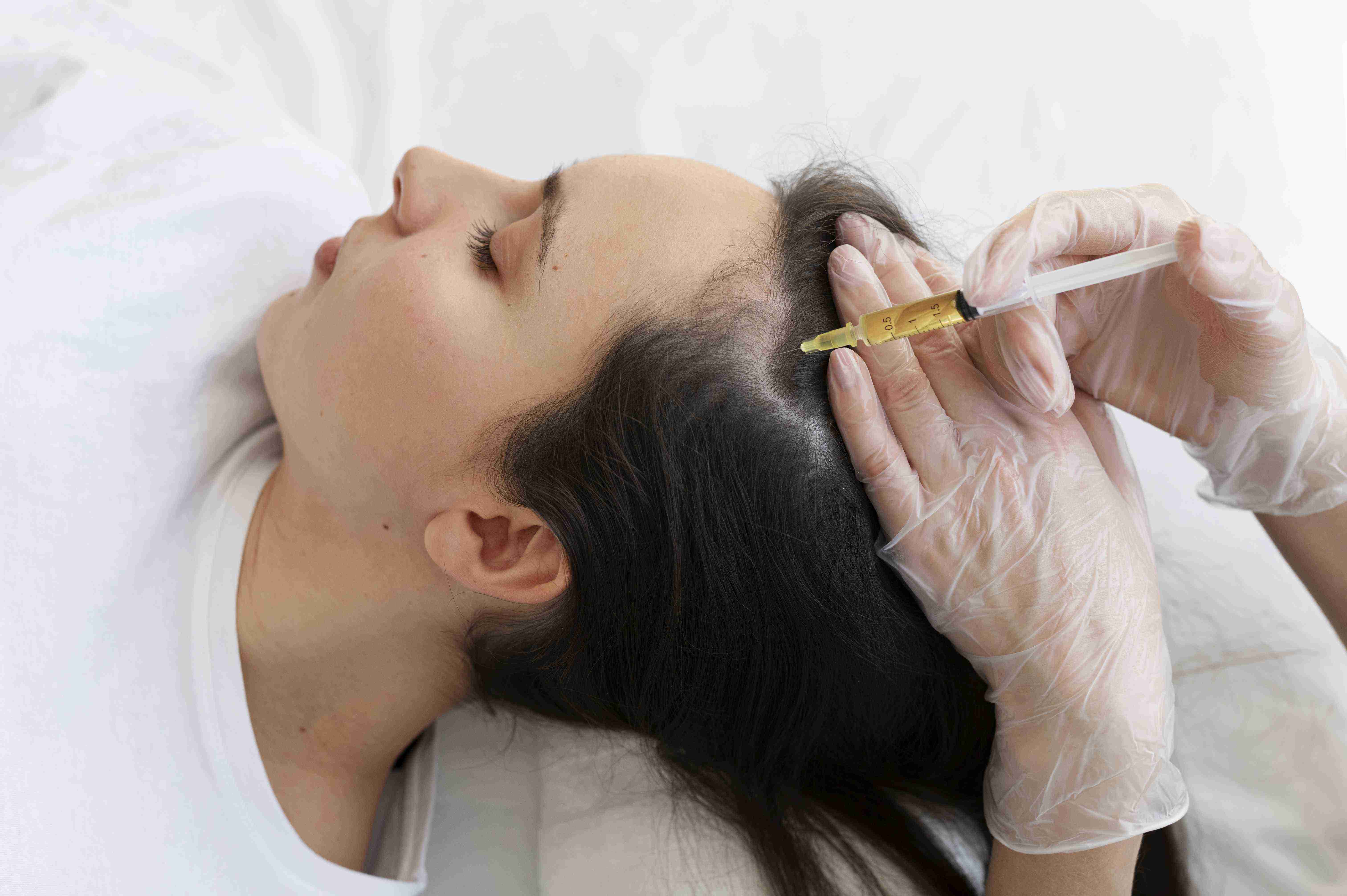
Growth factor therapy at Claire Derma involves a series of scalp injection sessions spaced four to six weeks apart, with a typical initial course of three to four treatments. Using fine 30-gauge needles or a mesotherapy injection device, the growth factor solution is delivered in a grid pattern across the thinning areas at a depth of 2 to 3mm.
Benefits of GFC & PRP for Hair Restoration
Growth factor therapy addresses hair loss at the biological level — targeting the cellular mechanisms that control follicle activity rather than simply masking thinning. Oral medications like finasteride block DHT but carry systemic side effects. Topical minoxidil improves blood flow but requires indefinite twice-daily application.
Ideal Candidates for GFC & PRP Therapy
This treatment is ideal for individuals who:
Visible results from growth factor therapy develop over three to six months as follicles transition from dormant or miniaturised states into active growth. The first signs are typically reduced shedding — noticed around six to eight weeks after the initial session — followed by visible regrowth of finer hairs that progressively thicken.
The Treatment Process
01
Consultation & Scalp Analysis
The dermatologist evaluates the pattern and severity of hair loss. Your dermatologist performs a full scalp examination using digital dermoscopy and trichoscopy to assess hair density, miniaturisation ratio, and follicle viability. Blood work may be ordered to rule out thyroid dysfunction, iron deficiency, or hormonal imbalances contributing to hair loss.
02
Blood Collection & Processing
A small amount of blood is drawn and processed to extract PRP or GFC. On treatment day, if using autologous PRP, a blood draw is taken and processed through centrifugation to isolate the platelet-rich fraction. The scalp is cleansed with antiseptic solution. A topical anaesthetic or nerve block may be administered to minimise injection discomfort.
03
Scalp Injection
The solution is injected into targeted areas using fine needles. The growth factor preparation is injected across the thinning zones using fine 30-gauge needles in a systematic grid pattern at 2 to 3mm depth. Each injection delivers a small bolus of concentrated growth factors to the dermal papilla level.
Expected Results & Recovery

Patients notice less shedding and improved scalp health.
Hair begins to appear thicker, stronger, and fuller.
Results can last 6–12 months, with maintenance sessions recommended.
Resume normal activities immediately after treatment.
Got Questions?We've Got Answers
Find answers to the most common questions about our treatments, procedures, and recovery process. If you can't find what you're looking for, our support team is always here to help.
Typically, 4–6 sessions spaced 3–4 weeks apart are required for optimal results.
It is most effective for early-stage hair loss and thinning hair but less effective for complete baldness.
Mild discomfort may be felt during injections, but numbing creams can be applied for comfort.
The entire procedure takes 30–45 minutes, making it a quick and convenient option.
It is recommended to wait at least 24 hours before washing your hair or using hair products.
Side effects are minimal and may include mild redness, swelling, or tenderness, which subside within a day.
Results last 6–12 months, and maintenance sessions every 6–8 months can prolong benefits.
Standard PRP uses your own blood, processed to concentrate platelets and their naturally occurring growth factors. Growth factor therapy is broader — it includes PRP but also covers bioengineered serums and exosome preparations that provide standardised, high-concentration growth factors without the variability inherent in autologous blood processing. At Claire Derma, we select the preparation based on your specific needs.
Reduced shedding is typically the first noticeable change, appearing around six to eight weeks after the initial session. New hair growth — initially fine vellus hairs that progressively thicken — becomes visible around three to four months. Meaningful density improvement is usually apparent at six months.
Hair loss conditions like androgenetic alopecia are progressive, so maintenance is necessary to sustain results. After the initial course of three to four sessions spaced monthly, most patients at Claire Derma transition to quarterly maintenance. Some patients who combine growth factor therapy with oral finasteride or topical minoxidil can extend maintenance intervals further.
Yes. Female pattern hair loss — characterised by diffuse thinning along the part line and crown — responds well to growth factor therapy because the miniaturised follicles in this condition retain regenerative potential. At Claire Derma, we see strong responses in women who cannot use finasteride due to pregnancy risk or side effects.