
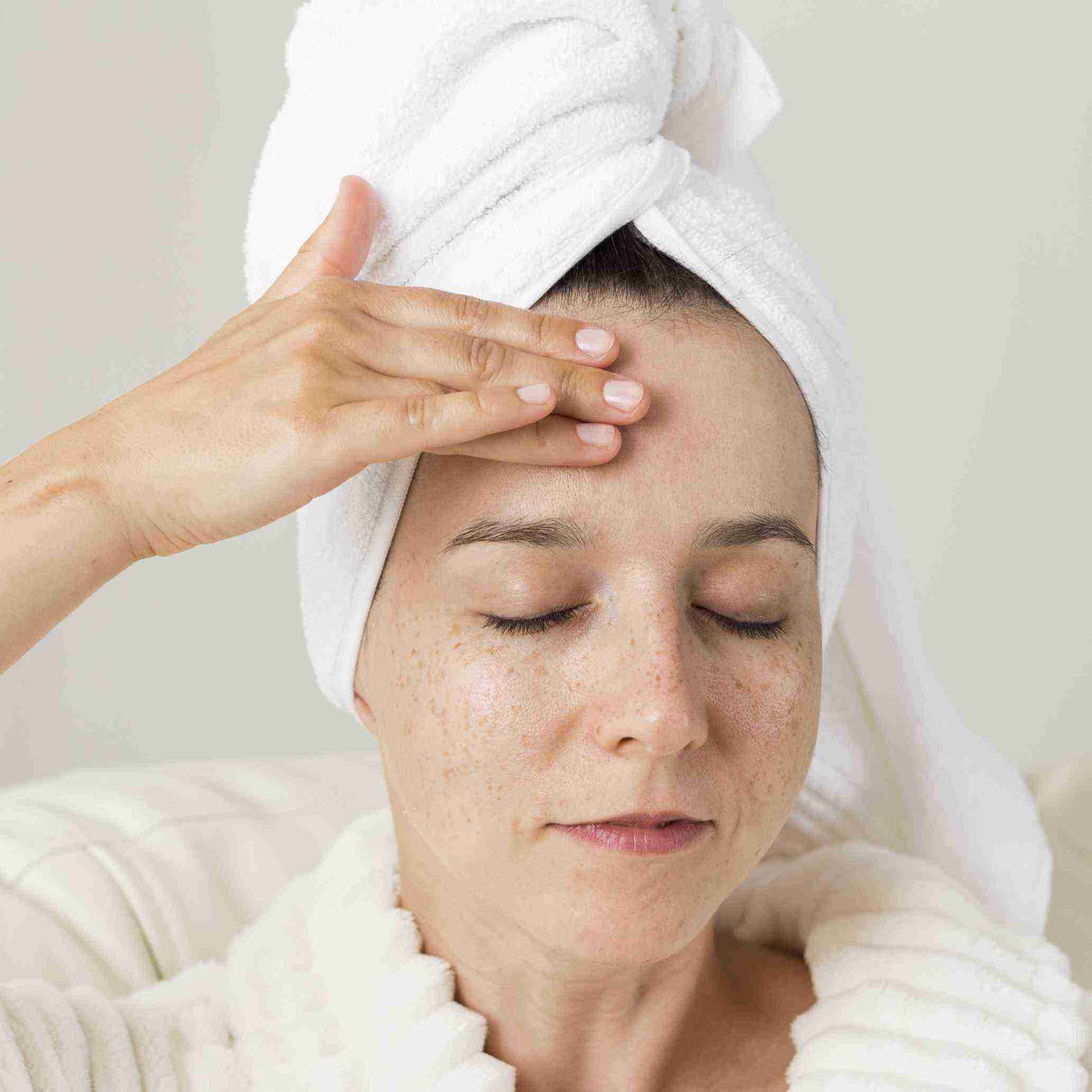
Introduction to Hair Transplant Consultation for Traction Alopecia
Traction Alopecia results from prolonged tension on the hair due to hairstyles like tight braids or ponytails. A hair transplant consultation helps evaluate the degree of follicle damage and determines whether hair restoration is appropriate.
Traction alopecia results from prolonged mechanical stress on hair follicles caused by tight hairstyles — braids, ponytails, weaves, cornrows, and extensions — that exert sustained pulling force on the follicular root. Over time, this repeated trauma damages the dermal papilla and surrounding connective tissue, leading to follicle miniaturisation and eventually permanent loss in the affected areas.
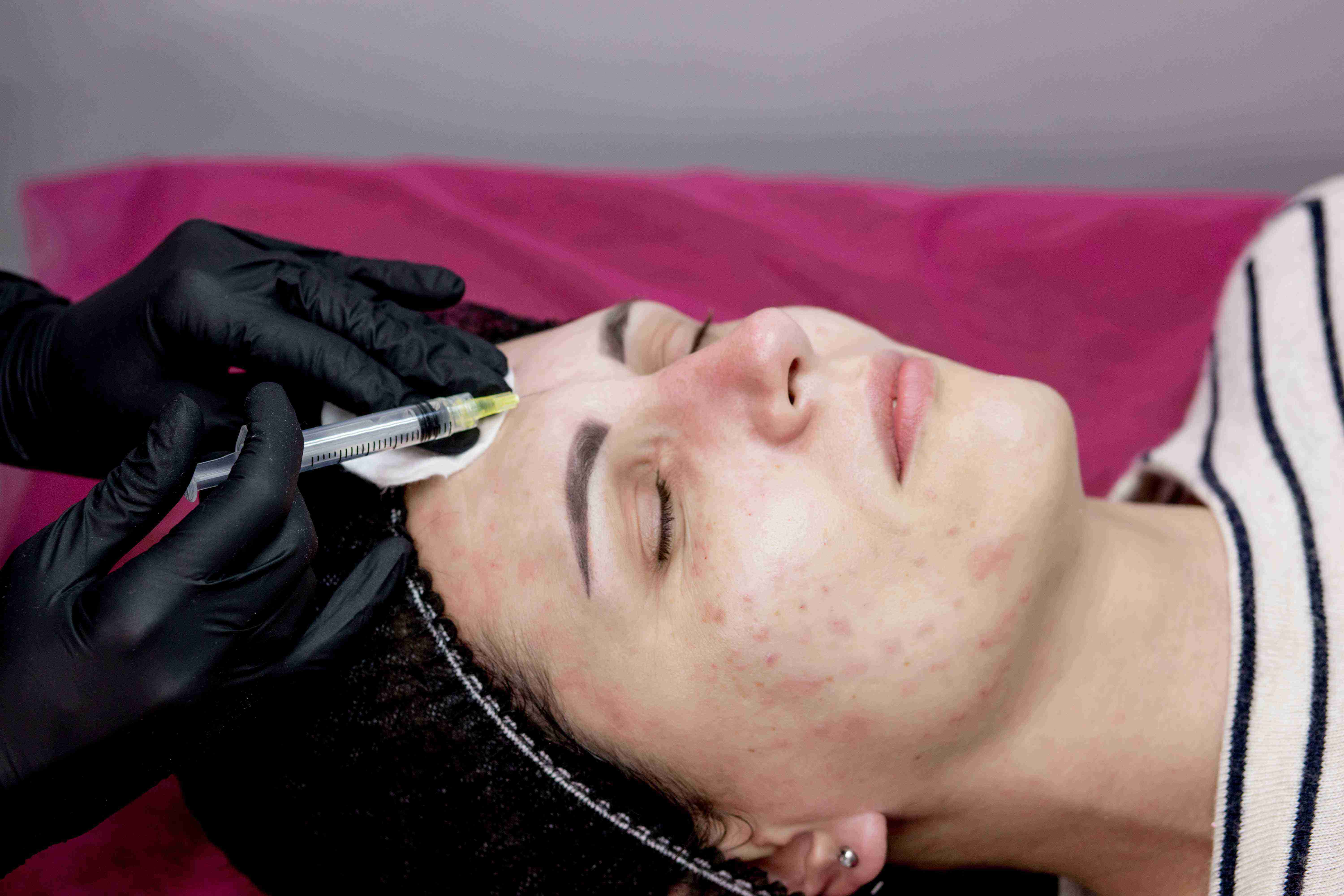
How Hair Transplant Consultation Works
This treatment targets acne and skin congestion by:

Transplant candidacy for traction alopecia at Claire Derma depends on several factors that our trichologists evaluate systematically during the consultation. The duration and severity of the traction, the time since the causative hairstyle was discontinued, the extent of visible scarring, and the condition of the donor area all influence whether transplantation will produce satisfactory results.
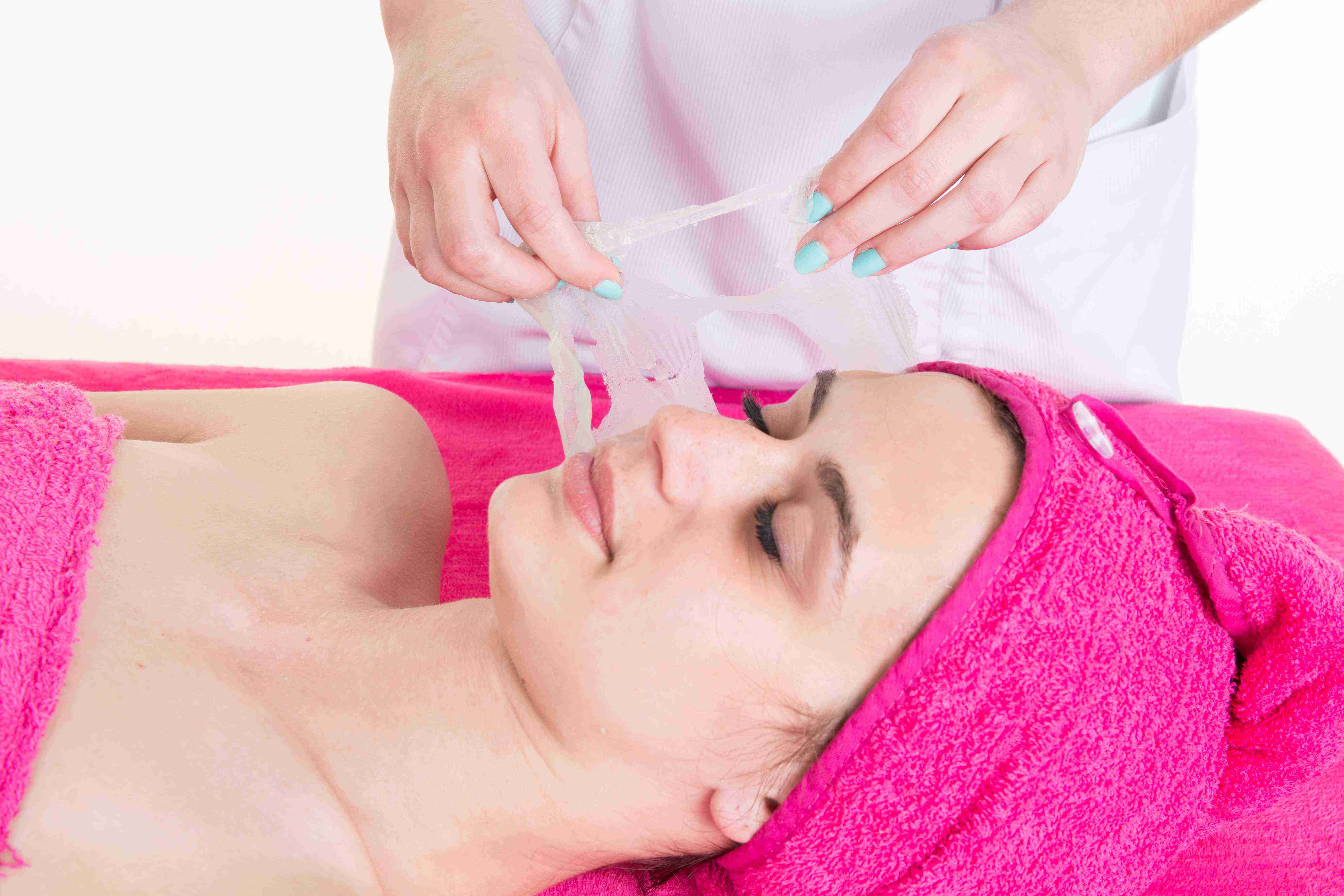
Treating Traction Alopecia with Hair Transplant
Hair transplant technique selection for traction alopecia at Claire Derma considers the unique characteristics of the condition. FUE is typically preferred because it allows precise graft placement into the often-narrow bands of traction-related loss without requiring a linear donor incision.
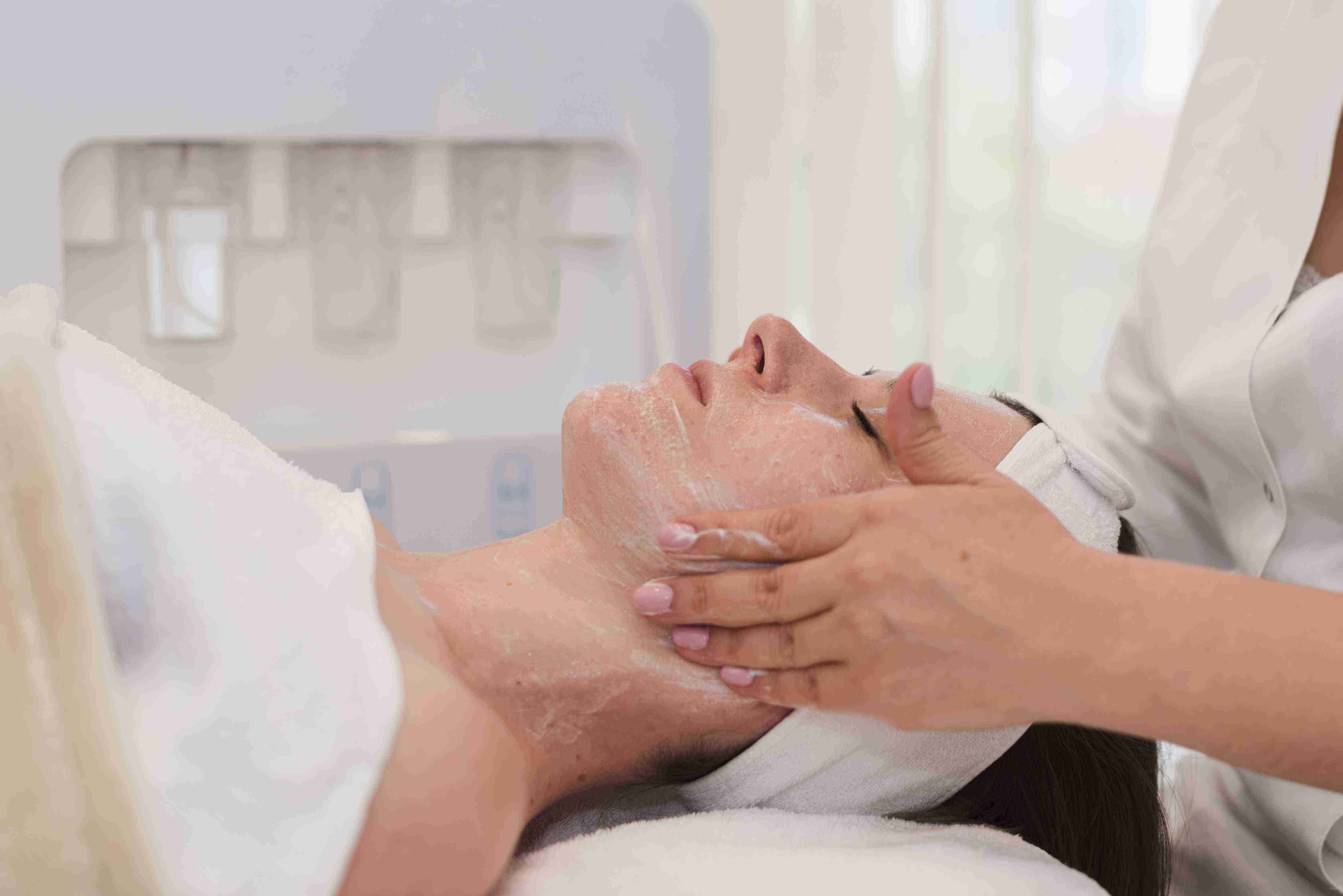
Benefits of Hair Transplant Consultation for Traction Alopecia
The consultation at Claire Derma for traction alopecia transplant addresses the behavioural component alongside surgical planning. Transplanted hair will survive because the grafts come from a non-traction-affected donor zone, but subjecting transplanted hair to the same pulling forces that caused the original loss will damage the new grafts over time.
Ideal Candidates for the Treatment
This treatment is ideal for individuals who:
Following the consultation at Claire Derma, you receive a detailed plan that includes your traction alopecia stage assessment, dermoscopic findings, recommended graft count, surgical technique details, and a timeline for the procedure. If we determine that some follicles may still recover with conservative management, we recommend a six-month observation period with hairstyle modification before reassessing.
The Treatment Process
01
Consultation & Skin Analysis
The dermatologist assesses acne severity and determines the best peel type. Our trichologist performs dermoscopy to classify follicle damage as reversible miniaturisation or permanent scarring, measures the area of loss, and estimates graft requirements. We evaluate your donor area density and discuss hairstyle modification.
02
Preparation
The skin is cleansed to remove oil and impurities before the treatment. Pre-operative recipient bed preparation may include PRP injections for scarred areas. We confirm that the causative hairstyle has been discontinued for at least six months and that no further recovery is occurring.
03
Peel Application
A customized chemical peel is applied and left on for controlled exfoliation. FUE extraction is performed using appropriate punch sizes for your hair type, with angle adjustments for curly follicular paths. Grafts are placed at natural angles with single-hair units at the hairline edge graduating to multi-follicular units behind.
Expected Results & Recovery

Comprehensive diagnosis of traction alopecia severity.
Clear treatment plan with expected outcomes.
Realistic understanding of hair transplant effectiveness.
No downtime for consultation.
Patients receive detailed instructions post-consultation.
Plan for proceeding with hair transplant or alternative treatments.
Got Questions?We've Got Answers
Find answers to the most common questions about our treatments, procedures, and recovery process. If you can't find what you're looking for, our support team is always here to help.
Typically, 3–6 sessions spaced 2–4 weeks apart are recommended.
Chemical peels fade acne scars and dark spots, but deep scars may require microneedling or laser treatments for optimal results.
Most people experience a mild tingling or stinging sensation, but it is tolerable and subsides quickly.
It is recommended to wait at least 24–48 hours before applying makeup to avoid irritation.
Some individuals experience temporary purging before clearing up.
Early-stage traction alopecia where follicles are miniaturised but not yet scarred can improve significantly with hairstyle modification. At Claire Derma, our trichologists use dermoscopy to assess whether your follicles retain regenerative potential. If perifollicular scarring and follicular dropout are confirmed, the damage is permanent and hair will not regrow on its own.
At Claire Derma, we recommend discontinuing the causative hairstyle for at least six months before the consultation. This observation period allows us to see whether any natural recovery occurs in the affected areas, which helps us accurately identify zones of permanent loss versus areas that are still capable of spontaneous regrowth.
Transplanted hair can tolerate gentle braiding styles once fully healed, typically after six to twelve months. However, the same high-tension styling that caused the original loss will eventually damage transplanted follicles as well. At Claire Derma, our trichologists discuss protective styling options that maintain your preferred aesthetic without exceeding safe tension levels.
Traction alopecia transplantation presents specific challenges including potential recipient bed scarring with reduced vascularity, and frequently involves Afro-textured hair where the curved follicular path requires specialised extraction technique to minimise graft transection. At Claire Derma, our surgical team has experience managing both of these factors.