
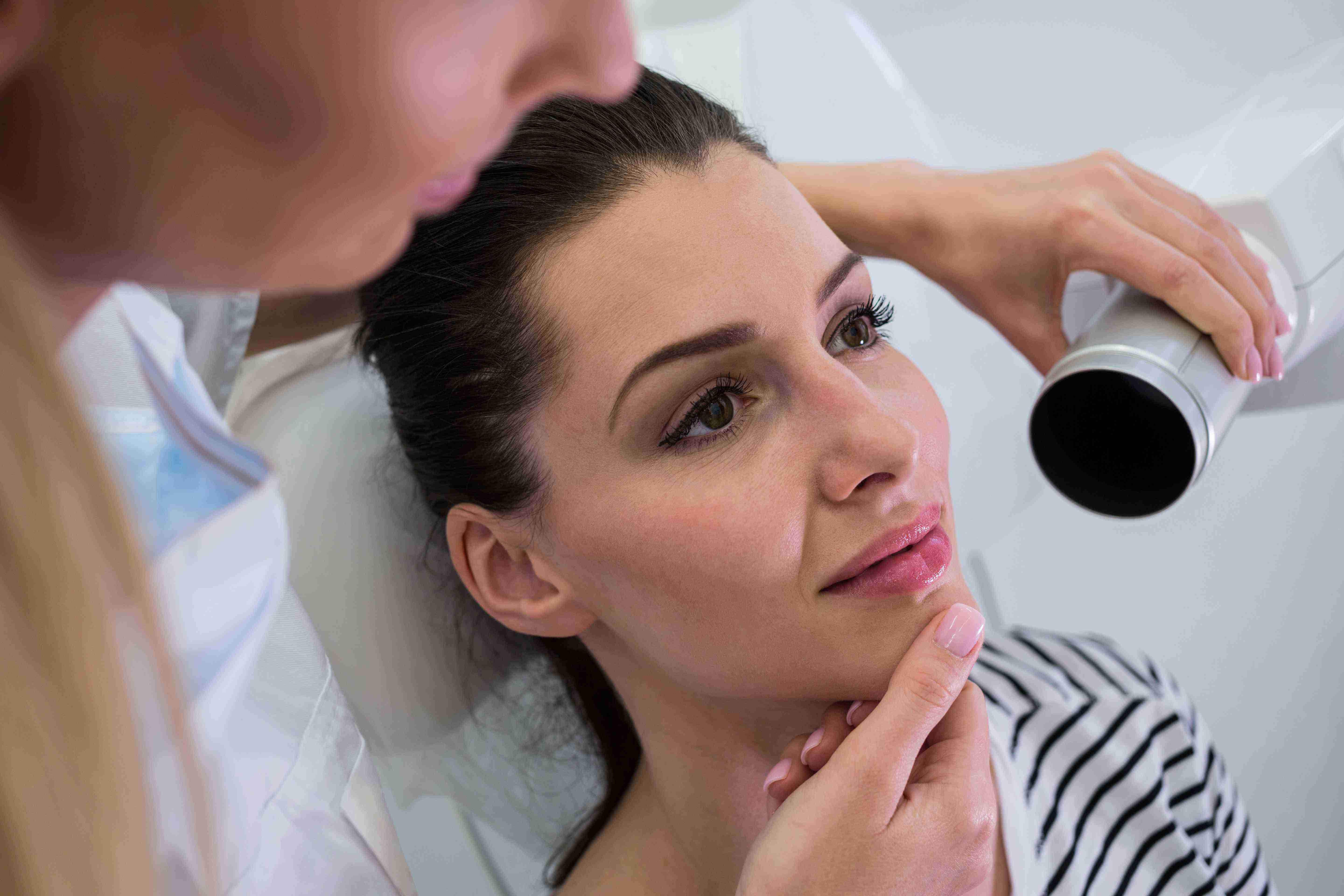
Introduction to HIFU
Aging leads to collagen breakdown, resulting in wrinkles, fine lines, sagging skin, and loss of firmness. High-Intensity Focused Ultrasound (HIFU) is a non-invasive anti-aging treatment designed to lift, tighten, and rejuvenate the skin by stimulating deep collagen production. Often referred to as a non-surgical facelift, HIFU offers natural and long-lasting results without the need for injections, incisions, or downtime.
High-Intensity Focused Ultrasound (HIFU) delivers targeted ultrasound energy to precise depths beneath the skin, generating thermal coagulation points that trigger a natural collagen-remodelling response. At Claire Derma, our dermatologists use HIFU to treat the same tissue layer that surgeons address during a facelift — the SMAS (superficial muscular aponeurotic system) — without any incisions or anaesthesia.
How HIFU Works
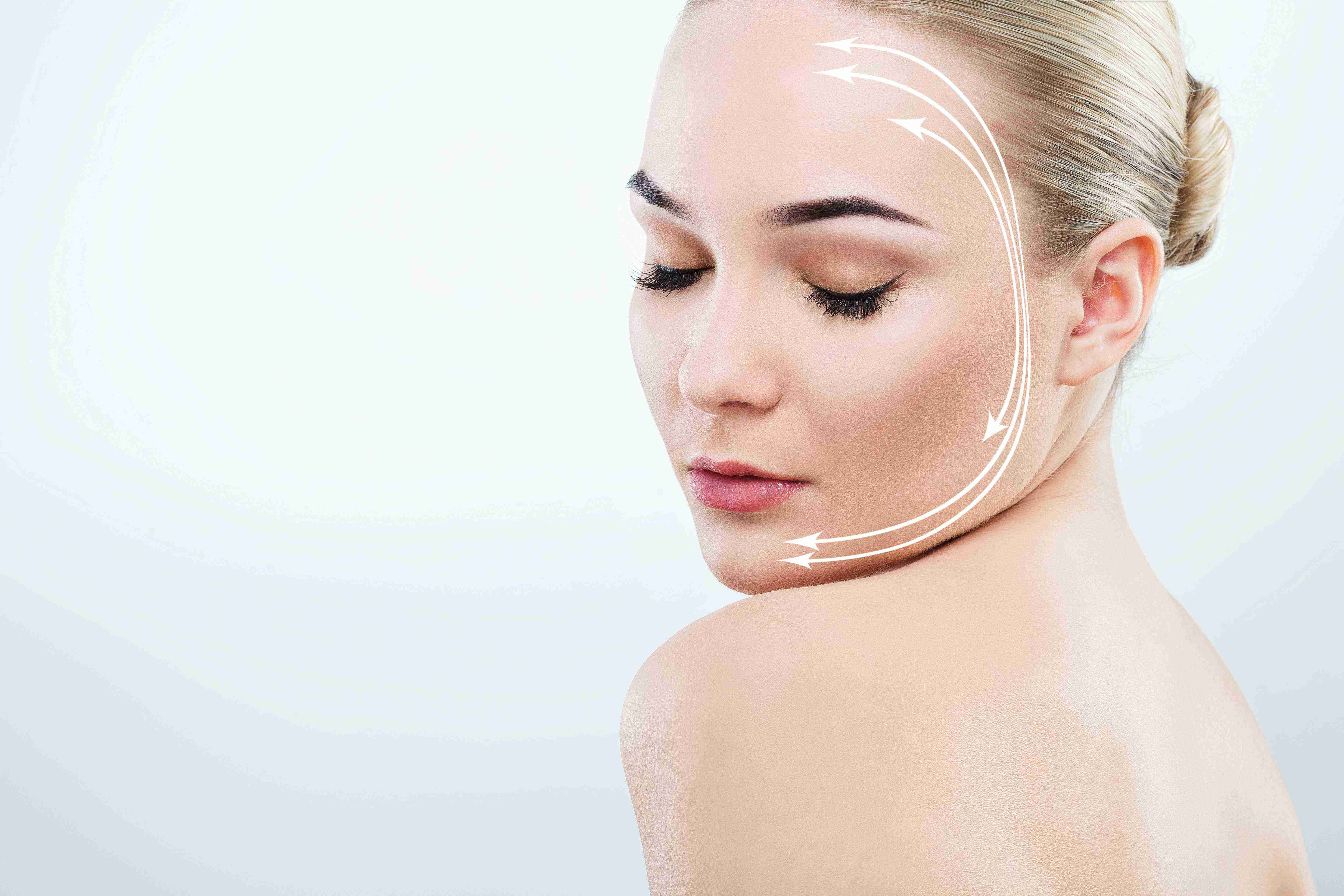
HIFU uses ultrasound energy to penetrate deep into the skin layers, targeting the Superficial Muscular Aponeurotic System (SMAS)— the same layer tightened in a facelift. The heat generated by ultrasound waves:

The physics of HIFU set it apart from other energy-based tightening devices. Focused ultrasound converges sound waves to a single point below the skin's surface — similar to how a magnifying glass focuses light.
Combatting Signs of Aging with HIFU
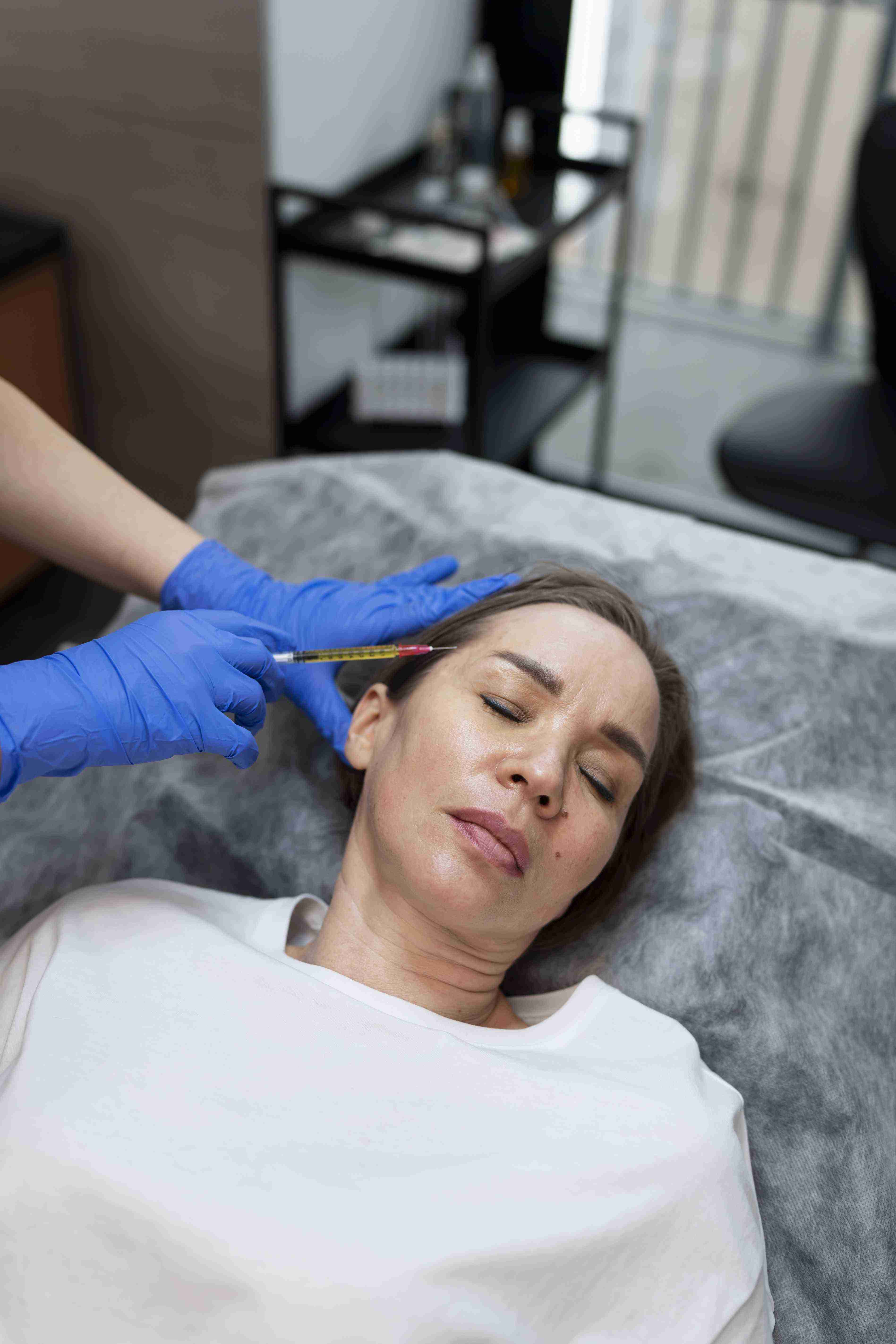
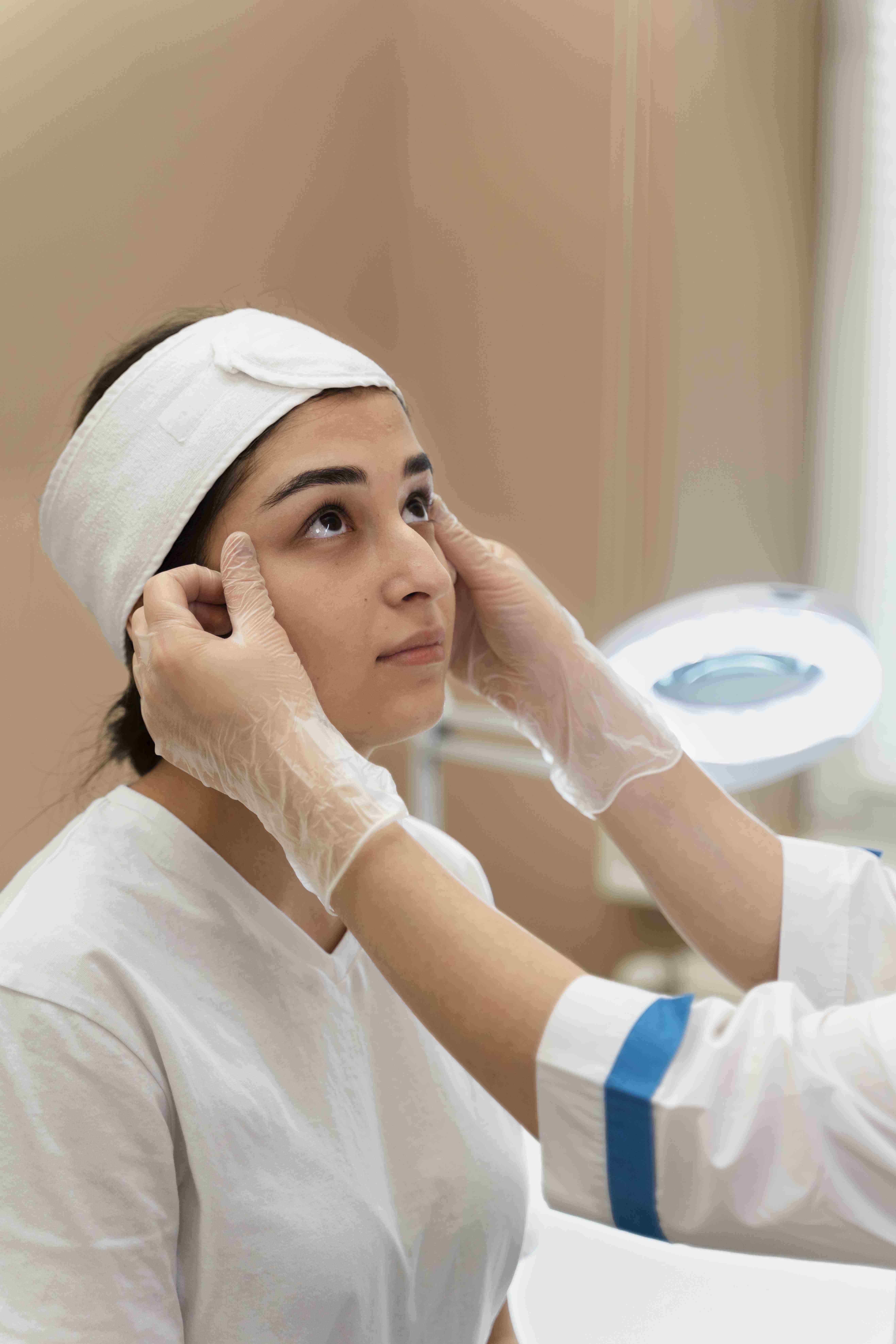
A HIFU session at Claire Derma begins with ultrasound imaging of the treatment area to visualise the tissue layers in real time. This imaging guides transducer placement and confirms that energy is being delivered to the correct depth — a safety feature unique to ultrasound-based devices.
Benefits of HIFU for Anti-Aging
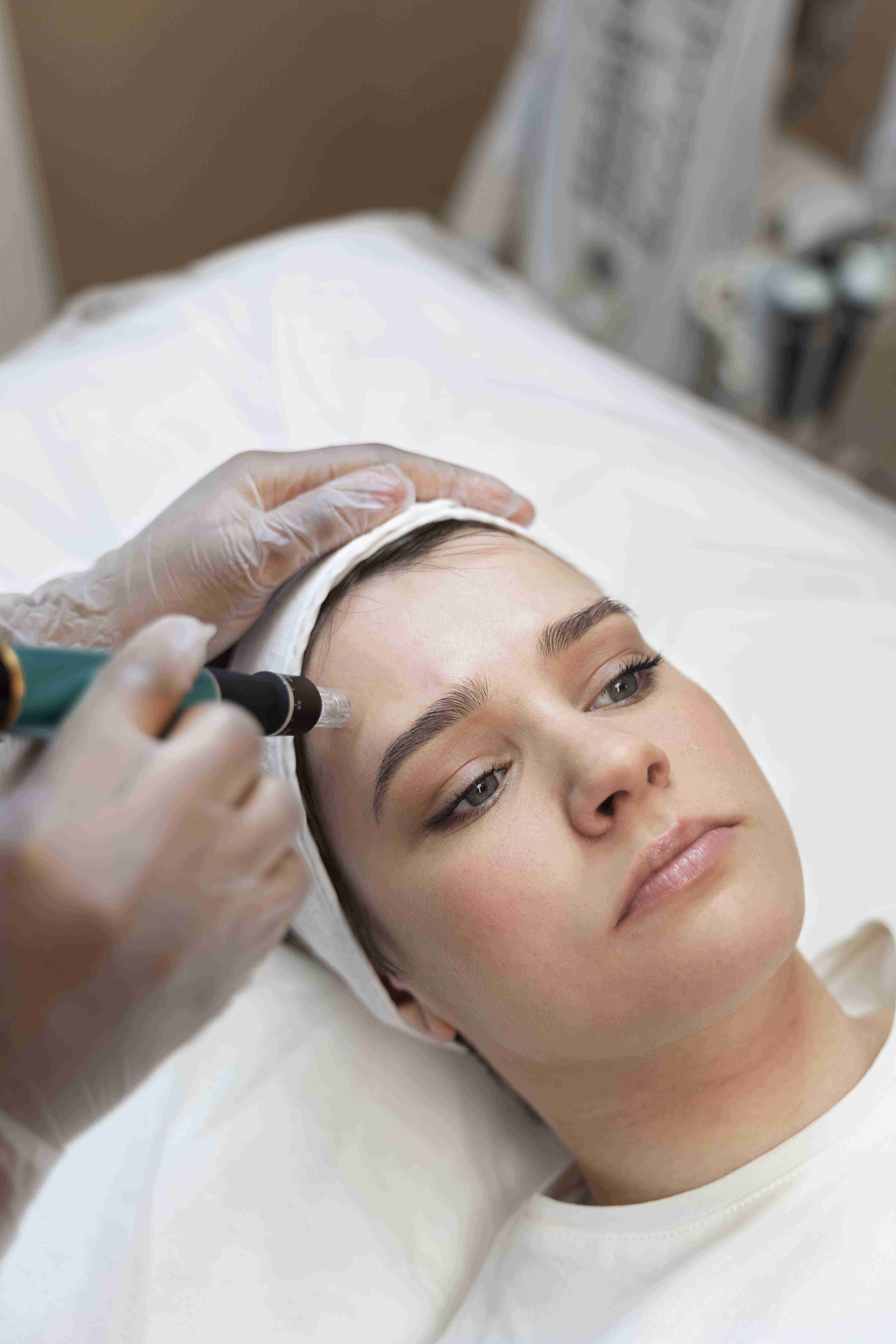
HIFU has a distinct clinical profile compared to other non-surgical tightening options. Radiofrequency devices heat tissue broadly and primarily affect the dermis, while HIFU alone reaches the SMAS layer without affecting the skin surface. Thread lifts provide immediate mechanical lifting but carry risks of migration and asymmetry.
Ideal Candidates for HIFU
This treatment is ideal for individuals who:
Immediately after a HIFU session, patients may notice mild redness, slight swelling, and tingling — all of which typically resolve within a few hours. Some patients report tenderness to touch along the jawline for one to two weeks. An initial mild tightening effect is often visible within the first week due to immediate collagen contraction. The primary results, however, develop over two to three months as the thermal injury triggers new collagen synthesis.
The Treatment Process
01
Consultation & Skin Assessment
The dermatologist evaluates skin concerns and determines the ideal treatment settings. Your dermatologist evaluates your skin laxity, facial volume, and aging pattern. We assess tissue thickness to confirm safe HIFU delivery depth. Baseline photographs are taken, and we discuss which areas — jawline, cheeks, brow, neck — will benefit most.
02
HIFU Application
The device delivers focused ultrasound waves at controlled depths. On treatment day, the skin is cleansed and a thin layer of ultrasound gel is applied. A topical anaesthetic cream may be used 30 minutes before the session for comfort.
Expected Results & Recovery

Skin may feel firmer immediately after treatment.
As collagen builds, skin continues to lift and smooth out.
No recovery period; normal activities can be resumed right away.
Effects last up to 12–18 months, with maintenance sessions recommended once a year.
Got Questions?We've Got Answers
Find answers to the most common questions about our treatments, procedures, and recovery process. If you can't find what you're looking for, our support team is always here to help.
Most people see significant results after one session, but annual maintenance treatments may be required.
Some individuals experience a warm, tingling sensation, but it is tolerable. A numbing cream can be applied for comfort.
Some lifting effects are immediate, but full results develop over 2–3 months as collagen production increases.
HIFU provides skin tightening and lifting, but for severe skin sagging, surgery may be a better option.
No, normal activities can be resumed immediately.
HIFU and surgical facelifts both address the SMAS layer, but they differ significantly in degree. A facelift physically repositions and tightens the SMAS through incisions, producing dramatic correction of moderate to severe laxity. HIFU stimulates SMAS contraction and collagen remodelling non-invasively, producing mild to moderate tightening suitable for early sagging.
Most patients describe HIFU as uncomfortable rather than painful — a brief tingling or prickling sensation as each pulse of energy is delivered, concentrated along the jawline and forehead where bone is closer to the surface. At Claire Derma, we apply a topical numbing cream before treatment and adjust energy settings based on your tolerance.
Collagen remodelling from a single HIFU session continues for up to six months and holds for twelve to eighteen months. At Claire Derma, most patients schedule one session annually to sustain their results. Patients with more advanced laxity may benefit from two sessions spaced six months apart initially, then transitioning to annual maintenance.
Yes, and these treatments complement each other well. HIFU addresses skin laxity and collagen loss, neurotoxin injections relax dynamic wrinkles, and dermal fillers restore lost volume — each targeting a different component of facial aging. At Claire Derma, we typically perform HIFU first and schedule neurotoxin or filler treatments two to four weeks later once any mild post-HIFU tenderness has resolved.