
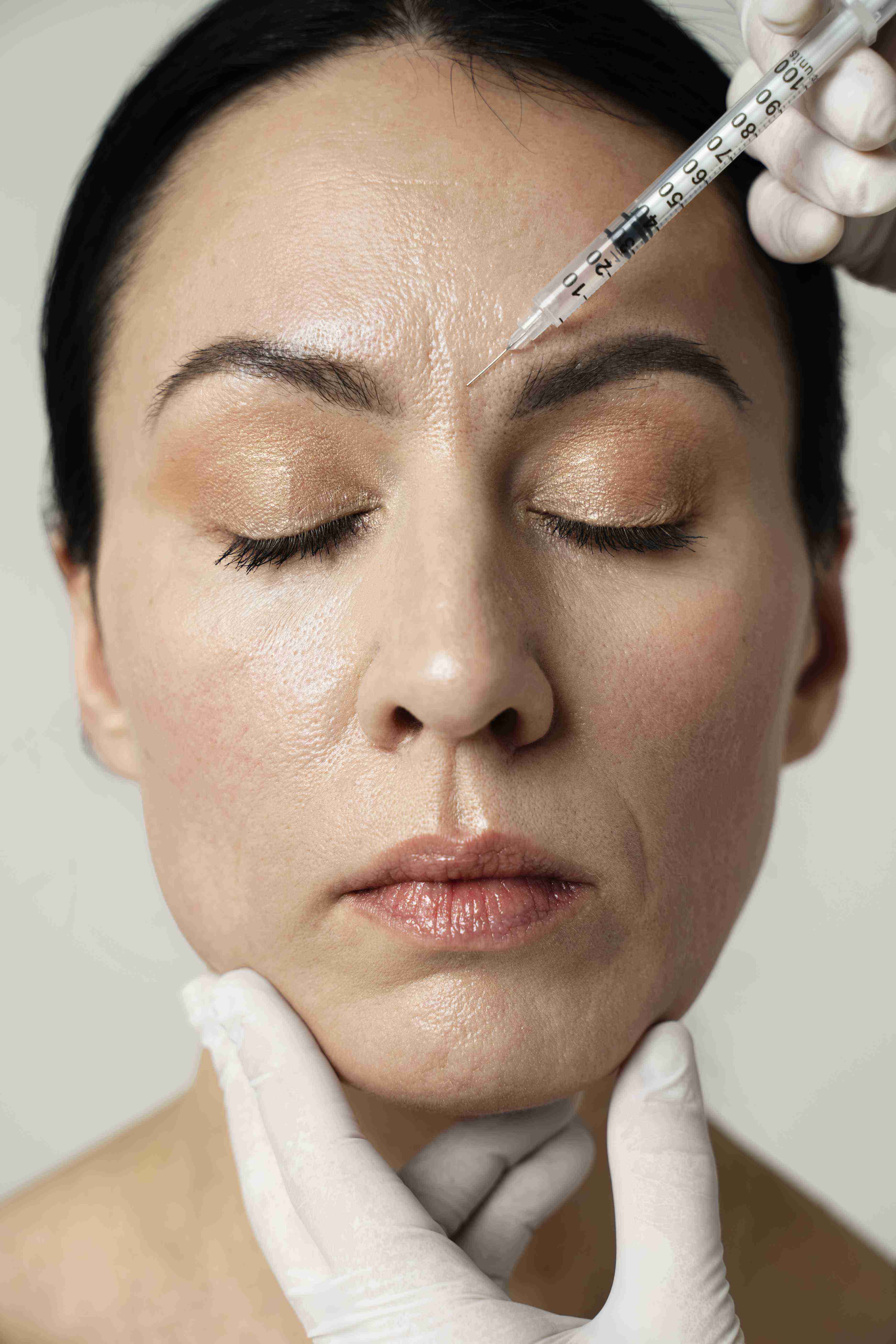
Introduction to Hyaluronic Skin Boosters
Hyaluronic Acid (HA) is a naturally occurring substance in the skin responsible for hydration, elasticity, and plumpness. However, as we age, HA levels decline, leading to dehydration, fine lines, and loss of firmness. The Hyaluronic Skin Booster is a minimally invasive treatment designed to deeply hydrate, restore volume, and improve skin quality, resulting in a more youthful, radiant appearance.
Hyaluronic acid is already present in your skin — it sits within the dermal extracellular matrix, holding up to 1,000 times its weight in water and maintaining the plump, hydrated texture that characterises youthful skin. After age 30, hyaluronic acid levels decline steadily, contributing to dryness, fine lines, and a loss of that natural luminosity.
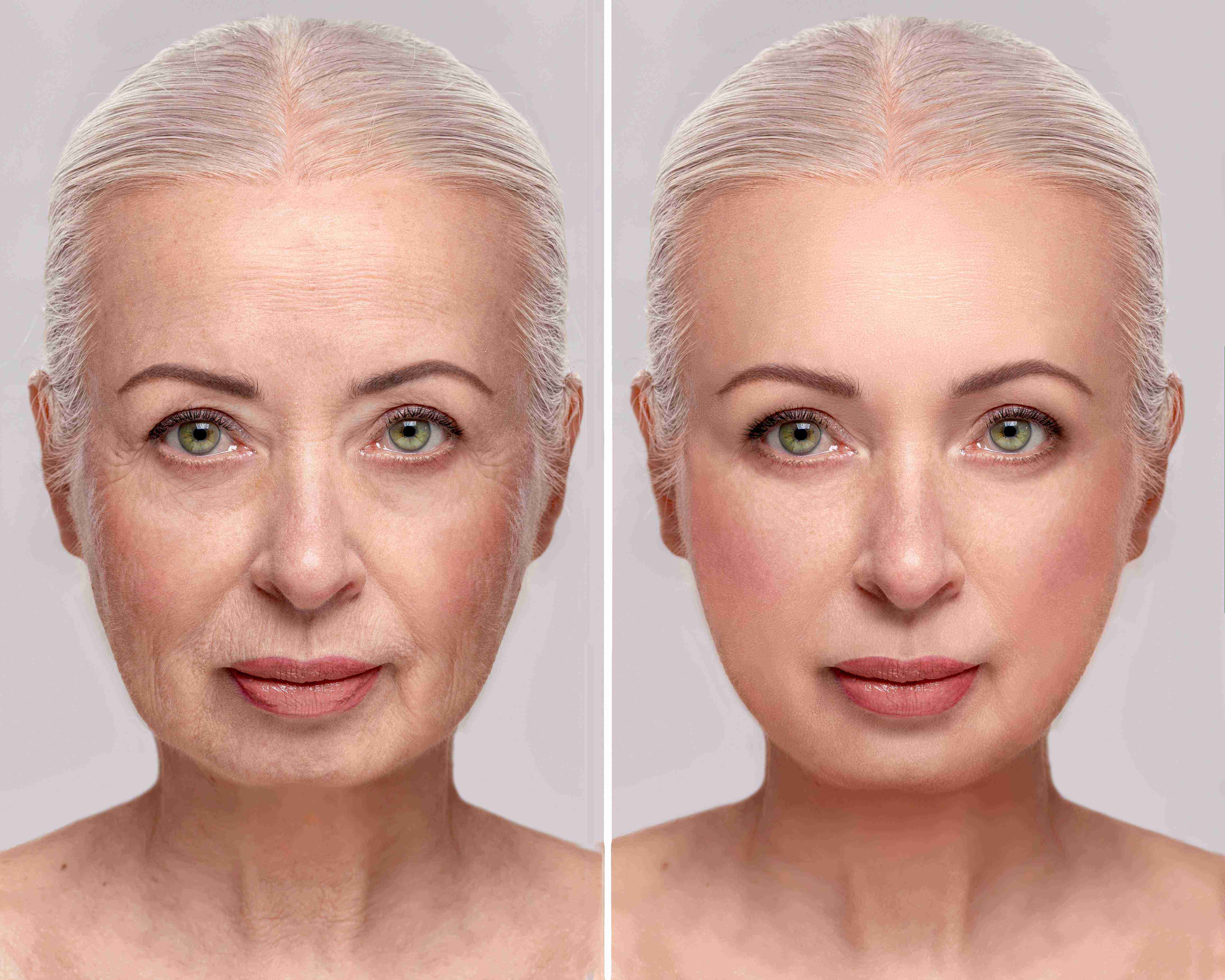
How Hyaluronic Skin Boosters Work
Unlike traditional dermal fillers, which add volume to specific areas, skin boosters are micro-injections of hyaluronic acid that spread evenly across the skin. They work by:

Aging skin shows dehydration in ways that many patients mistake for other problems. Fine lines that appear worse in the afternoon, skin that looks dull despite regular exfoliation, and makeup that settles into creases by midday are all signs of dermal moisture loss rather than structural collagen depletion. Hyaluronic skin boosters address this specific deficit.
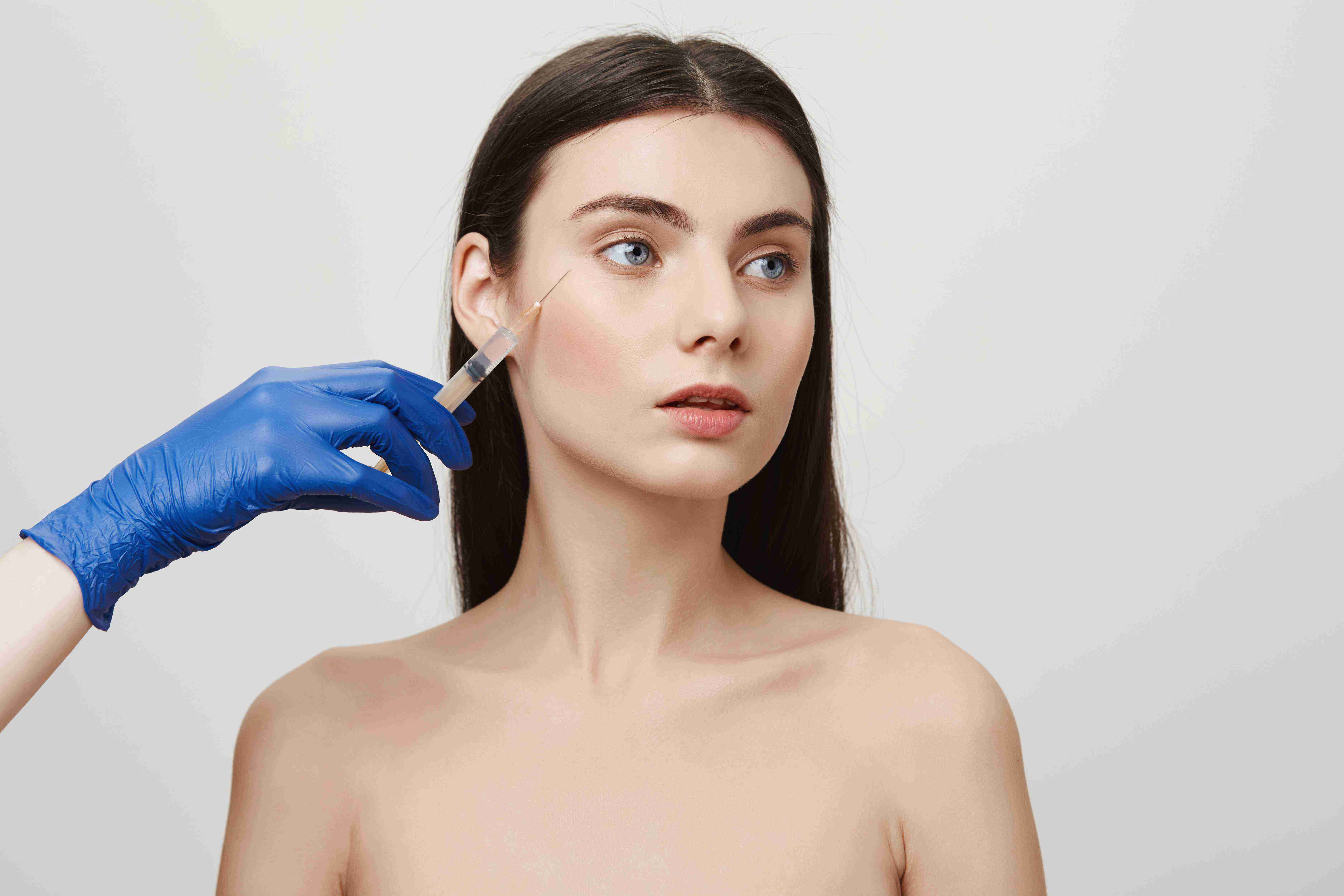
Reversing Signs of Aging with Hyaluronic Skin Boosters
Aging skin experiences collagen loss, moisture depletion, and reduced elasticity, which leads to wrinkles, sagging, and dullness. Hyaluronic Skin Boosters combat these signs by:
Hyaluronic skin booster treatments at Claire Derma involve a series of micro-injections delivered across the treatment area using either a fine needle or a cannula. The product is placed in the superficial dermis — typically at a depth of 1 to 2 mm — where it integrates with the existing extracellular matrix.
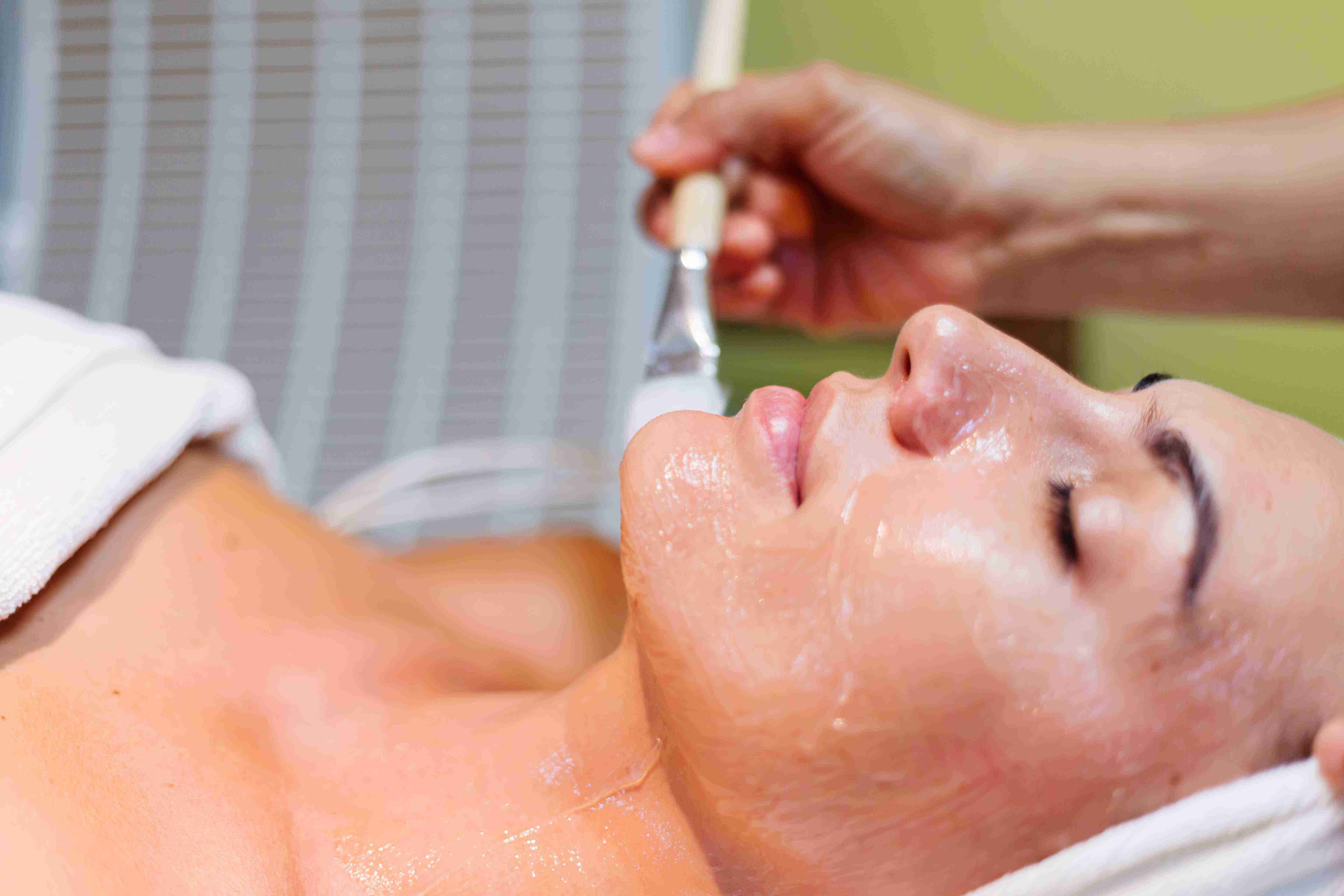
Benefits of Hyaluronic Skin Booster for Anti-Aging
Hyaluronic skin boosters fill a gap in anti-aging treatment that neither topical products nor structural procedures fully cover. Topical hyaluronic acid serums hydrate the skin surface effectively but cannot penetrate deep enough to restore dermal moisture levels. Collagen-stimulating treatments rebuild structure but do not address the hydration deficit that contributes to dullness and fine lines.
Ideal Candidates for the Treatment
This treatment is suitable for individuals who:
Recovery from hyaluronic skin booster injections is minimal. You may notice small raised bumps at each injection point — these are the product deposits, and they flatten within 12 to 48 hours as the hyaluronic acid integrates into the tissue. Mild redness and occasional bruising are possible, particularly on the neck and around the eyes where skin is thinner.
The Treatment Process
01
Consultation & Skin Assessment
A specialist assesses skin hydration levels and aging concerns. Your dermatologist assesses skin hydration levels, texture, and fine line patterns. We discuss your anti-aging goals and determine whether skin boosters should be a standalone treatment or complement other procedures.
02
Pre-Treatment Preparation
The skin is cleansed, and a numbing cream may be applied for comfort. The treatment area is cleansed and topical anaesthetic cream is applied 20 to 30 minutes before the injections. Many skin booster products also contain lidocaine, which provides additional numbing during the procedure. All makeup and skincare products are removed.
03
Micro-Injection Procedure
Tiny injections of HA are placed across the face to ensure even distribution. The stabilised hyaluronic acid is injected into the superficial dermis using a fine 30 or 32 gauge needle in a grid pattern. Each injection deposits a precise micro-droplet of product.
04
Post-Treatment Care
Mild redness or swelling may occur but typically resolves within 24–48 hours. Hydration and sun protection are essential for optimal results. Small papules at injection sites flatten within 12 to 48 hours. Mild redness resolves within a few hours. We apply a gentle moisturiser before you leave. Avoid touching the treated area for six hours and skip makeup until the next morning.
Expected Results & Recovery

Skin appears plumper and more radiant within a few days.
Full results develop over 4–6 weeks, as collagen production increases.
Patients can return to normal activities within 24 hours.
With proper skincare, results last 6–12 months, with maintenance treatments recommended.
Got Questions?We've Got Answers
Find answers to the most common questions about our treatments, procedures, and recovery process. If you can't find what you're looking for, our support team is always here to help.
Unlike fillers that add volume to specific areas, skin boosters hydrate and improve overall skin quality without altering facial contours.
While it smooths fine lines, it does not relax muscles like Botox. However, it enhances skin elasticity, making wrinkles appear less prominent.
A series of 2–3 sessions, spaced 4 weeks apart, is recommended for optimal anti-aging benefits.
Yes, it works well for both early aging signs and mature skin, helping to restore hydration and elasticity.
Mild discomfort may be felt, but a numbing cream is applied to minimize any pain.
Yes, it can complement Botox, fillers, microneedling, and laser treatments for enhanced results.
Skin hydration improves immediately, while anti-aging benefits become more noticeable over 4–6 weeks.
Results typically last 6–12 months, with maintenance sessions recommended for long-term benefits.
Dermal fillers use cross-linked hyaluronic acid designed to hold its shape and add volume to specific areas — cheeks, lips, nasolabial folds. Skin boosters use a softer, non-cross-linked or lightly cross-linked formulation that disperses evenly through the dermis to hydrate the tissue without adding volume or changing facial contours.
The hydration effect from a single session typically lasts three to six months, depending on your skin type, lifestyle, and environmental exposure. The hyaluronic acid is gradually metabolised by the body, which is why maintenance treatments are needed. At Claire Derma, most patients settle into a routine of one treatment every four to six months after the initial series.
Yes, and this combination is common at Claire Derma. Skin boosters address the hydration component of aging while microneedling and collagen remodelling rebuild the structural collagen framework. We typically space the treatments two to three weeks apart so each one can work independently before the next is applied.
Side effects are mild and temporary. The most common are small bumps at injection sites that resolve within 48 hours, mild redness lasting a few hours, and occasional bruising that fades within five to seven days. Allergic reactions to hyaluronic acid are extremely rare since it is a substance naturally present in the body.